
Ball Valve vs Plug Valve: Comprehensive Comparison Guide
Ball Valve vs Plug Valve: Comprehensive Comparison Guide
When designing or maintaining industrial fluid systems, choosing between a ball valve and a plug valve isn’t just a matter of preference—it’s a critical decision that impacts system performance, maintenance requirements, and operational costs. Both valve types serve similar functions but offer distinct advantages in different applications. This comprehensive guide breaks down the essential differences between ball valves and plug valves, helping you make an informed decision for your specific industrial needs.
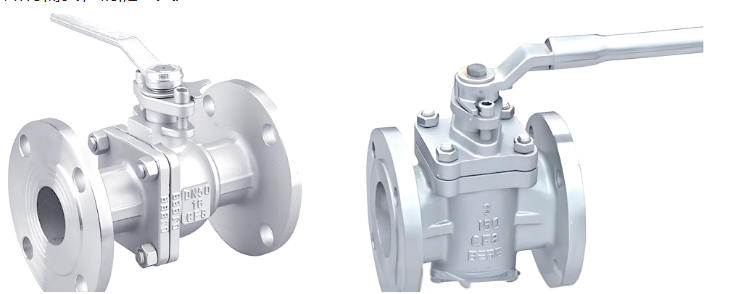
Ball valve (left) and plug valve (right) basic design comparison
Understanding Valve Basics: Ball Valves and Plug Valves
What is a Ball Valve?
A ball valve is a quarter-turn rotational valve that uses a spherical disc (the “ball”) with a bore through its center to control flow. When the valve handle is turned 90 degrees, the ball rotates, either aligning the bore with the flow path (open position) or positioning it perpendicular to block flow (closed position).
Ball valves are known for their excellent sealing capabilities, durability in high-pressure systems, and quick operation. Their design allows for minimal pressure drop and reliable performance across a wide range of applications.
What is a Plug Valve?
A plug valve, sometimes called a cock valve, features a tapered or cylindrical plug with a passage through it. Like ball valves, plug valves operate with a quarter-turn rotation that aligns or misaligns the passage with the flow path to control media movement.
Plug valves are valued for their simple design, tight sealing capabilities (especially for gases), and ability to handle slurries and viscous fluids. They’re commonly used in applications requiring quick shutoff and reliable sealing.
Key Design and Operational Differences
Flow pattern comparison through ball and plug valve internal mechanisms
| Feature | Válvula de bola | Plug Valve |
| Design | Spherical disc with bored passage | Tapered or cylindrical plug with bored passage |
| Sealing Surface | Smaller surface area | Larger surface area for tighter sealing |
| Torque Requirements | Lower torque for operation | Higher torque, especially in larger sizes |
| Weight | Moderate | Heavier, especially in larger sizes |
| Actuation Options | Manual, electric, pneumatic, hydraulic | Manual, electric (pneumatic possible but costly) |
| Cavity Traps | Body cavity can trap media | Minimal cavity traps |
| Relative Cost | Moderate ($$) | Higher ($$$) |
Structural Differences
The fundamental difference between these valves lies in their core design. Ball valves use a spherical disc that rotates within the valve body, while plug valves employ a tapered or cylindrical plug. This distinction affects everything from sealing performance to maintenance requirements.
Ball valves typically feature a smaller sealing surface area compared to plug valves. While this might suggest inferior sealing, modern ball valves overcome this limitation through advanced seat materials and precision manufacturing. The spherical design of ball valves also contributes to their lower torque requirements and smoother operation.
Plug valves, with their larger sealing surface, traditionally offer excellent sealing capabilities, particularly for gases and low-density media. However, this larger surface area increases friction and requires more force to operate, especially in larger valve sizes.
Types of Ball Valves and Plug Valves
Common types of ball valves (top) and plug valves (bottom)
Ball Valve Types
- Floating Ball Valve: The ball is suspended and “floats” between two seats, relying on line pressure to create a seal. Ideal for moderate pressure applications.
- Trunnion-Mounted Ball Valve: The ball is anchored at both top and bottom, reducing friction and wear. Preferred for high-pressure and larger diameter applications.
- V-Port Ball Valve: Features a V-shaped opening in the ball for more precise flow control, allowing for throttling applications.
- Three-Way Ball Valve: Designed with multiple ports to divert or mix flow between different paths.
Plug Valve Types
- Lubricated Plug Valve: Contains a sealant injection system that lubricates the plug, reducing friction and improving sealing. Suitable for high-temperature applications.
- Non-Lubricated Plug Valve: Features an elastomeric sleeve between the plug and body, eliminating the need for lubrication. Not suitable for high-temperature applications.
- Eccentric Plug Valve: The plug rotates off-center, reducing wear by lifting away from the seat during rotation.
- Expanding Plug Valve: Contains a mechanism that expands the plug against the seat when closed, creating a tighter seal.
Performance Comparison: Ball Valve vs Plug Valve
Performance testing setup for industrial valves
Flow Characteristics
Ball valves typically offer superior flow characteristics with minimal pressure drop due to their straight-through design when fully open. The smooth, unobstructed flow path makes them ideal for applications where maintaining flow efficiency is critical.
Plug valves, while also providing good flow characteristics, may create slightly more resistance due to their design. However, their full-port versions can match ball valves in flow efficiency for many applications.
Sealing and Shutoff Performance
Plug valves traditionally excel in sealing performance due to their larger sealing surface area, making them excellent for gas applications where preventing leakage is paramount. The tapered design creates a naturally tight seal when properly maintained.
Ball valves, while having a smaller sealing surface, have benefited from advances in seat materials and manufacturing precision. Modern ball valves with enhanced seals can provide bubble-tight shutoff comparable to plug valves, while requiring less torque to operate.
Need Help Selecting the Right Valve?
Our comprehensive Valve Selection Guide covers everything from material compatibility to pressure ratings. Download it now to make informed decisions for your specific application.
Download Valve Selection Guide
Pressure and Temperature Ratings
Ball valves generally handle higher pressure ratings more effectively than plug valves of comparable size. Trunnion-mounted ball valves are particularly well-suited for high-pressure applications, with some models rated for pressures exceeding 10,000 PSI.
Plug valves, particularly lubricated versions, can perform well in high-temperature applications. However, non-lubricated plug valves with elastomeric sleeves have temperature limitations that must be considered during selection.
Maintenance Requirements and Lifespan
Maintenance access points for ball valves vs plug valves
Ball Valve Maintenance
Ball valves typically require less frequent maintenance due to their design and lower operating torque. However, standard ball valves are often designed to be replaced rather than repaired when they fail. Three-piece ball valve designs offer better serviceability, allowing for in-line maintenance.
A key maintenance challenge with ball valves is the potential for media to become trapped in the body cavity, which can lead to contamination or corrosion over time. Regular cycling of the valve can help prevent this issue.
Plug Valve Maintenance
Plug valves, particularly lubricated versions, require more regular maintenance to ensure proper lubrication and sealing performance. The lubrication system needs periodic inspection and replenishment to maintain optimal operation.
An advantage of plug valves is that the plug can be relatively easily removed for cleaning or replacement. This serviceability makes them suitable for applications where regular maintenance is expected or where the media may cause buildup.
Lifespan Considerations
The lifespan of both valve types depends significantly on their application, operating conditions, and maintenance practices. Ball valves typically offer longer service life in most applications due to their lower torque requirements and reduced wear. The spherical design distributes wear more evenly across the sealing surfaces.
Plug valves may experience more rapid wear due to their higher friction and larger sealing surface area. However, with proper lubrication and maintenance, they can provide reliable service for extended periods, particularly in applications where their sealing advantages are critical.
Ball Valve Advantages
- Lower operating torque
- Longer service life in most applications
- Better for high-pressure systems
- More actuation options
- Lower maintenance frequency
Plug Valve Advantages
- Superior sealing for gas applications
- Better handling of slurries and viscous media
- Easier to clean and service
- Simpler design with fewer components
- Less susceptible to cavity trapping
Application Areas: Where Each Valve Type Excels
Ball valves in oil refinery (left) and plug valves in wastewater treatment (right)
Ideal Applications for Ball Valves
Válvulas de bola excel in applications requiring reliable operation under high pressure and temperature conditions. Their low-torque operation and durability make them particularly well-suited for:
- Oil and Gas Industry: Pipeline isolation, manifold systems, and processing equipment where reliable shutoff is critical
- Power Generation: Steam systems, cooling water circuits, and fuel lines
- Chemical Processing: Clean chemical transfer, reactor isolation, and systems requiring minimal pressure drop
- HVAC Systems: Chilled water, heating systems, and refrigeration where quick operation is beneficial
- Natural Gas Distribution: Transmission lines, distribution networks, and end-user connections
Ideal Applications for Plug Valves
Plug valves are particularly valuable in applications where tight sealing, handling of difficult media, or simplicity of design are priorities:
- Wastewater Treatment: Handling of slurries, sludge, and particulate-laden fluids
- Mining Operations: Abrasive slurries and high-solid-content fluids
- Food and Beverage: Applications requiring easy cleaning and minimal cavity traps
- Gas Services: Natural gas distribution and other gas applications where tight shutoff is essential
- Chemical Processing: Corrosive or viscous media where specialized materials are required
Decision flowchart for valve selection based on application requirements
Selection Guide: Choosing Between Ball Valve and Plug Valve
Selecting the right valve type requires careful consideration of your specific application requirements. The following factors should guide your decision:
Key Selection Factors
System Parameters
- Operating pressure range
- Temperature requirements
- Flow rate and pressure drop constraints
- Space limitations
Media Characteristics
- Viscosity and density
- Presence of solids or particulates
- Corrosiveness or abrasiveness
- Clean service vs. slurry handling
Operational Needs
- Frequency of operation
- Maintenance capabilities
- Actuation requirements
- Leakage tolerance
Engineers evaluating valve specifications for project requirements
When to Choose Ball Valves
Ball valves are typically the better choice when:
- Your system operates at high pressure (above 1000 PSI)
- Low torque operation is required for ease of automation
- The media is clean with minimal solids
- Minimal pressure drop is critical to system performance
- Frequent operation is expected
- Space constraints favor a compact valve design
When to Choose Plug Valves
Plug valves are generally preferable when:
- Handling slurries or media with high solids content
- Absolute tight shutoff is required, especially for gases
- The application involves frequent cleaning or inspection
- Multi-port flow control is needed
- The system operates at moderate pressures
- Simplicity of design is valued for reliability
Total cost of ownership comparison across valve sizes and materials
Cost Considerations
When evaluating cost, consider not just the initial purchase price but the total cost of ownership:
- Initial Investment: Plug valves often have a higher initial cost than comparable ball valves, particularly in larger sizes
- Maintenance Costs: Plug valves typically require more frequent maintenance, increasing long-term operational costs
- Replacement Frequency: Ball valves generally offer longer service life in most applications, reducing replacement costs
- Energy Efficiency: Ball valves’ lower pressure drop can translate to energy savings in pumping or compression costs
Real-World Applications: Case Studies
Case study installations: Oil pipeline (left) and wastewater treatment (right)
Case Study 1: Oil Pipeline Transmission
A major oil pipeline operator needed reliable isolation valves for a new 36-inch transmission line operating at 1200 PSI. After evaluating both valve types, they selected trunnion-mounted ball valves due to their:
- Superior high-pressure performance
- Lower torque requirements for emergency shutdown automation
- Excellent flow characteristics minimizing pumping costs
- Proven reliability in similar installations
After five years of operation, the ball valves have required minimal maintenance while providing consistent performance, validating the selection decision.
Case Study 2: Wastewater Treatment Facility
A municipal wastewater treatment plant needed valves for their primary sludge handling system. They selected lubricated plug valves based on:
- Superior handling of high-solids content slurries
- Resistance to clogging from fibrous materials
- Ease of cleaning and maintenance
- Cost-effectiveness in the moderate pressure application
Despite requiring quarterly lubrication, the plug valves have performed exceptionally well in this challenging application, with minimal issues related to the abrasive media.
Performance data comparison from case study implementations
Conclusion: Making the Right Choice for Your Application
Both ball valves and plug valves have earned their place in industrial fluid control applications, each offering distinct advantages that make them suitable for specific scenarios. The choice between them should be guided by a thorough understanding of your system requirements, media characteristics, and operational priorities.
Ball valves excel in high-pressure applications, clean media handling, and situations requiring low-torque operation or minimal maintenance. Their excellent flow characteristics and wide range of available configurations make them versatile solutions for many industrial applications.
Plug valves shine in applications involving slurries, abrasive media, or where absolute tight shutoff is critical. Their simpler design, ease of servicing, and superior performance with difficult media make them invaluable in specific industries.
Rather than viewing the selection as a competition between valve types, consider it a process of matching the right tool to your specific requirements. In some cases, a facility might benefit from using both valve types in different parts of their system, leveraging the strengths of each where they matter most.
Need Expert Guidance for Your Valve Selection?
Our team of valve specialists can help you navigate the complexities of valve selection for your specific application. With decades of experience across industries, we’ll ensure you get the right valve for your needs.
Request Expert Consultation
Can ball valves be used for throttling applications?
Standard ball valves are not recommended for throttling as partial opening can cause uneven wear on the seats. However, specialized V-port ball valves are designed specifically for throttling applications and provide more precise flow control with reduced wear.
Are plug valves suitable for high-temperature applications?
Lubricated plug valves can handle high temperatures, often up to 1000°F (538°C) depending on the materials. Non-lubricated plug valves with elastomeric sleeves typically have lower temperature limits, usually below 400°F (204°C). Always verify the specific temperature rating for your selected valve.
Which valve type is better for cryogenic services?
Ball valves are generally preferred for cryogenic applications due to their better thermal shock resistance and lower operating torque at extremely low temperatures. Special cryogenic ball valves with appropriate materials and extended bonnets are specifically designed for these challenging conditions.