

Butterfly Valve End Connection Types: A Comprehensive Guide
Overview of Butterfly Valve End Connection Types
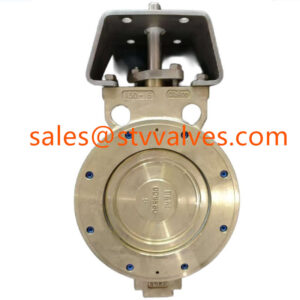
C95800 High Performance Butterfly Valve factory
Butterfly valves are quarter-turn valves that use a disk-shaped element to control flow. The end connection is the interface between the valve and the piping system, and selecting the right type is essential for proper system function. Several factors influence the selection of end connections, including:
- System pressure and temperature requirements
- Installation space constraints
- Maintenance accessibility needs
- Industry standards and compliance requirements
- Budget considerations
- Application-specific requirements
Common butterfly valve end connection types used in industrial applications
The main butterfly valve end connection types include wafer, lug, double flanged, and welded connections. Each type has specific characteristics that make it suitable for particular applications and operating conditions.
Wafer Type Butterfly Valves
Design Features and Structure
Wafer type butterfly valves are designed to be installed between two pipe flanges. The valve body is compact and fits between the flanges, secured by long bolts that pass through the entire assembly. Key structural features include:
- Flat, compact valve body with bolt holes that align with flange bolt patterns
- No integral flanges, reducing weight and space requirements
- Centering lugs that help position the valve between flanges
- Compatible with various flange standards including ASME/ANSI, DIN, and JIS
Installation Method
Installation of wafer butterfly valves involves positioning the valve between two pipe flanges and securing it with long through-bolts. The process typically includes:
- Aligning the valve between the pipe flanges with gaskets on both sides (if required)
- Inserting long bolts through the entire assembly
- Tightening the bolts in a cross-pattern sequence to ensure even compression
- Verifying proper alignment and operation before system pressurization
Applications and Use Cases
Wafer type butterfly valves are commonly used in applications where space and weight considerations are important. Typical applications include:
- Water treatment and distribution systems
- HVAC systems for flow control
- General industrial processes with moderate pressure requirements
- Cost-sensitive projects where budget constraints are significant
Ventajas
- Compact design requiring minimal space
- Lightweight construction for easier handling
- Cost-effective solution compared to other connection types
- Simplified inventory management
- Reduced material usage and lower shipping costs
Limitations
- Cannot be used for dead-end service without additional support
- Requires complete disassembly of both sides for maintenance
- Generally limited to lower pressure applications
- Relies on pipeline flanges for structural support
Lug Type Butterfly Valves
Design Features and Structure
Lug type butterfly valves feature threaded inserts (lugs) cast into the valve body. These lugs allow the valve to be bolted directly to the pipe flanges using individual bolts rather than through-bolts. Key structural features include:
- Threaded metal inserts (lugs) around the valve body perimeter
- Individual bolt holes for each flange connection
- Stronger body construction to support independent flange connections
- Compatible with standard flange bolt patterns (ASME B16.5, EN 1092-1, etc.)
Installation Method
Installation of lug butterfly valves involves bolting each side of the valve independently to the corresponding pipe flange. The process typically includes:
- Positioning the valve between the pipe flanges with appropriate gaskets
- Inserting bolts from each flange directly into the threaded lugs
- Tightening the bolts in a cross-pattern sequence for even compression
- Verifying proper alignment and operation before system pressurization
Lug type butterfly valve in dead-end service configuration
Applications and Use Cases
Lug type butterfly valves are versatile and commonly used in applications requiring dead-end service or frequent maintenance. Typical applications include:
- Fire protection systems where dead-end service is required
- Equipment isolation for maintenance purposes
- Pump and instrument isolation in industrial processes
- Systems requiring frequent valve removal or replacement
Ventajas
- Suitable for dead-end service (with proper rating)
- Allows for removal of downstream piping without system drainage
- Individual flange connection for easier maintenance
- More versatile than wafer type valves
- Better pressure containment capabilities
Limitations
- Slightly heavier than wafer type valves
- Higher cost compared to wafer design
- Requires more material for manufacturing
- May have pressure limitations for dead-end service
Double Flanged Butterfly Valves
Design Features and Structure
Double flanged (also called flanged) butterfly valves have integral flanges on both ends of the valve body. These flanges are designed to mate directly with pipe flanges using standard bolting patterns. Key structural features include:
- Integral flanges cast or welded to the valve body
- Standard flange dimensions conforming to industry specifications
- Robust construction for high-pressure applications
- Available in various pressure classes (ASME Class 150, 300, etc. or PN10, PN16, etc.)
- Raised face, flat face, or RTJ (Ring Type Joint) flange options
Installation Method
Installation of double flanged butterfly valves involves bolting the valve flanges directly to the pipe flanges. The process typically includes:
- Positioning the valve between pipe flanges with appropriate gaskets
- Aligning bolt holes between valve flanges and pipe flanges
- Inserting bolts through both sets of flanges
- Tightening bolts in a cross-pattern sequence to ensure even compression
- Verifying proper alignment and operation before system pressurization
Applications and Use Cases
Double flanged butterfly valves are commonly used in high-pressure applications and critical service environments. Typical applications include:
- Petrochemical processing plants
- Power generation facilities
- High-pressure water supply systems
- Critical service points requiring frequent maintenance
- Applications requiring high structural integrity
Double flanged butterfly valves installed in a high-pressure industrial application
Ventajas
- Superior sealing performance for high-pressure applications
- Excellent structural integrity and mechanical strength
- Suitable for dead-end service without restrictions
- Easy disassembly for maintenance
- Higher pressure ratings compared to wafer and lug types
Limitations
- Heavier and bulkier than wafer and lug designs
- Higher cost due to additional material and manufacturing
- Requires more installation space
- Higher shipping and handling costs
Flangeless and Welded Connection Types
Butt Weld Butterfly Valves
Butt weld butterfly valves feature ends that are prepared for direct welding to the pipeline. Key features include:
- Beveled end preparation according to ASME B16.25 standards
- Seamless integration with the pipeline
- Permanent, leak-free connection
- Highest pressure and temperature ratings
- Special heat sink designs to protect valve internals during welding
These valves are primarily used in high-pressure, high-temperature applications where leakage is unacceptable, such as in petrochemical plants and power generation facilities.
Socket Weld Butterfly Valves
Socket weld butterfly valves have socket-type end connections that accept the pipe. Key features include:
- Socket ends designed according to ASME B16.11 standards
- Pipe is inserted into the socket and welded around the joint
- Easier alignment compared to butt weld connections
- Typically used for smaller diameter valves (DN50 and below)
- High-pressure capability with simpler installation
These valves are commonly used in small-diameter, high-pressure applications where ease of installation and alignment are important considerations.
Advantages of Welded Connections
- Permanent, leak-free joints with highest mechanical strength
- Minimal flow resistance and clean interior profile
- Highest pressure and temperature ratings
- No need for gaskets or bolting maintenance
- Reduced risk of leakage over time
Limitations of Welded Connections
- Non-removable once installed, complicating maintenance
- Requires skilled welders and proper welding procedures
- Special precautions needed to protect valve internals during welding
- Higher installation costs due to welding requirements
- System must be completely drained and depressurized for valve replacement
Industry Standards for Butterfly Valve End Connections
Butterfly valve end connections must comply with various industry standards to ensure compatibility, safety, and performance. Understanding these standards is crucial when selecting valves for specific applications.
| Estándar | Descripción | Connection Types | Pressure Ratings | Common Applications |
| ASME B16.5 | American standard for pipe flanges and flanged fittings | Flanged, Lug, Wafer | Class 150, 300, 600, 900, 1500, 2500 | Oil & gas, petrochemical, power generation |
| EN 1092-1 | European standard for flanges and their joints | Flanged, Lug, Wafer | PN10, PN16, PN25, PN40, PN63, PN100 | Water treatment, general industrial, HVAC |
| ASME B16.34 | Valves – flanged, threaded, and welding end | Flanged, Butt Weld, Socket Weld | Class 150 through 2500 | High-pressure industrial applications |
| ISO 7005 | International standard for metallic flanges | Flanged, Lug, Wafer | PN10 through PN100 | International projects, global specifications |
| JIS B2220 | Japanese industrial standard for steel pipe flanges | Flanged, Lug, Wafer | 5K, 10K, 16K, 20K, 30K, 40K | Asian markets, Japanese specifications |
Comparison of major flange standards used for butterfly valve end connections
When selecting butterfly valves, it’s essential to ensure that the valve end connection standard matches the piping system standard. Mixing standards (e.g., installing an ASME Class 150 valve in an EN PN16 system) can lead to misalignment, leakage, and safety hazards.
Selection Guide for Butterfly Valve End Connections
Choosing the right butterfly valve end connection type depends on several factors. This selection guide provides a framework for making informed decisions based on your specific application requirements.
Key Selection Factors
System Parameters
- Operating pressure
- Temperature range
- Media type (liquid, gas, slurry)
- Pipe material and size
- Flow requirements
Installation Considerations
- Space constraints
- Ease of installation
- Maintenance accessibility
- Dead-end service requirements
- Removal frequency
Economic Factors
- Initial valve cost
- Installation costs
- Maintenance expenses
- Lifecycle considerations
- Inventory standardization
Decision Matrix for End Connection Selection
| Application Requirement | Wafer Type | Lug Type | Double Flanged | Welded Connection |
| Low-pressure systems (≤150 psi) | Excellent | Excellent | Good | Not Recommended |
| High-pressure systems (>150 psi) | Limited | Good | Excellent | Excellent |
| Dead-end service | Not Suitable | Excellent | Excellent | Good |
| Frequent maintenance | Limited | Excellent | Good | Not Suitable |
| Space-constrained installation | Excellent | Good | Limited | Good |
| Cost-sensitive projects | Excellent | Good | Limited | Limited |
Decision flowchart for selecting the optimal butterfly valve end connection type
Installation Best Practices
Proper installation of butterfly valves is critical for ensuring optimal performance and longevity. The following best practices apply to different end connection types:
General Installation Guidelines
- Always verify valve and pipe flange compatibility before installation
- Ensure proper alignment between valve and pipe flanges
- Use appropriate gaskets suitable for the media and pressure
- Follow manufacturer’s torque specifications for bolting
- Tighten bolts in a cross-pattern sequence for even compression
- Verify free disc movement after installation
- Perform pressure testing before full system operation
Proper cross-pattern bolt tightening sequence for even compression
Connection-Specific Installation Tips
Wafer Type Installation
- Use centering lugs to ensure proper alignment
- Verify that through-bolts are of adequate length
- Install with disc slightly open to prevent damage
- Ensure even compression on both sides
Lug Type Installation
- Verify lug thread integrity before installation
- Use proper bolt length to avoid bottoming out in lugs
- For dead-end service, verify valve rating for this application
- Apply anti-seize compound to bolts for future maintenance
Flanged Type Installation
- Verify flange face type compatibility (raised face, flat face)
- Use appropriate gasket material and thickness
- Allow for thermal expansion in high-temperature applications
- Support valve weight to prevent flange stress
Important Safety Note
Always depressurize and drain the system before attempting to install, remove, or service any butterfly valve. Follow all applicable safety procedures and use appropriate personal protective equipment during installation and maintenance activities.
Maintenance Considerations by End Connection Type
Different butterfly valve end connection types have varying maintenance requirements and considerations. Understanding these differences can help in planning maintenance schedules and procedures.
| Tipo de conección | Maintenance Accessibility | Typical Maintenance Tasks | Special Considerations |
| Wafer Type | Requires disassembly of both flanges | Seat replacement, disc inspection, stem seal replacement | Complete system shutdown required; both upstream and downstream piping affected |
| Lug Type | Can be removed with one side of piping intact | Seat replacement, disc inspection, stem seal replacement | Verify dead-end service rating; can isolate downstream equipment while maintaining upstream pressure |
| Double Flanged | Requires disconnection of both flanges | Seat replacement, disc inspection, stem seal replacement, flange gasket replacement | Heavier valve may require lifting equipment; flange alignment critical during reinstallation |
| Welded Connection | Difficult; requires cutting and rewelding | Limited in-line maintenance; typically requires valve replacement | Complete system shutdown required; specialized cutting and welding equipment needed |
Maintenance procedure showing disassembly steps for a lug type butterfly valve
Frequently Asked Questions
What is dead-end service, and which butterfly valve end connection types support it?
Dead-end service refers to an installation where one side of the valve is exposed to pressure while the other side is open to atmosphere or disconnected from the piping system. Lug type and double flanged butterfly valves are suitable for dead-end service, provided they are properly rated for this application. Wafer type valves are not suitable for dead-end service without additional support, as they rely on being sandwiched between two flanges for structural integrity.
Can I interchange ASME and DIN/EN flanged butterfly valves?
No, ASME (American) and DIN/EN (European) flanged butterfly valves are not directly interchangeable. They have different dimensional standards, bolt patterns, and pressure ratings. While some sizes may appear similar (e.g., ASME Class 150 and EN PN16), the exact dimensions, bolt hole sizes, and spacing differ. Attempting to mix these standards can result in misalignment, improper sealing, and potential safety hazards. Always use valves that match the flange standard of your piping system.
What are the pressure limitations for different butterfly valve end connection types?
Pressure limitations vary by connection type and valve design:
- Wafer Type: Typically limited to lower pressure applications, generally up to ASME Class 300 (740 psi) depending on size and design.
- Lug Type: Similar to wafer type but with better pressure containment, generally up to ASME Class 300 (740 psi) for standard designs.
- Double Flanged: Available in higher pressure ratings, up to ASME Class 600 (1480 psi) or higher for specialized designs.
- Welded Connection: Offers the highest pressure ratings, potentially up to ASME Class 900 (2220 psi) or higher depending on design and materials.
Always consult the manufacturer’s specifications for exact pressure ratings for your specific valve model and size.
How do I determine the correct bolt length for wafer and lug type butterfly valves?
For wafer type butterfly valves, the bolt length should be calculated as:
Bolt Length = 2 × (Flange Thickness) + Valve Face-to-Face Length + 2 × (Gasket Thickness) + 2 × (Washer Thickness) + 2 × (Nut Thickness) + Thread Allowance
For lug type butterfly valves, two different bolt lengths are typically required:
Bolt Length (each side) = Flange Thickness + Lug Depth + Gasket Thickness + Washer Thickness + Nut Thickness + Thread Allowance
It’s recommended to consult the valve manufacturer’s installation guidelines for specific recommendations based on your valve model and flange standard.
Conclusión
Selecting the appropriate butterfly valve end connection type is a critical decision that impacts system performance, maintenance requirements, and overall costs. Each connection type—wafer, lug, double flanged, and welded—offers distinct advantages and limitations that make it suitable for specific applications.
When making your selection, consider factors such as operating pressure, temperature, space constraints, maintenance accessibility, and industry standards. By understanding the characteristics of each connection type and matching them to your specific requirements, you can ensure optimal valve performance and system reliability.
Remember that proper installation and maintenance are equally important for ensuring the long-term performance of butterfly valves, regardless of the connection type chosen. Always follow manufacturer recommendations and industry best practices during installation, operation, and maintenance activities.