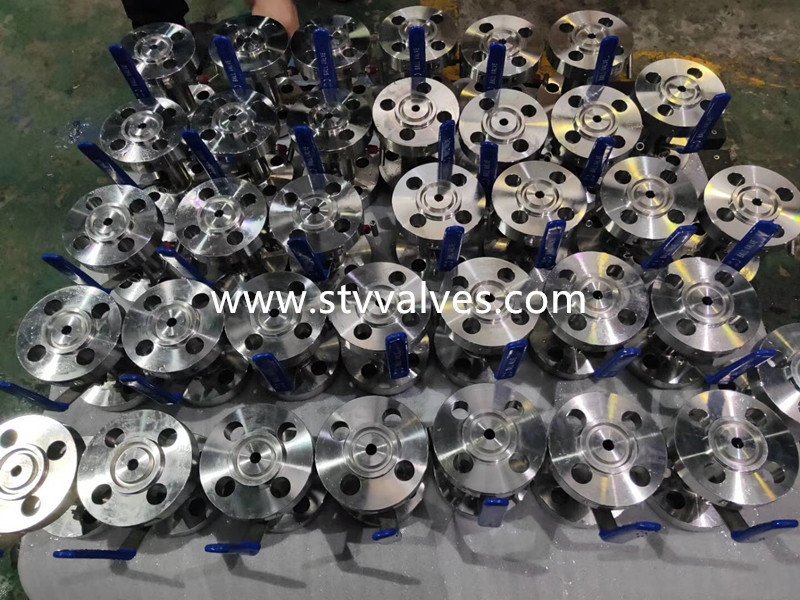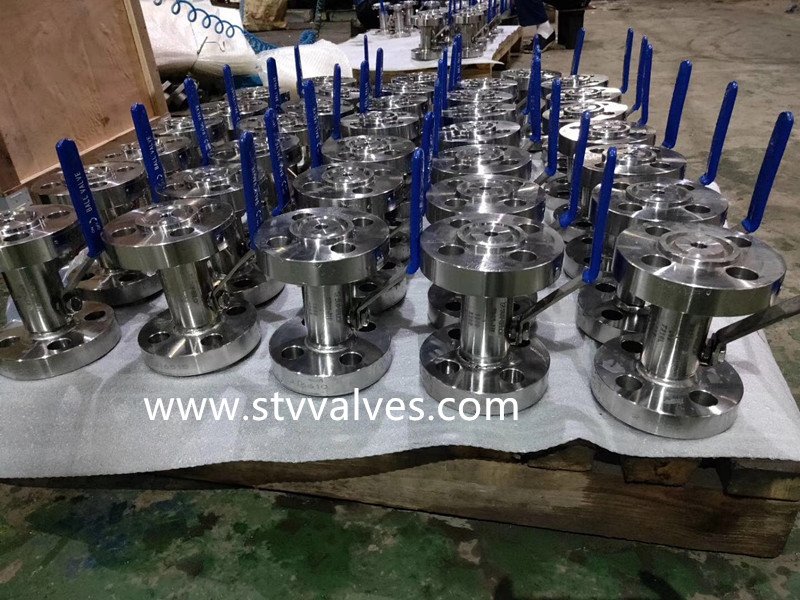

what is a forged ball valve

china forged ball valve supplier
A forged ball valve is a device that controls liquid or gas flow. It uses a strong metal body and a ball that turns. Forging makes the metal stronger and tougher than cast valves. This gives extra strength and durability. Many industries use forged ball valves for reliable performance. They work well under high pressure and extreme heat. They also handle harsh chemicals and tough conditions. Power plants use them for steam and hot water. Chemical plants use them for aggressive fluids. Oil and fuel systems trust them to stop leaks.
Key Takeaways
- Forged ball valves are much stronger than cast valves. They last longer and work well under high pressure. These valves are good for tough jobs like oil and gas.
- When you pick a forged ball valve, check the pressure rating. Also look at the temperature rating. Make sure the valve matches your system. The valve should be made from materials that do not rust.
- Find valves with a blow-out proof stem. A full port design is also important. These features make the valve safer and work better. They help in hard jobs.
- You need to take care of valves often. Check them for leaks. Clean the valves and add oil to moving parts. This keeps the valve working well.
- El C95800 2PC Ball Valve is a good choice for many uses. It works great with water, oil, gas, and liquids that can cause rust.
Forged Ball Valve Features

floating forge ball valve
Construcción
A forged ball valve is very strong. It is made by pressing metal with heavy machines. This makes the valve body hard and solid. The C95800 2PC Ball Valve has two main parts. You can take it apart to fix or change pieces. The full port design means the hole inside is as big as the pipe. This lets liquid or gas move easily with little blockage.
Here is a table that shows how forged ball valves and cast ball valves are different:
| Feature | Forged Ball Valves | Cast Ball Valves |
|---|---|---|
| Manufacturing Process | Uses forging machinery for plastic deformation | Produced by pouring molten metal into molds |
| Pressure Ratings | Generally high, up to 4500LB | Generally lower, up to 2500LB |
| Tamaño | Typically smaller, below DN50 | Typically larger, above DN50 |
| Structural Characteristics | More compact, limited to certain sizes | Can form complex shapes in one piece |
| Common Defects | Large grains, chill phenomenon, cracks | Trachoma, bubbles |
| Solicitud | Suitable for high-pressure applications | Suitable for larger diameter applications |
Forged ball valves usually have thicker walls. ANSI B16.34 gives rules for wall thickness. These rules depend on size, material, and pressure. This helps the valve work in tough places. The C95800 2PC Ball Valve follows API 608, API 607, and API 6D rules. You can use it for water, oil, gas, and even strong chemicals.
Materiales
It is important to know what metals are used in a forged ball valve. Makers pick strong metals that last a long time. The C95800 2PC Ball Valve uses metals like A105, F304, and F316. These metals do not wear out fast and do not rust easily. Here is a table that lists common metals and their strengths:
| Material | Tensile Strength (psi) | Yield Strength (psi) | Elongation (%) |
|---|---|---|---|
| ASTM A105 | 70,000 | 36,000 | 22 |
| ASTM A350 LF2 | 70,000-95,000 | 36,000 | 22 |
| ASTM A182 F304/F316 | N/A | N/A | N/A |
- ASTM A105 is carbon steel. It works for normal or hot pressure systems.
- ASTM A182 F304 and F316 are stainless steels. They are good for places with lots of rust.
- ASTM A350 LF2 is carbon steel for cold places. It is used for very cold jobs.
If you need a valve for strong chemicals, F316 stainless steel is best. A105 is good for less harsh jobs.
Design
The design of a forged ball valve keeps you safe and helps it work well. The C95800 2PC Ball Valve has a blow-out proof stem. This keeps the stem from popping out when pressure is high. The anti-static device stops static electricity from building up. This keeps you safe when using the valve. The fire-safe seal keeps the valve closed even if there is a fire.
Here is a table that lists important design features of the C95800 2PC Ball Valve:
| Feature | Descripción |
|---|---|
| Vástago a prueba de explosiones | The stem is designed to be retained under pressure, ensuring safety and reliability. |
| Dispositivo antiestático | Prevents static electricity build-up through constant contact between components, enhancing safety during operation. |
| Fire Safe – Metal to Metal | Ensures a seal is maintained even under fire conditions, minimizing leakage and protecting the valve’s integrity. |
| Roughness Control | Strict control of stem surface roughness enhances lubrication and minimizes leakage. |
| Low Emission Packing | Special packing design reduces friction and ensures a stable seal, suitable for various temperature conditions. |
You can pick different end connections like NPT, BSP, BSPT, and DIN259/2999. This makes it easy to put the valve in many pipe systems. The full port design gives you a high flow rate. The hole is as big as the pipe, so liquid or gas moves easily. This is better than reduced port designs.
Tip: When you pick a forged ball valve, look for a blow-out proof stem and full port design. These features help the valve work well in hard jobs.
Operación
How Forged Ball Valves Work
You control the flow of liquids or gases with a forged ball valve by turning a handle. When you turn the handle, the ball inside the valve rotates. The ball has a hole through its center. If you line up the hole with the pipe, fluid flows straight through. If you turn the ball so the hole faces away from the pipe, the flow stops. This simple action gives you quick and easy control.
The forged ball valve uses a strong body and a tight seal. You can open or close the valve with just a quarter turn. This fast action makes it easy to use in emergencies or when you need to stop flow quickly. The design also helps reduce leaks. You get a reliable shutoff every time you use the valve.
Floating Ball Mechanism
The floating ball mechanism is a key part of how the valve seals. The ball inside the valve is not fixed in place. It can move a little from side to side. This movement helps the ball press tightly against the seat, which is the part that forms the seal.
Here is how the floating ball mechanism works:
- The ball sits between two soft seats inside the valve.
- When you apply pressure, the ball moves slightly toward the downstream seat.
- This movement creates a tight seal, even if the pressure changes.
- The ball’s ability to move ensures that the valve shuts off completely, stopping leaks.
- You get a bubble-tight seal, which means no fluid escapes past the ball.
Note: The floating ball design helps the valve work well under different pressures. You can trust it to keep your system safe and leak-free.
Ventajas
Strength
Sometimes you need a valve for hard jobs. A forged ball valve is very strong. The forging process pushes metal into shape with lots of force. This makes the metal grains tighter and stronger. The valve can handle high pressure and heavy use.
Here is why forging helps make valves strong:
- Forging makes the metal grains close together. This gives a solid structure.
- The process gets rid of weak spots found in cast valves.
- You get more density, strength, and toughness.
- Forged valves work well in places with high pressure and heat.
- Cast valves can have holes or cracks, but forged valves do not.
You can see how strong these valves are by looking at their pressure ratings:
| Tipo de válvula | Pressure Rating (PSI) | Class |
|---|---|---|
| Forged Steel Socket Weld Ball | 1500/3600 | Class 1500 |
| Forged Steel Socket Weld Ball | 2500/6000 | Class 2500 |
A forged ball valve can handle much higher pressure than other types. This makes it a good choice for oil, gas, and chemical plants.
Durability
You want a valve that lasts a long time. Forged ball valves are very tough. The forging process makes the valve body strong and hard to break. You can use these valves in places with lots of shaking or sudden pressure changes.
Here are some reasons forged ball valves last longer:
- The tight grain structure from forging stops wear and tear.
- The valve can open and close many times without damage.
- You can use them in hot or cold places.
- The strong body keeps the inside parts safe.
Tip: If your system runs all day, every day, pick a forged ball valve. You will save time and money on repairs.
Corrosion Resistance
You need a valve that does not rust or get damaged by chemicals. Forged ball valves use special coatings and materials to stop corrosion. This keeps your system safe and working well.
Here are some common coatings and what they do:
| Coating Type | Características clave |
|---|---|
| Polyurethane Coatings | Shiny finish, good at stopping scratches, blocks UV, but may not stop chemicals. |
| Zinc-Rich Primers | Stops rust by acting as a shield, works well with topcoats. |
| Epoxy Coatings | Great at stopping chemicals and sticks well, works in hot and cold places. |
You can also find advanced coatings for even better protection:
- Chromium carbide is very hard and stops erosion and heat.
- Hard chrome makes a tough surface for clean fluids and gases.
- Ceramic coatings stop corrosion, but sometimes do not stick well.
Electroless nickel is another popular choice. This coating covers the valve evenly and gives a smooth finish. It works well when you need more corrosion resistance than hardness.
Note: If you need a forged ball valve for a tough place, ask about the coatings. The right coating can help your valve last much longer.
Aplicaciones

Industrial Use
Forged ball valves are used in many hard jobs. You can find them in oil and gas, chemical plants, water treatment, power plants, and factories. Each place needs something special from the valve. Some need to handle high pressure. Others need to fight rust or last a long time. The table below shows what each industry needs:
| Industrial Sector | Specific Requirements |
|---|---|
| Oil and Gas | Must handle high pressure and temperature; prevent leaks. |
| Chemical Processing | Resists corrosion; handles harsh chemicals. |
| Tratamiento de aguas | Controls water flow; durable in wet conditions. |
| Power Plants | Durable for steam and high pressure; safe flow control. |
| Manufacturing and Heavy Industry | Controls material flow; ensures smooth operation. |
Forged ball valves work well in steam and hot water pipes. They can take more heat and pressure than other valves. You can turn them off fast if there is a problem. The strong body does not rust or break from heat. This means you do not have to fix them often.
Tip: If you work in a power plant or chemical factory, pick a valve that seals tight and needs little care. This keeps your system safe and working well.
Commercial Use
Forged ball valves are also used in many businesses. They help control flow in paper mills, mines, oil and gas, petrochemicals, water plants, and drug factories. You want a valve that does not leak, seals well, and is easy to fix. The table below shows where they are used and what is important:
| Application Area | Performance Criteria |
|---|---|
| Pulp and Paper | Leak-free fluid control, durability, and reliability |
| Minería | High pressure and temperature ratings, robust sealing |
| Oil and Gas | Safety standards, material choice, and maintenance |
| Petrochemicals | Flow control efficiency and adherence to standards |
| Power Generation | Strength and lifespan under tough conditions |
| Tratamiento de aguas | Effective sealing and maintenance ease |
| Chemical Processing | Compatibility with chemicals and pressure ratings |
| Pharmaceuticals | Strict safety and performance standards |
El C95800 2PC Ball Valve from STV Valve Technology Group Co., Ltd is great for these jobs. It does not get damaged by saltwater, so it is good for seawater pipes. The valve does not wear out fast, even when water moves quickly. It also stops cracks from stress and keeps out things that grow in water. The copper in the valve helps stop germs and plants from growing inside.
Note: If you need a valve for hard jobs and many types of liquids, the C95800 2PC Ball Valve gives you the strength and trust you need.
Comparison
Forged vs. Cast Ball Valves
When you pick a valve, you should know the differences. Forged ball valves are stronger and more reliable. They can handle higher pressure and heat. Cast ball valves cost less money. But they might not last as long in hard jobs.
Here is a table that shows how much pressure and heat forged ball valves can take:
| Tipo de válvula | Pressure Rating (bar) | Temperature Rating (°F) |
|---|---|---|
| F91 | 203.1 | 1100 |
| F92 | 223.4 | 1112 |
| F91 | 152.1 | 1157 |
| F92 | 190.6 | 1157 |
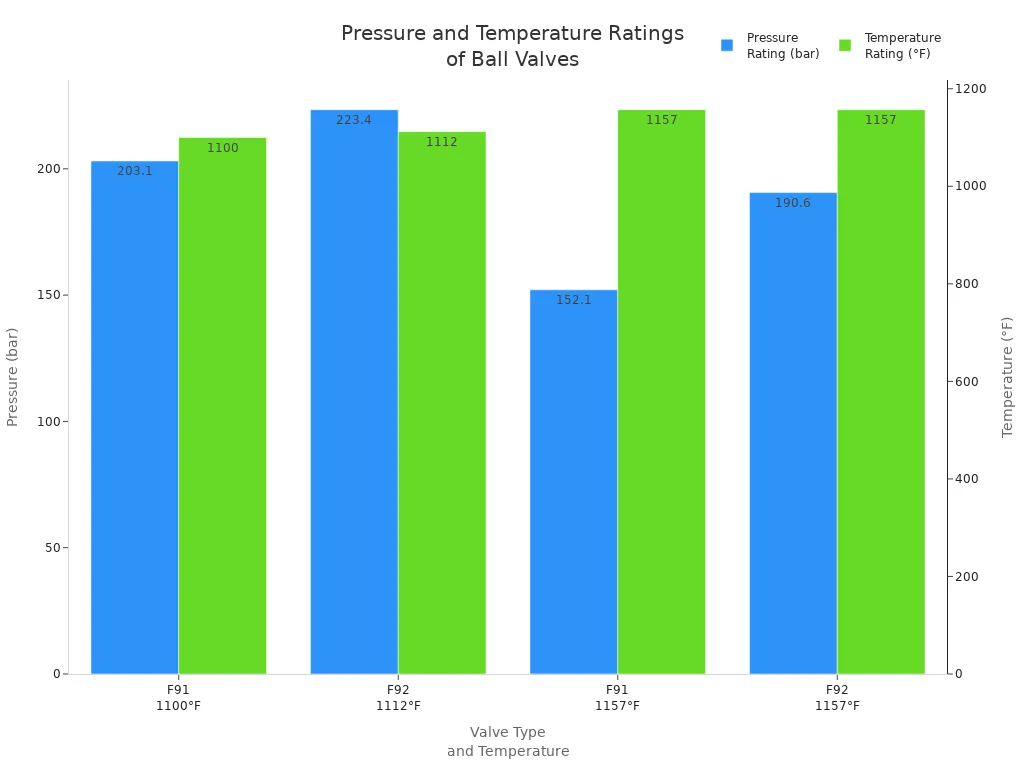
You also need to think about price. Forged ball valves cost more to make. They use more energy and work. Cast ball valves are cheaper because they are easier to make. If you need a valve for high pressure, forged is better. If you want to save money for an easy job, cast is fine.
| Tipo | Cost Factors | Long-term Considerations |
|---|---|---|
| Falsificado | More expensive due to labor intensity, energy requirements, and raw material costs. | Higher durability and performance in high-pressure applications. |
| Cast | Generally cheaper due to simpler production processes and lower energy needs. | Cost-effective for budget-sensitive projects. |
Tip: Use a forged ball valve for tough jobs with high pressure or heat. Pick a cast valve if you just need something simple and want to spend less.
Other Ball Valve Types
There are other ball valve types too. Some are trunnion-mounted or top-entry ball valves. These have special features. Top-entry forged trunnion ball valves are easy to fix. You do not have to take them out of the pipe. This saves time and keeps things working. The forged body does not crack easily, so you do not need to replace it often.
Here are some features of top-entry and side-entry ball valves:
| Feature | Válvula de bola de entrada superior | Side Entry Ball Valve |
|---|---|---|
| Maintenance Access | Easy in-line servicing | Requires full removal for service |
| Pressure Resistance | High due to monolithic body | Slightly less due to multiple joints |
| Cost | Higher upfront cost but lower long-term maintenance | Lower initial cost but potentially more costly over time |
- Top-entry valves are faster and safer to fix.
- They work well in places with high pressure, heat, or strong chemicals.
- You pay more at first, but you save money on repairs later.
Note: If you want easy fixing and strong valves, try top-entry forged ball valves. They help your system stay safe and work well.
Selection Tips
Sizing
When picking a forged ball valve, match it to your system. First, check the pressure and temperature ratings. Make sure the valve can handle your system’s needs. Look at your pipe size and pick a valve that fits. Check the end connections for a good fit with your pipes. Choose the right material, especially for chemicals or saltwater. Pick a valve that resists corrosion so it lasts longer. Always see if the valve meets safety and quality rules. Think about how often you will use the valve and if it is easy to fix.
| Factor | Descripción |
|---|---|
| Pressure and Temperature Ratings | Make sure the valve matches your system’s pressure and temperature. |
| Valve Size and End Connections | Choose the right size and connection type for your pipes. |
| Material Selection | Pick materials that last and resist corrosion. |
| Corrosion Resistance | Use corrosion-resistant valves for harsh environments. |
| Compliance with Industry Standards | Check for safety and quality certifications. |
| Operational Requirements | Think about how often you will use the valve. |
| Maintenance and Support | Make sure you can get spare parts and service. |
Especificaciones
Check important details before you buy a valve. Use this simple checklist to help you:
- Check the pressure class and temperature rating.
- Match the valve material to your fluid and corrosion needs.
- Pick a design that fits your size and pressure needs.
- Choose the right seat material for your job.
- Pick the end connection that fits your pipes.
- Decide on port size for the best flow.
- Plan for manual or automatic use.
- Make sure the valve meets all standards.
- Collect all needed papers for your records.
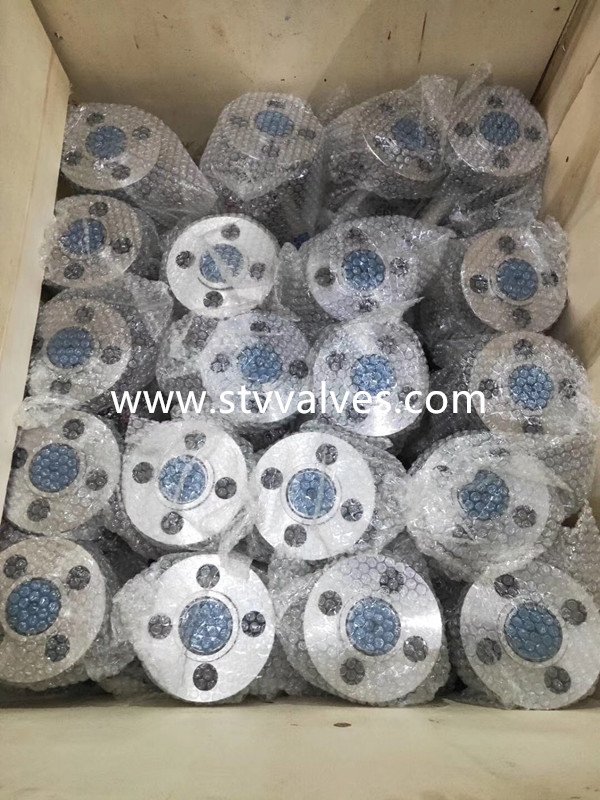
Tip: STV Valve Technology Group Co., Ltd has many forged ball valves. You can buy one or many. The company ships everywhere and packs each valve safely for export.
Quality Standards
Always check if your valve meets top quality rules. This keeps your system safe and working well. Many trusted groups set these rules. Here are some you might see:
| Standard Organization | Relevant Standards |
|---|---|
| ANSI | Valve Creation & Repairs |
| API | API 598, API 527, API 6D |
| ISO | ISO 5208, ISO 5211 |
| BS | BS 5351 |
| MSS | MSS SP61, MSS SP25, MSS SP72 |
| NACE | NACE MR 01-5 |
Look for these marks when you pick a forged ball valve. They show the valve passed tough tests and will work well in your system.
A forged ball valve is very strong. It stops leaks in hard jobs. You get good quality and safety. Many people pick this valve for these reasons:
| Reason | Benefit |
|---|---|
| Superior Quality | Follows strict safety rules |
| Durability | Works longer in tough places |
| High Pressure Ready | Handles high pressure and heat |
Forged ball valves work great when pressure is high. They help keep your system safe and working well.
You can choose the C95800 2PC Ball Valve for your project. It gives you performance you can trust.
Preguntas más frecuentes
What makes a forged ball valve different from a cast ball valve?
You get more strength and durability with a forged ball valve. The forging process packs the metal tightly. Cast ball valves use melted metal poured into molds. Forged valves work better in high-pressure and tough environments.
Can you use a forged ball valve for corrosive liquids?
Yes, you can use forged ball valves for corrosive liquids. Choose valves made from stainless steel or special alloys. These materials resist rust and chemical damage. Always check the material before you install the valve.
How do you maintain a forged ball valve?
You should inspect the valve regularly. Clean the outside and check for leaks. Lubricate moving parts if needed. Replace worn seals or seats. Follow the manufacturer’s instructions for best results.
What end connections can you choose for forged ball valves?
You can pick from NPT, BSP, BSPT, or DIN259/2999 end connections. These options help you match the valve to your piping system. Always check your pipe type before you order.
Why should you choose the C95800 2PC Ball Valve from STV Valve Technology Group Co., Ltd?
You get a strong, reliable valve that meets API standards. The two-piece design makes maintenance easy. The valve works with water, oil, gas, and corrosive liquids. You can trust its performance in tough jobs.