

Sight Glass: Purpose and Maintenance Guide
El propósito de un svidrio claro es permitir que los gerentes e ingenieros de planta miren el interior de sus sistemas sin alterar el entorno interno. A menudo denominadas gafas de visualización, le ofrecen una manera de ver los niveles de líquidos o gases que viajan a través de un punto crítico de su diseño, monitorear los cambios de presión y prácticamente cualquier otra cosa que las ventanas de mirilla puedan permitirle hacer. Con su uso generalizado, las mirillas se han vuelto fundamentales para operaciones como tuberías de vapor, procesamiento químico, procesamiento farmacéutico y procesamiento de alimentos.
La tubería Vista Es uno de los principales accesorios del dispositivo de tubería industrial. Puede observar la reacción del flujo de gas, líquido, vapor y otros medios en la tubería en cualquier momento, monitorear la producción y evitar accidentes en el proceso de producción. A menudo se utiliza en tuberías de producción química, de fibras químicas, petroleras, farmacéuticas y de otro tipo.
Reparación y mantenimiento de espejo de tubería.
- La mirilla se utiliza para observar el flujo de gas, líquido, vapor y otros equipos de reacción de medios; el vidrio de su ventana debe mantenerse limpio y sin polvo;
- La mirilla del espejo pertenece a la pieza dañada adecuada, que debe manipularse con cuidado al instalar el espejo;
- There are some limitations in the temperature and pressure resistance of Sight Glass.
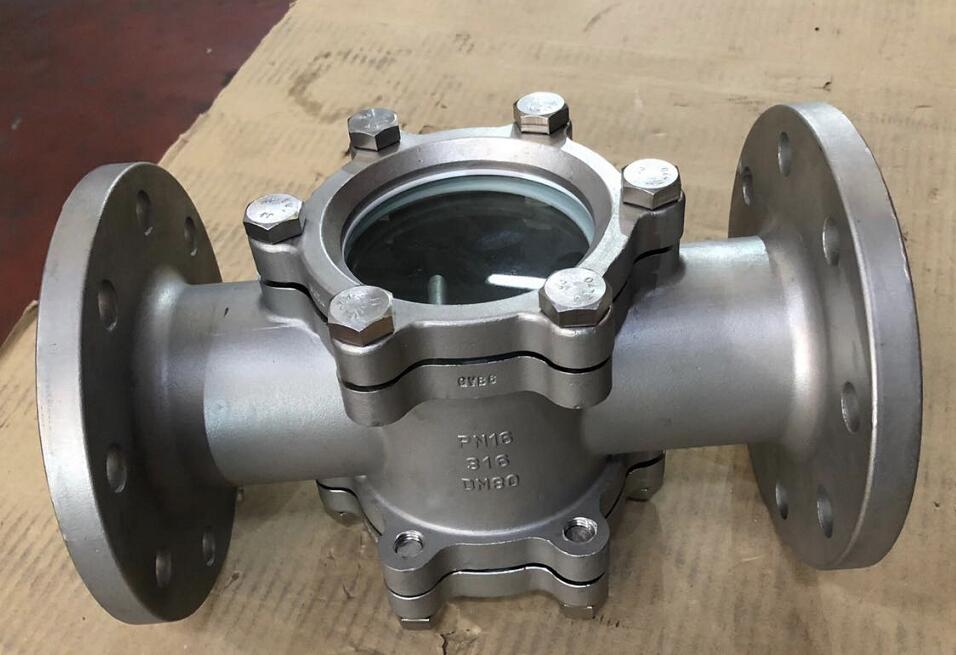
china stainless steel sight glass manufacture
Introducción
A Vista is a transparent window installed in tanks, pipelines, and industrial equipment to allow visual monitoring of fluid levels, flow, and process conditions. Commonly used in chemical plants, oil refineries, power generation, and food processing, sight glasses ensure safe and efficient operations.
In this blog, we’ll cover:
✔ Key Purposes of a Sight Glass
✔ Types of Sight Glasses
✔ Maintenance Best Practices
Purpose of a Sight Glass
1. Visual Process Monitoring
Allows operators to check liquid levels, flow rates, and fluid clarity without opening the system.
Essential for boilers, reactors, and storage tanks.
2. Safety & Leak Detection
Helps detect contamination, phase separation, or gas bubbles in pipelines.
Prevents overfilling or dry-running of pumps.
3. Quality Control in Sanitary Industries
Used in pharmaceutical, food, and beverage industries to ensure hygienic conditions.
Complies with FDA, EHEDG, and 3-A standards.
4. Pressure & Temperature Indication
Some sight glasses include pressure-resistant glass (borosilicate) for high-P/T applications.
Types of Sight Glasses
| Tipo | Solicitud |
|---|---|
| Flanged Sight Glass | High-pressure systems (steam, chemicals) |
| Tubular Sight Glass | Liquid level indication in tanks |
| Reflex Sight Glass | Distinguishes liquid/gas phases (e.g., fuel tanks) |
| Illuminated Sight Glass | Low-light environments (pharma, labs) |
| Circular Window Sight Glass | Small inspection points (pumps, filters) |
Sight Glass Maintenance Instructions
Proper maintenance ensures longevity, safety, and accuracy. Follow these steps:
1. Regular Inspection
Check for cracks, cloudiness, or leaks around the seal.
Replace damaged glass immediately to prevent ruptures.
2. Cleaning Procedures
Use non-abrasive cleaners (isopropyl alcohol for grease, mild detergent for general cleaning).
Avoid scratching the glass—use soft cloths or sponges.
Para sanitary industries, follow CIP (Clean-in-Place) protocols.
3. Seal & Gasket Maintenance
Inspect O-rings, gaskets, and sealing surfaces for wear.
Replace if hardened, cracked, or deformed.
Use compatible materials (EPDM, Viton, PTFE) for chemical resistance.
4. Pressure & Temperature Checks
Ensure the sight glass is rated for the system’s max P/T.
Avoid thermal shock—gradually heat/cool the system.
5. Preventing Condensation & Fogging
Use heated sight glasses or anti-fog coatings in humid environments.
6. Safe Handling During Replacement
Isolate the system and depressurize before removal.
Use protective gloves and goggles when handling broken glass.
When to Replace a Sight Glass?
Visible cracks or chips
Persistent leaks (even after seal replacement)
Discoloration or cloudiness obstructing visibility
Failed pressure tests
Conclusión
A Vista is a simple yet vital component for process monitoring, safety, and efficiency. Proper inspection, cleaning, and seal maintenance can extend its lifespan and prevent failures.
Need help selecting or maintaining a sight glass? Consult an expert to ensure optimal performance in your application!