
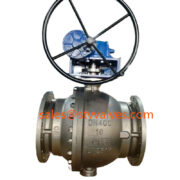
Soft Seat vs. Metal Seat Ball Valves: The Ultimate Showdown
In the world of industrial valves, the humble ball valve is a superstar. Its simple quarter-turn operation makes it incredibly reliable for starting and stopping flow. But not all ball valves are created equal. One of the most critical decisions an engineer or maintenance technician faces is choosing between a soft seat and a metal seat ball valve.
This choice isn’t just about material; it’s about performance, longevity, and safety. Getting it wrong can lead to leaks, premature failure, and costly downtime.
So, how do you decide? Let’s break down the pros and cons of each to help you make the right choice for your application.
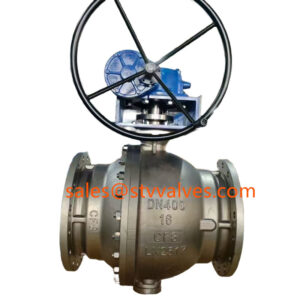
China Metal Seat Ball Valve,CF8 Metal Seat Ball Valve,PN16 Metal Seat Ball Valve, DN400 Metal Seat Ball Valve,PN16 Metal Seat Ball Valve,Flange End Metal Seat Ball Valve, Worm Gear Box Metal Seat Ball Valve Manufacturer
The Core Difference in a Nutshell
Before we dive in, let’s understand the fundamental difference:
- Soft Seat Ball Valves use non-metallic, resilient materials like PTFE (Teflon), RPTFE, Nylon, or PEEK for the sealing seats. They are designed to create a near-perfect, bubble-tight seal against the ball.
- Metal Seat Ball Valves use hardened metals like Stainless Steel, Stellite, or Chrome Carbide for both the ball and the seats. They rely on a precision metal-to-metal seal to stop flow.
Think of it like this: a soft seat is like a rubber gasket in your car’s door—perfect for keeping water out under normal conditions. A metal seat is like the engine block itself—built to withstand extreme heat, pressure, and abrasion.
Pros and Cons of Soft Seat Ball Valves
Soft seat valves are the most common type you’ll encounter. They are the go-to choice for a wide range of general applications.
✅ The Pros (Advantages)
- Excellent Sealing (Bubble-Tight Shutoff): This is their number one advantage. The resilient soft material deforms slightly to create a perfect seal against the ball, preventing virtually any leakage. This is crucial for applications involving expensive fluids, hazardous materials, or where even a tiny leak is unacceptable.
- Lower Operating Torque: Because the soft material has a lower coefficient of friction, it requires less force to turn the valve. This means you can use smaller, less expensive actuators (electric or pneumatic) or even operate them manually with ease.
- Cost-Effective: Soft seat materials like PTFE are significantly cheaper than hardened metals like Stellite. This makes soft seat ball valves a more budget-friendly option upfront.
- Good Chemical Resistance: Materials like PTFE and PEEK are highly inert and resistant to a vast array of corrosive chemicals, making them ideal for chemical processing, water treatment, and pharmaceutical applications.
❌ The Cons (Disadvantages)
- Limited Temperature Range: This is their biggest limitation. Soft materials begin to degrade, lose their elasticity, and can even melt at high temperatures. Typically, they are limited to a maximum of around 200°C (400°F), with PEEK offering a higher range.
- Poor Abrasion Resistance: Soft seats are easily damaged by fluids containing solid particles, slurries, or debris. The particles can embed in the soft seat, scoring the ball and ruining the seal. They are not suitable for “dirty” services.
- Not Suitable for High Pressure: While they handle standard pressures well, the soft seats can be extruded or deformed under very high pressure, leading to seal failure.
- Potential for Cold Flow: Under constant high pressure, some soft materials (like PTFE) can slowly deform or “flow” over time, which can compromise the seal long-term.
Pros and Cons of Metal Seat Ball Valves
Metal seat valves are the heavy-duty workhorses of the valve world. They are built for the toughest, most demanding environments where soft seats simply wouldn’t survive.
✅ The Pros (Advantages)
- Extreme Temperature Resistance: Metal seats can handle temperatures that would destroy soft materials, from cryogenic lows (e.g., liquid nitrogen) to extreme highs exceeding 800°C (1500°F). They are essential for refineries, power plants, and high-temperature steam systems.
- Exceptional Durability & Wear Resistance: The hardened metal surfaces are incredibly resistant to abrasion, erosion, and galling. This makes them the perfect choice for services with slurries, sand, catalysts, or other abrasive media.
- High-Pressure Capability: Metal-to-metal seals can withstand immense pressures without deforming, making them suitable for high-pressure oil and gas, hydraulic, and extraction applications.
- Long Service Life in Harsh Conditions: While the initial cost is higher, a metal seat valve’s ability to withstand abuse means it often has a much longer service life in demanding applications, reducing the frequency of replacement and maintenance.
❌ The Cons (Disadvantages)
- Higher Initial Cost: The materials (Stellite, Chrome Carbide) and the precision machining required make metal seat valves significantly more expensive than their soft-seated counterparts.
- Higher Operating Torque: Metal-on-metal contact creates much more friction. This requires larger, more powerful, and more expensive actuators to operate the valve, adding to the overall system cost.
- Not Always Bubble-Tight: While modern manufacturing has improved this, a metal-to-metal seal may not always achieve the same “bubble-tight” shutoff as a soft seat, especially at lower pressures. They are designed for “leak-tight” service according to industry standards (like API 6D), which allows for a minimal, acceptable leakage rate.
- Potential for Galling: If the ball and seat are made of similar materials, there’s a risk of galling (a form of adhesive wear where material is transferred from one surface to another). This is mitigated by using dissimilar, hardened materials.
The Hybrid Solution: Fire-Safe Valves
It’s worth noting a popular hybrid option: Fire-Safe Ball Valves. These valves feature a primary soft seat for bubble-tight shutoff during normal operation. However, they also have a secondary metal-to-metal seal. In the event of a fire, the soft seat burns away, and the ball shifts to create a metal-to-metal seal with the body, preventing catastrophic leakage. This offers the best of both worlds and is a standard requirement in many oil, gas, and petrochemical applications.
Conclusion: Which Valve is Right for You?
The choice between a soft seat and a metal seat ball valve boils down to your specific service conditions.
| Choose a Soft Seat Ball Valve If… | Choose a Metal Seat Ball Valve If… |
|---|---|
| ✅ You need a bubble-tight, zero-leakage seal. | ✅ Your application involves extreme temperatures (high or low). |
| ✅ Your fluid is clean (no solids or abrasives). | ✅ Your media contains abrasives, slurries, or solids. |
| ✅ You are working within a moderate temperature range. | ✅ You are operating at very high pressures. |
| ✅ Cost is a primary driver. | ✅ Long-term durability and safety in harsh conditions are paramount. |
| ✅ You need low operating torque for manual or small actuators. | ✅ You are in an industry like oil & gas, refining, or power generation. |
By carefully evaluating your application’s temperature, pressure, media cleanliness, and required seal integrity, you can confidently select the valve that will deliver reliable, safe, and cost-effective performance for years to come.