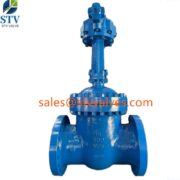
Gate Valve Components: A Detailed Guide
Gate Valve Components: A Detailed Guide
Absperrschieber are essential flow control devices widely used in industrial settings to completely restrict or allow flow. Unlike regulating valves, gate valves are designed for full open or full closed positions, making them ideal for isolation applications. Understanding the components of a gate valve is crucial for proper selection, maintenance, and troubleshooting. This comprehensive guide explores the primary gate valve components, their functions, and how they work together to ensure reliable performance in demanding industrial environments.
What is a Gate Valve?
A Absperrschieber controls fluid flow by raising or lowering an obturator (gate) perpendicular to the flow path. When fully open, the gate is completely removed from the flow path, creating minimal pressure drop and unrestricted flow. When closed, the gate forms a tight seal against the valve seats, effectively blocking flow. Gate valves are primarily used as isolation valves rather than for flow regulation.

Cross-sectional view of a typical gate valve showing major components
Key Point: Gate valves are designed for on/off service and should not be used for throttling or flow regulation, as this can cause damage to the valve components.
Primary Gate Valve Components
Gate valves consist of several critical components that work together to provide reliable flow control. Each component serves a specific function and is designed to withstand the operating conditions of the application.
Körper
The valve body is the main pressure-retaining component that houses the internal parts and provides the flow passage. It connects to the piping system and must withstand system pressure and temperature.
Function: Contains internal components and provides the main flow passage.
Common Materials: Cast carbon steel, stainless steel, bronze, ductile iron
Connection Types: Threaded, flanged, butt weld, compression fitting, and tube fitting
Motorhaube
The bonnet is another pressure-retaining component that encloses and protects the stem and wedge. It connects to the body and provides access for maintenance of internal components.
Function: Provides access to internal components and houses the stem.
Common Types:
- Screwed Bonnet: Simple design for small, low-pressure applications
- Union Bonnet: Uses a union nut for better sealing and easier disassembly
- Bolted Bonnet: Robust design for larger valves and higher pressures
- Welded Bonnet: Lightweight design where disassembly isn’t required
- Pressure Seal Bonnet: For high-pressure applications (>1,500 psi)
Gate (Disc)
The gate, also called a disc or obturator, is the moving component that either blocks or allows flow through the valve. Its design significantly impacts valve performance and sealing capability.

Common gate designs: solid wedge (left), flexible wedge (center), and parallel slide (right)
Types of Gates:
Wedge Gate
A common design with a wedge-shaped disc that sits between two inclined seats. Ideal for applications with high flow or turbulence.
Vorteile: Minimal frictional seat wear, good for high-temperature applications
Slab Gate
A single-piece gate with a bore-size hole that aligns with the pipe bore when open, providing smooth, turbulence-free flow.
Vorteile: Minimal pressure loss, ideal for systems requiring straight-line flow
Parallel Slide Gate
Features internal springs between two discs that help maintain contact with seat rings, preventing issues from thermal expansion.
Vorteile: Excellent for high-pressure and high-temperature applications
Need Help Selecting the Right Gate Type?
Different applications require specific gate designs. Our valve experts can help you determine the optimal gate type for your specific operating conditions.
Stengel
The stem transfers motion from the actuator to the gate, allowing the valve to open or close. The stem design affects valve operation, maintenance requirements, and suitability for different applications.
Rising stem (left) and non-rising stem (right) designs
Stem Types:
- Rising Stem: Connects directly to the gate and rises when opening the valve. Provides visual indication of valve position but requires more vertical space.
- Non-Rising Stem: The disc threads internally to the stem, moving up and down while the stem rotates in place. Ideal for limited space applications but offers no visual position indication.
Function: Transfers motion to the gate
Common Materials: Stainless steel, bronze, alloy steel
Sitz
The seat provides the sealing surface for the gate. Gate valves typically have two seats that interface with the gate to ensure effective sealing when the valve is closed.
Integral seat (left) and seat ring construction (right)
Seat Types:
- Integral Seats: Part of the valve body, made of the same material
- Seat Ring Construction: Separate rings threaded or pressed into position, allowing for material variation
Function: Provides sealing surface for the gate
Common Materials: Same as body material, or specialized alloys for corrosive applications
Additional Gate Valve Components
Packing and Gland
The packing seals the stem where it passes through the bonnet, preventing leakage. The gland compresses the packing to ensure a tight seal.
Common Materials: Graphite, PTFE, composite materials
Handwheel/Actuator
The handwheel or actuator provides the means to operate the valve. Manual valves use handwheels, while automated valves may use pneumatic, electric, or hydraulic actuators.
Types: Manual handwheel, electric actuator, pneumatic actuator, hydraulic actuator
Joch
The yoke connects the bonnet to the actuator or handwheel and supports the stem. It’s an essential structural component in rising stem gate valves.
Function: Supports the stem and connects the operating mechanism to the valve
Gate Valve Assembly
The assembly of a gate valve involves the integration of all components to create a functional unit. Understanding how these components work together is essential for proper valve selection, installation, and maintenance.

Exploded view of a typical gate valve assembly
Actuation Methods
- Manual Actuation: Uses a handwheel linked to the stem. Most economical but requires on-site operation.
- Pneumatic Actuation: Uses compressed air to operate the valve, allowing for remote operation.
- Electric Actuation: Uses an electric motor to operate the valve, ideal for remote or automated systems.
Installation Tip: When installing a gate valve, ensure proper alignment with the pipeline to prevent undue stress on the valve body and connections. Support large valves adequately to reduce load on the pipe assembly.
Common Problems with Gate Valve Components
Gate valves may encounter various issues during operation. Understanding these common problems can help with troubleshooting and preventive maintenance.
Stem and Threading Issues
- Corrosion of exposed stem threads in rising stem designs
- Debris accumulation in stem threading causing difficult operation
- Wear in stem nuts leading to imprecise gate positioning
Corroded valve stem with damaged threading
Sealing and Leakage Problems
- Leakage from the flange joint due to improper installation
- Packing deterioration causing stem leakage
- Seat damage from debris or improper use (throttling)
- Thermal binding of solid wedge gates in high-temperature applications
Common leakage points in gate valves
Experiencing Valve Issues?
Our valve experts can help diagnose and resolve gate valve problems. We offer comprehensive valve inspection, maintenance, and repair services.
Maintenance Tips for Gate Valve Components
Proper maintenance of gate valve components is essential for ensuring long-term reliability and performance. Here are some key maintenance practices:

Regular maintenance extends valve service life and prevents failures
- Regular Inspection: Periodically check for signs of leakage, corrosion, or damage to valve components.
- Stem Lubrication: Keep the stem threads properly lubricated to ensure smooth operation and prevent wear.
- Packing Adjustment: Periodically check and adjust the packing gland to maintain a proper seal without excessive friction.
- Exercising Valves: Operate valves that are normally in one position (open or closed) periodically to prevent seizing.
- Cleaning: Remove debris and deposits that could affect valve operation or cause damage to components.
“Proper maintenance of gate valve components not only extends service life but also prevents costly downtime and safety incidents in industrial operations.”
Abschluss
Understanding gate valve components is essential for proper selection, installation, operation, and maintenance. Each component plays a critical role in the valve’s overall performance and reliability. From the body and bonnet that contain pressure to the gate and seats that control flow, all parts must work together seamlessly to provide effective service.
When selecting gate valves for your application, consider the specific requirements for pressure, temperature, media compatibility, and operational needs. Regular inspection and maintenance of valve components will help ensure long-term reliability and prevent costly failures.