Is the 2PC Ball Valve Flanged End With Direct Mounting Pad Right for Your Industrial Application

China 2PC Flanged Ball Valve,stainless steel ball valve,2 piece flanged floating ball valve,Ball Valve Direct Mounting Pad, Direct Mounting Flanged End Ball Valve,Flanged Ball Valve,Direct Mounting Pad Ball Valve Manufacture
The 2pc ball valve flanged end with direct mounting pad is often a good choice for many factories. Engineers look at many things when picking a valve. They check if it fits the system, what kind of fluid it will handle, how much pressure it can take, the temperature it can handle, if it can be automated, and if it meets rules like API 607 and ISO 9001.
- System needs include looking at the valve, checking its size, making sure the material is right, and testing the pressure.
- Industry rules want the valve to be made of stainless steel, to shut off tightly, and to have proof it is safe and good quality.
Knowing the good and bad points helps workers pick the best 2pc ball valve for their job.
Key Takeaways
- The 2PC ball valve with flanged end and direct mounting pad has a strong seal. It is easy to install. It can be used with machines for faster work in factories.
- Its stainless steel body and strong seals make it last long. It is safe to use. It works well with tough liquids and high pressure.
- This valve saves energy. It lets fluids move fast with little pressure loss. This helps lower costs and stops long breaks in work.
- Checking the valve often and picking the right materials helps it last longer. This also stops leaks and keeps systems safe and working well.
- Picking the right valve size, materials, and certifications is important. This helps the valve fit your system and work better.
2PC Ball Valve Overview
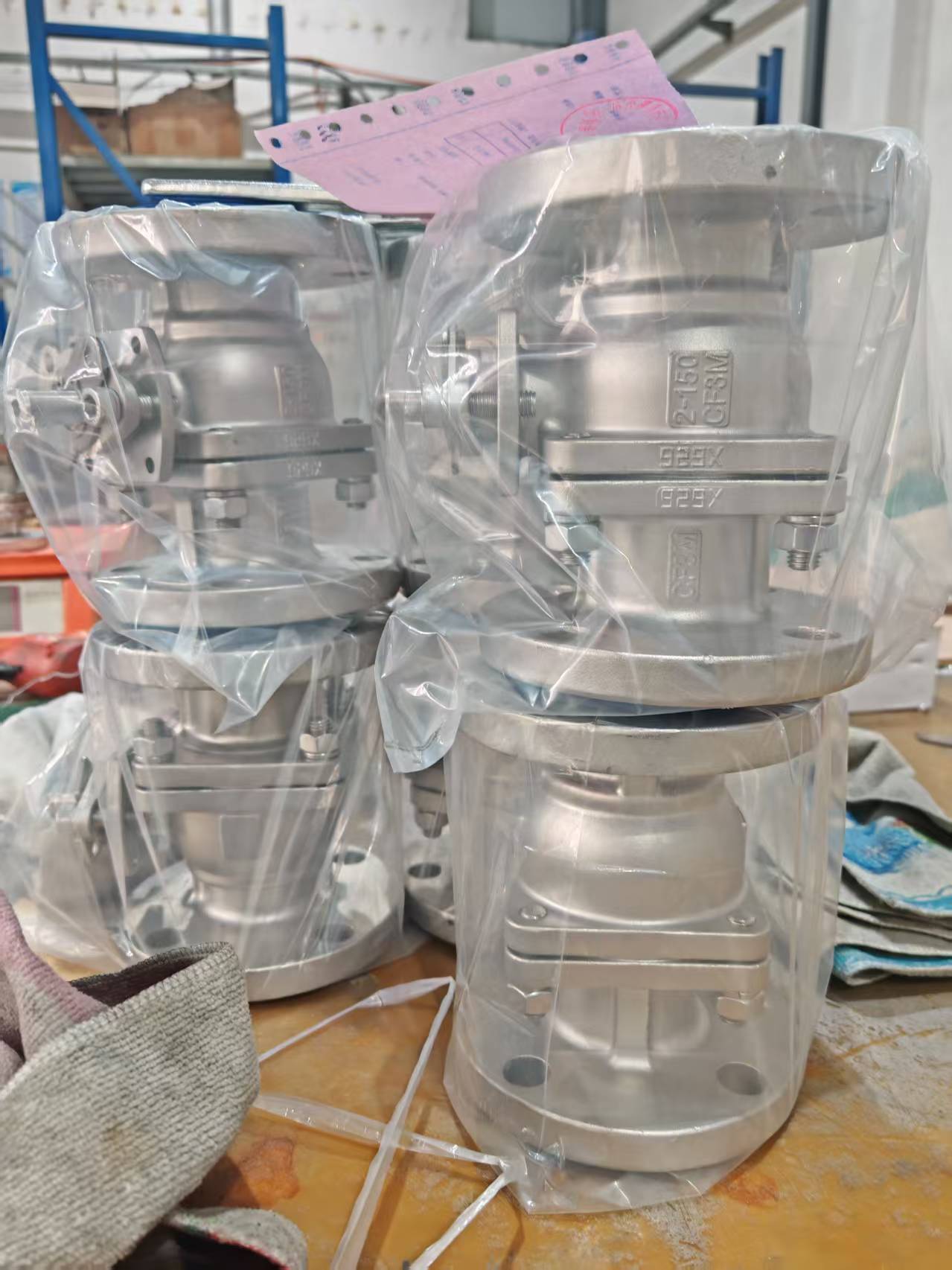
2PC Ball Valve Overview
Design and Construction
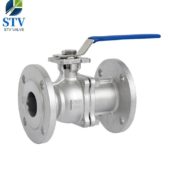
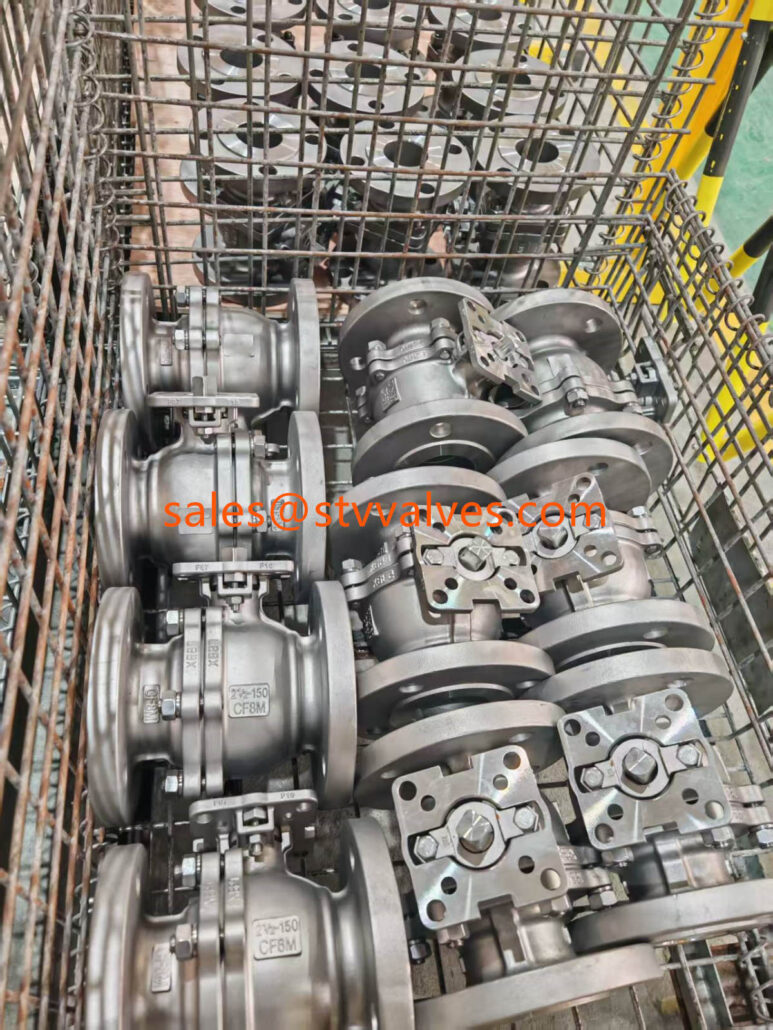
The 2pc ball valve is strong and lasts a long time. It is made with stainless steel 304, which does not rust easily. The valve has two main parts joined by bolts or threads. This makes it simple to put together and fix. The flanged end helps stop leaks and makes it easy to install. The direct mounting pad follows ISO 5211 rules and lets you add an actuator for automation. The full bore inside lets fluid move fast and keeps pressure low. The blowout-proof stem, reinforced PTFE seat, and graphite seal help the valve work well and stay safe. There are also double O-rings, Belleville washers, and an antistatic device to make it even better. The valve meets API, ASME, and ISO rules, so it works for tough jobs. STV Valve Technology Group Co., Ltd makes this valve in sizes from DN15 to DN200. It can handle pressure up to 150LB and works in temperatures from -20°C to 180°C.
Principales caractéristiques
| Feature | Description |
|---|---|
| Passage complet | Lets fluid move easily and quickly |
| Flanged End | Makes sure the valve does not leak |
| Direct Mounting Pad (ISO 5211) | Lets you add an actuator for automation |
| Reinforced PTFE Seat | Stays strong against chemicals and lasts long |
| Graphite Seal | Helps keep the valve safe in fires and high heat |
| Blowout-Proof Stem | Stops the stem from popping out under pressure |
| Antistatic Design | Lowers static electricity for safer use |
| Double O-Ring Stem Sealing | Helps stop leaks and makes the valve more reliable |
| Belleville Washers | Keeps the packing tight and steady |
| Compliance | Follows API, ASME, and ISO rules |
These features help the 2pc ball valve work well and last a long time in factories.
Typical Applications
- Oil and gas plants
- Chemical and petrochemical factories
- Water cleaning plants
- Food and medicine factories
- Power plants and city systems
- Mining and paper factories
The 2pc ball valve can control many fluids like water, oil, natural gas, acids, and other harsh liquids. Its strong build and good sealing make it a top pick for jobs that need safety, strength, and steady work.
Ball Valve Pros and Cons
Advantages of 2PC Ball Valve
Engineers pick the 2PC ball valve for many reasons. It can shut off flow very fast, which helps control fluids right away. The full bore lets liquids move easily, so there is less pressure loss. This saves energy and helps lower bills. The stainless steel body does not rust, so it works well in tough places like oil rigs and chemical plants.
Le direct mounting pad lets workers add actuators easily. This makes automation simple and helps factories work better.
The valve seals tightly, so leaks are rare. Fire-safe and antistatic features help keep people and machines safe. The blowout-proof stem and double O-ring stem sealing make it even safer. The valve follows strict rules like API and ASME, so it fits many jobs.
- It is easy to install, so setup is quick.
- The strong seal stops leaks and lasts a long time.
- You can use automation to control it from far away.
- Fire safety helps stop accidents.
- It does not rust, so it lasts longer.
- It meets world standards for safety and quality.
- It is simple to fix, so repairs cost less.
The 2PC ball valve is very tough. It has fewer moving parts, so it breaks less often. The strong build means you do not need to replace it often. Over time, companies spend less on repairs and have fewer problems, even in hard places.
Disadvantages of 2PC Ball Valve
The 2PC ball valve is not perfect for every job. It may not work with all fluids or pressures. Big sizes and flanged ends need more space and make the system heavier. It costs more at first than some other valves, but it lasts longer and needs less fixing.
In some places, fixing the valve can be harder if it works in very tough conditions. High heat, rough liquids, or heavy use mean you must check it more often.
- It is big and heavy, so it may not fit small spaces.
- It costs more at the start than simple valves.
- Hard jobs may need more care and checking.
- It does not work for every fluid or pressure.
Even with these issues, the 2PC ball valve is still a top pick for many factories. It is easy to fix and works well, so companies avoid leaks and long stops. Its strong build and fire-safe parts make it a safe and smart choice for important jobs.
Advantages and Disadvantages of Ball Valves
Industrial Benefits
Ball valves have many good points for factories. They let fluids move fast and keep pressure steady. This helps machines work well and not break down. The table below shows the main benefits and how they help factories work better:
| Benefit | Description | Impact on Operational Efficiency |
|---|---|---|
| Minimal Pressure Loss | Full port design matches pipeline diameter | Keeps pressure steady and makes the system more reliable |
| High Flow Rate | Unblocked path lets fluid move quickly | Helps move more fluid in busy systems |
| Reduced Wear and Tear | Less shaking and hitting inside the valve | Makes the valve last longer and saves money on repairs |
| High Pressure Tolerance | Strong parts can handle high pressure safely | Makes the system safer and more reliable |
| Reliable Shut-off | Big opening lets the valve close fast without big pressure changes | Stops leaks and keeps pipes safe |
| Low Operating Torque | Ball shape lowers rubbing inside the valve | Saves energy and helps the actuator last longer |
| Cost Effectiveness | Tough build means you spend less over time | Less downtime and fewer replacements |
| Superior Corrosion Resistance | Stainless steel does not rust or corrode | Less fixing needed and keeps the system safe |
| Versatility | Works with many fluids and jobs | You do not need lots of different valves |
Ball valves last a long time. They work well even in tough places with high pressure, heat, or strong chemicals. Their simple shape means fewer parts break, so workers do not need to fix them often.
Potential Limitations
Ball valves have some problems too. People should think about the good and bad sides before using them for important jobs. Some issues can make the system less safe or break rules.
- Pressure ratings go down when it gets hot. Metal gets weaker as it heats up, so the valve cannot handle as much pressure.
- Seat materials can crack or get hard if it is too hot. This can make the valve leak.
- Picking the right materials for the ball and stem is important. If you choose wrong, the valve can rust or break.
- High heat can make parts get bigger. This can make the valve not seal right or work well.
- High pressure can make the valve harder to open and close. This can wear it out faster.
- You still need to check and fix the valve sometimes. Even though it needs less fixing, regular checks stop leaks and help keep things safe.
Workers should always check if the valve’s pressure and temperature ratings fit the job. Picking the right materials and checking the valve often helps stop leaks and keeps everyone safe.
Ball valves must follow strict rules like ANSI and ISO. These rules help keep the system safe and make the valve last longer in factories.
Comparison With Other Ball Valves
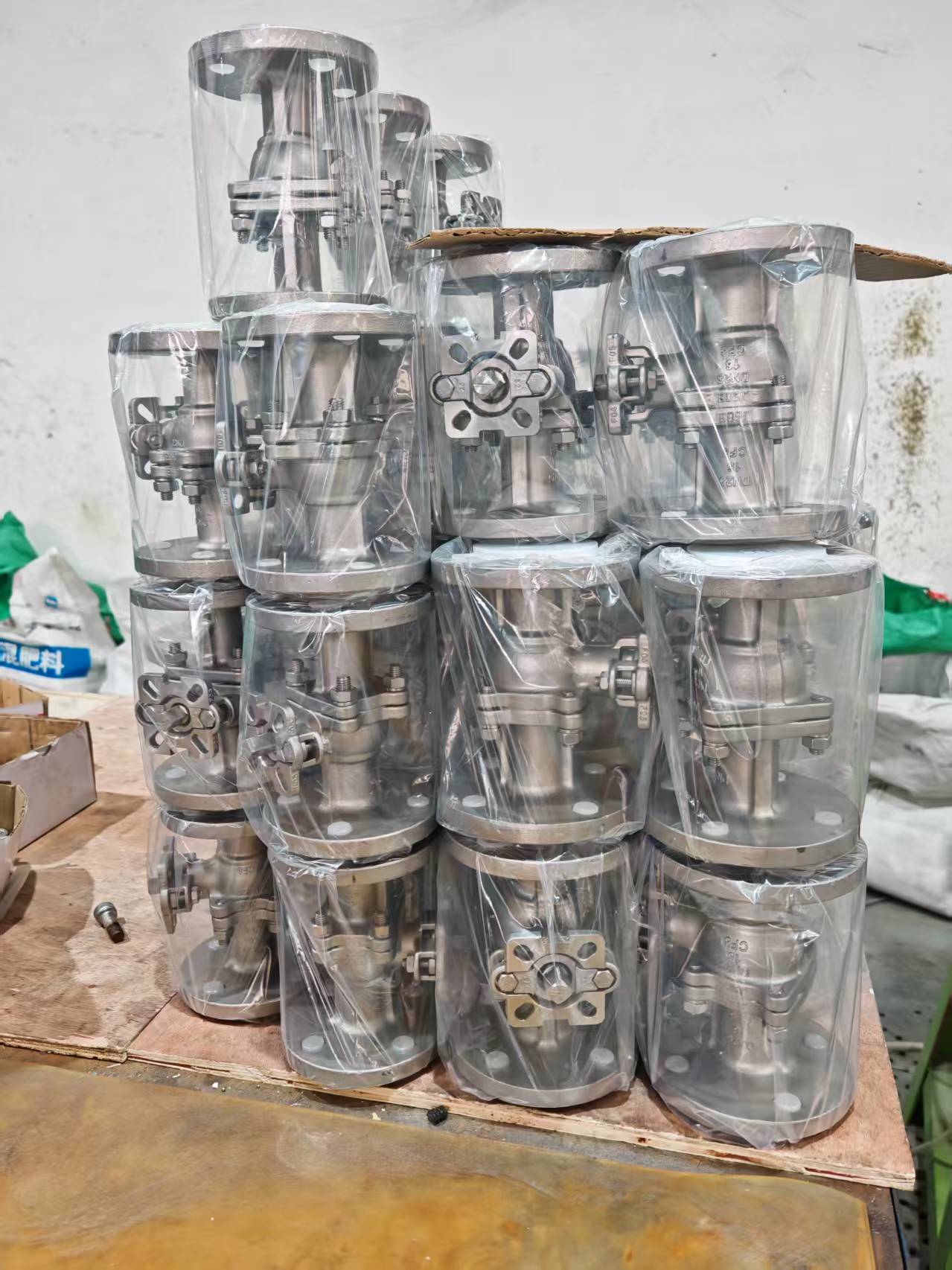
Comparison With Other Ball Valves
1PC vs 2PC vs 3PC
Ball valves have different designs. Each type has special features. The 1PC ball valve has one body piece. It has fewer parts, so it leaks less and costs less. But it works best in simple jobs with low pressure.
Le 2PC ball valve has two body pieces joined together. Workers can take it apart for fixing without cutting the pipe. It fits more sizes and handles more pressure. Many factories use it because it is easy to fix.
The 3PC ball valve has three body pieces. Workers can remove the middle part for cleaning or repairs. They do not need to touch the pipe. This makes fixing fast and easy, even in hard jobs. The 3PC valve uses strong seat materials like PTFE or PEEK. These seats work well with high heat and pressure.
| Type de vanne | Structure | Maintenance | Best Use |
|---|---|---|---|
| 1PC | One-piece | Harder | Simple, low-pressure jobs |
| 2PC | Two-piece | Easier | Industrial, frequent service |
| 3PC | Three-piece | Easiest | Complex, high-maintenance jobs |
Flanged vs Threaded/Welded Ends
How a valve connects to a pipe matters. Flanged ends use bolts and gaskets. This makes a strong seal. It is easy to put in or take out. Flanged valves work well with high pressure and heat.
Threaded ends screw onto the pipe. This is quick and simple. But it may leak after some time. It is best for low-pressure jobs. Welded ends give the tightest seal. They stop leaks very well. But you need skilled workers to install them. Welded valves are hard to remove or fix.
Flanged ends are strong, stop leaks, and are easy to fix. They work best for most factory jobs.
Direct Mounting Pad vs Traditional
A direct mounting pad lets workers put an actuator right on the valve. It follows ISO 5211 rules, so many actuators fit. You do not need extra brackets. This makes the valve lighter and smaller. It is faster to install and has fewer parts to check.
Traditional mounting uses brackets or kits. This takes more steps to set up. It can cause more problems. Direct mounting pads make the valve steadier. They help automation and save time. Factories do not need to fix them as much.
Direct mounting pads make automation easy. They help valves work well in modern factories.
Choosing the Right 2PC Ball Valve
Key Selection Criteria
Picking the right 2PC ball valve takes careful thought. Engineers first see if the valve can handle the system’s pressure and temperature. They pick materials that do not rust and are safe for the fluid. Stainless steel works for many jobs, but sometimes PVC or PP is better for special chemicals. The seal, like PTFE or EPDM, must stand up to the fluid and heat.
Valve size and flow rate are important for good work. A full bore design helps the system run well. How the valve connects—flanged, threaded, or welded—changes how you put it in and fix it later. Automation choices, like manual or electric actuators, depend on how often you use the valve and how much control you need. Rules like API and ISO help buyers pick safe and good quality valves.
Certification and regular tests show the valve will work well in tough places.
Application Checklist
A simple checklist helps engineers see if the valve is right:
- Check the system’s pressure, temperature, and flow rate.
- Make sure the valve’s materials match the fluid.
- Pick the right size for best flow and low pressure drop.
- See if it meets rules like API 598 and ISO 9001.
- Look for certification marks and test papers.
- Check if there is enough space and the right connection.
- Plan for easy fixing and regular checks.
- Choose a maker with good quality checks and clear tests.
- Keep a log to track when you check and fix the valve.
| Step | What to Check |
|---|---|
| Pressure/Temperature | Ratings match system requirements |
| Matériel | Suits fluid and environment |
| Size/Flow | Proper sizing for efficiency |
| Normes | Meets API, ISO, and other certifications |
| Maintenance | Easy to service and repair |
When to Consider Alternatives
Sometimes, another valve is a better choice. If you need to fix the valve often without stopping the pipe, a 3-piece ball valve is easier to service. For jobs that need careful flow control, vannes à soupape work better, but they slow the flow more. In systems with lots of use or high pressure, special valves may work best.
- 3-piece ball valves make fixing faster and easier.
- Globe valves are good for careful flow changes.
- Full port ball valves are best for fast, high-pressure flow.
- The material you pick depends on the fluid and pressure.
Engineers should always pick the valve that fits the job for safety, steady work, and best results.
Le 2PC ball valve flanged end with direct mounting pad works well for jobs that need safe shut-off, easy fixing, and strong safety rules. Experts say you should look at both the good and bad sides, like in the table below:
| Aspect | Summary |
|---|---|
| Avantages | Simple to fix, comes in many sizes, fits lots of uses, helps stop long breaks |
| Disadvantages | Needs to be checked often, more parts can mean more leaks |
| Expert Advice | Pick a valve that fits the job, check the design is good, and take care of the valve |
Readers should use the checklist and compare the choices to make smart picks. If the job is tricky or special, experts say to:
1. Figure out the pressure drop and pick the right size. 2. Pick materials that work with the fluid and heat. 3. Choose the best actuator and follow the rules.
Talking to a valve expert helps you get the best valve for any special job.
FAQ
What industries use the 2PC ball valve flanged end with direct mounting pad?
Many types of factories use this valve. Chemical plants, oil refineries, water treatment plants, and food factories pick it often. The valve is good for places that need strong and safe flow control.
How does the direct mounting pad help with automation?
The direct mounting pad follows ISO 5211 rules. Engineers can put actuators on fast. This makes automation simple and saves time. Factories can control the valve from far away with less work.
What maintenance does this valve require?
Workers should check the valve often to keep it working well. They need to look for leaks, test the seal, and clean it. Oiling moving parts helps stop them from wearing out. Doing regular checks helps the valve last longer.
Can the 2PC ball valve handle corrosive fluids?
Yes, the stainless steel 304 body does not rust easily. The reinforced PTFE seat and graphite seal give more safety. This design lets the valve work with many harsh fluids in factories.