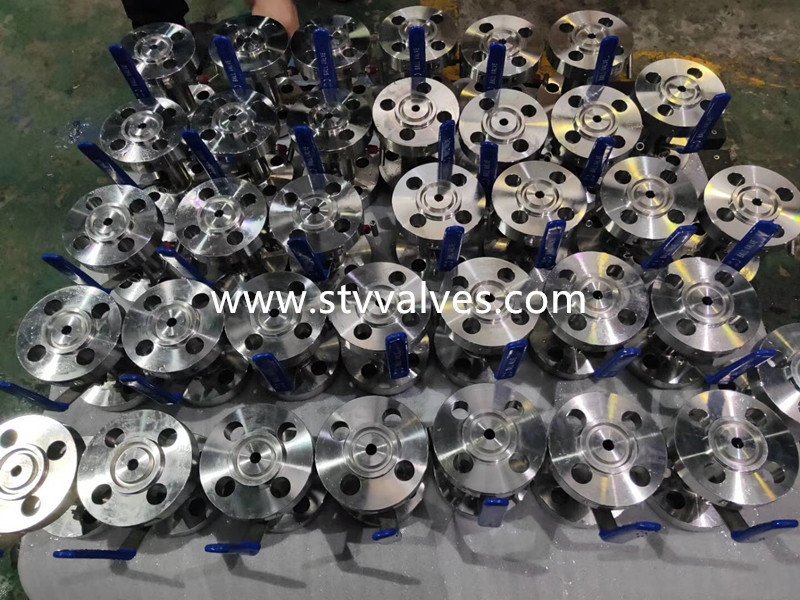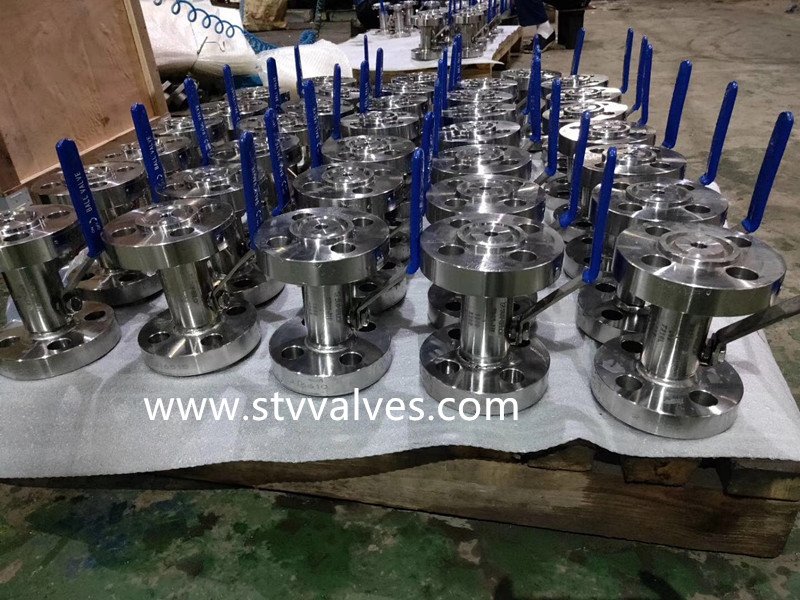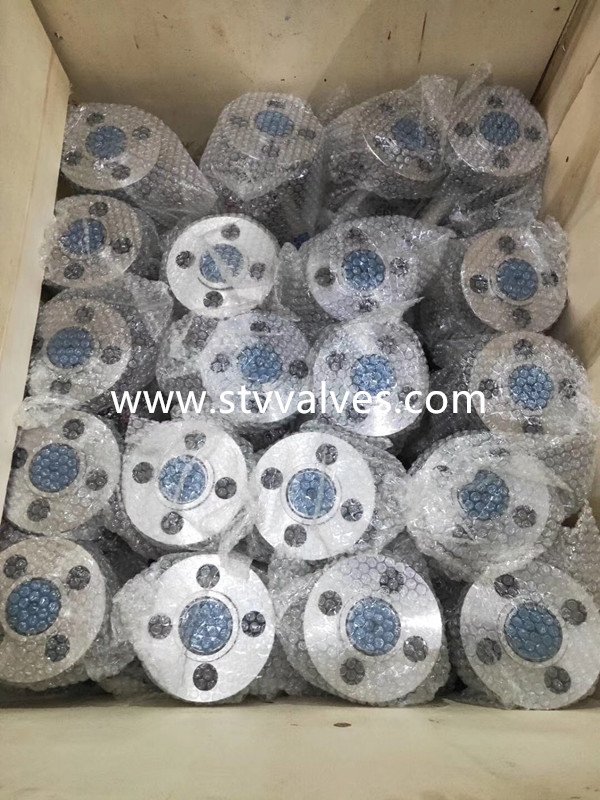
Robinet à tournant sphérique à bride en acier forgé 1 pièce
1Pc Forged Steel Flange Ball Valve: Complete Technical Guide
Forged steel flange ball valves represent a critical component in industrial fluid control systems where reliability, durability, and precise flow control are paramount. The one-piece design offers exceptional structural integrity, making these valves particularly valuable in high-pressure and high-temperature applications across multiple industries. This comprehensive guide explores the technical specifications, applications, and selection criteria for 1Pc forged steel flange ball valves to help you make informed procurement decisions.
Understanding the 1-Piece Design Construction
Cross-sectional view of a 1Pc forged steel flange ball valve showing integral body construction
The 1-piece design refers to the valve’s body being manufactured from a single forged steel piece, creating an integral structure without body-to-body joints. This construction method offers significant advantages over multi-piece designs, particularly in demanding industrial environments.
Key Construction Features
- Single-piece forged body construction
- Integral flanged connections
- Floating or trunnion-mounted ball designs
- Anti-blowout stem design
- Fire-safe construction options
- ISO 5211 mounting pad for actuation
Advantages Over Multi-Piece Designs
- Enhanced structural integrity with no body joints
- Reduced potential leak paths
- Higher pressure and temperature ratings
- Improved resistance to thermal cycling
- Compact face-to-face dimensions
- Lower maintenance requirements
The forging process aligns the metal’s grain structure, significantly enhancing the valve’s mechanical properties. This results in superior strength, improved impact resistance, and better performance under pressure fluctuations compared to cast valve bodies. For critical applications in oil and gas, chemical processing, or power generation, this structural integrity translates to extended service life and reduced maintenance costs.
Technical Specifications and Material Composition
Standard Size and Pressure Ratings
| Size Range | Pressure Class | Face-to-Face (mm) | Temperature Range | Type de connexion |
| DN15-DN50 (½”-2″) | PN16-PN40 / Class 150-300 | 35-85 | -28°C to +200°C | RF Flanged (ISO/ANSI) |
| DN65-DN100 (2½”-4″) | PN16-PN40 / Class 150-300 | 103-155 | -28°C to +200°C | RF Flanged (ISO/ANSI) |
| DN125-DN200 (5″-8″) | PN16 / Class 150 | 182-310 | -28°C to +200°C | RF Flanged (ISO/ANSI) |
Material Composition
| Component | Acier Carbone | Acier inoxydable | Alloy Steel |
| Corps | ASTM A105, A216 WCB | A182 F304/F316/F304L/F316L | A182 F11/F22/F5 |
| Balle | A105+ENP, SS304 | A182 F304/F316 | A182 F11/F22 + HF |
| Tige | SS304, 4140+ENP | A182 F304/F316 | A182 F11/F22 |
| Seats | PTFE, RPTFE (reinforced), PEEK, PPL, Metal (for high-temp) | ||
| Seals | PTFE, Graphite, FKM (Viton) | ||
Need Custom Material Options?
Our engineering team can help select the optimal material combination for your specific application requirements.
Design Features and Options
Anti-blowout stem design for enhanced safety
- Port Design: Full bore or reduced bore options
- Actuation: Lever handle, gear operator, or ISO 5211 mounting pad for automation
- Safety Features: Anti-static design, fire-safe construction, anti-blowout stem
- Seat Options: Soft seats (PTFE/RPTFE) for tight shutoff or metal seats for extreme temperatures
- Special Services: NACE MR0175 compliance for sour service, oxygen service cleaning
Industry Applications and Use Cases
The robust construction and versatile design of 1Pc forged steel flange ball valves make them suitable for a wide range of demanding industrial applications where reliability and performance are critical.
Oil & Gas
- Wellhead control systems
- Pipeline transmission
- Refinery processing units
- Offshore platforms
Chemical Processing
- Acid transfer lines
- Chemical batch processing
- Corrosive fluid handling
- High-purity applications
Power Generation
- Steam distribution systems
- Boiler feedwater lines
- Turbine isolation service
- Condensate return systems
Traitement de l'eau
- High-pressure water systems
- Chemical injection points
- Usines de dessalement
- Wastewater processing
Find the Right Valve for Your Application
Our technical specialists can help you select the optimal valve configuration based on your specific industry requirements.
Installation Guidelines and Maintenance Best Practices
Installation Guidelines
- Verify valve specifications match system requirements (pressure, temperature, media)
- Ensure pipeline is properly aligned and supported to prevent valve stress
- Clean flange faces and use appropriate gaskets for the application
- Tighten flange bolts in a cross-pattern sequence to ensure even compression
- Maintain clearance for handle operation and valve maintenance
- For automated valves, ensure proper mounting and alignment of actuators
Maintenance Best Practices
- Regular Inspection: Check for external leakage, proper operation, and signs of wear
- Lubrication: Periodically lubricate stem and bearings per manufacturer guidelines
- Cycling: Regularly cycle infrequently used valves to prevent seizing
- Packing Adjustment: Tighten packing gland if stem leakage occurs
- Seat Replacement: Replace seats when leakage occurs across closed valve
- Documentation: Maintain records of valve maintenance and service history
Important Safety Note: Always depressurize and drain the pipeline before performing any maintenance on ball valves. Follow proper lockout/tagout procedures to ensure safety during maintenance operations.
Comparison with Other Valve Types
| Feature | 1 robinet à tournant sphérique | Vanne à vanne | Robinet à soupape | Vanne papillon |
| Flow Characteristics | Full, unobstructed flow | Full flow when fully open | Restricted flow path | Disc remains in flow path |
| Pressure Drop | Minimal | Low | High | Moderate |
| Opération | Quarter turn (90°) | Multi-turn | Multi-turn | Quarter turn (90°) |
| Throttling Capability | Limited | Poor | Excellent | Good |
| Space Requirements | Compact body, needs swing space | Tall, stem clearance needed | Tall, stem clearance needed | Very compact |
| Maintenance | Low maintenance | Moderate maintenance | Moderate maintenance | Low maintenance |
| Cost | Moderate to high | Moderate | Moderate to high | Low to moderate |
When to Choose a 1Pc Forged Steel Flange Ball Valve
Ideal Applications
- When quick operation is required (quarter-turn)
- For applications needing minimal pressure drop
- Where tight shutoff is essential
- In high-pressure or high-temperature services
- When space is limited (compact face-to-face dimension)
- For infrequent operation with minimal maintenance
Less Suitable For
- Precise flow control/throttling applications
- Slurry or high-solid content media
- Extremely high temperature applications (>450°C)
- Applications requiring minimal cost
- Where frequent cycling causes seat wear
Standards and Certifications
1Pc forged steel flange ball valves are manufactured and tested according to rigorous industry standards to ensure reliability, safety, and interchangeability. Understanding these standards is essential when specifying valves for critical applications.
Design Standards
- API 6D: Pipeline valves specification
- ASME B16.34: Valves – flanged, threaded, and welding end
- BS 5351: Steel ball valves for petroleum industry
- API 608: Metal ball valves with flanged or butt-welding ends
Connection Standards
- ASME B16.5: Pipe flanges and flanged fittings
- ASME B16.10: Face-to-face dimensions
- ASME B16.25: Butt-welding ends
- ISO 5211: Mounting pad for actuators
Testing & Special Certifications
- API 598: Valve inspection and testing
- API 607: Fire test for soft-seated valves
- NACE MR0175: Materials for sour service
- PED 2014/68/EU: Pressure Equipment Directive
Certification Documentation: Always request and maintain proper certification documentation for valves used in critical applications. This typically includes material test reports (MTRs), pressure test certificates, and any special testing certifications required for your application.
Selection Criteria for Industrial Applications
Selecting the right 1Pc forged steel flange ball valve requires careful consideration of multiple factors to ensure optimal performance, safety, and longevity in your specific application.
Process Parameters
- Pressure: Maximum operating pressure and test pressure requirements
- Température: Normal and maximum operating temperatures
- Media: Chemical composition, viscosity, and potential for solids
- Flow Rate: Required capacity and velocity considerations
Material Selection
- Corrosion Resistance: Match body and trim materials to media
- Temperature Limits: Consider both high and low-temperature requirements
- Pressure Capability: Ensure material strength meets pressure class
- Special Requirements: NACE compliance, oxygen service, etc.
Operational Requirements
- Actuation: Manual, geared, electric, or pneumatic operation
- Cycling Frequency: How often the valve will be operated
- Leakage Class: Required tightness of shutoff
- Space Constraints: Available installation space
Safety and Compliance
- Industry Standards: Required compliance with API, ASME, etc.
- Fire Safety: Need for fire-safe design
- Fugitive Emissions: Environmental requirements for stem sealing
- Regional Codes: Local regulations and certification requirements
Need Help Selecting the Right Valve?
Our valve experts can guide you through the selection process to ensure you get the optimal valve for your specific application requirements.
Common Troubleshooting Issues and Solutions
| Issue | Possible Causes | Recommended Solutions |
| Valve Hard to Operate |
|
|
| Stem Leakage |
|
|
| Seat Leakage |
|
|
| Flange Leakage |
|
|
Warning: Always follow proper safety procedures when troubleshooting valves in service. Depressurize the system and follow lockout/tagout procedures before performing any maintenance that requires valve disassembly.
Future Trends in Forged Steel Valve Technology
The industrial valve industry continues to evolve with technological advancements that enhance performance, reliability, and integration capabilities of 1Pc forged steel flange ball valves.
Smart Valve Technology
- Integrated position sensors
- Wireless monitoring capabilities
- Predictive maintenance algorithms
- Remote operation capabilities
- Integration with plant control systems
Material Innovations
- Advanced alloys for extreme conditions
- Improved seat materials for extended life
- Low-emission stem packing technologies
- Corrosion-resistant coatings
- Additive manufacturing techniques
Design Enhancements
- Optimized flow paths for efficiency
- Weight reduction while maintaining strength
- Enhanced fire-safe capabilities
- Improved actuation mechanisms
- Extended service life designs
As industrial processes become more demanding and automated, the integration of digital technologies with traditional mechanical valve designs will continue to drive innovation in the valve industry. Manufacturers are focusing on developing valves that not only provide reliable flow control but also contribute valuable operational data to improve overall system efficiency and reliability.
Conclusion
1Pc forged steel flange ball valves represent a critical component in modern industrial fluid handling systems where reliability, durability, and performance are paramount. Their one-piece forged construction offers superior structural integrity and reduced leak paths compared to multi-piece designs, making them ideal for demanding applications across multiple industries.
When selecting a 1Pc forged steel flange ball valve, careful consideration of process parameters, material compatibility, operational requirements, and compliance standards is essential to ensure optimal performance and longevity. By understanding the technical specifications, installation best practices, and maintenance requirements outlined in this guide, you can make informed decisions that contribute to the safety, efficiency, and reliability of your industrial systems.