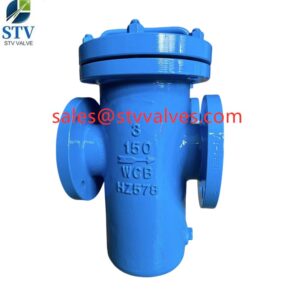
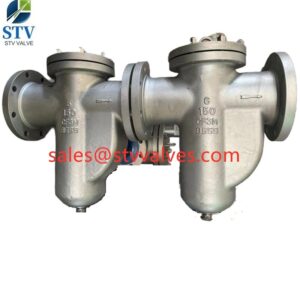
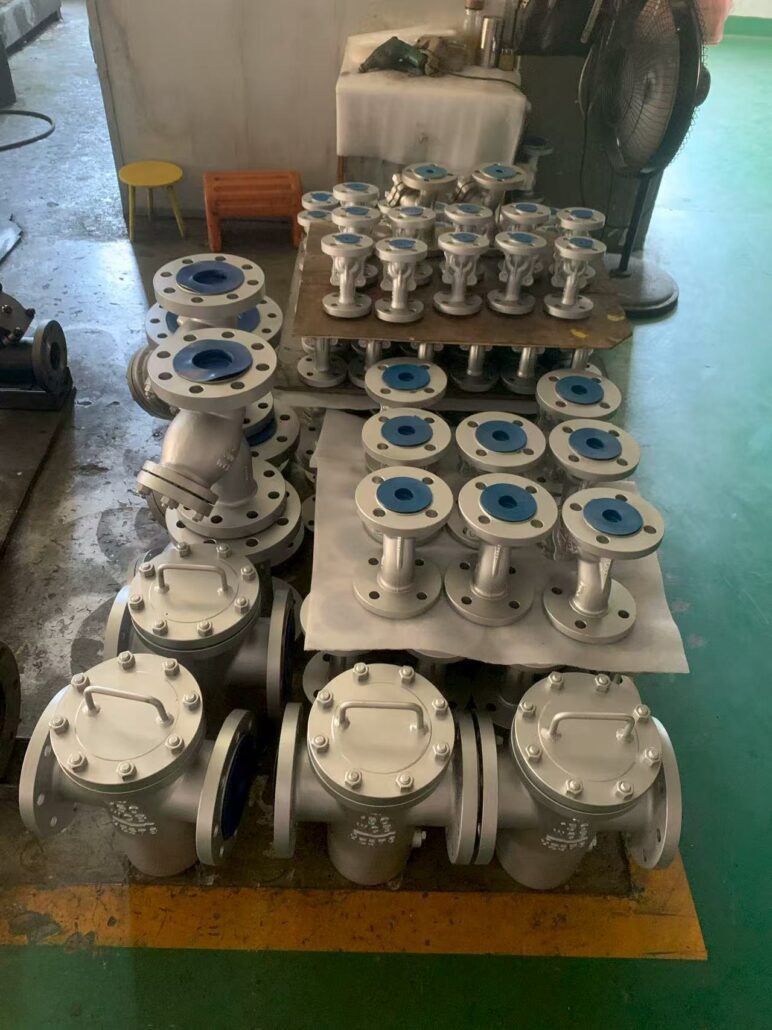
Leggi le notizie pubblicate da STV Valve Company e acquisisci informazioni più complete sull'azienda, sulle ultime valvole e sui progressi del settore delle valvole
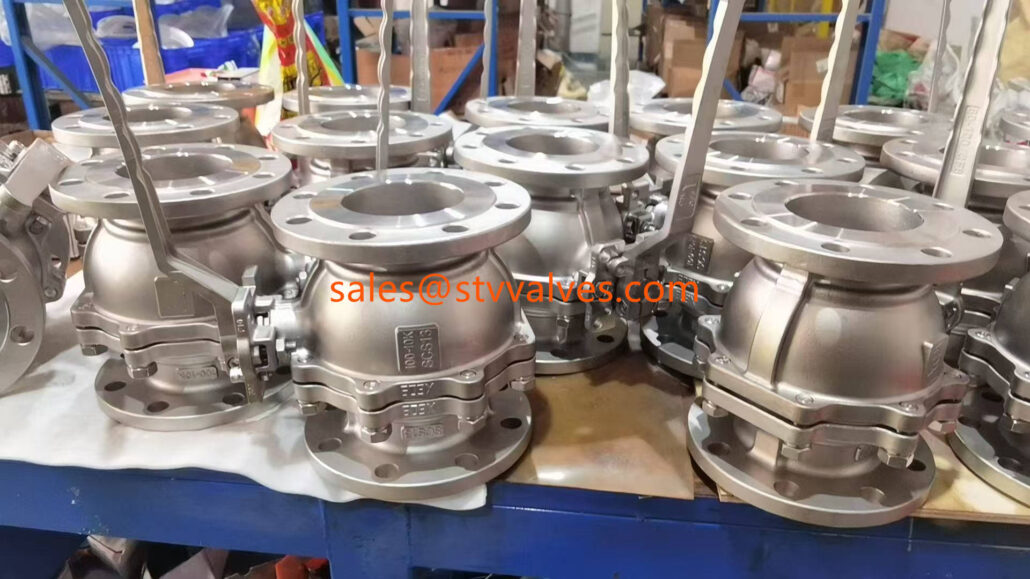
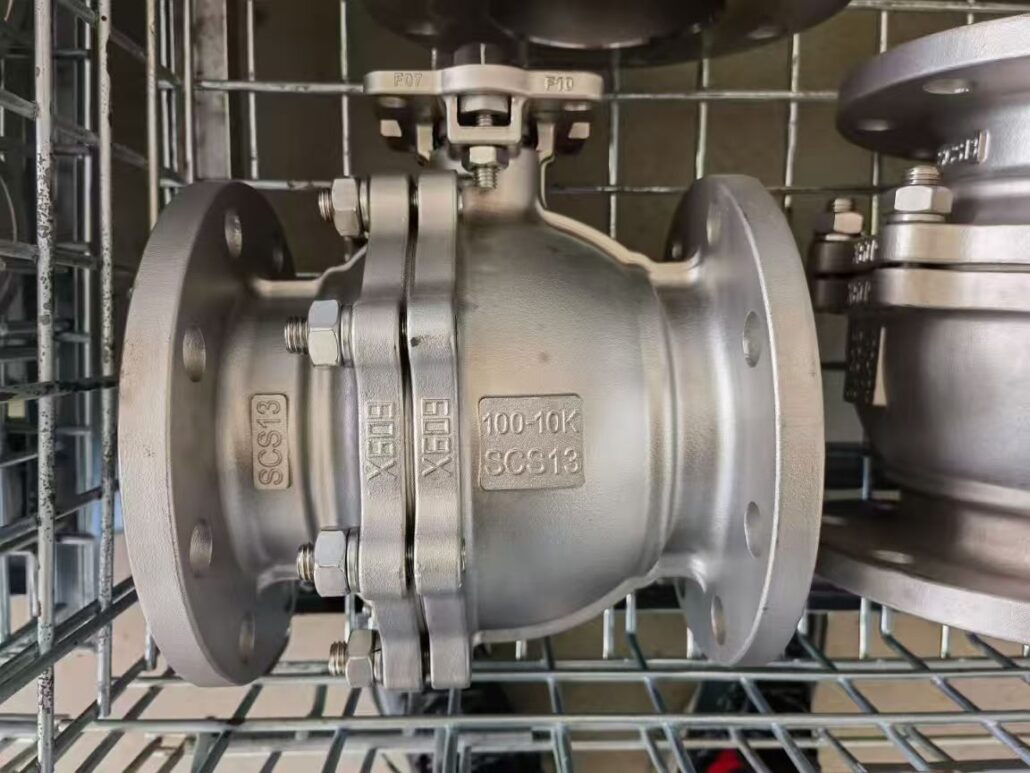
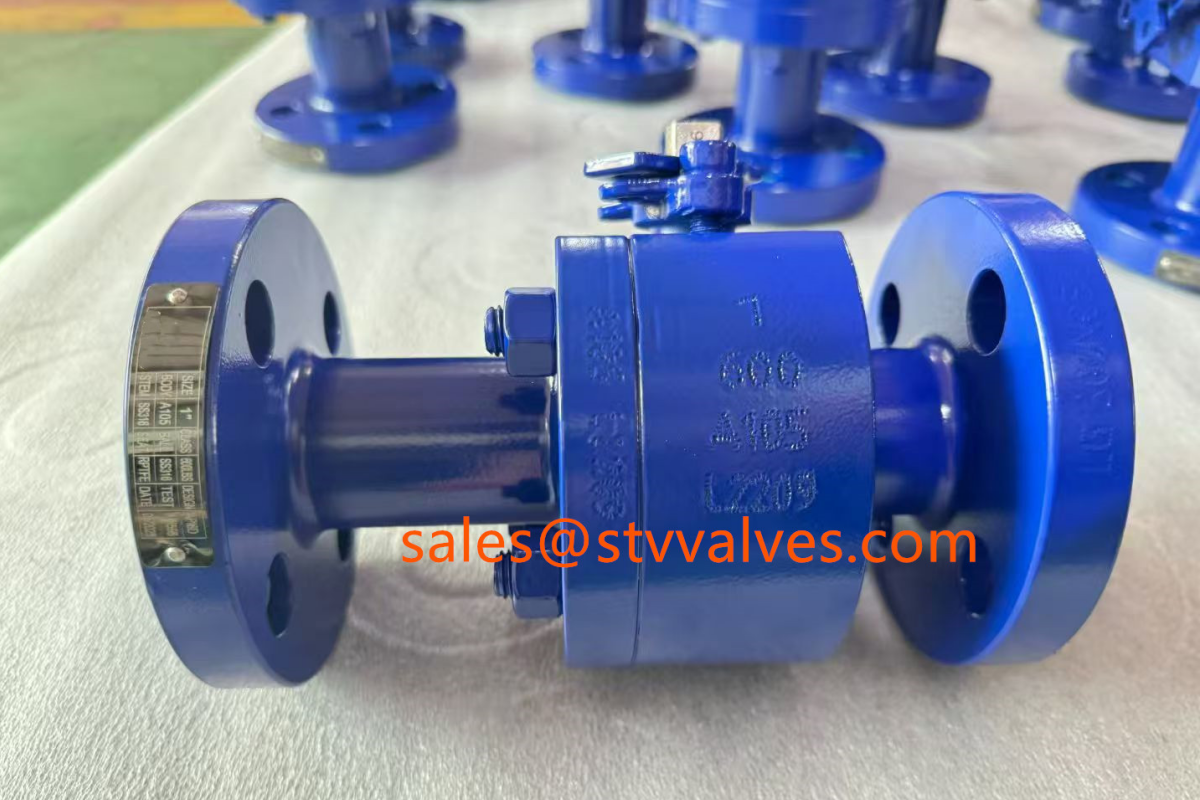
The SCS13 flange ball valve is a trusted choice for tough jobs. Makers use smart designs and strong SCS13 stainless steel for long use. This valve follows strict JIS rules, so it is always high quality. Many industries use it, like:
Industria chimica
Petro-chemical industry
Plant construction
Power plant engineering
Paper and pump industry
It works with safety systems and automation. It can be used in many ways. This helps companies get good results every time.
Key Takeaways
IL SCS13 flange ball valve is made from strong stainless steel. This metal does not rust and lasts a long time. It is very reliable for hard industrial work.
Its smart design meets strict rules. You can fix it easily without taking it out of the pipes. This saves both time and money.
The valve has special seals and fire-safe parts. These stop leaks and keep systems safe, even in emergencies.
It works well in many places, like water treatment and oil and gas. It can handle high pressure and strong chemicals easily.
Automation lets workers control the valve from far away. This makes things safer and faster, and it lowers labor costs.
SCS13 flange ball valve features
China Scs13 Ball Valve supplier,China Scs13 Ball Valve factory
Material quality
SCS13 stainless steel is the main part of this valve. Makers use lost-wax casting to shape the valve body. This method helps make each valve very exact. It also makes sure the valve is strong and reliable. SCS13 stainless steel does not rust easily. This makes it good for tough places like factories. People who work with chemicals, oil, gas, or food trust this material. It can handle strong liquids and hard jobs. Because it does not rust, the valve lasts longer. It does not wear out fast. This means you do not need to fix it often. The strong steel keeps the valve working safely. It works well even when the pressure is high.
SCS13 stainless steel stops rust and damage from air.
The valve works well when pressure is high.
Water, oil, gas, and chemical plants use it for a long time.
The strong and exact steel helps control liquids well.
Design standards
The SCS13 flange ball valve uses the JIS B2071 design rule. This rule tells how to make the valve and what size it should be. It also says what materials to use and how strong the valve must be. Makers check each valve to make sure it works right. The JIS B2071 rule uses metric sizes and MPa for pressure. It covers both full-bore and reduced-bore types. It also sets the length from end to end. Many valves have a floating ball to stop leaks.
Specification Aspect
Details
Body Material
SCS13 (also SCS14, SCS16)
Size Range
NPS 1/2″ to 4″ (DN15 to DN100)
Pressione nominale
JIS 10K
Temperature Rating
-10°C to 180°C
Termina connessione
JIS B2212 (Flange)
The valve has two main parts joined with bolts. This makes it easy to open and fix. Workers can reach inside to change the ball or seals. They do not need to take the valve out of the pipe. This saves time and money. The full-bore ball lets liquid move easily. The blowout-proof stem keeps the stem from popping out. This makes the valve safer. Makers test this part to make sure it works well.
Tip: SCS13 stainless steel, JIS B2071 design, and smart engineering help this valve work well in hard jobs.
Safety and reliability
China Jis10k Ball Valve Supplier
Leak protection
Good leak protection is very important for industrial valves. The SCS13 flange ball valve uses a special “pyramidal” stem seal system. This seal makes a tight wall around the stem. It stops leaks before they can happen. The design also helps the seal last longer. This means the valve keeps working well for a long time. Many other ball valves start to leak after lots of use. The SCS13 flange ball valve does not have this problem. Its seal stays strong and works longer. People trust this valve in important systems. It keeps fluids inside and stops costly spills.
Note: The “pyramidal” stem seal system helps companies save money and time. This feature makes the valve a good pick for places that care about safety.
Fire-safe construction
Fire safety matters a lot in many factories. The SCS13 flange ball valve meets hard rules for fire-safe construction. These rules make sure the valve works even in a fire. The valve uses special materials and ways to build it. This helps it stand up to high heat. If there is a fire, the valve will still block dangerous liquids or gases. This keeps people and machines safe.
These certifications show the SCS13 flange ball valve passes hard fire safety tests. Companies can trust this valve to work in tough situations.
Performance and operation
China 10K Ball Valve Factory
Corrosion resistance
Factories and plants need valves that can handle harsh chemicals. The SCS13 stainless steel body does not rust or corrode. This keeps the valve strong when it touches water, oil, gas, or other liquids. Other metals might break down, but this valve stays tough. Workers see fewer leaks and less damage as time goes on. Maintenance teams do not have to fix or change parts as often. The valve’s design lets it work in many temperatures. It is safe to use from 20°C up to 280°C. This means the valve works for cold storage and hot jobs.
Tip: Picking a valve that resists corrosion helps companies save money. It also keeps machines running without stopping.
Feature
Benefit
SCS13 stainless steel
Stops rust and chemical damage
Wide temperature range
Works from 20°C to 280°C
Full bore design
Reduces pressure drop
Automation options
Modern factories use automation to work faster and safer. The valve can use many actuator types, like electric, pneumatic, or hydraulic. The Base di montaggio ISO 5211 makes adding actuators simple. Workers can control the valve from far away. This helps when it is hard or unsafe to turn the valve by hand. Automation gives many benefits:
Remote control lets workers react fast to changes.
Fast operation means less waiting for the valve to move.
Lower torque needs make the valve move smoothly, even with high pressure.
Easy pipeline setup means less time and fewer leaks.
Fewer workers are needed, so labor costs go down.
Better control means fewer mistakes and less downtime.
Maintenance teams see fewer problems. Automated valves last longer before needing repairs. The valve works well for water, gas, and oil jobs. Companies get safer and better results.
Engineers use these valves in many tough places. Water treatment plants use them to control water flow. They also help stop leaks. The stainless steel body does not rust from chemicals or water. Operators pick these valves because they handle high pressure. They also keep the system safe and working well.
Water treatment plants like that these valves do not rust. They also work well for a long time.
The strong design stops problems and keeps water clean.
Ball valves seal better and last longer than gate valves.
Trunnion ball valves are good for high-pressure water. They do not wear out fast and are easy to use.
Automation lets workers control the valve from far away. This makes work safer and faster.
Manual use is still easy and works well for daily jobs.
Oil and gas plants have hard jobs. They deal with high pressure, heat, and strong liquids. These ball valves can handle these tough jobs. The small size fits in tight spaces and needs less fixing. The quarter-turn lets workers shut off the valve fast. This is very important for safety.
Value for industries
Many industries get big benefits from these valves. Water treatment plants do not stop working as much. They also keep water clean and safe. The strong seal keeps the system working well. Automation helps workers run big systems with fewer mistakes. It also means less work by hand.
Oil and gas jobs need strong tools. The stainless steel body does not break down from strong liquids or heat. Fast shut-off keeps workers and machines safe in an emergency. The tough design means fewer fixes and less money spent.
Industry
Key Benefit
Trattamento delle acque
Does not rust, easy to use
Oil & Gas
Handles high pressure, shuts off fast
Chemical Processing
Stops leaks, ready for automation
Power Generation
Works well, keeps people safe
Note: Picking the right valve helps companies stay safe. It also saves money and keeps work going without problems.
IL SCS13 flange ball valve is built to last. It has special safety features and works smoothly. Many industries use this valve for hard jobs. The maker has important certificates like:
API
ISO 9001
ISO 14001
Health and Safety Certification
First Level Supplier Certification
These certificates prove the valve is safe and high quality. Engineers and buyers can trust this valve in tough places.
You must pick the right strainer for your system. This helps protect important equipment and keeps things working well. A y type strainer is good when you need corrosion resistance. It is also easy to take care of. Strainers stop dirt and other things from getting to pumps or valves. Industry rules and material choices matter a lot. For example, the EN558-1 y type strainer uses CF8M stainless steel. This helps you get good performance and a long life for your system.
Key Takeaways
Y type strainers fit in small spaces. They handle high pressure well. They work best for light debris. They are good for tight pipe layouts.
Basket strainers hold more dirt than Y type strainers. They are easier and faster to clean. They work well for big pipes. They are best for heavy debris. They are good for systems that run all the time.
Pick materials like CF8M stainless steel. This helps stop rust. It makes the strainer last longer in tough places.
Use standards like EN558-1, ANSI, and ASME B16.34. These help keep your system safe. They make sure parts fit together.
Clean and check strainers often. This stops clogs. It protects your equipment. It helps your system work well.
Plan where to put strainers before installing. Make sure you can reach them easily. This helps with cleaning and fixing. It saves time and money.
Pick the right mesh size for your strainer. Think about the kind of debris and how fast things flow. This helps balance filtering and pressure.
Duplex basket strainers let you clean without stopping the system. They are great for systems with high flow. They work well for important jobs.
Industrial strainers help keep your system working well. They sit inside pipes and catch unwanted particles. This stops pumps, valves, and meters from getting damaged or blocked. Using a strainer saves money on repairs and keeps things running. Strainers block big pieces of debris to protect your equipment. Both basket and Y type strainers remove dirt before it reaches important parts. These devices help prevent problems and keep your work going smoothly.
Types
There are different kinds of strainers for different jobs. The two most common are Y type strainers and basket strainers. The table below shows their main features and where they are used:
Type of Strainer
Descrizione
Vantaggi
Disadvantages
Typical Applications
Wye Strainer
Small, many screen choices
Costs less, fits in tight spaces
Tiny particles might get through
Small spaces, catching visible dirt
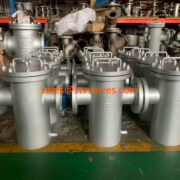
Filtro a cestello
Big surface, simplex and duplex types
Handles lots of debris, easy to clean
Needs to be flat, takes up more room
Fluids with lots of dirt, nonstop use
You might also see pipe strainers and pipeline strainers in factories. These come in different mesh sizes and materials. This lets you pick the best one for your needs. The Cv Factor shows how much flow a strainer can handle at a certain pressure. This helps you choose between different models.
Importance
Strainers are important for keeping your equipment safe and working. They stop pumps, valves, and other parts from getting damaged. This means you spend less on repairs and maintenance. Removing debris makes your system work better and use less energy. Cleaning strainers often helps you avoid clogs and shutdowns. Watching pressure changes helps you find problems early. Strong materials make strainers last longer, which is good for any factory.
Tip: Make a plan to clean your strainers often. This keeps your system working well and helps you avoid surprise problems.
STV Valve Technology Group Co., Ltd is known for making strong filtri a cestello and Y type strainers. Their products meet industry rules and work well in many places, like high-pressure systems and big pipes.
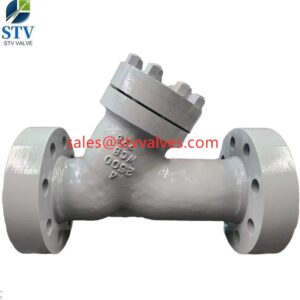
Y Type Strainer
China 2500LB Y Type Strainer Manufacture,China 2500LB Y Type Strainer Supplier,China 2500LB Y Type Strainer Factory.2500LB Y Type Strainer In China.
Design
Body Shape
A y type strainer has a body shaped like the letter Y. This shape is different from other strainers. The angled body lets you put it in small spaces. It fits where straight or T-shaped strainers cannot go. The small size helps save room in your pipes. You can use it in both flat and upright pipes. This gives you more ways to install it. The Y shape moves the flow through the screen. The screen catches dirt before it gets to important equipment.
Flow Path
The flow in a y type strainer goes along the slanted part. Liquid comes in the main pipe. Some of it goes through the screen. The screen holds back dirt and lets clean liquid pass. This design keeps pressure drop low. Your system keeps working well. You can take out the screen for cleaning by opening the end cap. This makes it easy to clean, but you must stop the flow first. The y pattern strainer is good for systems with a little or medium amount of dirt.
Note: IL Y-shaped body helps protect pumps, valves, and meters. It is used in many fields like chemical plants, water cleaning, and power plants.
Materiali
Acciaio al carbonio
Acciaio al carbonio is strong and handles high pressure. It is good if you do not worry about rust. It can take heat changes and stress. This makes it work well in steam and oil pipes.
Cast Steel
Cast steel gives you strength and saves money. It is used in places where you need a tough strainer. It is not for use with strong chemicals. Cast steel y type strainers work well in most jobs.
WCB
WCB is a kind of cast carbon steel. It is used a lot in y type strainers. It is strong and can take high heat and pressure. You will see WCB strainers in power plants, oil refineries, and water plants.
Acciaio inossidabile CF8M
CF8M stainless steel is best for places with lots of rust or chemicals. It is also called 316 stainless steel. It does not rust from chemicals or saltwater. You will find CF8M y type strainers in chemical plants, ships, and food factories. Stainless steel strainers last longer and need less care in tough places.
Standard
ANSI
Many y type strainers are made to ANSI rules. These rules make sure your strainer is safe and good quality. ANSI strainers fit with other ANSI pipe parts.
JIS 10K
Some industries use Japanese rules called JIS 10K. This rule tells the size and pressure for strainers in Japan and Asia.
EN558-1
EN558-1 is a rule used in Europe and other places. For example, the EN558-1 Y Type Strainer from STV Valve Technology Group uses CF8M stainless steel and has RF ends. This model does not rust easily and fits DN50 pipes with a PN16 pressure. You can count on this strainer to keep your equipment safe and your system working.
STV Valve Technology Group Co., Ltd is a top company in this field. They make many kinds of y type strainers and basket strainers. They have high-pressure and special models. Their products follow world rules and work well for a good price.
Pressure Ratings
Y type strainer models have many pressure ratings. You must pick the right pressure rating for your system. This keeps things safe and helps the strainer last longer.
PN16
PN16 is a common pressure rating for y type strainer use. You see it in water treatment, chemical, and factory systems. PN16 means the strainer can take up to 16 bar of pressure. These strainers are used in medium-pressure pipes. They work well for most jobs and stop debris from causing problems.
150 libbre
150LB is a pressure class from American rules. You find 150LB y type strainers in steam, oil, and water pipes. This rating is good for low or medium pressure. Many cast steel and carbon steel strainers use 150LB. Always check your system’s pressure before picking this class.
Pressure Ratings (Classes)
Pressure Ratings (PN)
Standards & Notes
Class 150 to Class 2500
PN16 to PN420
ASME B16.34, API 598, DIN EN 558, API 6A PR2
125/150LB
N/A
Used in cast carbon steel strainers for water, steam, oil
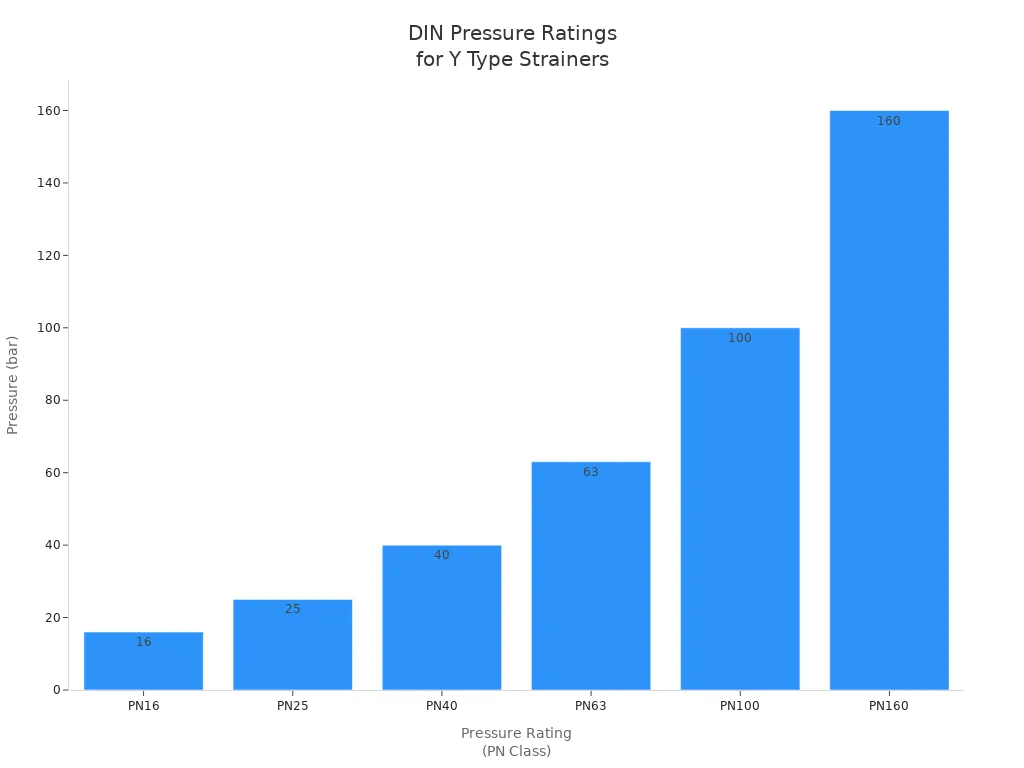
PN16, PN25, PN40, PN63, PN100, PN160
N/A
DIN standard pressure ratings for ductile iron strainers
PN6 to PN40
N/A
Ductile iron flange strainers, ANSI/DIN compliant
You can choose y type strainers with pressure ratings from PN16 to PN160 or more. These are used for tough chemical jobs. They can handle heat from -20°C to 500°C. They also follow DIN flange rules.
Installation
Good installation helps your y type strainer work well and last long. You need to follow the best steps for where and how you put it in.
RF Ends
RF ends help make a tight seal with the pipe flange. You should line up the RF ends with the pipe flanges. Tighten the bolts the same amount. This stops leaks and helps with high pressure. Always check the gasket and sealing parts before you start.
Flanged Connections
Flanged connections make it easy to put in or take out the strainer. You should put the strainer before pumps or valves to keep them safe. In flat pipes, point the mesh and drain port down. In upright pipes, make sure the flow goes from top to bottom. The drain port should face sideways. Use isolation valves before and after the strainer. This lets you clean it without emptying the whole system.
Tip: Leave space under the strainer so you can clean it and change the screen easily.
Maintenance
Regular care keeps your y type strainer working well. Clean the filter often to get rid of trapped dirt. Always wear safety gear and shut off the system before you start. Drain any leftover liquid from the strainer and pipes. Open the strainer and look at the mesh for damage or wear. Change broken screens with the right mesh size. Use cleaners that do not hurt the strainer material. After cleaning, rinse the parts and put the strainer back together. Tighten all bolts and connections to stop leaks. Write down the date and any problems you find. Check the strainer often to stop clogs and keep your system running.
Applicazioni
Y Type Strainers are used in many industries. They help protect equipment and keep systems working well. These strainers remove dirt from pipelines. They are easy to take care of and work in new or old systems.
Y Type Strainers are best when there is not much dirt. You see them in steam pipes. They keep turbines and condensers safe from dirt and scale. In power plants, they help heat exchangers work better. They also protect important tools. You use them in air and natural gas pipes. Clean flow is very important for safety and good results.
Chemical plants use Y Type Strainers a lot. They keep pumps, valves, and meters clean. You find them in water pipes to keep water clean before treatment. Food factories use these strainers too. They stop solids from getting into important machines. This helps keep food safe and good.
Tip: Pick a Y Type Strainer with the right mesh size. This helps you get good flow and good filtering.
You can pick models made from strong, rust-proof materials like CF8M stainless steel. STV Valve Technology Group makes Y Type Strainers that follow world rules like EN558-1, ASME B16.34, and JIS 10K. Their strainers work in many places, like high-pressure steam pipes and drinking water systems. When you choose the right strainer for your job, you keep your equipment safe and make it last longer.
Filtro a cestello
RF END Basket Strainer Manufacturer
Design
Basket Element
A basket strainer uses a big basket you can take out. This basket sits inside a round or ball-shaped body. The basket has a mesh screen that catches dirt and other stuff. You can pull the basket out to clean or change it. This makes basket strainers good for places with lots of dirt. They are also good if you need to clean them often. Basket strainers come in simplex or duplex types. Duplex ones have two baskets. You can use one basket while you clean the other. This helps your system keep running without stopping.
Flow Path
The liquid moves straight through the basket strainer. It goes into the strainer, through the mesh, and comes out clean. The basket is big, so lots of liquid can pass through. This means less pressure drops and better filtering. Basket strainers work best when you put them in sideways pipes. This makes it easier to take out the basket.
Tip: Pick a basket strainer if your system has lots of flow or dirt. You can clean it fast and keep things working well.
Basket comes out; clean fast, no need to stop system, duplex lets you switch baskets
Must open cover and clean by hand; may need to stop system; can use blow-down valves
Particle Retention
Big area; catches more and smaller dirt
Good for big dirt, not as good for small dirt
Typical Applications
Big pipes, fast flow, power plants, farms, food, cars
Small spaces, small pipes, oil, gas, mines, chemicals
Materiali
WCB
WCB is a kind of strong steel used for basket strainers. You see WCB basket strainers in many factories. WCB can take high heat and pressure. It does not break easily and works in hard places. Oil, gas, and water systems use WCB basket strainers a lot.
Acciaio al carbonio
Carbon steel basket strainers are good for hot and high-pressure jobs. You use them where there might be fire or quick heat changes. Carbon steel does not break from heat or force. This makes it a good pick for tough work. Power plants and chemical factories use carbon steel basket strainers often.
Acciaio inossidabile
Stainless steel basket strainers do not rust. You should use them in chemical, food, or water jobs. Stainless steel keeps liquids clean and stops rust. It is not always best for very hot jobs, but it works for most needs.
Note: STV Valve Technology Group Co., Ltd makes strong basket strainers from WCB, carbon steel, and stainless steel. Their strainers follow strict rules and work in many places.
Standard
ANSI
Many basket strainers are made to ANSI rules. These rules help the strainer fit with other pipe parts. ANSI rules make sure your system is safe and works well.
ASME B16.34
ASME B16.34 gives the rules for how much pressure and heat basket strainers can take. If you pick a basket strainer with this mark, it is safe and high quality. This rule is important for jobs with lots of pressure and heat.
Fine RF
RF end means Raised Face end, a common flange for basket strainers. RF ends help make a tight seal with the pipe. This makes it easy to put in or take out the strainer. You see RF end basket strainers in many factories, especially where you need strong pipe joins.
Pressure Ratings
150 libbre
You will see 150LB basket strainers in many factories. This rating means it can take up to 150 pounds per square inch. These strainers are used in water, oil, and chemical pipes with medium pressure. The 150LB rating makes it safe for most jobs. It helps protect pumps and valves from dirt. STV Valve Technology Group makes strong 150LB basket strainers. Their products last long and work well.
600 libbre
If your system has higher pressure, use a 600LB basket strainer. These are good for big places like power plants and chemical factories. The 600LB rating means it can take up to 600 pounds per square inch. This gives your equipment strong protection at high pressure. These strainers are made from tough materials like WCB or stainless steel. They last a long time and work in hard jobs. If you need to catch lots of dirt in tough places, pick a 600LB basket strainer.
Tip: Always check your system’s pressure before you pick a basket strainer. The right rating stops leaks and keeps your equipment safe.
Installation
Flanged Connections
Most basket strainers use flanged connections for installation. This makes a tight and safe join with the pipe. Flanged ends let you take out the strainer easily for cleaning. In big systems, use duplex basket strainers. These have two baskets side by side. You can switch the flow between them. Clean one basket while the other keeps working. Plug or ball valves help you change the flow. This setup lets your system keep running. Put duplex basket strainers in parallel pipes. This makes cleaning and fixing easier. You do not have to stop the whole system.
Parallel pipes let you clean one basket at a time.
Valves help you change flow without stopping everything.
Note: STV Valve Technology Group is a leader in basket strainer design. Their products have strong flanged connections and are easy to install.
Maintenance
Taking care of your basket strainer helps it work well. Check the basket for dirt and damage often. Take out the basket and wash it with water or safe cleaner. Look at the mesh for holes or breaks. Change the mesh if it is broken. For duplex basket strainers, use the clean basket before you start cleaning. This way, your system keeps running while you clean. Write down when you clean and any problems you see. Good care makes your basket strainer last longer and keeps your equipment safe.
Maintenance Task
How Often
What to Do
Basket Inspection
Weekly
Look for dirt and damage
Basket Cleaning
Weekly
Take out and wash basket
Mesh Replacement
As needed
Change broken mesh
Flange Check
Monthly
Tighten bolts, check seals
Tip: Make a cleaning and check-up plan. This helps stop clogs and keeps your system working well.
Applicazioni
Basket strainers are used in many industries. They help keep equipment safe and make things run smoothly. These strainers take out solid bits from liquids. This stops damage and lowers how often you need repairs.
Lots of jobs need basket strainers to separate solids from liquids. Here are some ways people use them:
Oil and gas companies use basket strainers in pipelines. The strainers catch dirt and other stuff. This keeps pumps and valves from getting blocked.
Petrochemical plants use them to clean fuel and pipes. The strainers remove solid bits from the system.
Paint makers use basket strainers to filter paint. This stops lumps and bad stuff from getting in.
Refineries use basket strainers to protect machines. The strainers take out tiny pieces from liquids in pipes.
Wastewater plants use basket strainers before other filters. This helps protect equipment and saves money on repairs.
Power plants use basket strainers to clean water. This keeps machines working well after ion exchange.
The military uses basket strainers on Navy ships. They filter cooling water and motor oil for weapons and engines.
Farms use basket strainers in irrigation systems. The strainers clean water and keep pumps safe from sand and dirt.
Drug makers use basket strainers to clean water and liquids. This helps meet strict rules for purity.
Hospitals use basket strainers to get clean water. This water is used for surgeries and treatments.
Food factories use basket strainers to separate solids from liquids. They use them when making juice and syrup.
Basket strainers are important for many jobs. Their design lets you take out and clean the basket easily. This is good for places with lots of dirt or where you need to clean often.
Industry
Typical Application
Benefit
Oil & Gas
Pipeline debris removal
Equipment protection
Petrolchimico
Fuel system filtration
System reliability
Paint
Quality control
Product consistency
Wastewater Treatment
Pre-filtration
Reduced maintenance
Power Generation
Water filtration
Machinery preservation
Food Manufacturing
Juice and syrup clarification
Product safety
Tip: Pick a basket strainer if you have lots of flow, lots of dirt, or want to clean fast without stopping your system.
STV Valve Technology Group Co., Ltd makes strong basket strainers for tough jobs. Their products follow world rules and work well in many industries.
Key Differences
China 150LB POT Type Strainer Manufacture,China 150LB POT Type Strainer Factory,China 150LB POT Type Strainer Supplier,150LB POT Type Strainer In China.
Design
Y type strainers and basket strainers look different. Y type strainers have a small, angled body shaped like a “Y.” This shape lets you put them in tight spots. You can use them on pipes that go up or sideways. The screen sits inside the angled part. It catches dirt and is easy to clean. Basket strainers are bigger and shaped like a cylinder or ball. The basket sits inside and lines up with the flow. You can take the basket out from the top to clean it. This works best in sideways pipes with more room. How each strainer is built changes how you put it in and clean it. Y type strainers are good for small spaces. Basket strainers are better for big systems that need lots of cleaning and fast flow.
Filtration
Filtration is a big difference between these strainers. Basket strainers are made for tough jobs. They work in big pipes and busy systems. The basket has a big area to catch lots of dirt. It also lets more liquid move through. You can pick the mesh size you want. This helps you choose how fine the filter is and how often you clean it. Basket strainers are best for catching big pieces and handling fast flow.
Y type strainers are for lighter jobs. They catch smaller bits in gas or liquid pipes. Use them when you do not expect much dirt. The mesh is smaller, so it holds tiny pieces. These strainers are good for jobs that need fine filtering but not lots of dirt.
Basket strainers:
Catch big pieces and handle fast flow.
Let you pick the mesh size.
Work well when you cannot stop to clean.
Y type strainers:
Catch small bits.
Fit systems with little dirt.
Are easy to put in and clean.
The main difference is how much dirt each can hold and what your system needs. Basket strainers are best for busy, dirty jobs. Y type strainers are better for light jobs with fine filtering.
Tip: Pick the right filter for your system’s dirt and flow. This stops clogs and keeps your equipment safe.
Pressione
Pressure is another big difference. Y type strainers can take much higher pressure than basket strainers. Some Y type strainers can handle up to 6000 psi. This makes them good for steam, gas, and strong liquid pipes. Basket strainers usually take up to 1500 psi. They are best for pipes with medium pressure.
If your system has high pressure, use a Y type strainer. Its strong body and small shape help it last in tough jobs. Basket strainers are better for lower or medium pressure. They are good when you need more filtering and easy cleaning.
Note: Always check your pipe’s pressure before picking a strainer. The right choice stops leaks and keeps your equipment safe.
Installation
When you pick a strainer, think about how to put it in. Each type needs a different setup. Y type strainers are small and have an angled body. You can put them in pipes that go sideways or up and down. This makes them fit in tight spots or places with little space. The Y shape lets you put the strainer close to pumps or valves. This helps stop dirt before it gets to your equipment.
Basket strainers are bigger and shaped like a cylinder. You usually put them in sideways pipes. Because they are big, you need more space to install and take care of them. You often need a straight pipe before and after the strainer. This keeps the flow smooth and stops swirling. You also need space above the strainer to pull out the basket for cleaning.
Tip: Check your pipe’s space and direction before picking a strainer. Make sure you have enough room to put it in and clean it later.
Maintenance
You need to keep your strainers clean to protect your system. How you take care of them is not the same for each type.
Y type strainers are best when there is not much dirt. You do not have to clean them a lot. Taking care of them is easy. You stop the flow, open the cap, and clean the screen.
Basket strainers can catch more dirt. You can plan to clean them when the system is off. Some basket strainers let you clean or change the basket without stopping the flow. This is good for systems that run all the time.
You can use both types again. Clean the screens or baskets and put them back. How you take care of each one depends on how much dirt your system has and how often you can stop the flow.
Check and clean your strainers often. This helps stop clogs and keeps your equipment safe.
Cost
How much you spend is important when picking a strainer. The price is different because of how each strainer is made and used.
Cost Aspect
Y Type Strainer
Filtro a cestello
Initial Cost
Costs less because it is small and simple
Costs more because it is bigger and more complex
Long-Term Savings
Saves less; may need more care
Can save money by cutting downtime and repairs
Suitable For
Low flow, clean liquid, small budget
High flow, lots of dirt, systems that cannot stop
Maintenance
Needs more cleaning
Easier and faster to clean
If you want to spend less at first and your system is clean, pick a Y type strainer. If your system has lots of dirt or cannot stop for cleaning, a basket strainer might save you money later by making cleaning easier and faster.
Pick the strainer that fits your money, flow, and cleaning needs.
Standard
When you choose a strainer for your system, you must check the standards it meets. Standards make sure your strainer fits with other parts and works safely. They also show that the strainer has passed important tests for quality and performance.
Common Standards for Strainers:
Standard
Region/Origin
What It Covers
Typical Use
EN558-1
Europe
Face-to-face dimensions
Y type strainers
ANSI
USA
General design and dimensions
Y and basket strainers
ASME B16.34
USA
Pressure-temperature ratings
Basket and Y type strainers
JIS 10K
Japan
Flange and pressure ratings
Y type strainers
Tip: Always match the strainer standard to your pipe system. This helps you avoid leaks and makes installation easier.
How Standards Affect Your Choice:
EN558-1: If you work in Europe or need a strainer with exact face-to-face dimensions, pick a Y type strainer that meets EN558-1. For example, the EN558-1 Y Type Strainer from STV Valve Technology Group uses CF8M stainless steel and has RF ends. This model fits DN50 pipes and handles PN16 pressure.
ANSI and ASME B16.34: If your system follows American rules, look for strainers with ANSI or ASME B16.34 marks. These standards cover both Y type and basket strainers. They make sure your strainer can handle the right pressure and temperature.
JIS 10K: If you use Japanese equipment, choose a strainer that meets JIS 10K. This standard is common in Asia and covers flange size and pressure.
Why Standards Matter:
Standards help you pick the right strainer for your job.
They make sure your strainer fits with pumps, valves, and pipes.
They show that the strainer is safe and strong.
You can trust that a strainer with the right standard will last longer and protect your equipment.
Note: STV Valve Technology Group makes strainers that meet many world standards. You can find Y type and basket strainers with EN558-1, ANSI, ASME B16.34, and JIS 10K marks. This gives you more choices for your system.
When you select a strainer, always check the standard. This step helps you get the best fit, safety, and performance for your industrial application.
Y and Basket Style Strainers
Y Strainer and Basket strainer
Comparison Table
When you look at y and basket style strainers, you notice they are not the same. Their shapes, how they work, and where to use them are different. The table below helps you pick the best one for your pipes:
Feature
Y Type Strainer
Filtro a cestello
Body Shape
Y-shaped, compact
Cylindrical, larger
Installation
Horizontal or vertical
Horizontal only
Debris Capacity
Low to medium
High
Cleaning Access
End cap removal
Top cover removal
Valutazione della pressione
Handles higher pressure
Handles medium pressure
Maintenance
Simple, may need system shutdown
Easy, duplex options for no shutdown
Typical Size Range
Small to medium pipes
Medium to large pipes
Best For
Steam, gas, clean liquids
Water, oil, dirty fluids
Tip: Use this table to help you pick the right strainer. The right choice keeps your equipment safe and helps your system work better.
Typical Uses
Y and basket style strainers are used in many places. Each type is good for certain jobs. You pick based on how much liquid moves, how much dirt there is, and how often you clean.
Y Type Strainers These are used in steam pipes, gas lines, and chemical plants. They work well in power plants, water cleaning, and food factories. Their small shape fits tight spots and high-pressure pipes. You often put them before pumps or meters to catch small bits of dirt.
Basket Strainers These are best for pipes with lots of dirt or when you need to clean fast. You see them in oil and gas, chemical plants, and water treatment. Basket strainers handle big flows and catch more dirt. Duplex types let you clean one basket while the other keeps working.
STV Valve Technology Group Co., Ltd makes both y and basket style strainers. You can find their 600LB Basket Strainer, 16 Inch Basket Strainer, and WCB Basket Strainer in big factories. Their 900LB Y Type Strainer, Flange Y Type Strainer, and SS304 Screen Y Type Strainer work well for high-pressure and special jobs. You get strong products and many choices for your project.
Note: Always check your system’s flow, how much dirt there is, and the pressure before you pick a strainer. Picking the right one keeps your process safe and helps everything run smoothly.
When you pick a strainer, first look at how much and what kind of debris is in your system. If there is a lot of debris, your pipes carry many solid pieces. Ignoring this can clog your pipes and stop your system often. You need to choose the right strainer type and mesh size for the debris you have.
Know what kind and size of debris you have. Small, hard particles need a fine mesh. Bigger, soft stuff may need a larger mesh.
Maximum Operating Flow
The speed of the liquid changes the filter size you need. If the filter is too small, it will block fast.
Operating Pressure (Min/Max)
Each strainer can only take so much pressure. Some self-cleaning strainers need a certain pressure to work.
Pressure Drop
When debris builds up, pressure goes down. If the strainer is too small, the drop will be too much.
Operating Costs
Think about work and time lost. Self-cleaning strainers cost more at first but save money later.
Operator/Environmental Risk
Make sure the strainer material is safe with your liquid. This keeps your system and the environment safe.
If your system has a lot of debris, duplex basket strainers or self-cleaning types are best. These let your pipes keep working while you clean. Simplex basket strainers cost less but you must stop the system to clean them. Always check what kind of debris you have and how often you need to clean the strainer.
Flow Rate
You also need to think about flow rate when picking a strainer. Flow rate means how much liquid moves through your pipes in a certain time. If your strainer cannot handle the flow, you will get low pressure and bad results.
Here is a table to help you check flow rate and other things:
Factor
Explanation
Mesh Size
Smaller mesh catches tiny debris but can lower pressure.
Flow Rate
The strainer must fit your system’s flow. If it is too small, your system will not work well.
Pressure Drop
Too much pressure drop makes your system less efficient. Keep it safe.
Material Compatibility
The strainer and screen must not rust from the liquid or debris.
Cleaning Frequency
If you have lots of flow and debris, you must clean the strainer more often.
If your system must keep running, duplex basket strainers or self-cleaning types are good. You can clean or switch baskets without stopping the system. For high flow, always check if the strainer can handle it. Bigger strainers with large screens are better for busy pipes with lots of debris.
Space
The space in your pipes changes which strainer you can use. You need enough room to put in, reach, and fix the strainer safely. If you do not plan for space, cleaning and repairs will be hard.
Think about these things when checking space:
Make sure you can get to the strainer part easily and safely.
Leave enough space to take out the basket or screen without trouble.
Special strainer shapes can fit pipes that turn or have special layouts.
Lower the pipe height above ground to make draining and venting safer.
Plan so workers do not have to clean or fix strainers in unsafe spots.
Y type strainers are good for small spaces and can go in pipes that are flat or stand up. Basket strainers need more space, especially above, to take out the basket. Always measure your space before picking a strainer. This helps you avoid expensive changes later.
Tip: Think about cleaning and fixing when planning space. Easy access saves time and keeps your system working well.
Maintenance
You need to think about maintenance before you choose a strainer for your system. Good maintenance keeps your equipment safe and your process running smoothly. If you pick the wrong strainer, you may spend more time and money fixing problems.
Key Points to Consider:
Ease of Cleaning: Y type strainers let you clean the screen by opening the end cap. You must stop the flow before you clean. Basket strainers have a removable basket. You can pull out the basket from the top. Duplex basket strainers let you clean one basket while the other keeps working. This helps you avoid downtime.
Frequency of Cleaning: If your system has lots of debris, you need to clean the strainer often. Basket strainers work better for systems with heavy dirt. You can clean them quickly and get back to work. Y type strainers fit systems with less debris. You do not need to clean them as much.
Access for Maintenance: You should check if you have enough space to reach the strainer. Basket strainers need room above for basket removal. Y type strainers need space at the end for screen cleaning. Always plan for safe and easy access.
Replacement Parts: You may need to change screens or baskets over time. Pick a strainer with parts that are easy to find. STV Valve Technology Group offers strainers with standard mesh sizes and replacement parts. This makes maintenance simple.
Strainer Type
Cleaning Method
Downtime Needed
Maintenance Frequency
Access Needed
Y Type Strainer
Remove end cap, clean screen
Yes
Low to medium
End of strainer
Filtro a cestello
Remove basket from top
Yes/No (duplex)
Medium to high
Above strainer
Duplex Basket
Switch baskets, clean one
NO
High
Above strainer
Tip: Make a cleaning schedule for your strainers. Regular checks help you spot problems early and keep your system safe.
If you want less downtime, choose a duplex basket strainer. If you have limited space or less debris, a Y type strainer may work better. STV Valve Technology Group designs strainers for easy maintenance. Their products help you save time and keep your system running.
Y type strainers and basket strainers are used in steam systems. These systems need clean steam to keep equipment safe. If dirt gets in, it can break turbines or valves. Y type strainers are good for most steam jobs. They are small and fit in tight spots. They can handle high pressure. The angled shape helps take out rust and scale. You put them before valves or meters to protect them. This keeps your system working well.
Big steam systems with lots of dirt may use basket strainers. Basket strainers hold more dirt and are easy to clean. Duplex basket strainers let you switch baskets without stopping the flow. Both types help stop shutdowns and repairs. STV Valve Technology Group makes strong strainers for steam systems. Their products follow strict rules and work well.
Tip: Always check the pressure rating and material before picking a strainer for steam. Stainless steel models do not rust and last longer.
Trattamento delle acque
Water treatment plants use strainers to keep equipment safe. Strainers take out sand, silt, and other solids from water. This protects pumps, filters, and membranes. Basket strainers are best for most water jobs. They have a big area and catch more dirt. You can clean the basket fast and keep things running.
Y type strainers are also used in water treatment. They are good for small pipes or places with little space. They fit well in chemical lines or sample lines. You can pick the mesh size for the solids in your water. Both types help make water better and protect other equipment.
STV Valve Technology Group sells many strainers for water treatment. Their products include WCB basket strainers and CF8M Y type strainers. You get good filtering and easy care.
Chemical Processing
Chemical plants use strainers to keep equipment safe from particles. These plants often have strong chemicals and high heat. For these jobs, you need strainers made from materials that do not rust, like CF8M stainless steel. Y type strainers work well in chemical lines. They can take high pressure and fit in small spaces.
Basket strainers are best for big pipes with fast flow. They catch more dirt and are easy to clean. You can use them for both liquids and gases. Duplex basket strainers let you keep working while you clean one basket. This is important in chemical plants.
STV Valve Technology Group makes strainers that meet world rules for chemical plants. Their products are strong and safe for hard jobs.
Large Pipelines
Working with large pipelines can be tricky. These pipes move a lot of liquid or gas over long distances. You need strong strainers to keep your equipment safe. Strainers also help your system work well. Both Y type and basket strainers are important for these big jobs.
Big pipelines need strainers that can handle lots of flow and dirt. Basket strainers are good for this. Their big baskets catch more dirt before you need to clean them. You can pick simplex or duplex basket strainers. Duplex types let you switch baskets without stopping the flow. This helps you keep working in important jobs.
Y type strainers are used in big pipelines too. They are great when you do not have much space or need to put the strainer up and down. Their small shape fits in tight places. You often see Y type strainers in liquid pipes with some dirt. These strainers keep pumps, valves, and meters safe. You can pick different mesh sizes for the kind of dirt you have.
When picking a strainer for big pipelines, think about pressure and material. Good materials like WCB or CF8M stainless steel do not rust or wear out fast. Raised Face (RF) ends and flanged connections make putting in the strainer easy and safe. Always check if the strainer meets rules like ASME B16.34 or EN558-1.
Taking care of strainers is important in big pipelines. You need to reach them easily for cleaning and checking. Basket strainers let you pull out the basket from the top. This makes cleaning faster. Y type strainers need you to open the end cap, but they are simple to clean.
STV Valve Technology Group Co., Ltd has many strainers for big pipelines. You can get 600LB Basket Strainers, 16 Inch Basket Strainers, and WCB Basket Strainers for tough jobs. Their Y type strainers, like the 900LB Y Type Strainer and Flange Y Type Strainer, work well in liquid pipes and other big systems.
Tip: Always pick the right size and type of strainer for your pipeline’s flow and dirt. This keeps your system safe and working well for a long time.
You must choose the right flange for your strainer. The flange connects the strainer to your pipeline. A good flange keeps your system safe and leak-free. You see different flange types in industrial settings. Raised Face (RF) and Ring Type Joint (RTJ) are the most common.
Key points for flange selection:
Match Standards: Check if your system uses ANSI, ASME, EN, or JIS standards. Pick a flange that matches your pipe and strainer.
Valutazione della pressione: Make sure the flange can handle your system’s pressure. For example, PN16 and 150LB are common ratings.
Material Compatibility: Use flanges made from the same material as your strainer and pipe. This prevents corrosion and leaks.
Size and Face-to-Face Dimension: Confirm the flange size fits your pipe diameter. Check the face-to-face dimension for easy installation.
Tip: Always use new gaskets when installing a strainer. Tighten bolts in a cross pattern for a secure seal.
You find RF ends on many Y type and basket strainers. RTJ flanges work well in high-pressure jobs. STV Valve Technology Group offers strainers with both RF and RTJ flanges, meeting global standards.
Cleaning Y Type Strainer
You need to clean your Y type strainer to keep your system running well. Dirt and debris can block the screen. Regular cleaning stops pressure drops and protects your equipment.
Steps to clean a Y type strainer:
Shut Off Flow: Close the valves before and after the strainer. This keeps you safe and stops spills.
Release Pressure: Open the vent or drain plug. Let out any trapped pressure or liquid.
Remove End Cap: Use a wrench to take off the end cap. Be careful if the system was hot.
Take Out Screen: Pull out the mesh screen. Check for damage or heavy buildup.
Clean Screen: Wash the screen with water or a safe solvent. Use a brush for stubborn dirt.
Inspect and Replace: Look for holes or wear. Replace the screen if needed.
Reassemble: Put the screen back. Tighten the end cap. Make sure the gasket is in place.
Restore Flow: Open the valves slowly. Check for leaks.
Note: Always wear gloves and safety glasses when cleaning strainers.
You should clean the Y type strainer often, especially in dirty systems. STV Valve Technology Group designs Y type strainers for easy cleaning and long life.
Cleaning Basket Strainer
Basket strainers need regular cleaning to work well. A clogged basket can slow flow and damage pumps or valves. You can clean simplex or duplex basket strainers.
How to clean a basket strainer:
Simplex Basket Strainer:
Shut off the flow to the strainer.
Open the cover bolts and remove the top cover.
Lift out the basket. Use both hands for large baskets.
Clean the basket with water or a suitable cleaner.
Check for holes or broken mesh. Replace if needed.
Reinstall the basket and cover. Tighten bolts evenly.
Open the flow and check for leaks.
Duplex Basket Strainer:
Switch the flow to the clean basket.
Follow the same cleaning steps for the dirty basket.
This lets your system keep running during cleaning.
Tip: Make a cleaning schedule based on your system’s debris load. Frequent checks help you avoid costly shutdowns.
STV Valve Technology Group provides filtri a cestello with easy-access covers and strong baskets. Their products support fast cleaning and reliable operation.
Troubleshooting
When you put in or take care of strainers, you might have problems. These problems can make your system work badly. You should find issues early and fix them fast. This keeps your equipment safe and your work going.
Common Strainer Problems and Solutions
Problem
Possible Cause
Solution
Low Flow Rate
Clogged screen or basket
Clean or replace filter element
Pressure Drop
Debris buildup
Inspect and remove blockage
Leakage at Flange
Loose bolts or damaged gasket
Tighten bolts, replace gasket
Frequent Clogging
Wrong mesh size
Select finer or coarser mesh
Corrosion
Incompatible material
Use stainless steel or WCB
Vibration or Noise
Improper installation
Check alignment and supports
Tip: Always look at the pressure gauge and flow meter. If numbers change fast, your strainer may have a problem.
Step-by-Step Troubleshooting Process
Inspect the Strainer Look for damage, leaks, or rust on the strainer. Use a flashlight to see inside and around the flange.
Check the Filter Element Take out the screen or basket. Look for dirt, holes, or worn spots. Clean or change it if needed.
Monitor System Performance Watch for lower flow or pressure. Compare these to normal numbers.
Test for Leaks Run water or fluid through the strainer. Look for drips at the flange or end cap. Tighten bolts or change gaskets if you see leaks.
Review Installation Make sure the strainer is in the right spot. Check that supports hold it tight. Fix the alignment if you hear noise or feel shaking.
Select Proper Materials If you see rust, use a strainer made from CF8M stainless steel or WCB. This helps stop future rust.
Alert: Do not ignore clogs that happen a lot. Clogs can break pumps and valves. Change the mesh size or clean more often.
When to Contact an Expert
If you cannot fix the problem, ask a professional for help. STV Valve Technology Group Co., Ltd gives support and advice. Their team helps you pick the right strainer and fix problems. You get good help for basket strainers and Y type strainers in hard jobs.
Quick Troubleshooting Checklist
✅ Look for leaks and rust
✅ Clean or change filter parts
✅ Watch pressure and flow
✅ Check if the strainer is lined up right
✅ Use the right materials
If you follow these steps, your system stays safe and works well. Checking often and fixing problems fast helps you save money and avoid shutdowns.
Picking between Y Type and Basket Strainers depends on how much dirt is in your system, how fast the liquid moves, and how much room you have. Y Type Strainers are good for small spaces and can take more pressure. Basket Strainers are better if you have lots of dirt and want to clean them easily. You need to choose a strainer that matches your system’s rules and what it is made of so it lasts a long time. If you need help, talk to a supplier you trust. The EN558-1 Y Type Strainer from STV Valve Technology Group is strong against rust and works well for tough jobs.
FAQ
40 mesch Basket Strainer. RF Basket Strainer, CF8 Body Basket Strainer, China Basket Strainer
What is the main difference between a Y type strainer and a basket strainer?
A Y type strainer is good for catching small dirt in tight spots. Basket strainers are better for big dirt and fast-moving liquids. Basket strainers can hold more dirt and are easier to clean in large systems.
How often should you clean industrial strainers?
Check and clean strainers every week or when needed. If there is lots of dirt, clean them more often. Cleaning strainers often keeps your system safe and stops clogs.
Which material works best for corrosion resistance?
CF8M stainless steel is best if you want to stop rust. This material lasts a long time in chemical, water, and food jobs. STV Valve Technology Group makes strong CF8M strainers for hard work.
Can you install a Y type strainer vertically?
You can put a Y type strainer in pipes that go sideways or up and down. Its small shape fits in tight places and keeps pumps or valves safe in many setups.
What standards should you look for when choosing a strainer?
Look for EN558-1, ANSI, ASME B16.34, and JIS 10K standards. These rules make sure your strainer fits your pipes and is safe to use.
When should you use a duplex basket strainer?
Use a duplex basket strainer if you cannot stop your system to clean. Duplex models let you switch baskets and keep working without stopping.
How do you select the right mesh size for your strainer?
Pick the mesh size by looking at the dirt in your system. Fine mesh catches tiny pieces. Coarse mesh is for bigger dirt. STV Valve Technology Group has many mesh sizes for different jobs.
Why choose STV Valve Technology Group for strainers?
You get good products, helpful support, and fair prices. STV Valve Technology Group is a leader in making basket and Y type strainers, even for high-pressure and rust-proof needs in factories.
The API594 dual plate check valve is important in oil and gas systems. This check valve stops backflow and keeps equipment safe from harm. Operators pick the 150LB, 40 Inch, and A216 WCB types for many reasons:
The 150LB rating works well for medium pressure pipes. It helps keep things safe and saves money.
The 40 Inch size lets lots of fluid move through. It lowers pressure loss in the system.
A216 WCB carbon steel is strong and fights rust. This makes the valve last longer in tough places. These features help the check valve follow strict api rules. They also make fluid control work well and stay reliable.
Key Takeaways
IL API594 dual plate check valve stops flow from going backward. It keeps equipment safe in oil and gas systems. Its small size helps it fit in tight spaces. The wafer-type connection makes it easy to put in pipelines. Strong A216 WCB carbon steel makes the valve tough. Fast-closing springs help it last longer and stop damage. The valve works in many temperatures and pressures. It fits most oil and gas pipelines. Picking the right valve size is important for safety. You also need the right pressure class and material for good use.
Overview
What Is a Check Valve
A check valve lets fluid move one way. It stops fluid from going back. This helps protect pumps and pipes from getting damaged. Engineers use different check valves in big systems. Each kind works best for certain jobs.
The table below shows how check valves are different:
Check Valve Type
Design and Function
Vantaggi
Limitations
Common Applications
Valvola di ritegno a battente
Hinged disc swings open/closed with flow
Low pressure drop, good for slow flow
Not good for pulsing flow, water hammer can happen
Water, HVAC, oil & gas pipelines
Ball Check Valve
Spherical ball blocks reverse flow
Simple, easy to care for, handles solids
More pressure drop, not for low pressure
Pump discharge, slurry, food processing
Lift Check Valve
Disc moves up and down to open/close
Good for high pressure, works both ways
Not for dirty fluids, needs to be straight
Steam, high-pressure water, chemical plants
Diaphragm Check Valve
Soft diaphragm bends to open/close
Clean, keeps things safe from germs
Not for high pressure, wears out with rough fluids
Pharmaceutical, food, chemical dosing
Valvola di ritegno wafer
Thin, discs swing open/close
Small, light, easy to put in
Not for thick fluids, fits some pipe sizes
Power plants, HVAC, industrial piping
Swing check valves are still used a lot in oil and gas. But wafer check valves, like the dual plate type, are smaller and fit new systems better.
API 594 Check Valve Basics
IL api 594 check valve is known for strong rules on how it is made. API 594 has two main dual plate check valve types: Type A and Type B. Type A is short and fits in tight spaces. Type B is longer and stronger for hard jobs.
IL dual plate check valve has two plates that move on a hinge. The plates open when fluid goes forward. They close fast to stop fluid from going back. This design makes less noise and stops water hammer. It is also easy to put in and fix.
Engineers pick the api 594 check valve because it seals well and meets api rules. There are wafer-style, lug-style, and full-bodied dual plate check valves. Wafer-style saves space and fits between flanges. Lug-style lets you take off pipes for fixing. Full-bodied is very strong for high pressure.
The api 594 check valve is made to stop fluid from going backward in important places. Unlike other api rules, api 594 is just for check valves. It looks at how strong and tight they are. This helps keep oil and gas, power plants, and factories safe and working well.
IL double plate check valve is special in fluid control. Engineers made it with two half-circle plates on a hinge. When fluid moves forward, both plates swing open. If the flow stops or goes backward, springs snap the plates shut. This stops fluid from going the wrong way and keeps the system safe.
Some good things about dual plate check valves are:
The spring helps the plates close fast, so water hammer and pressure jumps are less likely.
The flow path is smooth, so there is less turbulence and pressure loss. This saves energy and helps parts last longer.
The valve is small and light, so it fits in tight spots.
It seals tightly and does not slam shut, so it is quiet and works well.
You can put these valves in pipes that go sideways or up and down.
There are not many moving parts, so it needs less fixing and lasts longer.
The double plate check valve reacts fast when flow changes. Its no slam feature makes sure it shuts smoothly and protects pipes from shocks. This design is better than old swing check valves because it is faster, works better, and is more reliable.
Wafer-Type Connection
The wafer-type connection makes putting in a double plate check valve easy. This design lets the valve fit between two pipe flanges. Long bolts go through the flanges and the valve to hold it tight. There are no big flanges or screw holes, so the valve is lighter and smaller.
This way of connecting has some good points:
It takes up less space, so it is good for crowded pipes.
There are fewer parts, so it is faster and cheaper to put in.
It is easy to mount. You just put the valve between flanges and tighten the bolts.
Note: Wafer-type connections work best in the middle of pipes, not at the ends where you take things apart a lot.
The double plate check valve with a wafer-type connection is a smart choice for engineers who want fluid control that is easy, reliable, and saves money.
A216 WCB Material
Engineers use ASTM A216 WCB carbon steel for the valve body and disc. This steel is strong and does not get damaged by many chemicals. Each batch gets tested to make sure it is good. The steel is heated up to 1200°C to make it tougher. Special tests like DPT, MT, UT, and RT check if the metal is solid and safe.
ASTM A216 WCB carbon steel does not rust or wear out fast.
The steel helps the valve seal tight, so leaks do not happen.
Quality checks use special tools to test the steel’s strength.
The design is small and uses springs, which work well with strong steel.
These things make the dual plate check valve good for hard jobs in oil and gas. The steel meets API594 and API 6D rules, so it is safe and works well.
Temperature and Pressure Range
The api 594 check valve works in hot and cold places. It can handle temperatures from -29°C to 300°C. This means it works with many fluids in factories. The 150LB pressure rating fits most oil and gas pipes.
Specifica
Details
Tipo di valvola
API 594 Dual Plate Check Valve
Body Material
ASTM A216 WCB
Misurare
40 Inch
Pressure Class
150 LB
Temperatura di lavoro
-29°C to +300°C
Termina connessione
Wafer-Type
Norma di progettazione
API594
The valve has a big opening, so lots of fluid can move through. This helps save energy and lowers costs. The valve’s ratings match what most factories need.
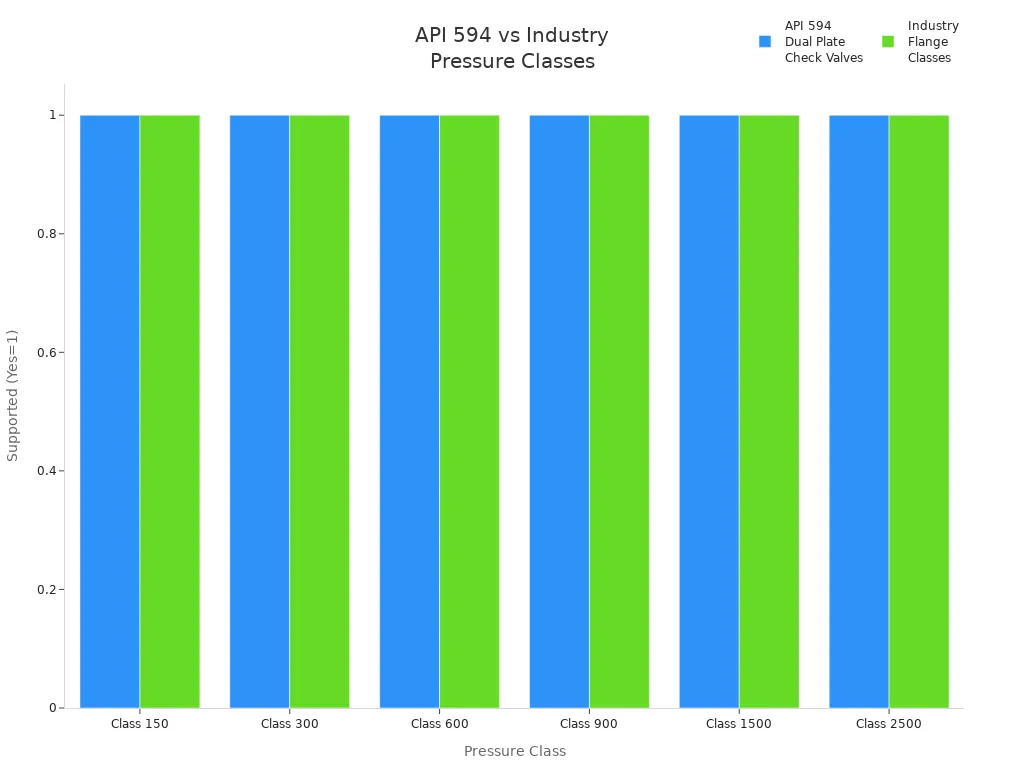
The chart shows API 594 dual plate check valves work from 150LB to 2500LB. This matches the pressure classes used in many factories. The valve is good for oil and gas, chemical plants, and water treatment.
Compliance with API and Industry Standards
The dual plate check valve follows strict world rules. These rules help keep people and equipment safe.
ASME B16.5 (NPS 2-24), ASME B16.47 Series A (NPS 26+), Series B on request
Face-to-Face Dimensions
API 6D, ASME B16.10
Material Standards
ASTM specifications for carbon steel, stainless steel, alloy steel, and special alloys
ASME B16.34 makes sure valves are safe for pressure and heat.
NACE MR-01-75 says what steel to use for sour gas, so it does not crack.
Following these rules means the valve is safe in tough places.
The wafer-type connection makes putting in the valve easy. Engineers put the valve between flanges and bolt it in place. This saves space and time. The valve is small and light, so it fits in tight spots.
These features help workers keep oil and gas systems safe and running well. The valve meets API, ASME, and NACE rules, so it lasts long and works right.
The dual plate check valve is very important in oil and gas. Engineers use this valve to keep equipment safe. It helps control the way fluid moves in pipelines. Here are some main ways people use this valve:
Oil and gas processing: Operators put these valves in systems from wells under the sea. The valves help separate oil, gas, and water.
Water treatment and injection: Facilities treat water from separation or seawater. The valve makes sure water is safe before it is thrown away or put back in.
LNG processes: The valve helps cool gas to very cold temperatures. This turns gas into liquid for easy storage and moving.
These uses give many good things:
Fast closing with Nimonic springs stops water hammer. This keeps pipelines safer.
The valve is small and light. This makes it cheaper and easier to put in and fix.
The valve lets fluid move with little pressure loss. This saves energy.
Materials that fight rust help the valve last longer in tough places.
Following API 594 and other rules means the valve works well in all parts of oil and gas.
Operators pick this valve because it stops backflow. It protects pumps and compressors. It also lowers fixing costs. The valve can handle oil, gas, steam, water, and chemicals. This makes it a smart choice for many pipelines.
Other Industrial Applications
Many industries use the dual plate check valve. It helps control fluid and keeps equipment safe. The table below shows where the valve is used and what fluids it handles:
Industry
Types of Fluids Handled
Offshore Engineering
Seawater (used in seawater pipeline systems)
Chemical Industry
Corrosive media such as acids, alkalis, and salts
Water Treatment Systems
Water (to prevent backflow and protect pumps/pipelines)
Petroleum and Natural Gas
Petroleum and natural gas (for safe pipeline operation)
Industrial Fluid Systems
Various fluids including cooling water and steam
These industries like the valve because it works well and handles many fluids. Using it in pipelines helps keep systems safe and working right.
Select the Right API 594 Check Valve
API 594 Wafer Check Valve
Sizing and Pressure Considerations
Engineers need to pick the right size and pressure class for an api 594 check valve in oil and gas systems. The valve size should match the pipe size. This helps fluid move easily and stops blockages. A 40-inch valve lets a lot of fluid pass with little pressure loss.
Choosing the pressure class is very important for safety. The pressure class, like 150LB or 300LB, shows the highest pressure the valve can handle at certain temperatures. In oil and gas work, the pressure class must be as strong as the flanges and other pipe parts. If the flange is weaker, it sets the highest pressure for the whole system. Matching the valve’s pressure class to the system keeps things safe and stops leaks.
The table below shows common pressure classes and where they are used:
Pressure Class
Typical Max Pressure (psi)
Common Applications
150 libbre
285
General oil and gas pipelines
300 libbre
740
Medium-pressure process systems
600 libbre
1480
High-pressure refinery and offshore
900LB+
2220+
Subsea, critical service, high temp
1500LB-2500LB
3705-6170
Extreme pressure, specialized plants
Note: API flanges can handle more pressure than ASME/ANSI flanges of the same size. For example, an ASME/ANSI weld neck flange rated at 600 psi matches an API 6A flange rated at 2000 psi. This means API flanges and valves are better for strong refinery and subsea jobs.
STV Valve Technology Group makes dual plate check valves from 2 inches to 60 inches and pressure classes from 150LB to 2500LB. This gives engineers many choices for any oil and gas project, from regular pipes to high-pressure and high-temperature places.
Material and Fluid Compatibility
Picking the right material for a check valve is just as important as choosing the size and pressure class. The valve material must handle the fluid’s properties and the place where it works.
Some things to think about are:
How corrosive the fluid is, its temperature, pressure, thickness, and if it has particles.
If stuff can build up inside the valve.
All the working and safety conditions, like very hot or cold temperatures and high pressure.
Outside things like wet weather, rain, desert heat, or being near the sea.
If the valve needs to fight rust to last long and work safely.
Carbon steel (like ASTM A216 WCB): Good for fluids that do not cause rust, like oil, water, and natural gas.
Stainless steel or special alloys: Best for fluids that cause rust, acids, or sour gas.
Bronze and cast iron: Used for water or low-pressure jobs.
Tip: Always pick a valve material that matches the fluid and where it will be used. For example, stainless steel does not rust in chemical plants, but carbon steel works well in regular oil and gas pipes.
Choosing the right material stops rust, keeps fluids clean, and helps the valve last longer. It also makes sure the valve meets all api and industry safety rules. By thinking about these things, engineers can pick the best api 594 check valve for any oil and gas job.
Preparation and Mounting
Putting in the API594 dual plate check valve the right way is important. This helps the valve work well and last a long time. Workers should look for the flow direction arrow on the valve before putting it in. If the valve goes in the wrong way, it can leak or let fluid go backward.
Before starting, workers need to clean the pipe. They must take out dirt, welding bits, or metal pieces. This keeps the valve from getting stuck and protects the seals. Using the right tools to check the flanges helps stop leaks and broken bolts. All bolts should turn easily by hand. This shows the valve is lined up right.
The table below shows some common mistakes, what can go wrong, and how to stop problems:
Common Error
Consequence
How to Avoid
Wrong flow direction
Valve disc fails, backflow occurs
Follow flow arrow on valve body
Dirty pipeline
Valve core sticks, leaks
Clean pipeline before installation
Incorrect angle or orientation
Valve does not close properly
Install in correct orientation for the pipeline
Valve too close to pump outlet
Water hammer, valve or pipeline damage
Maintain distance from pumps
Lack of support for large valves
Leakage or rupture
Provide proper support and anchoring
Big valves need extra support so they do not shake or move. This stops leaks and breaks. Putting in seals and gaskets the right way helps keep leaks away. After putting in the valve, workers should check that the plates move easily and the valve works well.
Maintenance Tips
Checking the dual plate check valve often keeps it working well. Workers should look at the valve two times a year or as the maker says. When checking, they need to look for worn parts, rust, or dirt inside. Cleaning out dirt or sludge helps the valve work its best.
If seals, springs, or discs look worn out, workers should change them right away. After fixing, they should test the valve with water or air to make sure it works and seals tight. Workers must always let out pressure and wear safety gear when fixing the valve.
Doing these steps helps the valve last longer and keeps oil and gas systems safe and working right.
Manufacturer and Delivery
STV Valve Technology Group is a trusted maker of API594 dual plate check valves. The company is in Wenzhou, China. It can make up to 6,000 tons of valves each year. This means customers get their orders on time, even if they need a lot or need them fast.
If someone orders a 40 Inch, 150LB API594 dual plate check valve, the wait time is like other big companies. Most companies take 15 to 30 days to make a sample, depending on what changes are needed. For big orders, it usually takes 30 to 60 days to deliver. STV Valve Technology Group answers questions fast, often in just two hours. This helps orders move quickly. Because of this, many people pick this company for oil and gas jobs all over the world.
Tip: Talk to the manufacturer early. This helps make sure all needs for the product and delivery are met.
Packaging and Payment Options
STV Valve Technology Group uses strong packaging to keep big valves safe when shipping far away. They use tough wooden boxes or crates, as API 594 section 9.3 says, to stop the valves from moving or getting hurt. Each valve gets covers made of wood, plastic, or metal to protect the openings and sealing parts. If the buyer does not say how to pack the valves, the company still packs them safely, sometimes using pallets or putting crates together.
These ways of getting and supporting help customers get good valves safely and on time. The payment choices also fit what customers need.
The API594 dual plate check valve meets many safety rules. It works well in oil and gas systems. Some good things about this valve are:
It is small, so it fits in tight spots.
The spring helps the disc close fast and control flow.
Strong materials help stop rust and damage.
To pick the best check valve, engineers should:
Know what fluid will go through and how it will work.
Check that the valve has the right safety papers.
Ask experts for advice to get the best choice.
If you need help or want to buy a valve, talk to a trusted manufacturer.
FAQ
China API 594 Check Valve Supplier,China API 594 Check Valve,China API 594 Wafer Check Valve
What does “150LB” mean for a check valve?
The “150LB” rating tells how much pressure the valve can take. It means the valve works up to 285 psi when it is not too hot or cold. This helps engineers pick the right valve for the system’s pressure.
Can the API594 dual plate check valve work with corrosive fluids?
A216 WCB carbon steel is used for most fluids. For fluids that cause rust or damage, engineers use stainless steel or special alloys. Always make sure the valve material matches the fluid before you choose.
Tip: Ask the manufacturer for help picking the right material for strong chemicals.
How does the wafer-type connection help with installation?
The wafer-type connection goes between two pipe flanges. This saves space and makes installation faster. The valve is small, so it is easy to move and put in tight spots.
What standards does the API594 dual plate check valve meet?
Standard
Purpose
API594
Design specification
ASME B16.34
Pressure safety
API598
Testing requirements
NACE MR-01-75
Corrosion resistance
These standards help keep oil and gas systems safe and working well.
You need solutions you can trust for controlling fluids in tough environments. High performance butterfly valves provide better sealing, longer durability, and precise flow control. This makes them essential for industries facing challenges like leaks, corrosion, or high pressure.
PTFE seats and specialized offset designs prevent leaks, even when exposed to harsh chemicals.
These valves withstand extreme temperatures and high pressure, ensuring long-lasting performance.
Leading high performance butterfly valves manufacturers offer options that reduce maintenance and downtime, helping your operations run more smoothly.
Choosing the right butterfly valve from top high performance butterfly valves manufacturers ensures compliance with strict safety and performance standards.
Key Takeaways
High performance butterfly valves use special designs and materials. They give a strong seal that does not leak. This makes them safe and reliable in hard conditions.
These valves can handle high pressure and very hot or cold temperatures. They last longer and do not need repairs often.
Their low torque design uses less energy. It lets you use smaller and cheaper actuators. This makes the system work better and lowers maintenance costs.
Good manufacturers sell certified valves with support and custom options. They help you pick the right valve for your needs.
High performance butterfly valves are used in many industries. They make things safer and control flow better. They also last longer in tough places.
Superior Sealing
Double and Triple Offset Design
You need valves that seal well with tough fluids or gases. High performance butterfly valves use special designs. The double eccentric butterfly valve and triple eccentric butterfly valve are examples. These designs move the disc away from the seat when working. This helps lower friction and stops the valve from wearing out fast. The triple offset design, also called the triple eccentric butterfly valve, stops rubbing between the disc and seat. This makes a bubble-tight shutoff, even with high pressure or heat.
New butterfly valve technology keeps getting better at sealing and lasting longer. Makers use strong materials like stainless steel and special alloys. These materials do not rust and can handle tough jobs. Some smart valves have sensors for checking and controlling from far away. You get better results, less downtime, and easier care.
PTFE Seats and Bubble-Tight Shutoff
PTFE (Teflon) seats are important in high performance butterfly valves. PTFE does not let chemicals hurt it and stops leaks, even with harsh liquids. This material helps the valve keep sealing well for a long time. You can count on these valves for bubble-tight shutoff. This is very important for safety and keeping things working right.
Tip: Pick high performance butterfly valves with PTFE seats if you need no leaks and strong chemical resistance.
Here are some common uses where great sealing matters:
Industry/Application
Importance of Superior Sealing in Butterfly Valves
Safety or Process Integrity Aspect
Oil & Gas Refineries
Valves work in tough, high-pressure, hot, and corrosive places
No leaks are key for safety; high pressure ratings (ASME Class 1500)
Shipbuilding
Give water-tight shut-off in pipes (ballast, firefighting, seawater)
Controls and stops flow, keeps backflow from happening
When you choose high performance butterfly valves with great sealing, you keep your work safe and follow the rules.
Pressure and Temperature Tolerance
C95800 High Performance Butterfly Valves Manufacturer,C95800 High Performance Butterfly Valves Supplier,C95800 High Performance Butterfly Valves Factory
Robust Materials
You need a valve that can handle hard work. High performance butterfly valves use metals like stainless steel and carbon steel. These metals help the valve work in high pressure and high heat. For example, some valves can take up to 740 psi and 400°F at 100 psi. Some can even handle 1440 psi and 1200°F. The table below shows the pressure and temperature limits for these valves:
Tipo di valvola
Material(s)
Maximum Pressure Rating (psi)
Temperature Range (°F)
High-Performance Butterfly Valves (general)
Carbon Steel, Stainless Steel
Up to 1440
Up to 1200
Double Offset High-Performance Butterfly Valves
Carbon Steel, Stainless Steel
150 or 300
-21 to 932
Triple Offset High-Performance Butterfly Valves
Carbon Steel, Stainless Steel
150, 300, 600, or 900
-320 to 1022
These metals stop rust and damage, so the valve lasts longer. You can trust these valves when you need safety and strength.
High Performance Butterfly Valve Applications
You want a valve that works with steam, gases, and rough liquids. High performance butterfly valves use double or triple offset designs. These designs lower rubbing and help the valve last longer. You get great sealing and steady flow, even in tough places. These valves also let your system run better by lowering pressure drops.
Note: High performance butterfly valves work well with steam and gases. But be careful with rough liquids. The disc and seat can wear out faster.
Makers build these valves to meet strict rules. You will see certifications like ISO 9001 for quality and ISO 14001 for the environment. Other rules include ASME B16.34 for pressure and heat, API 6D for pipeline testing, and API 607 for fire safety. These rules make sure your high performance butterfly valve is safe and strong.
When you pick high performance butterfly valves, you help stop leaks and pollution. Their tight seal and strong metals make your work safer, cleaner, and better.
Durability and Low Maintenance
Corrosion and Wear Resistance
You want your butterfly valve to last a long time, even in tough places. The right design and materials help a lot. High performance butterfly valves use metal-to-metal seals and special offset designs. They also use strong materials like alloy steel and stainless steel. These things protect the valve from rust and damage, even with strong fluids or high pressure.
Here is a table that shows how these features help your valve last longer and need less simple maintenance:
Design Feature
How It Helps Your Valve Last Longer
Metal-to-metal seals
Keep tight sealing at high temperature and pressure, stopping leaks and reducing wear.
Double offset design
Moves the stem off-center, lowering friction and making the valve last longer.
Triple offset design
Adds a conical seal, so there is no friction until the valve is fully closed.
High-performance materials
Alloy steel and stainless steel resist corrosion and wear, even in tough jobs.
Eccentric structure
Lets sealing surfaces separate quickly, reducing wear and making simple maintenance easier.
Innovative seal ring
Special PTFE and U-shaped seals boost durability and corrosion resistance.
Pressure-resistant valve body
Thick walls and strong materials protect against high pressure and temperature.
Central mandatory seal
Strengthens sealing, reducing leaks and wear under tough conditions.
When you pick butterfly valves with these features, you do not need to fix them as often. Your system works well, and you do not have to stop work for repairs.
Low-Torque Operation
Low torque operation is a big benefit of high performance butterfly valves. You do not need much force to open or close the valve. This means you can use smaller and lighter actuators. Smaller actuators save space and cost less money. They also use less energy, so you pay less to run your system.
Butterfly valves need less torque than ball valves because of their disc shape.
Low torque lets you use smaller actuators, which saves space and money.
Smaller actuators use less energy, so your system works better.
These valves open and close fast, which is good for quick systems.
You can choose actuator sizes that fit your system, so it stays reliable and easy to care for.
Less torque means less wear on parts, so you spend less on simple maintenance.
High performance butterfly valves are better for saving energy than other valves. Their design makes less pressure drop and gives you good flow control. If you use electric actuators, you save even more energy and money. Low torque operation is a smart choice if you want your system to be efficient and reliable.
You want high performance butterfly valves manufacturers you can trust. These companies make valves that follow strict rules like API, ASME, and ISO. Their experience helps them keep quality high. They check every valve for strength and the right size. You can ask for special sizes, materials, or temperature ratings for your needs.
When you pick high performance butterfly valves manufacturers, you get more than just valves. You also get help with setup and support after you buy. Warranties and return policies protect your money. You can pick from many types of valves, even ones with special flow control features. Good manufacturers have happy customers and a strong record. This helps you avoid problems and expensive fixes.
Tip: Always look for certifications and customer reviews before choosing high performance butterfly valves manufacturers. This helps you get valves that last and work well in tough places.
Wide Range of Applications
High performance butterfly valves work in many fields. You find them in oil and gas, power plants, mining, HVAC, and big buildings. These valves handle hot, cold, and strong chemicals. Their small size saves space in busy areas. Strong metals like stainless steel and chrome-moly alloys stop rust and damage.
You can use high performance butterfly valves for flow control in systems that need bi-directional flow control. They work with thick liquids, slurries, and solids. You can pick electric, pneumatic, or hydraulic actuators for your job. The table below shows how each actuator type helps you:
Actuator Type
Vantaggi
Disadvantages
Pneumatic
Fast action, easy to set up
Needs air supply
Electric
Exact control, works from far away
Needs electricity
Hydraulic
Strong force, good for hard jobs
Needs hydraulic lines
You make your system better with good flow control and easy setup. You follow safety and environmental rules. You also spend less on repairs and make valves last longer. High performance butterfly valves manufacturers help you stay strong in fields where safety and rules are important.
High Performance vs. Standard Butterfly Valve
Key Differences
It is important to know how high performance butterfly valves are different from standard butterfly valves before you pick one. The biggest differences are in their design, what they are made of, and how they work in tough places.
High performance butterfly valves use double or triple offset designs. These designs help lower friction and stop the valve from wearing out fast. The triple offset design has a metal-to-metal seal. This gives a tight shutoff even when things get really hot or under high pressure.
Standard butterfly valves have a simple centerline design with a rubber seat. This works fine for low pressure and low temperature jobs. But it cannot handle strong chemicals or high heat.
High performance butterfly valves are made from strong materials like stainless steel and special alloys. These materials do not rust and can handle tough fluids.
Standard butterfly valves are often made from cast iron and basic rubber. These work best for water or easy jobs.
Here is a table that shows the differences:
Feature
Standard Butterfly Valve
High Performance Butterfly Valve
Sealing Design
Centerline, rubber seat
Double/triple offset, metal-to-metal
Valutazione della pressione
Low
Up to 10 MPa
Temperature Range
Low
High, even with metal seats
Materiali
Cast iron, EPDM rubber
Stainless steel, advanced alloys
Maintenance
Frequent
Less frequent, longer service life
Typical Use
Water, HVAC
Oil & gas, chemical, power generation
One oil company had 60% fewer leaks after using metal-sealed high performance butterfly valves. This shows these valves seal better and last longer in hard jobs.
When to Choose High Performance
You should pick a high performance butterfly valve if your system has tough conditions or strict safety rules. Here are some times when it is smart to upgrade:
Chemical plants need valves that can handle strong acids and bases.
Mining needs valves that work with rough slurries and hard use.
Oil and gas sites want fire-safe, high-pressure valves for safety.
Power plants need valves that work with quick changes and high heat.
Pulp and paper mills use valves that do not clog with fibrous slurries.
Water and wastewater systems need leak-proof, strong valves.
If your job has high pressure, high heat, or strong chemicals, a high performance butterfly valve will seal better, last longer, and need less fixing. You also get better flow control and spend less on repairs. Upgrading helps you follow safety rules and keeps your system working well.
High performance butterfly valves seal very well and last a long time. They work in many different places and jobs. You should use these valves when leaks, high pressure, or heat are problems. When picking a valve, think about what size you need. Check the pressure rating and what it is made of. Look at how it will be put in and what actuator you want. Make sure the company that makes it is trusted. High performance butterfly valves help you follow safety rules. They also help your system work without problems.
FAQ
What makes a butterfly valve “high performance”?
A high performance butterfly valve uses special designs. It has double or triple offsets and strong materials. These features help the valve seal better. The valve can handle more pressure. It also lasts longer than regular butterfly valves.
Can you use high performance butterfly valves for both liquids and gases?
Yes, you can use these valves for liquids and gases. They also work with steam. The strong sealing and tough materials help control many things. You can trust them to work safely and well.
How do you know which size or type to choose?
You need to check your system’s pressure and temperature. Look at what kind of media you have. Check the valve’s pressure rating and what it is made of. Look at the seat design too. Ask the manufacturer if you need something special.
Do high performance butterfly valves need a lot of maintenance?
No, these valves do not need much maintenance. The strong materials and special designs help stop wear and rust. The valve lasts longer and needs fewer repairs.
Are high performance butterfly valves easy to automate?
Yes, you can automate these valves easily. You can use electric, pneumatic, or hydraulic actuators. The valve needs less force to work. This means you can use smaller actuators. Smaller actuators save space and energy.
UN valvola a sfera galleggiante is a type of quarter-turn valve widely used in industrial fluid control systems for its simplicity, reliability, and cost-effectiveness. Unlike trunnion-mounted ball valves, the ball in a floating ball valve is not supported by a stem or trunnion but instead “floats” between two seats. This design enables the ball to be pressed tightly against the downstream seat by line pressure, ensuring a secure seal with minimal components.
This article explores the key features, types, benefits, applications, and material options of floating ball valves, providing a comprehensive guide for engineers, procurement professionals, and industrial users.
🔧 How Does a Floating Ball Valve Work?
The operation of a floating ball valve is straightforward yet effective:
Quarter-Turn Operation: Rotating the valve handle or actuator 90 degrees moves the ball between open and closed positions.
Pressure-Assisted Sealing: In the closed position, the upstream pressure pushes the floating ball against the downstream seat, creating a tight seal.
Self-Aligning Design: The ball is free to move slightly within the valve body, allowing it to adjust dynamically to pressure changes and maintain a leak-proof seal.
Key Components:
Palla: Free-floating, typically made of stainless steel or other durable materials.
Seats: Usually made of PTFE, RPTFE, or metal for sealing.
Stelo: Connects the actuator to the ball for rotation.
Corpo: Encloses all components and connects to the pipeline.
Packing and Seals: Prevent leakage along the stem.
✅ Key Features of Floating Ball Valves
Floating ball valves are known for their robust and practical design, making them suitable for a wide range of applications:
1. Bi-Directional Sealing
Most floating ball valves can seal effectively in both flow directions, offering flexibility in system design.
2. Compact and Lightweight
With fewer components and no trunnion support, these valves are more compact and lighter than trunnion-mounted designs.
3. Full Bore and Reduced Bore Options
Puntiglioso: The ball hole matches the pipe diameter, ensuring minimal pressure drop and suitability for pigging operations.
Alesaggio ridotto: Smaller ball diameter reduces cost and is ideal for non-critical flow applications.
4. Low Torque Operation
Requires less force to operate compared to other valve types, making manual operation easier and reducing actuator size in automated systems.
5. Bubble-Tight Shutoff
Provides a reliable, leak-proof seal, essential for applications involving hazardous or expensive fluids.
6. Wide Pressure and Temperature Range
Suitable for pressures up to ASME Classe 800 and temperatures ranging from -196°C to over 400°C, depending on materials.
🧩 Types of Floating Ball Valves
Floating ball valves can be categorized based on design, assembly, and port configuration:
1. By Body Assembly
One-Piece Body: Compact and lightweight, but generally not repairable.
Two-Piece Body: Allows for inline maintenance and seat replacement.
Three-Piece Body: Offers the highest level of serviceability, with removable ends for easy cleaning and repair.
2. By Bore Type
Puntiglioso: Unrestricted flow, ideal for pipelines requiring pigging or minimal pressure loss.
Alesaggio ridotto: Economical option for general flow control where pressure drop is not a concern.
3. By Port Configuration
2-Way: Standard on/off control with two ports.
3-Way: Available in L-port or T-port designs for diverting or mixing flow.
🧰 Materials of Construction
The choice of materials is critical to ensure compatibility with the service media and operating conditions:
1. Body Materials
Carbon Steel (WCB/A105): Suitable for oil, gas, and general industrial applications.
Stainless Steel (CF8/CF8M): Excellent corrosion resistance for water, chemical, and food industries.
Brass/Bronze: Used in low-pressure, non-corrosive systems like plumbing and HVAC.
Alloy Steels (Hastelloy, Monel, Inconel): For highly corrosive or high-temperature environments.
2. Seat Materials
PTFE: Chemically inert, ideal for most general services.
RPTFE: Enhanced with fillers for better wear and temperature resistance.
Metal Seats: Used in high-temperature or abrasive applications.
3. Ball and Stem Materials
Stainless Steel (304/316): Standard for corrosion resistance.
Chrome-Plated or Nickel-Plated: For improved hardness and wear resistance.
🏭 Common Applications
Floating ball valves are used across a wide range of industries due to their versatility and reliability:
1. Oil and Gas
Pipeline isolation
Tank farm manifolds
Refinery process units
LNG systems
2. Chemical and Petrochemical
Acid and caustic handling
Batch processing lines
Solvent and chemical transfer
3. Water and Wastewater
Potable water distribution
Treatment plant influent/effluent control
Sludge and chemical dosing systems
4. General Industrial
HVAC systems
Compressed air networks
Low-pressure steam and condensate lines
✅ Benefits of Floating Ball Valves
Cost-Effective: Simpler design and fewer components make them more affordable than trunnion-mounted valves.
Ease of Maintenance: Modular designs allow for easy seat replacement and repairs without removing the valve from the pipeline.
Reliable Sealing: Pressure-assisted sealing ensures leak-proof performance even in low-pressure conditions.
Fast Operation: Quarter-turn actuation enables quick shutoff, critical in emergency situations.
Versatility: Suitable for a wide range of fluids, pressures, and temperatures.
⚠️ Limitations and Considerations
While floating ball valves offer many advantages, they are not suitable for all applications:
Size Limitations: Typically used in smaller sizes (up to 6 inches) due to increased torque requirements in larger diameters.
Pressure Constraints: Best suited for low to medium pressures (up to Class 800). High-pressure applications may require trunnion-mounted valves.
Seat Wear: Soft seats may degrade in abrasive or high-temperature environments, requiring more frequent maintenance.
Flow Direction Sensitivity: Some designs require specific flow directions for optimal sealing performance.
🔧 Installation and Maintenance Tips
Verify Flow Direction: Ensure the valve is installed in the correct orientation, especially for non-bidirectional designs.
Flush the Pipeline: Remove debris or welding slag before installation to prevent seat damage.
Regular Lubrication: Periodically lubricate the stem and packing to ensure smooth operation.
Inspect Seats and Seals: Check for wear or damage during routine maintenance and replace as needed.
Torque Specifications: Follow manufacturer guidelines for actuator torque to avoid over-tightening and stem damage.
📜 Industry Standards and Compliance
Floating ball valves are manufactured to meet various international standards, ensuring quality and performance:
API 608: Standard for metal ball valves.
ASME B16.34: Valves – Flanged, Threaded, and Welding End.
ISO 17292: Petroleum and natural gas industries – Ball valves.
NACEMR0175: For sour gas service compatibility.
🏁 Conclusion
Floating ball valves are a reliable, cost-effective, and versatile solution for a wide range of industrial applications. Their simple design, effective sealing, and ease of operation make them a popular choice for oil and gas, chemical processing, water treatment, and general industrial systems.
While they may not be suitable for very high-pressure or large-diameter applications, their benefits in low to medium-pressure environments are unmatched. By selecting the right materials, design, and configuration, users can ensure long-lasting and efficient performance.
In industries where safety, reliability, and efficiency are paramount, check valves play a critical role in preventing backflow and protecting equipment from damage. Among the various standards governing valve design and performance, API594 stands out as a benchmark for quality and dependability in wafer, lug, and double flanged check valves.
In this article, we’ll explore what API 594 check valves are, their key features, benefits, common applications, and why they are trusted across global industries.
A351 CF8 Dual Plate Check Valve Manufacture, API 594 Dual Plate Check Valve, China 150LB Dual Plate Check Valve
API 594 is a standard published by the American Petroleum Institute (API) that specifies the requirements for swing check valves E dual plate check valves with wafer, lug, or double flanged designs. These valves are primarily used in oil & gas, petrochemical, power generation, and water treatment industries.
The standard ensures that the valves meet stringent criteria for pressure-temperature ratings, design, materials, testing, and performance, making them suitable for high-demand environments.
Key Features of API 594 Check Valves
1. Compact and Lightweight Design
Wafer and lug types reduce space and weight compared to traditional flanged valves.
Ideal for installations with space constraints.
2. Dual Plate or Swing Disc Options
Dual plate check valves feature two spring-loaded plates for quick closure and reduced water hammer.
Valvole di ritegno a battente use a single disc and are suitable for lower velocity applications.
3. Bubble-Tight Sealing
Designed to provide leak-proof shutoff, preventing reverse flow effectively.
4. Wide Range of Materials
Body materials include carbon steel, stainless steel, duplex steel, and exotic alloys.
Trim materials can be customized for corrosion resistance and durability.
5. Compliance with International Standards
API 594 valves often comply with or exceed ASME B16.34, NACE MR0175, and PED requirements.
Benefits of Using API 594 Check Valves
✅ Enhanced Safety
Prevents backflow, protecting pumps, compressors, and other critical equipment.
✅ Reduced Maintenance Costs
Robust construction and reliable sealing minimize downtime and repair needs.
✅ Versatility
Suitable for a wide range of fluids, including oil, gas, steam, water, and chemicals.
✅ Cost-Effectiveness
Lower total cost of ownership due to durability, efficiency, and long service life.
✅ Global Acceptance
API 594 certification is recognized worldwide, making these valves ideal for international projects.
Common Applications
API 594 check valves are used across various industries, including:
Ensure the valve matches the system’s operating conditions.
End Connection Type
Wafer, lug, or flanged depending on installation requirements.
Material Compatibility
Select materials based on the fluid type and corrosion risk.
Size and Flow Requirements
Proper sizing prevents pressure drop and ensures optimal performance.
Certifications Needed
Check for NACE, PED, or fire-safe certifications if required.
Conclusione
API 594 check valves are an essential component in modern industrial systems, offering unmatched reliability, safety, and efficiency. Their adherence to stringent API standards ensures consistent performance even in the most challenging environments.
Whether you’re designing a new system or upgrading existing infrastructure, API 594 check valves provide a trusted solution backed by decades of engineering excellence.
Need Help Sourcing API 594 Check Valves?
If you’re looking for high-quality API 594 check valves from reputable manufacturers, feel free to reach out. We can assist with technical specifications, quotes, and sourcing from certified suppliers in China and beyond.
Contact us today and ensure your systems are equipped with the best in class valve technology!
Globe valves are one of the most widely used types of valves in industrial applications, known for their excellent throttling capability and reliable shutoff performance. In recent years, China has emerged as a global leader in valve manufacturing, producing high-quality globe valves that meet international standards while offering competitive pricing. This blog explores the key features, types, benefits, and applications of China-made globe valves, helping you make informed procurement decisions.
UN valvola a globo is a linear motion valve used to regulate, control, or stop the flow of fluid in a pipeline. It consists of a movable disk-type element and a stationary ring seat in a generally spherical body. The name “globe valve” comes from the globular shape of the valve body.
Unlike ball valves or gate valves, globe valves are designed for precise flow control, making them ideal for applications requiring accurate modulation of fluid flow.
Key Features of China Globe Valves
China-made globe valves are engineered with advanced manufacturing techniques and strict quality control. Here are some of their standout features:
1. Precise Throttling Control
Globe valves provide superior flow regulation compared to many other valve types, thanks to their design that allows gradual opening and closing.
2. Reliable Sealing
With a disk-and-seat configuration, these valves offer a tight seal, minimizing leakage even in high-pressure systems.
3. Versatile Design Options
Available in various patterns—T-pattern (standard), Y-pattern (angled), E Angle pattern—to suit different installation requirements.
4. Wide Material Selection
China manufacturers offer globe valves in materials such as:
Cast Iron (CI)
Cast Steel (WCB, WC6)
Stainless Steel (CF8, CF8M)
Bronze and Brass
Alloy Steels (Monel, Inconel)
5. Compliance with International Standards
Many Chinese manufacturers adhere to global standards such as:
API602 (Gate, Globe, and Check Valves)
ASME B16.34 (Valves – Flanged, Threaded, and Welding End)
Angle Pattern Globe Valve: Combines a 90° elbow and valve into one unit, saving space.
2. By End Connection
Flanged End: Suitable for high-pressure and large-diameter pipelines.
Threaded End (NPT/BSP): Used in smaller lines and low-pressure systems.
Socket Weld and Butt Weld: Preferred for high-integrity applications.
3. By Actuation Method
Manual (Handwheel/Lever)
Pneumatic Actuated
Electric Actuated
Hydraulic Actuated
Benefits of Sourcing Globe Valves from China
1. Cost-Effectiveness
China offers highly competitive pricing due to mass production capabilities and lower labor costs, without compromising on quality.
2. High Manufacturing Capacity
Chinese factories can produce large volumes quickly, making them ideal for bulk procurement and international projects.
3. Customization Options
Many manufacturers provide OEM/ODM services, allowing customization in terms of material, size, pressure rating, and end connections.
4. Global Compliance and Certification
Reputable Chinese valve manufacturers often hold certifications such as:
ISO 9001
CE/PED
API 6D
TS (China Special Equipment Certification)
5. Export Experience
With decades of experience in global trade, Chinese suppliers are familiar with export logistics, documentation, and international client requirements.
Common Applications of China Globe Valves
China-made globe valves are widely used across industries, including:
Oil & Gas: Flow control in pipelines, refineries, and storage systems.
Power Generation: Boiler feedwater control, steam regulation.
Chemical Processing: Handling corrosive and high-purity fluids.
Water & Wastewater: Flow regulation in treatment plants and distribution systems.
HVAC Systems: Temperature and flow control in heating and cooling systems.
Pharmaceuticals & Food Processing: Sanitary flow control in sterile environments.
How to Choose the Right China Globe Valve Supplier
When selecting a supplier, consider the following:
1. Product Quality and Testing
Ensure the supplier conducts rigorous testing, including:
Pressure tests (hydrostatic and pneumatic)
Material traceability
Dimensional inspection
2. Certifications and Compliance
Look for suppliers with relevant international certifications to ensure product reliability and safety.
3. After-Sales Support
A good supplier provides technical support, spare parts availability, and warranty services.
4. Reputation and Reviews
Check client testimonials, case studies, and third-party reviews to gauge supplier credibility.
Conclusione
China has firmly established itself as a leading manufacturer of high-quality globe valves, combining advanced engineering, cost efficiency, and global compliance. Whether you need precise flow control in chemical processing or reliable shutoff in oil and gas systems, China-made globe valves offer a robust and economical solution.
For businesses seeking dependable valve suppliers, China presents a wealth of options backed by manufacturing excellence and international expertise.
If you’re interested in sourcing globe valves from China, feel free to reach out for tailored recommendations, quotes, or technical support. Let us help you find the perfect valve solution for your project!
China B62 Gate Valve Supplier,150LB B62 Gate Valve ,2 Inch B62 Gate Valve
You need to install a b62 forged steel valve with care to achieve the best performance and reliability. Always use clean tools and keep the valve free from dirt. Make sure you follow the correct steps to protect both the system and those who use it.
Proper installation keeps your equipment safe and working longer.
Key Takeaways
Get your workspace ready and keep valvole in dry spots. Check valves for damage before you put them in.
Put the valve in the right way by following the flow arrow. Use the right tools so you do not cause leaks or break anything.
Wear safety gear that fits. Make sure the system is off and has no pressure before you start.
After you put in the valve, test it to find leaks or problems early. Write down all checks and repairs you do.
Look at the valve often, clean it, and add lubricant. This helps the valve work well and last longer.
B62 Forged Steel Valve Overview
Caratteristiche principali
A b62 forged steel valve is made for hard work. The valve body is made from aluminum bronze ASTM B62. This material helps stop rust and damage from chemicals. The valve has a dual plate wafer check valve design. It uses spring-loaded dual plates to control flow and stop backflow. The pin structure is tight, which makes the valve stronger.
These forged steel valves follow rules like API 594, API 6D, ASME B16.5, DIN 3202, and NACE MR-01-75. Many api certified valves are fire-safe. This means they help protect your system in emergencies. The wafer design is small, so it fits in tight spaces. These valves work well in high-pressure systems and tough places.
Tip: Always look at the design and standards before you install a valve. This helps you pick the right one for your needs.
Material composition: Aluminum bronze ASTM B62
Dual plate wafer check valve design
Spring-loaded dual plates for reliable sealing
Tightened pin structure for durability
Fire-safe design for added safety
Compliance with major industry standards
Superior corrosion resistance and mechanical strength
Applicazioni
B62 forged steel valves are used in many industries. They can handle water, steam, hydrocarbons, and strong chemicals. You will see them in power plants, chemical factories, oil and gas, and water treatment plants. Their design is good for jobs that need strong rust protection and steady performance.
Various media in medicine and bio-product manufacturing
Petrochemical Refineries
Crude oil, refined products
HVAC Systems
Steam, water
Cryogenic Applications
Liquefied natural gas (LNG) and other cryogenic fluids
You can find these valves in heating systems, plumbing, and water pipes. They work best in lower-pressure jobs but can also handle tough places. More industries use forged steel valves as they want better safety and performance.
Comprehensive Guide to Preparation
You should get ready before you put in a B62 forged steel valve. Good planning helps stop problems and keeps your system safe.
Storage and Handling
You need to store valves the right way to stop rust. Always keep them in a dry place inside. Put end covers on the valve openings to keep out dust. Use desiccants like silica gel to soak up water in the air. This helps keep the area dry and stops rust from starting. Make sure air can move around the storage space. Good airflow keeps wet air from staying near the valves.
If you must keep valves outside, use covers that block rain and sun. Try to keep the temperature the same so water does not form on the steel. Water drops can make rust happen faster and hurt the valve. Check the valves often for rust or damage. Put on special coatings or use rust stoppers if needed, especially if the air is wet or salty.
Keep valves in a dry, cool place if you can
Use end covers and desiccants to keep out dust and water
Make sure air moves well and the temperature stays steady
Cover outdoor valves with strong, weather-proof covers
Look at valves often to find rust or damage
Use coatings to protect valves when needed
Tip: Check and care for your valves often. This helps you find problems early and makes your valves last longer.
Inspection and Compatibility
Look at the valve closely before you put it in. Check for damage, rust, or missing parts. Make sure the valve is right for your system. Check if the valve works with the fluid you will use. You also need to see if the valve can handle the pressure and heat in your system. Using the wrong valve can cause leaks or even break your system.
Read the data sheet from the maker for each valve. The sheet tells you how much pressure and heat the valve can take. Only use valves that meet or go above what your system needs. This step is very important for safe installation.
Note: Always check if the valve fits your system. The right valve keeps your system safe and working well.
Safety Precautions
PPE and System Shutdown
You need to keep yourself safe before installing a valve. Always wear the right PPE. This means safety goggles, gloves, and strong shoes. If it is loud, wear ear protection. Wear a helmet if things might fall.
Turn off the system before you start work. Make sure all the pressure is gone from the pipes. Use lockout and tagout steps to keep things safe. Never put in a valve when the system has pressure. This keeps you and your team safe from leaks or bursts.
Check the area where you will work. Make sure you have enough room to move. Keep your tools and parts neat. Good planning helps stop accidents.
Here is a table that lists important safety steps for B62 forged steel valve installation:
Safety Aspect
Critical Safety Precautions and Measures
Installation Location
Put valves straight up, close to equipment, with space for repairs.
Pressure Vessel Installation
Place valves above the liquid in the vapor area; use shut-off valves for dangerous fluids.
Clogging Prevention
Use burst discs, check valves, or heat tracing to stop clogging or rust.
Fluid Pressure Stability
Put valves where pressure stays steady, away from changes and dead spots.
Support and Stability
Give the valve body strong support so it works safely.
Tip: Always check that there is no pressure before you start. This easy step can stop bad injuries.
Manufacturer Guidelines
Always read the manufacturer’s instructions before you begin. Each B62 forged steel valve may need special steps. The manual tells you the right torque, tools, and tips for pressure. Follow these steps to avoid mistakes.
The guide also tells you how to handle the valve and what to do if you see leaks or damage. If you skip these steps, you could break the valve or hurt the system. Keep the manual close while you work.
Note: The manufacturer’s instructions help you install the valve safely and keep your system working right.
B62 Forged Steel Valve Installation Steps
China B62 Gate Valve Supplier,1 Inch B62 Gate Valve
Positioning and Orientation
It is important to put the b62 forged steel valve in the right spot. Always set the valve sideways, not up and down. Find the arrow on the valve body. The arrow shows which way the fluid should go. Line up the valve with this arrow. This helps the disc open and close the right way. The fluid pushes the disc open and stops it from going backward.
Do not put the valve straight up or down. Gravity can make the disc move wrong. This can cause the valve to work badly. If you put the valve in the wrong way, it might leak or break. The right position keeps your system safe and working well.
Tip: Check the arrow for flow before you tighten bolts. This easy check can stop big problems later.
Hand Threading and Tightening
Start with the b62 forged steel valve closed. This keeps dirt out when you add it to the pipe. Use your hands to screw the valve onto the pipe first. Hand threading stops you from messing up the threads. This keeps the valve and pipe safe.
After hand threading, use a wrench to make it tight. Do not use too much force. Too much force can crack the valve or bend the seal. Tighten the bolts in a crisscross way. This spreads the pressure and helps the ball valve fit right. Always use the torque numbers from the manual.
Note: Tightening too much is a common mistake. It can make leaks and shorten the life of your ball valve.
Valve Mounting and Connections
Follow good steps when you put in the valve and connect it. These steps help stop leaks and breaks:
Choose the right valve type and material for your job.
Get the area ready. Let out the pressure, clean the pipes, and line things up.
Put in the valve with care. Follow the arrow, line up the valve, use good gaskets, and tighten bolts to the right number.
Test the valve after you put it in. Open and close the ball valve to see if it moves well and does not leak.
Plan for repairs. Add shut-off valves and extra lines near the b62 forged steel valve. These let you fix or check the valve without stopping everything.
Adding shut-off valves and extra lines makes repairs safer and easier. Extra lines between both sides of big valves lower the pressure difference. This makes opening and closing easier and stops wear on the gate and seal. It also helps the valve last longer and keeps it safe. Safety valves or extra lines can control sudden pressure changes and protect your equipment.
Callout: For systems that need double block and bleed, use two ball valves with a bleed valve in the middle. This lets you check for leaks and safely close off parts of the pipe.
The strong valve body and tight seal of the b62 forged steel valve help stop leaks. Always use good gaskets and check the line-up when you put it in. Good pipe work and careful mounting keep your system running well.
Ball Valve Operation and Accessories
IL b62 ball valve is easy to use and works well. You can pick how you want to open or close it. There are different ways to do this. Each way changes how you move the valve. You should learn about these choices before you start.
Handwheel and Operating Nut
You can use a handwheel to turn the b62 ball valve. The handwheel lets you open or close it by hand. This is good for small jobs or quick changes. An operating nut goes on top of the valve stem. You can use a wrench or tool to turn the nut. This gives you more power if the valve is stuck.
Tip: Turn the handwheel or nut slowly. If you turn too fast, you might break the valve or make it leak.
Some b62 ball valves have a handle you can lock. This keeps the valve open or closed. You can use a padlock for more safety. This stops people from changing the valve by mistake.
Extension Stems and Options
Sometimes the b62 ball valve is hard to reach. Extension stems help you use the valve from far away. You can put these on the valve stem. This makes it easy to open or close the valve from another spot.
There are other things you can add to help. Here is a table with some choices:
Accessory
Use Case
Locking Device
Stops the valve from moving by accident
Position Indicator
Shows if the valve is open or closed
Gear Operator
Makes it easier to turn big ball valves
Pneumatic Actuator
Lets you use air to open or close the valve
Electric Actuator
Lets you use electricity to move the valve
You can pick manual or automatic ways to use your b62 ball valve. Automatic ways use electric or air-powered parts. These let you control the valve from a control room or with a button. You should choose the right things for your system and safety.
Note: Always make sure the accessories fit your b62 ball valve before you put them on.
Common Mistakes to Avoid
When you install a B62 forged steel valve, you need to watch out for some common mistakes. These errors can lead to leaks, damage, or unsafe systems. If you avoid these problems, your valve will last longer and work better.
Over-Tightening
You might think that making bolts extra tight will stop leaks. In fact, over-tightening can crack the valve body or damage the gasket. This mistake often leads to leaks or even breaks the valve. Always use a torque wrench and follow the numbers in the manual. Tighten bolts in a crisscross pattern. This spreads the force and keeps the valve safe.
Tip: If you feel strong resistance before reaching the recommended torque, stop and check for cross-threading.
Contamination and Cleanliness
Dirt, dust, or small metal pieces can get inside the valve during installation. These particles can scratch the sealing surfaces or block the valve from closing. You should always clean the pipes and valve before you start. Use clean gloves and tools. Keep the valve covered until you are ready to install it. Even a small bit of dirt can cause big problems later.
Here is a simple checklist to help you keep things clean:
Wipe down all parts before assembly
Use clean, lint-free cloths
Check for debris inside the valve and pipes
Skipping Pressure Tests
You need to test the valve after installation. Skipping this step is a big mistake. Pressure tests help you find leaks or weak spots before you use the system. If you do not test, you might miss a problem that could cause a failure under pressure. Always follow the manufacturer’s steps for pressure testing. Record your results for future checks.
Note: Pressure tests protect your system and help you catch problems early.
Troubleshooting and Maintenance
Leak Detection
You need to check for leaks often to keep your B62 forged steel valve working well. Leaks can waste fluid and lower system pressure. You can spot leaks by looking for wet spots, drips, or stains around the valve and pipe joints. Listen for hissing sounds, which can mean gas or air is escaping. Use a leak detection spray or soapy water on the joints. Bubbles will show you where leaks are hiding.
Tip: Always check for leaks after you install or repair a valve. Early detection helps you fix problems before they get worse.
If you find a leak, tighten the bolts to the correct torque. Replace damaged gaskets or seals. If the leak does not stop, you may need to replace the valve.
Lubrication and Cleaning
Lubrication keeps the valve moving smoothly. You should use the lubricant recommended by the manufacturer. Apply it to the stem and moving parts. Do not use too much. Extra lubricant can attract dust and dirt.
Cleaning is just as important. Wipe the valve body and handle with a clean, dry cloth. Remove any dirt, dust, or buildup. For tough spots, use a soft brush. Never use harsh chemicals unless the manufacturer says it is safe.
Here is a simple checklist for valve care:
Lubricate moving parts as needed
Wipe down the valve regularly
Remove buildup from the stem and handle
Inspection Schedule
You should inspect your B62 forged steel valve on a regular schedule. Check the valve every month in busy systems. For less-used valves, inspect them every three to six months. Look for leaks, rust, or signs of wear.
Inspection Task
Frequency
Leak check
Monthly
Lubrication
Every 3 months
Cleaning
Monthly
Full inspection
Every 6 months
Note: Always follow the manufacturer’s operation and maintenance manual. The manual gives you the best advice for your specific valve.
Regular checks help you catch problems early. This keeps your system safe and running smoothly.
Verifying Reliable Performance
Functional Testing
After you put in your B62 forged steel valve, you need to check it. Testing shows if the valve works right. First, open and close the valve a few times. Watch how it moves and listen for odd sounds. If it feels stuck or makes noise, you might need to fix it.
Use a pressure gauge to check the system before and after the valve. If the pressure drops, there could be a leak. You can test the valve with water or air like you use in your system. If you see bubbles or drips, the valve might not seal well.
Here is a simple checklist for testing:
Open and close the valve all the way
Look for leaks at every joint
Listen for hissing or grinding sounds
Check the pressure before and after the valve
Make sure the valve seals tight
Tip: Always test the valve with the same fluid and pressure as your system. This helps you get the best results.
Documentation
You should write down every test and check you do. Good records help you see if there are problems early. Write the date, what test you did, and what happened. Add any repairs or changes you made.
Use a table to keep your records neat. This helps you find what you need later.
Date
Test Type
Result
Action Taken
2024-06-01
Pressure Test
Passed
None
2024-06-15
Leak Inspection
Small Leak
Tightened bolts
2024-07-01
Functional Check
Smooth
Lubricated stem
You can use a notebook or a computer file. Always update your records after each test. Good records show your valve is safe and help your system work well.
Note: Keeping good records makes it easier to fix problems and plan for future care.
You can make your B62 forged steel valve work well by doing these things:
Get your workspace ready and look at the valve first.
Install the valve safely every time.
Test the valve often and keep it in good shape.
Always read the manufacturer’s manual for more info. If you have hard problems, talk to an expert. For extra help, check guides about fixing and caring for valves.
FAQ
How do you know if a B62 forged steel valve fits your system?
Check the valve’s size, pressure rating, and material. Read the manufacturer’s data sheet. Make sure the valve matches your fluid type and temperature. If you have doubts, ask an expert.
What tools do you need for installation?
You need a torque wrench, clean gloves, and a soft cloth. Use a handwheel or operating nut for the valve. Always follow the manufacturer’s tool list for best results.
How often should you inspect the valve?
Inspect the valve every month if you use it often. For less-used valves, check every three to six months. Look for leaks, rust, or wear. Keep a record of each inspection.
Can you install the valve in any position?
No, you must follow the flow arrow on the valve body. Install the valve sideways, not straight up or down. This helps the disc work right and stops leaks.
What should you do if you find a leak?
Tighten the bolts to the correct torque. Replace damaged gaskets or seals. If the leak continues, you may need to change the valve. Always test after repairs.
A 3-way ball valve is a versatile flow control device that uses a rotating ball with a specific internal passage to direct flow between three ports. Unlike a standard 2-way valve (which simply opens or closes one flow path), a 3-way valve can perform complex functions like diverting, mixing, or shutting off flow in different combinations. Here’s a detailed breakdown of how it works:
1. Core Components Body: Houses the internal components and has three ports (typically labeled A, B, and C, or sometimes 1, 2, 3). Port configuration can be L-shaped or T-shaped. Ball: A spherical ball with a precisely machined internal passage (either L-shaped or T-shaped) that aligns with the ports. Seats: Soft (e.g., PTFE, RPTFE) or metal seals that surround the ball, providing a tight shutoff when the ball is rotated against them. Stem: Connects the ball to the actuator (handle, lever, gear operator, or automated actuator). Rotating the stem 90 degrees turns the ball. Actuator: The mechanism used to turn the stem (manual handle, gear, pneumatic, electric, or hydraulic actuator). End Connections: How the valve connects to the piping (e.g., threaded, socket weld, butt weld, or flanged).
2. The Key: Internal Ball Geometry (L-Port vs. T-Port)
The shape of the passage drilled through the ball determines the valve’s flow path capabilities: L-Port Ball Valve: The internal passage is drilled in an “L” shape. Function: Primarily used for diverting flow from one common inlet to one of two outlets (or vice-versa). It can also shut off flow completely. Flow Paths: Port A (Common Inlet) -> Port B (Outlet 1) / Port C (Outlet 2) Closed Port A (Common Inlet) -> Port C (Outlet 2) / Port B (Outlet 1) Closed All Ports Closed (Shutoff Position) Cannot mix flows from two inlets into one outlet simultaneously. T-Port Ball Valve: The internal passage is drilled in a “T” shape. Function: More versatile than L-port. Can perform diverting (like L-port), mixing (combining flows from two inlets into one outlet), and shutoff. Flow Paths: Diverting: Port A (Inlet) -> Port B (Outlet 1) / Port C (Outlet 2) Closed (or A->C, B closed) Mixing: Port A (Inlet 1) + Port B (Inlet 2) -> Port C (Common Outlet) Through Flow: Port A -> Port C (with Port B open but not contributing flow, acting like a straight-through valve) All Ports Closed (Shutoff Position – requires specific ball design/position). For a concrete example of a T-port valve, consider this ANSI 150lb 3-way ball valve with flange ends and an ISO direct mounting pad, designed for robust industrial flow control:
3. How It Works: The Rotation
Initial Position: The ball is rotated so its internal passage aligns with specific ports, creating the desired flow path (e.g., A->B for diverting, A+B->C for mixing). Actuation: The handle or actuator is turned, typically 90 degrees. Ball Rotation: The stem rotates the ball inside the body. Flow Path Change: The internal passage of the ball moves, breaking the previous alignment and creating a new one with different ports. For example: An L-port valve might shift flow from A->B to A->C. A T-port valve might shift from mixing (A+B->C) to diverting (A->B, C closed). Sealing: The seats press against the smooth surface of the ball, ensuring no leakage occurs between the ports not connected by the passage in that position.
4. Common Applications
Diverting: Switching flow between two different filters, heat exchangers, or process lines. Mixing: Combining hot and cold water streams to achieve a desired temperature, or blending different chemical components. Shutoff: Isolating a section of pipe or equipment (often combined with diverting/mixing functions). Bypass: Allowing flow to bypass a piece of equipment (like a pump or strainer) for maintenance or operation. Sampling: Directing a process stream to an analyzer or sample point.
5. Advantages
Versatility: Handles multiple flow functions (divert, mix, shutoff) in one valve. Compact Design: Replaces multiple 2-way valves and fittings, saving space and reducing potential leak points. Quarter-Turn Operation: Fast and easy actuation (90 degrees). Good Sealing: Provides reliable shutoff when quality seats are used. Wide Range: Available in various sizes, materials (brass, bronze, stainless steel, PVC, CPVC), pressure ratings, and end connections. 6. Considerations
Pressure Drop: Flow through the passage can cause a slight pressure drop compared to a straight pipe. Cavitation: Potential for cavitation in high-pressure drop applications, especially with liquids. Wear: Seats can wear over time, especially with abrasive fluids or frequent cycling. Actuation Torque: Requires more torque to operate than a 2-way valve due to the larger ball surface area and potential pressure imbalance. Automated actuators need to be sized appropriately. Configuration Choice: Selecting the correct L-port or T-port configuration is critical for the intended application. In essence: A 3-way ball valve works by rotating a ball with a precisely shaped internal passage (L or T) to align different combinations of its three ports. This rotation, typically 90 degrees, allows it to switch flow paths (divert), combine flows (mix), or isolate specific ports, providing versatile flow control in a compact and efficient package. Understanding the difference between L-port and T-port configurations is key to selecting the right valve for your specific application.
Why Use a Ball Valve Versus a Globe Valve? Understanding the Right Choice for Your System
Selecting the optimal valve type is critical for system efficiency, safety, and performance. With numerous options available, understanding the distinct advantages of valvole a sfera E valvole a globo helps engineers make informed decisions tailored to their specific needs. Here at PrecisionFlow Controls, we regularly guide clients through this comparison – let’s explore why one might prevail over the other in your application.
What’s the Fundamental Distinction?
The core contrast lies in their operational mechanics:
Valvole a sfera function as rotational quarter-turn devices. A central hollow ball spins 90 degrees within the valve body. Aligning its bore with the pipeline opens flow fully; perpendicular position blocks it completely. Think of it like turning a doorknob sharply left or right.
Valvole a globo operate via linear stem movement (hence also called “plug valves”). A discoid plug attached to the bottom of the stem ascends or descends vertically against stationary seats stacked inside the rounded body chamber. Partial openings proportionally restrict flow based on lift height. It’s similar to sliding open a vertical window shade.
This inherent design difference dictates their primary strengths:
✅ Ball Valves Excel At: Fast, tight shutoff with minimal pressure drop when fully open. Ideal for isolation duties where leakage prevention matters most.
📉 Globe Valves Specialize In: Precision throttling and modulating variable flow rates accurately across a wide range. Best for flow control scenarios requiring fine adjustments.
How Does Each Work Mechanically?
Ball Valve Operation
Imagine placing a drilled marble inside a tube fitting. Twist that marble a quarter turn so its hole channels fluid straight through – that’s essentially how a floating ball valve works. Most feature:
1.A trunnion-mounted or supported ball ensuring stable alignment even under pressure surges.
2. Resilient seating materials (like PTFE or PEEK) creating bubble-tight seals upon closure after just 90° rotation.
3.Handle position clearly indicating status: parallel = Open; perpendicular = Closed. Some include locking mechanisms for safety compliance.
Their simplicity enables incredibly rapid actuation—manual lever throws can cycle in seconds—and exceptional resistance to clogging from particulates suspended in the media stream due to the unobstructed full-bore path when open.
Globe Valve Functionality
Picture adjusting water volume using an old faucet handle pushing up/down: raising the stem lifts the plug away from lower seats incrementally increasing aperture area. Modern industrial versions refine this principle:
* Single or multi-port designs allow parallel paths reducing trim losses during throttling compared to traditional gate alternatives.
* Linear characteristic curves provide predictable capacity changes relative to stem travel percentage – vital for process control loops using positioners/actuators responding to PID signals.
* Disc contour variations (V-port, needle, equal percentage profiles) optimize specific control responses such as linear, quick opening characteristics suited to different processes like heater coil temperature management or reactor feed rate regulation.
Superior tightness due to metal-to-metal or resilient seat compression; less susceptible to line pressure effects than older class designs. Lower risk of slam damage from fast closing speeds.
Sealing depends heavily on precise plug alignment & seat integrity – less robust against sudden pressure spikes without complex packing systems. Slower closing rates mitigate some shock but increase wear over time near seats.
Pressure Drop
Minimal loss when fully open thanks to straight-through passage matching pipe ID. Efficient energy usage across long pipeline runs.
Higher inherent loss even at full lift due to tortuous path around baffle plate obstructing core flow area significantly. Not ideal where pumping costs dominate economics.
Throttling Precision
Generally poor modulation capability outside extreme ends (fully open/closed). Intermediate positions cause turbulence leading to cavitation damage, vibration, noise, and unpredictable flow rates plus accelerated erosion of internal components. Avoid prolonged partial opening!
Engineered specifically for stable intermediate positioning offering smooth adjustment down to very low flows with repeatable accuracy essential for chemical dosing or pressure cascade controls.
Contaminated Media Handling
Self-cleaning nature prevents buildup thanks to unobstructed centerline design flushing debris out easily during operation cycles. Less prone to jamming solid particles unlike complex disc geometries inside globe bodies trapping matter near seats over time.
Tends to accumulate scale deposits or sticky substances around moving parts impairing motion reliability unless frequently exercised or fitted with purge ports adding complexity/cost.
Maintenance & Longevity
Simpler construction translates into longer service intervals needing only occasional lubrication and visual inspections absent signs of external leakage at gland packing boxes. Fewer parts exposed to wear from dynamic loading during frequent cycling operations commonplace in batch processes switching tanks frequently.
More intricate assembly involving guided stems, multiple graphite piston rings etc. demands careful disassembly/reassembly following manufacturer guidelines closely every scheduled turnaround period especially critical applications exceeding recommended cycle counts before mandatory overhaul per API standards.
Cost Considerations
Lower initial purchase price coupled with reduced lifetime ownership expenses stemming from lower maintenance frequency requirements makes them attractive economically for simple on/off services without advanced control needs.
Higher upfront investment partially offset by extended useful lifespan under demanding throttling conditions where alternative technologies fail prematurely but still represents significant capital expenditure requiring justification based on process benefits gained versus alternatives like control balls or butterfly variants sometimes sufficient albeit less precise solutions…
PrecisionFlow Controls – Your Trusted Partner in Valve Selection
We maintain extensive inventories meeting diverse requirements:
* Ball Valves: Full range including standard two-piece cast iron up through high-performance three-piece stainless steel designs rated ANSI Class 600+, top entry trunnion mounted trunnion balls ideal for high-pressure high temp steam service, hygienic variants compliant with FDA/USDA standards for food dairy pharmaceutical applications, and specialty alloys resisting corrosive chemicals aggressive environments. Sizes cover ½” thru 24”.