
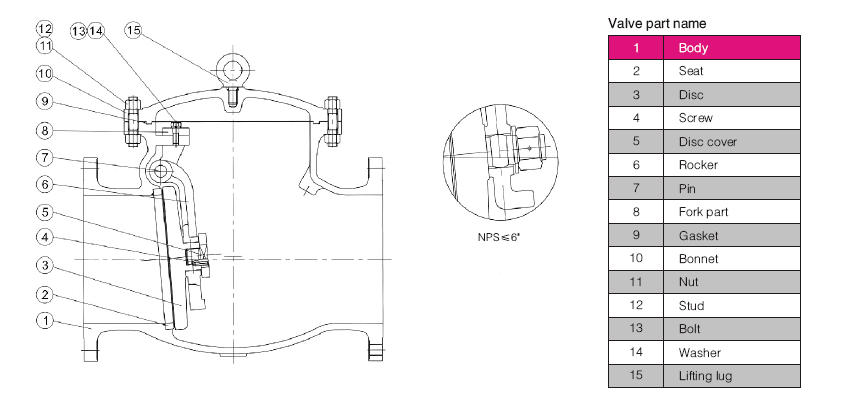
Check Valve Parts: Essential Components for Reliable Performance
Check Valve Parts: Essential Components for Reliable Performance
Check valves play a critical role in preventing backflow in piping systems across numerous industries. Understanding the individual parts that make up these valves is essential for proper selection, maintenance, and troubleshooting. This comprehensive guide examines the core components of check valves, how they function together, and what to consider when selecting or replacing parts for optimal system performance.
What Is a Check Valve and Why Are Its Parts Important?

A check valve, also known as a non-return valve or one-way valve, allows fluid to flow in only one direction. When properly functioning, it automatically prevents backflow, protecting equipment and maintaining system integrity. The reliability of a check valve depends entirely on the quality and proper functioning of its individual parts.
Each component plays a specific role in the valve’s operation, from the body that houses the mechanism to the disc that creates the seal. Understanding these parts is crucial for engineers, maintenance personnel, and procurement specialists who need to select, maintain, or replace check valves in their systems.
Need Help Selecting the Right Check Valve Parts?
Our valve experts can help you identify the optimal components for your specific application requirements.
Core Components of Check Valves
Check valves consist of several critical components that work together to control flow direction. Let’s examine each part, its function, common materials, and potential failure modes.
Corpo
The valve body is the outer shell that contains all internal components and connects to the piping system. It must withstand system pressure and provide protection for the internal parts.
| Materiale | Applicazioni | Valutazione della pressione | Temperature Range |
| Stainless Steel 316 | Corrosive fluids, high-pressure systems | Up to 3000 PSI | -320°F to 850°F |
| Brass/Bronze | Water, steam, oil applications | Up to 600 PSI | -10°F to 400°F |
| PVC/CPVC | Chemical processing, water treatment | Up to 150 PSI | 32°F to 140°F |
| Ferro duttile | Water, wastewater, HVAC | Up to 250 PSI | -20°F to 350°F |
Disc/Flapper
The disc (or flapper in swing check valves) is the movable part that creates a seal against the seat to prevent backflow. It’s the primary sealing element and must maintain integrity under repeated cycling.
- Metal discs (stainless steel, bronze) offer durability and high-temperature resistance
- Elastomer-lined discs provide better sealing capabilities for bubble-tight applications
- PTFE-coated discs combine corrosion resistance with excellent sealing properties
- Failure modes include wear, erosion, and deformation that compromise the sealing surface
Posto a sedere
The seat is the stationary surface against which the disc seals. The precision of this interface determines the valve’s ability to prevent leakage.
- Integral seats are machined directly into the valve body
- Replaceable seats allow for maintenance without replacing the entire valve
- Material compatibility with the disc is crucial for proper sealing
- Common issues include erosion, corrosion, and debris accumulation affecting sealing
Download Our Check Valve Parts Compatibility Guide
Get instant access to our comprehensive material compatibility chart for different process fluids and operating conditions.
Download Free Guide
Primavera
Many check valves incorporate springs to assist in closing the disc, ensuring faster response to flow reversal and reducing water hammer effects.
- Stainless steel springs offer excellent corrosion resistance and durability
- Spring tension determines the cracking pressure required to open the valve
- Improper spring selection can cause premature wear or insufficient sealing
- Spring fatigue is a common failure mode after extended cycling
Hinge Pin/Shaft
In swing check valves, the hinge pin (or shaft) serves as the pivot point for the disc. It must withstand repeated movement while maintaining alignment.
- Typically made from stainless steel or other corrosion-resistant alloys
- Wear on the hinge pin can cause misalignment and improper sealing
- Some designs use bushings to reduce friction and extend service life
- Proper lubrication may be required depending on the application
Gaskets and Seals
Gaskets and seals ensure leak-free connections between the valve body and other components or between the valve and the piping system.
Common Gasket Materials:
- EPDM – Water and steam applications
- FKM (Viton) – Chemical and high-temperature service
- PTFE – Highly corrosive applications
- NBR – Oil and fuel applications
Failure Considerations:
- Chemical compatibility is critical for seal longevity
- Temperature limits must be observed to prevent degradation
- Compression set can reduce sealing effectiveness over time
- Improper installation can lead to immediate leakage
Check Valve Parts Variations by Valve Type
Different check valve designs incorporate unique components or variations of standard parts. Understanding these differences is essential for proper maintenance and part replacement.
Swing Check Valve Parts
Valvole di ritegno a battente feature a hinged disc that swings open with forward flow and closes against a seat when flow reverses.
- Disc/flapper – Usually circular or semi-circular, pivots on hinge pin
- Hinge pin – Provides pivot point for disc movement
- Hinge arm – Connects disc to hinge pin
- Seat – Typically integral to valve body or replaceable ring
- Body – Often has access cover for maintenance
- Optional counterweight or spring – Assists in faster closing
Lift Check Valve Parts

Lift check valves use a disc that moves perpendicular to the flow path, lifting to allow flow and dropping to seal against backflow.
- Disc – Typically cylindrical or conical
- Guide – Ensures vertical alignment of disc movement
- Spring – Often included to assist closing
- Seat – Precision-machined for tight sealing
- Body – Usually more compact than swing check designs
Browse Our Check Valve Parts Catalog
Find replacement parts for all major check valve types and brands with our comprehensive online catalog.
Dual Plate/Wafer Check Valve Parts

Dual plate check valves feature two semi-circular plates that pivot on a central hinge pin, offering compact design and quick response.
- Twin plates/discs – Semi-circular design that meets in the middle
- Central hinge pin – Serves as pivot and mounting point
- Torsion spring – Provides closing force for both plates
- Seat – Often features elastomer insert for better sealing
- Retaining ring – Secures plates to hinge pin
- Stop pins – Limit the opening angle of plates
Ball Check Valve Parts

Ball check valves use a spherical ball that moves with the flow to open the valve and returns to the seat to prevent backflow.
- Ball – Spherical closure element (metal, plastic, or elastomer-coated)
- Seat – Conical or spherical depression
- Guide – Cage or ribs that keep the ball centered
- Spring – Optional component to assist closing
- Retainer – Prevents the ball from traveling too far from the seat
Diaphragm Check Valve Parts
Diaphragm check valves use a flexible membrane that deforms to allow flow and seals against a seat to prevent backflow.
- Diaphragm – Flexible elastomer membrane (rubber, EPDM, FKM)
- Body – Usually two-piece design that houses the diaphragm
- Seat – Surface against which the diaphragm seals
- Support plate – Optional component that prevents diaphragm inversion
- Fasteners – Secure the two body halves together
Selection & Maintenance Considerations for Check Valve Parts
Proper selection and maintenance of check valve parts are critical for ensuring reliable operation and extended service life. Consider these key factors when selecting or replacing components:
Material Compatibility
The most critical consideration when selecting check valve parts is compatibility between the materials and the process fluid. Incompatible materials can lead to premature failure, contamination, or safety hazards.
- Consider chemical compatibility with process fluid
- Evaluate temperature limits of materials
- Assess pressure ratings for all components
- Consider erosion/corrosion potential in the application
- Verify compatibility with industry standards and regulations
Seat and Seal Design
The interface between the disc and seat determines the valve’s ability to prevent backflow effectively. Different applications require different levels of sealing performance.
Bubble-Tight Sealing:
- Soft seats (elastomer, PTFE)
- Precision-lapped metal seats
- Higher manufacturing precision
- Required for gas applications
Drip-Tight Sealing:
- Metal-to-metal seats
- Standard manufacturing tolerances
- Acceptable for many liquid applications
- Lower cost option
Identifying Signs of Part Wear
Regular inspection can identify potential issues before they lead to valve failure. Look for these common signs of wear in check valve components:
- Disc chatter – Indicated by unusual noise or vibration during operation
- Seat erosion – Visible scoring, pitting, or wear on sealing surfaces
- Spring fatigue – Reduced tension or broken coils
- Hinge pin wear – Excessive movement or misalignment of disc
- Gasket compression – Flattened or extruded gasket material
- Body erosion – Internal wear patterns, especially near inlet
Part Replacement and Repair Procedures
When check valve parts require replacement, following proper procedures ensures safety and reliable performance after maintenance.
- Isolate the valve from the system and relieve pressure
- Document the original assembly orientation before disassembly
- Clean all parts and inspect for damage beyond the known issue
- Replace all gaskets and seals, even if they appear undamaged
- Verify compatibility of replacement parts with original specifications
- Follow manufacturer’s torque specifications for reassembly
- Test the valve for proper operation before returning to service
Contact Our Technical Team
Have questions about check valve parts selection, compatibility, or maintenance? Our experts are ready to help.
Conclusion: The Importance of Quality Check Valve Parts
Understanding the individual components of check valves is essential for proper selection, maintenance, and troubleshooting. Each part plays a critical role in the valve’s overall performance and reliability. By selecting appropriate materials, monitoring for wear, and following proper maintenance procedures, you can ensure optimal check valve operation and extend service life.
Remember that the quality of individual parts directly impacts system safety, efficiency, and uptime. Investing in high-quality components and understanding their functions will help prevent costly downtime and ensure your fluid systems operate as designed. Whether you’re selecting a new check valve or maintaining existing equipment, this knowledge of check valve parts provides the foundation for making informed decisions.