

API 600 vs API 6D Gate Valve Differences: Technical Comparison Guide
API 600 vs API 6D Gate Valve Differences: Technical Comparison Guide
Understanding the distinctions between API 600 and API 6D gate valves is crucial for ensuring optimal performance and compliance in industrial applications. These standards govern different aspects of valve design, manufacturing, and testing—with significant implications for safety, efficiency, and reliability in oil, gas, and petrochemical operations. This comprehensive guide examines the key differences between these valve standards to help engineers and procurement specialists make informed decisions.
Understanding API Standards for Industrial Valves
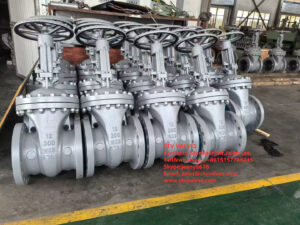
Features and Uses gate valve
The American Petroleum Institute (API) develops globally recognized standards that ensure valves meet stringent performance, safety, and durability requirements. These standards provide specifications for design, materials, manufacturing, testing, and documentation—creating a framework for consistency and reliability across the industry.
The Role of API Standards in Valve Manufacturing
API standards serve as critical guidelines that help manufacturers produce valves that perform reliably in demanding environments. They establish minimum requirements for quality control, material selection, and testing procedures. For end-users, these standards provide assurance that valves will function safely and effectively in their intended applications.
API standards are not merely recommendations but essential requirements for ensuring operational safety and reliability in critical industrial applications.
API 600: Steel Gate Valves with Bolted Bonnets
API 600 specifically governs the design, manufacturing, and testing of steel gate valves with bolted bonnets. These valves are primarily used in refinery and process plant applications where high pressure and temperature conditions are common.
Key Specifications of API 600 Gate Valves
| Specifica | API 600 Requirement |
| Tipo di valvola | Steel gate valves with bolted bonnets only |
| Gate Design | Wedge-type (solid, flexible, or split wedge) |
| End Connections | Estremità flangiate o a saldare di testa |
| Pressure Classes | ASME Classes 150, 300, 600, 900, 1500, and 2500 |
| Temperature Range | -29°C to 538°C (-20°F to 1000°F) |
| Material Requirements | Carbon and alloy steels per ASME specifications |
| Bonnet Type | Bolted bonnet design only |
Design Features of API 600 Gate Valves
API 600 gate valves feature a wedge-type gate design that creates a tight seal when the valve is fully closed. The wedge is forced against the valve seats, providing effective shutoff capability. The bolted bonnet design allows for maintenance access while maintaining pressure integrity.
- Wedge-type gate provides tight sealing under high pressure
- Bolted bonnet design facilitates maintenance and inspection
- Full-port design minimizes pressure drop in fully open position
- Rising stem configuration provides visual indication of valve position
- Body-bonnet joint designed for high-temperature service
API 6D: Pipeline Valves Standard
API 6D covers a broader range of valve types used in pipeline transportation systems, including gate, ball, plug, and check valves. For gate valves specifically, API 6D focuses on designs suitable for pipeline applications where piggability and full bore passage are often required.
Key Specifications of API 6D Gate Valves
| Specifica | API 6D Requirement |
| Valve Types Covered | Gate, ball, plug, and check valves for pipeline applications |
| Gate Design | Parallel/expanding gate (slab or through-conduit) |
| End Connections | Flanged, butt-welding, or threaded ends |
| Pressure Classes | ASME Classes 150, 300, 600, 900, 1500, and 2500 |
| Special Features | Double block and bleed (DBB) capability |
| Material Requirements | Materials suitable for pipeline service, including sour service |
| Design Focus | Piggability, buried service, emergency shutoff capability |
Design Features of API 6D Gate Valves
API 6D saracinesche typically feature parallel or expanding gate designs that allow for full bore passage, making them suitable for piggable pipeline systems. These valves often incorporate double block and bleed capabilities for enhanced safety during maintenance operations.
- Through-conduit design allows pipeline pigs to pass through
- Double block and bleed (DBB) functionality for maintenance safety
- Slab gate design provides bidirectional sealing
- Designed for buried service with appropriate stem extensions
- Emergency shutdown capability for pipeline protection
Key Differences Between API 600 and API 6D Gate Valves
Design and Construction Differences
| Feature | Valvola a saracinesca API 600 | API 6D Gate Valve |
| Gate Design | Wedge-type single gate (rigid/elastic) | Parallel/expanding gate (slab or through-conduit) |
| Sealing Mechanism | Wedge-to-seat compression | Parallel seat-to-gate contact with sealant injection capability |
| Body-Bonnet Connection | Bolted bonnet only | Bolted, welded, or pressure-sealed bonnet |
| Flow Path | May have reduced bore | Full bore/through-conduit design common |
| Double Block & Bleed | Not typically required | Often incorporated as a requirement |
Testing and Quality Control Differences
Both standards require rigorous testing, but with different emphases reflecting their intended applications:
API 600 Testing Focus
- Shell test at 1.5× rated pressure
- Low-pressure seat tests
- High-pressure seat tests
- Backseat tests for rising stem designs
- Material certification and traceability
API 6D Testing Focus
- Shell test at 1.5× rated pressure
- Seat tests with extended duration
- Double block and bleed functionality tests
- Fugitive emissions testing
- Sour service material compatibility (when specified)
Material and Pressure Rating Considerations
Material Selection Differences
While both standards allow for similar base materials, there are important differences in material requirements and selection criteria:
| Material Aspect | Valvole a saracinesca API 600 | API 6D Gate Valves |
| Body/Bonnet Materials | Carbon steel, alloy steel per ASME specifications | Carbon steel, alloy steel with additional requirements for pipeline service |
| Trim Materials | 13% Cr stainless steel standard, other options available | Materials selected for specific service conditions including sour service |
| Sour Service | Optional compliance with NACE MR0175/ISO 15156 | Frequently specified with NACE MR0175/ISO 15156 compliance |
| Traceability | Standard material traceability | Enhanced material traceability requirements |
| Low-Temperature Service | Optional low-temperature materials | Specific requirements for low-temperature pipeline service |
Pressure and Temperature Ratings
Both API 600 and API 6D gate valves are available in similar pressure classes, but their design and testing differences affect their suitability for specific pressure-temperature combinations:
API 600 gate valves are often preferred for high-temperature applications in process plants, while API 6D gate valves excel in pipeline applications where temperature variations may be less extreme but other factors like buried service and piggability are critical.
Application Scenarios: When to Use Each Valve Type
API 600 Gate Valve Applications
- Refinery Process Units: Where high-temperature service and wedge-gate sealing are required
- Power Generation: Steam systems requiring reliable high-temperature performance
- Petrochemical Plants: Process isolation in non-piggable systems
- Chemical Processing: Applications requiring robust shutoff capability
- General Plant Piping: Where standard bolted bonnet gate valves are specified
API 6D Gate Valve Applications
- Transmission Pipelines: Where piggability and through-conduit design are essential
- Pipeline Isolation Stations: Requiring double block and bleed capability
- Buried Pipeline Service: With appropriate stem extensions and coatings
- Offshore Pipelines: Where sour service compatibility may be required
- Emergency Shutdown Systems: In pipeline transportation networks
Selection Guide: Choosing Between API 600 and API 6D Gate Valves
Key Decision Factors
| Selection Factor | Choose API 600 If… | Choose API 6D If… |
| Application Type | Process plant or refinery service | Pipeline transportation system |
| Temperature Requirements | High-temperature service is primary concern | Standard temperature range with possible sour service |
| Piggability | Piggability not required | Pipeline requires pigging operations |
| Installation | Above-ground installation in process units | Buried service or remote pipeline locations |
| Maintenance Access | Regular maintenance access available | Limited maintenance access anticipated |
| Double Block & Bleed | DBB functionality not required | DBB capability essential for operations |
Important Consideration: Industry specifications and project requirements often dictate valve selection. Always verify specific project standards before making a final selection between API 600 and API 6D gate valves.
Maintenance Considerations and Lifecycle Costs
Maintenance Comparison
API 600 Gate Valve Maintenance
- Bolted bonnet design facilitates internal access
- Wedge and seat surfaces may require periodic lapping
- Packing can be replaced without removing valve from service
- Stem and backseat bushings may require periodic lubrication
- Generally accessible in process plant environments
API 6D Gate Valve Maintenance
- May feature sealant injection systems for emergency sealing
- Often designed for extended service between maintenance intervals
- May require special tools for maintenance of DBB features
- Buried service valves may have limited accessibility
- Stem extensions and actuators require additional maintenance
Lifecycle Cost Considerations
When evaluating total lifecycle costs, several factors beyond initial purchase price should be considered:
| Cost Factor | Valvole a saracinesca API 600 | API 6D Gate Valves |
| Initial Purchase Cost | Generally lower for comparable sizes | Higher due to additional features and testing |
| Installation Cost | Standard installation procedures | May require special considerations for pipeline integration |
| Maintenance Frequency | Regular maintenance in accessible locations | Designed for extended service intervals |
| Spare Parts Availability | Widely available standardized parts | May require specialized components |
| Downtime Costs | Process interruption costs | Pipeline shutdown costs potentially higher |
Industry-Specific Recommendations
Oil and Gas Industry
Upstream Operations
For wellhead and gathering systems, API 6D gate valves are typically preferred due to their suitability for pipeline service and potential sour service conditions. Their double block and bleed capabilities provide additional safety during maintenance operations.
Midstream Operations
Transmission pipelines almost exclusively use API 6D gate valves due to requirements for piggability, through-conduit design, and buried service capability. These valves are essential for pipeline isolation and emergency shutdown systems.
Downstream Operations
Refineries and processing facilities typically use API 600 gate valves for process unit isolation where high-temperature service is common. These valves provide reliable shutoff capability in complex piping systems where piggability is not a concern.
LNG Facilities
Liquefaction and regasification plants may use both standards depending on the specific application. API 600 valves for process isolation and API 6D valves for the main transmission lines, with special consideration for cryogenic service where applicable.
Petrochemical Industry
Petrochemical plants typically favor API 600 gate valves for their process units due to their suitability for high-temperature service and chemical compatibility. The bolted bonnet design facilitates maintenance in complex chemical processing environments.
Power Generation Industry
Power plants, particularly those using steam cycles, predominantly specify API 600 gate valves for their high-temperature capabilities and reliable shutoff performance in steam systems. These valves are critical components in both main steam lines and auxiliary systems.
Conclusion: Making the Right Selection
The choice between API 600 and API 6D gate valves should be based on a thorough understanding of the application requirements, operating conditions, and industry standards. While API 600 gate valves excel in process plant applications with high-temperature service, API 6D gate valves are optimized for pipeline transportation systems where different performance characteristics are prioritized.
By considering the key differences in design, materials, testing requirements, and intended applications, engineers and procurement specialists can select the appropriate valve standard to ensure optimal performance, regulatory compliance, and cost-effectiveness over the entire lifecycle of the installation.
Need Expert Valve Selection Assistance?
Our team of valve engineering specialists can help you select the right valve standard for your specific application requirements. Contact us for a technical consultation on API 600 vs API 6D gate valve differences and recommendations tailored to your project needs.
Request Valve Selection Consultation
Can API 6D gate valves be used in refinery applications?
While API 6D gate valves can technically be used in refinery applications, API 600 gate valves are typically preferred for process unit isolation due to their design optimization for high-temperature service and wedge-type sealing. API 6D valves would be more appropriate for the pipeline transportation portions of refinery operations.
Are API 600 gate valves suitable for buried pipeline service?
API 600 gate valves are generally not recommended for buried pipeline service. API 6D gate valves are specifically designed with features that make them more suitable for buried service, including appropriate stem extensions, coating requirements, and design considerations for limited maintenance access.
What is the main difference in leakage testing between API 600 and API 6D gate valves?
While both standards require stringent leakage testing, API 6D typically includes additional requirements for extended duration seat tests and often incorporates double block and bleed functionality testing. API 6D may also require fugitive emissions testing that goes beyond the standard requirements of API 600.