
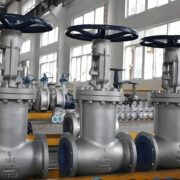
What is a Bellow Seal Valve? Complete Guide to Design, Benefits & Applications
What is a Bellow Seal Valve? Complete Guide to Design, Benefits & Applications
In industrial settings where preventing leakage is critical, bellow seal valves stand as the gold standard for fluid control. These specialized valves incorporate a precision-engineered metallic bellows that creates a hermetic seal between the valve stem and body, effectively eliminating the primary pathway for fugitive emissions. For industries handling hazardous, toxic, or valuable media, these valves provide unmatched safety, environmental protection, and operational reliability.
This comprehensive guide explores the unique design, significant advantages, and essential applications of bellow seal valves across various industries. Whether you’re an engineer seeking technical specifications or a plant manager evaluating valve options for critical processes, understanding these specialized components is crucial for making informed decisions about your fluid control systems.
Bellow Seal Valve Design and Construction
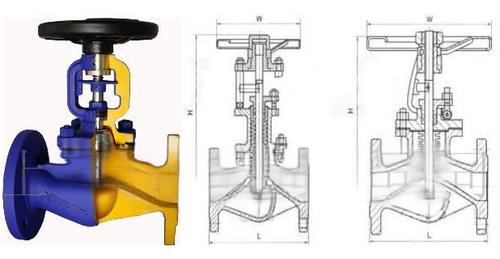
Bellow Seal Valve Design and Construction
Cutaway view of a bellow seal valve showing the metallic bellows component that creates a hermetic seal
The Critical Metallic Bellows Component
At the heart of every bellow seal valve is the precision-formed metallic bellows assembly. This accordion-like component is typically manufactured from thin-walled metal that has been hydraulically or mechanically formed into a series of convolutions. The bellows acts as a flexible, leak-tight barrier between the valve’s internal media and the external environment.
The bellows connects directly to the valve stem and expands or contracts as the valve opens or closes. This design eliminates the sliding motion between the stem and packing that causes wear and eventual leakage in conventional valves. Instead, the bellows flexes while maintaining a complete metal-to-metal seal.
Double Sealing Mechanism for Enhanced Safety
Most bellow seal valves incorporate a redundant sealing system for maximum safety. The primary seal is provided by the welded metallic bellows, while a secondary graphite or PTFE packing serves as a backup in case of bellows failure. This double-protection approach ensures continued operation even in the unlikely event of bellows damage.
Common Bellows Materiali
- 316L Stainless Steel – Excellent corrosion resistance for general applications
- Inconel® – Superior performance in high-temperature environments
- Hastelloy® – Exceptional resistance to aggressive chemicals
- Monel® – Ideal for seawater and mildly reducing environments
- AM350 – High-strength stainless steel for demanding applications
Valve Body Construction
The valve body is typically forged or cast from materials like stainless steel, carbon steel, or specialized alloys depending on the application requirements. The body-to-bellows connection is critical and can be either welded (for maximum leak protection) or gasketed (for serviceability). The stem tip design varies based on the valve’s function, with options for shutoff or regulating service.
Need Technical Specifications?
Download our comprehensive technical guide on bellow seal valve construction, materials, and selection criteria.
Download Technical Guide
Key Advantages and Benefits of Bellow Seal Valves
Bellow seal valves (left) eliminate fugitive emissions compared to conventional packed valves (right)
Zero Leakage Performance
The primary advantage of bellow seal valves is their ability to provide hermetic sealing. Unlike conventional packed valves that rely on compression to minimize leakage, the welded metal bellows creates a zero-leakage barrier between the process media and atmosphere. This makes these valves the preferred choice for applications where even minute leakage is unacceptable.
Enhanced Safety in Hazardous Applications
When handling toxic, flammable, or radioactive media, the consequences of valve leakage can be severe. Bellow seal valves significantly reduce workplace hazards by containing dangerous substances within the system. The redundant sealing system provides an additional layer of protection, ensuring safety even in the event of primary seal failure.
Environmental Protection
With increasingly stringent environmental regulations worldwide, controlling fugitive emissions has become a critical concern for industrial operations. Bellow seal valves help facilities comply with environmental standards such as EPA Method 21, TA-Luft, and ISO 15848, reducing both the environmental impact and potential regulatory penalties.
Advantages of Bellow Seal Valves
- Zero fugitive emissions for maximum safety
- Reduced maintenance requirements and longer service intervals
- Compliance with strict environmental regulations
- Elimination of media loss in valuable process streams
- Secondary containment system for added protection
- Extended service life in demanding applications
Limitations to Consider
- Higher initial investment compared to conventional valves
- More complex design may require specialized maintenance
- Limited cycle life of bellows (though still extensive)
- Temperature and pressure limitations based on bellows material
- Potential for bellows damage if improperly handled
Reduced Maintenance Requirements
Traditional packed valves require regular adjustment and packing replacement to maintain their sealing capability. In contrast, bellow seal valves eliminate this maintenance requirement, reducing both labor costs and system downtime. The metal bellows maintains its sealing integrity without adjustment, often lasting for the entire service life of the valve.
Long Service Life
Quality bellow seal valves are engineered for exceptional durability. The precision-formed metal bellows are designed to withstand thousands of operating cycles while maintaining their sealing integrity. Many manufacturers offer cycle life guarantees, with premium valves capable of 10,000+ cycles before bellows replacement might be necessary.
Evaluate Bellow Seal Valves for Your Application
Our valve specialists can help you determine if bellow seal valves are the right solution for your specific requirements.
Request Application Assessment
Applications and Industries for Bellow Seal Valves
Bellow seal valves installed in a chemical processing facility where leak prevention is critical
Bellow seal valves find application across numerous industries where preventing leakage is paramount. Their specialized design makes them particularly valuable in the following sectors:
Chemical Processing
In chemical processing, bellow seal valves handle corrosive, toxic, and reactive substances that would pose significant hazards if leaked. They’re commonly used for controlling chlorine, phosgene, acids, and other hazardous chemicals where conventional valves would deteriorate rapidly or present safety risks.
Pharmaceutical Manufacturing
Pharmaceutical processes require contamination-free environments and often involve expensive or hazardous compounds. Bellow seal valves prevent both product contamination and environmental release, making them ideal for API production, sterile processing, and solvent handling systems.
Oil and Gas Industry
In refineries and petrochemical plants, bellow seal valves control flammable hydrocarbons, hydrogen, and other volatile substances. They help facilities meet stringent emissions regulations while improving safety in high-temperature, high-pressure applications where leakage could lead to fires or explosions.
Power Generation
Power plants utilize bellow seal valves in steam systems, feedwater circuits, and cooling systems. Their ability to withstand high temperatures and pressures while preventing leakage makes them essential for efficient and safe power generation, particularly in nuclear facilities where containment is critical.
Semiconductor Manufacturing
The semiconductor industry requires ultra-high purity and precise control of specialized gases. Bellow seal valves prevent contamination and ensure the integrity of process gases like silane, phosphine, and other reactive compounds used in chip fabrication.
Cryogenic Applications
When handling extremely low-temperature fluids like liquid nitrogen, oxygen, or natural gas, conventional valve seals often fail. Bellow seal valves maintain their sealing capability even at cryogenic temperatures, preventing costly and potentially dangerous leakage.
| Industry | Common Applications | Key Benefits |
| Chemical Processing | Corrosive media, toxic chemicals, reactor feed lines | Prevents exposure to hazardous substances, reduces environmental impact |
| Pharmaceutical | API production, solvent handling, sterile processes | Maintains product purity, prevents contamination, contains expensive compounds |
| Oil & Gas | High-temperature hydrocarbons, hydrogen systems, VOC control | Reduces emissions, improves safety, meets regulatory requirements |
| Power Generation | Steam systems, feedwater circuits, nuclear applications | Withstands extreme conditions, prevents radiation leakage, reduces maintenance |
| Semiconductor | Ultra-high purity gas delivery, reactive gas control | Maintains gas purity, prevents contamination, precise control |
Find the Right Bellow Seal Valve for Your Industry
Our industry specialists can recommend the optimal valve configuration based on your specific application requirements.
Request Industry-Specific Recommendations
Types of Bellow Seal Valves
Common types of bellow seal valves: gate, globe, and check valve designs
Bellow seal technology has been incorporated into various valve designs to meet specific flow control requirements while maintaining zero-leakage performance. The most common types include:
Bellow Seal Gate Valves

Gate valves with bellows seals provide on/off control with minimal flow restriction when fully open. The bellows expands and contracts as the gate moves up and down, maintaining a hermetic seal throughout the valve’s operation. These valves are ideal for applications requiring full flow capacity and tight shutoff.
Bellow Seal Globe Valves
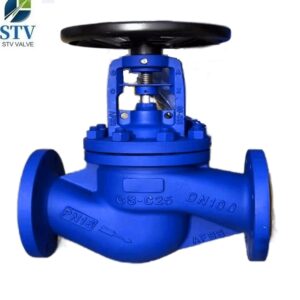
China DIN 3356 Globe Valve,Cast Steel Globe Valve,DN100 Globe Valve,PN40 Globe Valve,RF Globe Valve
Globe valves with bellows seals offer excellent throttling capabilities and precise flow control. The bellows design accommodates the rotational and linear movement of the stem while preventing leakage. These valves are commonly used in applications requiring accurate flow regulation.
Bellow Seal Check Valves
Check valves with bellows seals prevent backflow while eliminating external leakage. The bellows component is integrated with the check mechanism to maintain a hermetic seal while allowing flow in only one direction. These specialized valves are used in critical applications where both backflow prevention and zero emissions are required.
Specialized Bellow Seal Valve Designs
Metering Bellows Valves
Featuring micrometer handles for precise flow adjustment, these specialized valves allow for extremely accurate control of flow rates. The bellows maintains a leak-tight seal while enabling fine adjustments, making these valves ideal for laboratory applications and critical process control.
Switching Bellows Valves
These compact valves direct flow between multiple paths while maintaining zero leakage to atmosphere. Available with manual or pneumatic actuation, they provide reliable switching in applications where preventing cross-contamination and external leakage is essential.
Compare Bellow Seal Valve Types
Download our comprehensive comparison guide to help select the optimal valve type for your specific application requirements.
Maintenance and Operational Considerations
Proper installation and maintenance are critical for optimal bellow seal valve performance
Proper Installation Guidelines
Correct installation is crucial for the performance and longevity of bellow seal valves. The bellows component, while durable, requires careful handling to prevent damage. Key installation considerations include:
- Ensure proper alignment to prevent stress on the bellows
- Follow manufacturer’s torque specifications for all connections
- Install in the recommended orientation (typically stem vertical)
- Protect the valve from excessive vibration
- Consider thermal expansion effects in high-temperature applications
- Use appropriate gaskets and sealing materials compatible with process media
Maintenance Best Practices
While bellow seal valves require significantly less maintenance than conventional packed valves, periodic inspection and preventive maintenance will maximize their service life:
- Regularly inspect for signs of external damage or corrosion
- Check secondary packing if applicable (do not over-tighten)
- Verify smooth operation through full valve stroke
- Follow manufacturer’s recommendations for lubrication
- Implement periodic leak testing to verify bellows integrity
- Document maintenance activities and valve performance
Important Safety Note
Never attempt to disassemble a bellow seal valve without proper training and equipment. The bellows assembly is typically welded and requires specialized procedures for replacement. Always consult the manufacturer’s maintenance manual before performing any service beyond routine inspection.
Common Failure Modes and Prevention
Understanding potential failure mechanisms helps prevent premature valve issues:
| Failure Mode | Potential Causes | Preventive Measures |
| Bellows fatigue cracking | Excessive cycling, vibration, water hammer | Stay within rated cycle life, minimize system vibration, install water hammer arrestors |
| Corrosion damage | Incompatible media, external environmental factors | Select appropriate bellows material, protect external surfaces |
| Mechanical damage | Improper handling, over-torquing, excessive force | Follow installation procedures, use calibrated torque tools |
| Thermal stress | Rapid temperature changes, exceeding temperature limits | Control temperature ramp rates, stay within rated temperature range |
Comparison with Conventional Packed Valves
When evaluating valve options, understanding the key differences between bellow seal and conventional packed valves helps justify the investment:
Bellow Seal Valves
- Zero leakage to atmosphere
- Minimal maintenance requirements
- No packing adjustment needed
- Higher initial cost
- Limited cycle life (though still extensive)
- Specialized repair procedures
Conventional Packed Valves
- Some leakage is inevitable
- Regular maintenance required
- Periodic packing adjustment and replacement
- Lower initial cost
- Unlimited cycle life with maintenance
- Simpler repair procedures
Conclusion: The Critical Importance of Bellow Seal Valves
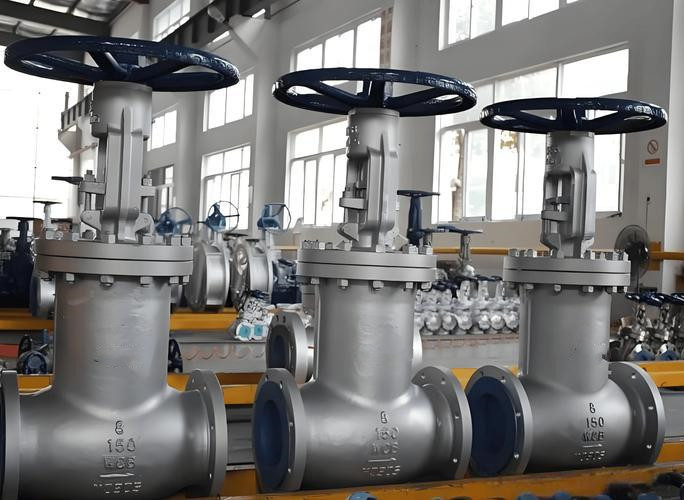
Bellow Seal Globe Valves
Bellow seal valves represent a significant advancement in fluid control technology, offering unparalleled leakage prevention in critical applications. Their unique design, incorporating a precision-formed metallic bellows, provides a hermetic seal that conventional packed valves simply cannot match. While the initial investment may be higher, the benefits in terms of safety, environmental compliance, reduced maintenance, and process integrity often deliver substantial long-term value.
For industries handling hazardous, toxic, or valuable media, bellow seal valves have become an essential component of responsible and efficient operations. As environmental regulations continue to tighten and process safety remains paramount, these specialized valves will play an increasingly important role in modern industrial systems.
When selecting valves for critical applications, carefully evaluate your specific requirements for leakage prevention, maintenance capabilities, and operating conditions. In many cases, the superior performance of bellow seal valves makes them the optimal choice for ensuring both operational excellence and regulatory compliance.