
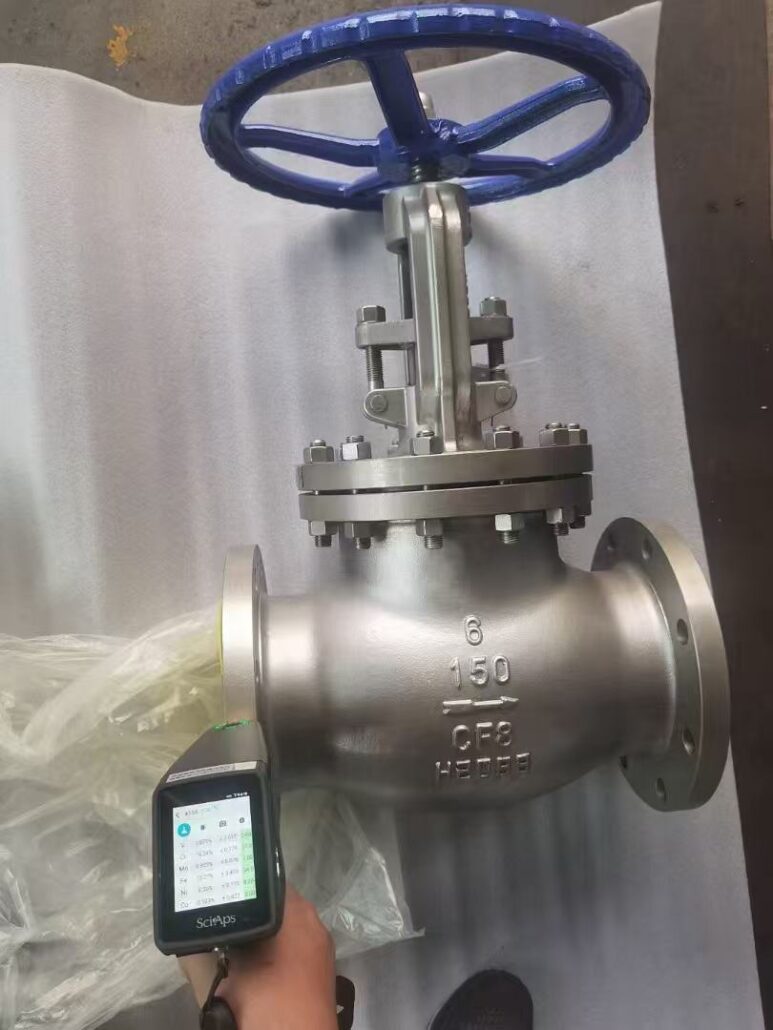
BS1873 Globe Valve: Technical Specifications and Industrial Applications
BS1873 Globe Valve: Technical Specifications and Industrial Applications
Globe valves designed to BS1873 standards represent the pinnacle of fluid control technology in demanding industrial environments. These precision-engineered components offer exceptional flow regulation capabilities, robust construction, and reliable performance across diverse applications. This comprehensive guide explores the technical specifications, design features, and practical applications of BS1873 globe valves to help engineers and procurement specialists make informed decisions for their industrial systems.
Understanding BS1873 Globe Valves
Globe valves are linear motion valves designed to regulate flow in piping systems. The BS1873 standard specifically governs steel globe and globe stop-check valves for the petroleum, petrochemical, and related industries. These valves feature a movable disc-type element and a stationary ring seat in a spherical body, creating a reliable sealing mechanism for precise flow control.
Key Design Features
- Bolted bonnet construction for secure sealing and easy maintenance
- Non-rotating stem design with precision Acme threads
- Body-guided disc ensuring smooth, robust operation
- Conical seats machined to fine surface finish for tight shut-off
- Fully enclosed gasket design preventing leakage
- Two-piece gland construction for optimal alignment
Need Expert Valve Selection Assistance?
Our engineering team can help you select the right BS1873 globe valve for your specific application requirements.
Request Expert Consultation
Technical Specifications and Standards
BS1873 globe valves are manufactured to precise standards that ensure consistent quality, performance, and interchangeability. Understanding these specifications is crucial for selecting the appropriate valve for your application.
Size and Pressure Ratings
| Nominal Size | Pressure Class | Standard Connections | Face-to-Face Dimensions |
| 2-24 inches (DN 50-600) | 150-2500 LB (PN16-PN420) | Flanged (RF/RTJ), Butt-welded | ASME B16.10 |
Material Specifications
| Component | Standard Materials | Temperature Range | Applicable Media |
| Body & Bonnet | ASTM A216 WCB, ASTM A217 WC6, ASTM A217 WC9, ASTM A351 CF8/CF8M | -29°C to 593°C | Water, Steam, Oil, Chemicals |
| Tronco | 13Cr, 304, 316, F304L, F316L | -29°C to 593°C | Various |
| Disc/Seat | 13Cr/Stellite, F304/F316 | -29°C to 593°C | Various |
| Junta | Graphite, Flexible Graphite, Spiral Wound | -29°C to 593°C | Various |
| Embalagem | Graphite, PTFE, Reinforced Graphite | -29°C to 593°C | Various |
Applicable Standards
- Design and Manufacture: BS 1873, ASME B16.34
- Face-to-Face Dimensions: ASME B16.10
- Flanged Ends: ASME B16.5
- Butt-welding Ends: ASME B16.25
- Testing and Inspection: API 598, ISO 5208
Need Detailed Technical Specifications?
Download our comprehensive technical datasheet for BS1873 globe valves, including material options, pressure-temperature ratings, and dimensional data.
Download Technical Datasheet
Advantages of BS1873 Globe Valves
BS1873 globe valves offer numerous advantages that make them ideal for critical applications in demanding industrial environments. Understanding these benefits helps in making informed decisions when selecting valves for specific applications.
Precise Flow Control
The design of BS1873 globe valves allows for exceptionally precise flow regulation. The linear movement of the disc in relation to the seat enables accurate throttling control, making these valves ideal for applications requiring fine adjustment of flow rates.
Robust Construction
Manufactured from high-quality materials like ASTM A216 WCB and ASTM A217 WC6, these valves offer exceptional durability and resistance to pressure, temperature, and corrosive media. The bolted bonnet design provides additional structural integrity and ease of maintenance.
Reliable Sealing
Conical seats machined to fine surface finish ensure tight shut-off across all sizes and pressure classes. Many BS1873 globe valves feature hardfaced seating surfaces (typically stellite) that are ground and lapped to a mirror finish for exceptional sealing performance.
Advantages Over Other Valve Types
- Superior throttling capability compared to gate valves
- Better sealing performance than butterfly valves in high-pressure applications
- More durable than diaphragm valves in high-temperature service
- Easier maintenance access than welded bonnet designs
- More precise control than ball valves for throttling applications
- Excellent resistance to erosion in throttling service
Limitations to Consider
- Higher pressure drop than straight-through valve designs
- Larger and heavier than comparable ball valves
- More expensive than basic valve types
- Requires more operating torque than quarter-turn valves
- Not ideal for slurry or high-solid content media
- Maintenance requires more time than simpler valve designs
Ready to Improve Your Flow Control Systems?
Our engineering team can help you select the optimal BS1873 globe valve configuration for your specific application requirements.
Request Application Assessment
Industrial Applications
BS1873 globe valves are versatile components used across numerous industries where reliable flow control is critical. Their robust construction and precise regulation capabilities make them ideal for demanding applications.
Key Industry Applications
Oil & Gas
- Upstream production facilities
- Refineries and processing plants
- Pipeline transmission systems
- LNG terminals and storage facilities
Power Generation
- Steam generation systems
- Feedwater regulation
- Turbine bypass systems
- Cooling water control
Chemical Processing
- Process flow regulation
- Batch control systems
- High-temperature service
- Corrosive media applications
Application-Specific Considerations
| Aplicativo | Recommended Materials | Special Features | Operating Parameters |
| High-Pressure Steam | ASTM A217 WC6, WC9 | Extended bonnet, Stellite facing | Up to 570°C, Class 900-2500 |
| Corrosive Chemicals | ASTM A351 CF8M, CF3M | Special packing, Bellows seal | Up to 200°C, Class 150-600 |
| Cryogenic Service | ASTM A352 LCB, LCC | Extended bonnet, Special gaskets | -196°C to 0°C, Class 150-600 |
| Oil & Gas Processing | ASTM A216 WCB, A217 WC6 | Fire-safe design, API compliance | -29°C to 425°C, Class 150-1500 |
Find the Right Valve for Your Industry
Our industry specialists can help you select the optimal BS1873 globe valve configuration for your specific application requirements.
Request Industry-Specific Consultation
Installation and Maintenance Guidelines
Proper installation and regular maintenance are essential for ensuring the optimal performance and longevity of BS1873 globe valves. Following these guidelines helps prevent issues and extends service life.
Installation Best Practices
- Verify flow direction matches the arrow indicator on the valve body
- Ensure adequate support to prevent pipe stress transfer to the valve
- Install in horizontal orientation for optimal performance
- Use proper gaskets and torque specifications for flanged connections
- Perform hydrostatic testing after installation according to applicable standards
- Protect valve from construction debris during system installation
Maintenance Schedule
| Maintenance Task | Frequency | Procedure | Required Tools |
| External Visual Inspection | Monthly | Check for leaks, corrosion, and damage | Basic inspection tools |
| Stem Packing Inspection | Quarterly | Check for leaks, adjust gland as needed | Wrenches, packing material |
| Operational Testing | Semi-annually | Cycle valve through full operation | Valve wrench or handwheel |
| Full Disassembly & Inspection | Every 3-5 years | Complete internal inspection and parts replacement | Maintenance kit, specialized tools |
Troubleshooting Common Issues
Stem Leakage
Stem leakage is typically caused by worn or compressed packing. Adjust the gland bolts evenly to compress the packing. If leakage persists, replace the packing material according to manufacturer specifications. Ensure proper packing material compatible with the process media and temperature is used.
Seat Leakage
Seat leakage may result from debris trapped between the disc and seat or from wear on seating surfaces. For minor leakage, try cycling the valve several times to dislodge debris. For persistent leakage, the valve will require disassembly and inspection of seating surfaces. Lapping or replacement of seating components may be necessary.
Difficult Operation
Difficult operation can be caused by overtightened packing, stem damage, or internal component issues. Check and adjust packing compression, inspect the stem for damage or bending, and lubricate stem threads according to manufacturer recommendations. For severe cases, disassembly and internal inspection may be required.
Need Maintenance Support?
Our technical service team provides comprehensive maintenance support, spare parts, and repair services for BS1873 globe valves.
Contact Technical Support
Conclusão
BS1873 globe valves represent a critical component in industrial fluid control systems where reliability, precision, and durability are paramount. Their robust design, compliance with international standards, and versatile application capabilities make them an excellent choice for demanding environments in the petroleum, petrochemical, power generation, and related industries.
When selecting BS1873 globe valves for your application, consider factors such as operating conditions, material compatibility, pressure and temperature requirements, and specific industry standards. Proper installation, regular maintenance, and adherence to manufacturer guidelines will ensure optimal performance and extended service life for these essential industrial components.