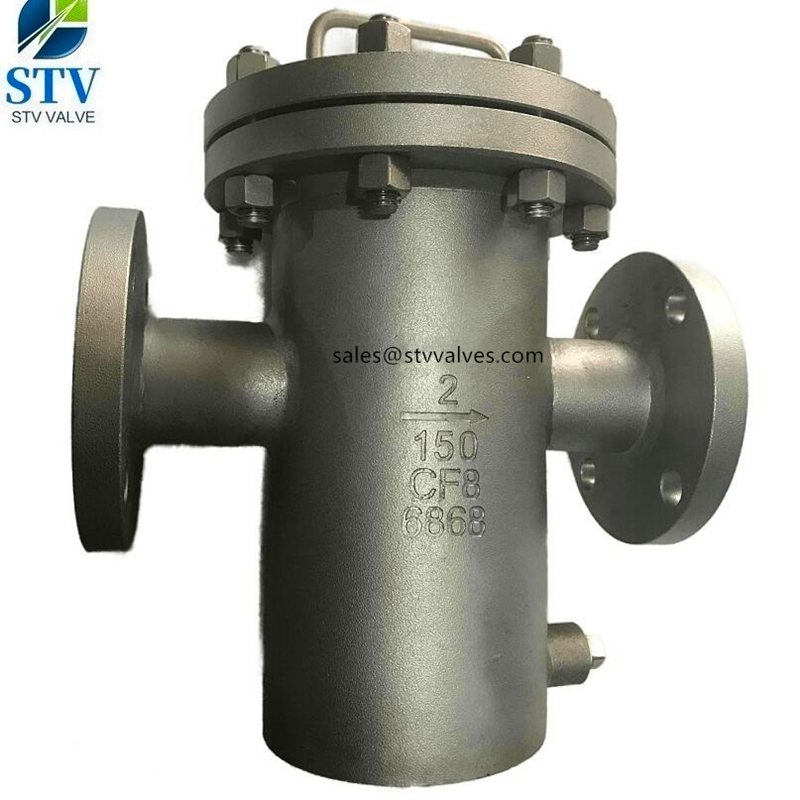

Reliable 600LB Lug Type Dual Plate Check Valve Manufacturer
Reliable 600LB Lug Type Dual Plate Check Valve Manufacturer

China 600LB Lug Check Valve
Are you looking for a trustworthy supplier of high-quality industrial valves that meet the most demanding requirements? As a premier manufacturer, we specialize in producing reliable 600LB Lug Type Dual Plate Check Valves that are designed to deliver exceptional performance and durability.
At STV Valve Technology Group Co., Ltd, we understand the importance of reliability and performance in industrial valves. Our state-of-the-art manufacturing facilities and rigorous quality control processes ensure that our products meet the highest standards of quality.
With a focus on customer satisfaction, we provide comprehensive support and competitive pricing. Our commitment to excellence has made us a professional leader in China for ASTM A351 CF8M Check Valve and other industrial valves.
Key Takeaways
- High-quality 600LB Lug Type Dual Plate Check Valves designed for exceptional performance and durability.
- State-of-the-art manufacturing facilities and rigorous quality control processes.
- Comprehensive customer support and competitive pricing.
- Professional leadership in China for ASTM A351 CF8M Check Valve.
- Reliable and performance-driven industrial valves.
STV Valve Technology Group: Industry Leader in Check Valve Manufacturing
STV Valve Technology Group is a renowned dual plate check valve manufacturer, known for its commitment to excellence and customer satisfaction. We pride ourselves on being a leading lug type valve company, with a strong focus on innovation and quality.
Company Profile and Expertise
At STV Valve Technology Group, we have years of expertise in the industrial valve sector. Our company profile is built on a foundation of quality, reliability, and customer-centric service. We are a professional leader in China ASTM A351 CF8M Check Valve production, combining cutting-edge technology with industry expertise to deliver high-performance valves.
Manufacturing Capabilities and Facilities
Our manufacturing facilities are equipped with the latest technology, enabling us to produce valves that meet the highest standards. We have a robust infrastructure in place, with state-of-the-art equipment and a skilled workforce. This allows us to maintain consistency in our products and meet the evolving needs of our customers.
Commitment to Quality and Innovation
We are committed to delivering exceptional quality and innovative solutions that cater to the specific requirements of our clients. Our research and development team continuously works on improving our products, ensuring that we stay at the forefront of check valve technology. This commitment to quality and innovation has earned us a reputation as a trusted supplier in the industry.
600LB Lug Type Dual Plate Check Valve Manufacture: Our Core Competency
The production of 600LB Lug Type Dual Plate Check Valves is at the heart of our operations, driven by a commitment to quality and innovation. We have a long history of designing and manufacturing high-performance check valves that meet the demanding needs of various industries.
Evolution of Dual Plate Check Valve Technology
Over the years, we have witnessed significant advancements in dual plate check valve technology, enabling us to produce more efficient and reliable valves. Our team of experts has worked tirelessly to improve the design and functionality of our valves, ensuring that they meet the highest standards of quality and performance.
The evolution of dual plate check valve technology has led to the development of more sophisticated valve designs, capable of withstanding high-pressure applications and harsh environments. Our valves are designed to provide reliable service, minimizing downtime and reducing maintenance costs.
The Significance of 600LB Pressure Rating
The 600LB pressure rating is a testament to the valve’s ability to withstand high-pressure applications, making it suitable for demanding industrial environments. Our 600LB Lug Type Dual Plate Check Valves are designed to provide reliable service in a wide range of applications, including oil and gas, chemical processing, and power generation.
| Pressure Rating | Tipo de válvula | Aplicativo |
|---|---|---|
| 600 libras | Lug Type Dual Plate | Oil and Gas, Chemical Processing, Power Generation |
| 300 libras | Wafer Type Dual Plate | Water Treatment, HVAC |
Manufacturing Excellence and Quality Control
Our manufacturing processes are designed to ensure excellence and adherence to stringent quality control measures. We have implemented a robust quality management system, which includes rigorous testing and inspection procedures to ensure that our valves meet the highest standards of quality and performance.
We are committed to delivering high-quality 600LB Lug Type Dual Plate Check Valves that meet the needs of our customers. Our team of experts works closely with customers to understand their requirements and provide customized solutions that meet their specific needs.
Technical Specifications of Our Dual Plate Check Valves
The technical specifications of our dual plate check valves underscore our commitment to quality and performance. As a leading dual plate valve distributor e 600lb check valve producer, we ensure that our products meet the highest standards.
Material Composition: ASTM A351 CF8M
Our dual plate check valves are made from high-quality materials, specifically ASTM A351 CF8M, which offers excellent properties for industrial applications.
Corrosion Resistance Properties
The ASTM A351 CF8M material provides superior corrosion resistance, making our valves suitable for use in harsh environments where exposure to corrosive substances is a concern.
Temperature and Pressure Capabilities
This material is also capable of withstanding a wide range of temperatures and pressures, ensuring that our valves perform reliably under various operating conditions.
Size Range from Small to 20 Inch Valves
We manufacture dual plate check valves in a variety of sizes, ranging from small to 20 inches, to cater to diverse application needs. This range allows us to provide valves that fit specific pipeline requirements, ensuring optimal performance and efficiency.
Design Features and Internal Components
The design features and internal components of our dual plate check valves are carefully crafted to provide reliable operation and minimize maintenance requirements. Our valves are designed to ensure smooth flow and prevent backflow, which is critical in many industrial processes.
By focusing on these technical specifications, we demonstrate our commitment to delivering high-quality dual plate check valves that meet the needs of our customers across various industries.
Differences Between Lug and Wafer Type Check Valves
Lug and wafer type check valves are two distinct designs, each with its own set of advantages and suitable applications. Understanding these differences is crucial for selecting the right valve for your specific needs.
Lug Type Design Advantages
Lug type check valves offer several design advantages, including ease of maintenance and installation. The lug design allows for the valve to be installed between flanges without the need for additional hardware, making it a convenient option for many applications.
- Ease of maintenance: Lug type check valves can be serviced or replaced without affecting the surrounding piping system.
- Flexibility in installation: The design allows for installation in both horizontal and vertical orientations.
Wafer Type Applications and Benefits
Wafer type check valves are suitable for applications where space is limited. They provide benefits such as reduced weight and cost, making them an attractive option for systems where these factors are critical.
Key benefits of wafer type check valves include:
- Compact design: Ideal for applications with limited space.
- Cost-effective: Generally less expensive than lug type check valves.
- Lightweight: Easier to handle and install.
Selection Criteria for Your Application
When choosing between lug and wafer type check valves, several factors should be considered, including the specific requirements of your application, system design, and operational conditions. We help our customers make informed decisions by providing detailed product information and expert guidance.
By understanding the differences between lug and wafer type check valves, you can select the most appropriate valve for your system, ensuring optimal performance and reliability.
API 594 Compliance and Industry Standards
At STV Valve Technology Group, we prioritize compliance with industry standards, ensuring our dual plate check valves meet the rigorous requirements of API 594. As a reputable dual plate check valve manufacturer, we understand the importance of adhering to established standards to guarantee the quality and performance of our valves.
Understanding API 594 Requirements for Dual Plate Check Valves
API 594 is a standard that outlines the requirements for check valves, including dual plate check valves, used in the oil and gas industry. To comply with API 594, our 600LB lug type dual plate check valve manufacture process involves rigorous testing and inspection to ensure that our valves meet the standard’s requirements for design, materials, and performance. This includes verifying the valve’s pressure rating, leakage, and flow characteristics.
By adhering to API 594, we ensure that our dual plate check valves are designed to operate reliably in demanding applications, providing our customers with confidence in the performance and safety of our products.
Additional Certifications and Quality Standards
In addition to API 594 compliance, we hold various other certifications and adhere to multiple quality standards, further demonstrating our commitment to delivering high-quality products. These include ISO 9001 for quality management and other industry-specific standards relevant to our valve products. Our quality management system is designed to ensure that every stage of our manufacturing process, from design through delivery, meets the highest standards of quality and reliability.
By maintaining these certifications and adhering to industry standards, we reinforce our reputation as a trusted dual plate check valve manufacturer, capable of meeting the diverse needs of our customers across different industries.
Applications of 600LB Lug Type Dual Plate Check Valves
The versatility of our 600LB Lug Type Dual Plate Check Valves makes them suitable for a wide range of applications, from oil and gas to power generation. As a trusted 600lb check valve supplier, we ensure that our valves meet the stringent requirements of various industries.

Oil and Gas Industry Applications
In the oil and gas sector, our 600LB Lug Type Dual Plate Check Valves are valued for their reliability and ability to withstand high pressures. They are used in upstream, midstream, and downstream operations, ensuring safe and efficient flow control. Our valves are designed to prevent backflow, thereby protecting equipment and enhancing operational safety.
Chemical and Petrochemical Processing
For chemical and petrochemical processing, our valves provide resistance to corrosion and ensure safe operation. The lug type dual plate valve factory ensures that every valve is manufactured with high-quality materials, such as ASTM A351 CF8M, to withstand corrosive environments.
Water Treatment and Management Systems
In water treatment and management systems, our 600LB Lug Type Dual Plate Check Valves play a crucial role in preventing backflow and ensuring the integrity of the water supply. They are used in various applications, from raw water intake to wastewater treatment, providing durable and reliable service. For more information on our wafer and lug type check valves, visit our product page.
Power Generation and Industrial Applications
In power generation and various industrial applications, our valves are recognized for their durability and performance. They are used in steam generation systems, cooling water systems, and other critical applications, ensuring efficient operation and minimizing downtime. Our commitment to quality is reflected in our delivery of wafer check valves to customers worldwide, such as our recent delivery to a Thailand customer.
Installation and Maintenance Guidelines
To ensure the longevity and efficiency of our dual plate check valves, it’s essential to follow the correct installation and maintenance procedures. As a reputable dual plate valve distributor, we provide comprehensive support for the installation and maintenance of our valves.
Proper Installation Procedures
Proper installation is crucial for the optimal performance of our 600LB Lug Type Dual Plate Check Valves. We recommend the following steps:
- Inspect the valve for any damage or defects before installation.
- Ensure the valve is compatible with the pipeline’s specifications.
- Follow the manufacturer’s instructions for installation, including the correct orientation and positioning.
Maintenance Schedule and Best Practices
Regular maintenance is essential to extend the lifespan of our check valves. We suggest:
| Maintenance Task | Frequency |
|---|---|
| Inspect valve for wear and tear | Every 6 months |
| Clean the valve | Every 12 months |
| Replace worn-out parts | As needed |
Troubleshooting Common Issues
In case of any issues with our 600LB Lug Type Dual Plate Check Valves, refer to our troubleshooting guide. Common problems include:
- Leakage: Check for proper installation and inspect for damage.
- Noise: Ensure proper alignment and check for debris.
As a quality check valves manufacturer, we are committed to providing reliable products and comprehensive support to our customers.
Advantages of STV’s Dual Plate Check Valves Over Competitors
Our 600LB lug type dual plate check valves are engineered to provide superior performance and reliability, setting us apart from other manufacturers. At STV, we have invested heavily in research and development to ensure our valves meet the highest standards of quality and durability.
Superior Design and Performance Benefits
The design of our dual plate check valves incorporates advanced technology, resulting in improved flow characteristics and reduced pressure drop. This means that our valves can handle demanding applications with ease, providing our customers with a reliable solution for their industrial needs.
.

300LB Lug Type Dual Plate Check Valve Manufacture
Longevity and Reduced Maintenance Costs
Our valves are built to last, with a robust construction that withstands the rigors of industrial use. This longevity translates into reduced maintenance costs for our customers, as they require less frequent replacement and repair. For more detailed information on our valve’s specifications, you can refer to our catalog on Yumpu.
Competitive Pricing and Value Proposition
At STV, we believe in offering competitive pricing without compromising on quality. Our efficient manufacturing processes enable us to provide high-quality 600LB lug type dual plate check valves at a competitive price, making us a preferred lug type valve company. The value proposition we offer includes not just the initial cost savings but also long-term benefits through reduced maintenance and extended valve life.
| Feature | STV’s Dual Plate Check Valves | Competitors’ Valves |
|---|---|---|
| Pressure Rating | 600 libras | Up to 600LB |
| Design | Advanced dual plate design | Standard dual plate design |
| Maintenance Costs | Reduced | Higher |
Customization Options for Specific Industry Requirements
As a leading dual plate check valve manufacturer, we offer customization options to meet the diverse needs of various industries. We understand that different sectors have unique requirements, and our tailored solutions ensure that our valves perform optimally in their intended applications.
Special Material Selection for Harsh Environments
We provide special material selection for harsh environments, ensuring the durability and performance of our check valves. For instance, our valves can be made from materials like ASTM A351 CF8M to withstand corrosive substances. This is particularly important in industries such as chemical processing, where the valve’s resistance to corrosion is crucial.
Custom Sizing and Configuration Options
Our 600lb check valve producer capabilities allow us to offer custom sizing and configuration options. Whether it’s a standard size or a bespoke design, we can manufacture valves that fit specific application needs. This flexibility is vital in industries where space constraints or specific flow requirements are a concern.
Specialized Coatings and Treatments
To further enhance the performance and longevity of our valves, we offer specialized coatings and treatments. These can include coatings that reduce friction or treatments that enhance corrosion resistance. Our team works closely with clients to determine the most appropriate coating or treatment for their specific application, ensuring optimal valve performance.
By offering these customization options, we empower industries to optimize their processes, improve efficiency, and reduce maintenance costs. Our commitment to delivering high-quality, customized dual plate check valves underscores our position as a trusted 600lb check valve producer.
Conclusion: Partnering with a Reliable 600LB Check Valve Manufacturer
As a leading lug type dual plate valve factory, we understand the importance of quality check valves in various industrial applications. At STV Valve Technology Group, we pride ourselves on being a reliable partner for your valve needs, delivering high-quality 600LB Lug Type Dual Plate Check Valves that meet the most stringent industry standards.
Our commitment to innovation, quality, and customer satisfaction has established us as a trusted quality check valves manufacturer. We invite you to explore our comprehensive range of products and services, designed to cater to your specific requirements. With our expertise and dedication, we look forward to the opportunity to work together to meet your valve needs.
By choosing STV Valve Technology Group, you are partnering with a manufacturer that prioritizes your needs and delivers tailored solutions. Our extensive experience and capabilities make us an ideal lug type dual plate valve factory for industries seeking reliable and high-performance check valves.
Perguntas frequentes
What is the material composition of your 600LB Lug Type Dual Plate Check Valves?
Our 600LB Lug Type Dual Plate Check Valves are made from high-quality materials such as ASTM A351 CF8M, which offers excellent corrosion resistance properties and is capable of withstanding a wide range of temperatures and pressures.
What are the advantages of Lug Type Check Valves over Wafer Type Check Valves?
Lug Type Check Valves offer design advantages, including ease of maintenance and installation. They are suitable for applications where the valve needs to be frequently inspected or maintained.
Do your Dual Plate Check Valves comply with industry standards?
Yes, our Dual Plate Check Valves comply with API 594 standards, and we adhere to other relevant certifications and quality standards, demonstrating our commitment to delivering high-quality products.
What are the typical applications of 600LB Lug Type Dual Plate Check Valves?
Our 600LB Lug Type Dual Plate Check Valves are used in various industries, including oil and gas, chemical and petrochemical processing, water treatment and management systems, power generation, and industrial applications.
Can I customize the valve to meet my specific industry requirements?
Yes, we offer customization options to meet specific industry requirements, including special material selection, custom sizing and configuration options, and specialized coatings and treatments.
What is the pressure rating of your Lug Type Dual Plate Check Valves?
Our Lug Type Dual Plate Check Valves have a pressure rating of 600LB, making them suitable for high-pressure applications.
How do I ensure proper installation and maintenance of the valve?
We provide comprehensive guidelines on installation and maintenance, including proper installation procedures, maintenance schedules, and troubleshooting common issues.