Forged Steel Y-Type Strainer: Efficient Fluid Control
We specialize in providing high-quality forged steel y-type strainers designed for efficient fluid control in various industrial applications. Our strainers are engineered to ensure reliability and customization, aligning with our company mission to deliver comprehensive customer support through integrated manufacturing.
Our forged steel y-type strainers are designed to facilitate efficient fluid control, ensuring the reliability and performance of industrial systems. With a focus on quality and customer satisfaction, we provide customized solutions to meet specific industrial needs.
Key Takeaways
- Efficient fluid control in various industrial applications
- High-quality forged steel y-type strainers for reliability
- Customized solutions to meet specific industrial needs
- Comprehensive customer support through integrated manufacturing
- Reliable performance and reduced maintenance requirements
What Are Forged Steel Y-Type Strainers?
In the realm of fluid control, forged steel Y-type strainers play a vital role in maintaining system integrity. We manufacture these strainers with high-quality materials and precise construction to ensure optimal performance in various industrial applications.
Definition and Purpose
A Y-Sieb aus geschmiedetem Stahl is a type of pipeline strainer used to filter out debris and contaminants from fluid streams. Its primary purpose is to protect equipment such as pumps, valves, and other downstream instrumentation from damage caused by unwanted particles. By installing a Y-type strainer, operators can significantly reduce the risk of system failures and maintenance downtime.
Core Components and Construction
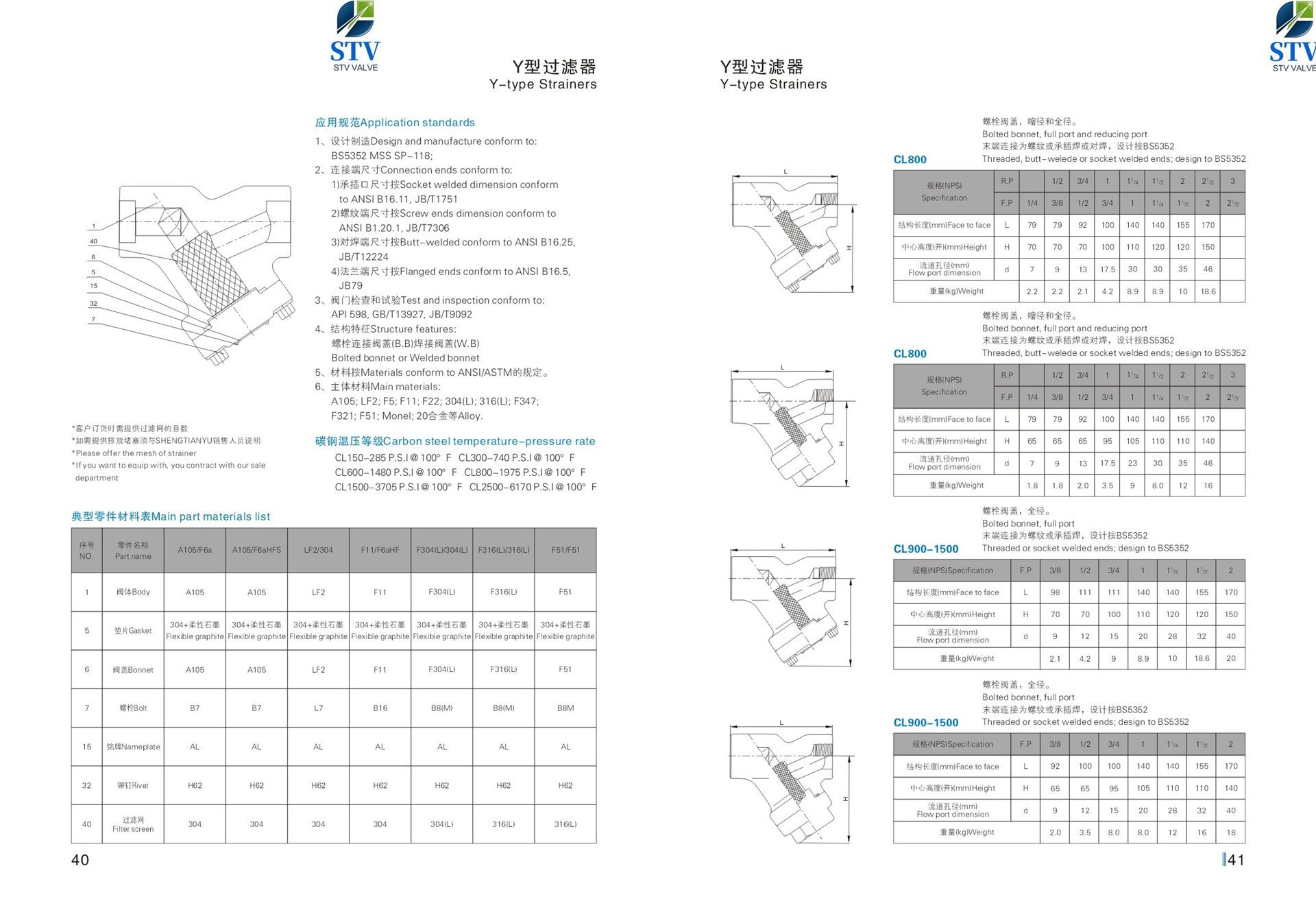
The construction of a Y-Sieb aus geschmiedetem Stahl involves several key components that work together to provide effective filtration.
Body and End Connections
The body of the strainer is typically made from high-quality forged steel, providing strength and durability. The end connections are designed to match the pipeline specifications, ensuring a secure and leak-tight fit. We offer various connection types, including flanged, threaded, and welded ends, to suit different system requirements.
Screen/Mesh Elements
The screen or mesh element is a critical component that filters out contaminants from the fluid stream. We provide a range of mesh sizes and materials to suit specific application needs. For more information on our Y-type strainers, including detailed specifications and ordering information, please visit our dedicated page on Y-strainers.
By understanding the definition, purpose, and core components of forged steel Y-type strainers, operators can make informed decisions about their fluid handling systems. Our strainers are designed to provide reliable service and minimize maintenance needs, ensuring the overall efficiency of industrial processes.
How Forged Steel Y Type Strainer Systems Work
Our forged steel Y-type strainers work by directing fluid through a mesh or screen, effectively capturing contaminants and debris. This design ensures minimal pressure drop while maximizing filtration efficiency.
Operating Principles
The operating principle of our forged steel Y-type strainers is based on the simple yet effective concept of fluid flow through a filtering element. As fluid enters the strainer, it passes through the mesh or perforated screen, which captures unwanted particles and debris.
Efficient filtration is achieved through the precise design of the strainer’s internal components. The mesh or screen is designed to capture particles of a specific size, ensuring that the fluid exiting the strainer is clean and free from contaminants.
Flow Dynamics and Filtration Process
The flow dynamics within a Y-Sieb aus geschmiedetem Stahl are crucial to its operation. As fluid flows through the strainer, it encounters the filtering element, which creates a pressure drop. This pressure drop is a critical factor in the strainer’s performance.
Pressure Drop Considerations
Pressure drop is influenced by factors such as flow rate, fluid viscosity, and the size of the filtering element. A well-designed strainer minimizes pressure drop while maintaining effective filtration.
Filtration Efficiency Factors
Filtration efficiency is affected by the mesh size, screen material, and the strainer’s internal design. Our forged steel Y-type strainers are designed to optimize these factors, ensuring high filtration efficiency and reliable performance.
As noted by industry experts, “Proper strainer selection and maintenance are critical to ensuring the longevity of downstream equipment.”
This emphasizes the importance of choosing the right strainer for your application.
| Strainer Type | Mesh Size | Pressure Drop |
|---|---|---|
| Y-Type | 100 microns | Low |
| Siebkorb | 500 microns | Moderate |
| T-Type | 200 microns | High |
Key Benefits of Implementing Y-Type Strainers
Implementing Y-type strainers in fluid systems offers numerous advantages that enhance overall system performance. We have identified several key benefits that make these strainers an essential component in various industrial applications.
Enhanced System Protection
The primary function of a Y-type strainer is to filter out contaminants from the fluid, thereby protecting the system from potential damage. By removing debris and other impurities, these strainers help prevent clogging and wear on critical equipment, ensuring smoother operation and reduced risk of system failure.
Extended Equipment Lifespan
By protecting equipment from contaminants, Y-type strainers contribute to extending the lifespan of system components. The reduction in wear and tear on valves, pumps, and other equipment results in fewer replacements and repairs, ultimately leading to cost savings for the operator.
Reduced Maintenance Requirements
Forged steel Y-type strainers are designed for easy maintenance and cleaning. The strainer element can be quickly removed and cleaned or replaced as needed, minimizing downtime and reducing the overall maintenance burden on operators. This ease of maintenance is a significant advantage in keeping the system running efficiently.
By incorporating Y-type strainers into their fluid systems, operators can enjoy these benefits and more, leading to improved system reliability and performance. We recommend considering the specific needs of your application when selecting a Y-type strainer to maximize these advantages.
Material Selection for Forged Y Strainers
Material selection is crucial for forged Y strainers as it directly affects their durability and efficiency in various industrial applications. The choice of material depends on several factors, including the type of fluid, operating temperature, and pressure.
Carbon Steel Variants (WCB, WCC)
Carbon steel is a popular choice for forged Y strainers due to its strength, durability, and cost-effectiveness. Variants such as WCB and WCC are commonly used for general applications, offering a good balance between performance and affordability. Carbon steel strainers are suitable for a wide range of industrial processes, including oil and gas, chemical processing, and power generation.
Stainless Steel Options (304, 316, 316L)
For applications requiring higher corrosion resistance, stainless steel forged Y strainers are preferred. Grades 304, 316, and 316L stainless steel offer excellent resistance to corrosion and are suitable for use in harsh environments. 316L, in particular, is known for its low carbon content, making it ideal for applications where welding is involved.
Specialty Alloys for Corrosive Environments
In highly corrosive environments, specialty alloys are used to ensure the longevity and reliability of forged Y strainers. These include duplex and super duplex stainless steels, as well as nickel alloys.
Duplex and Super Duplex Stainless Steel
Duplex stainless steels combine the benefits of austenitic and ferritic stainless steels, offering high strength and excellent corrosion resistance. Super duplex stainless steels take this a step further, providing even greater corrosion resistance and strength. These materials are ideal for demanding applications in chemical processing and offshore oil and gas production.
Nickel Alloys and Other Exotic Materials
Nickel alloys, such as Monel and Inconel, are used in extremely corrosive environments where other materials would fail. These alloys offer exceptional resistance to corrosion and high-temperature oxidation, making them suitable for use in chemical processing, power generation, and other challenging applications.
By selecting the appropriate material for your forged Y Sieb, you can ensure optimal performance, reduce maintenance needs, and extend the lifespan of your equipment. We offer a wide range of materials to suit various industrial applications, ensuring that our customers receive the best solution for their specific needs.
Design Standards and Specifications
Our forged steel Y-type strainers are engineered to meet rigorous design standards, ensuring reliability and performance in demanding applications. We adhere to industry-recognized specifications to guarantee the quality and integrity of our products.
ASME B16.34 and API Requirements
Our strainers are designed and manufactured in accordance with ASME B16.34, a standard that governs the design, materials, and testing of valves, including strainers. Additionally, we comply with relevant API requirements to ensure our products meet the needs of the oil and gas industry. This adherence to industry standards ensures that our strainers can withstand the rigors of challenging environments.
As emphasized by industry experts, “Compliance with ASME standards is crucial for ensuring the safety and reliability of valves and strainers in critical applications.”
This underscores the importance of rigorous testing and adherence to established standards.
Pressure-Temperature Ratings
Understanding pressure-temperature ratings is crucial for the safe and effective operation of our Y-type strainers. These ratings define the maximum pressure a strainer can withstand at various temperatures.
Class 150 to 2500 Considerations
Our strainers are available in a range of classes from 150 to 2500, catering to different pressure requirements. The class designation indicates the strainer’s pressure rating, with higher classes corresponding to higher pressure capabilities.
Temperature Limitations
It’s also essential to consider the temperature limitations of our strainers. The material selection and design ensure that our products can operate effectively across a broad temperature range, from cryogenic to elevated temperatures.
By combining adherence to industry standards with careful consideration of operational parameters, we ensure that our forged steel Y-type strainers provide reliable service in a wide range of applications.
Industrial Applications of Steel Y Type Strainers
The versatility of forged steel Y-Type strainers makes them a crucial component in multiple industrial applications. We supply these strainers to various sectors, ensuring efficient fluid control and protection of equipment.
Oil and Gas Processing
In the oil and gas industry, Y-Type strainers are used to protect critical equipment from debris and contaminants. They are installed in pipelines to filter out unwanted particles, ensuring the smooth operation of processing equipment.
Chemical Manufacturing
Chemical manufacturing processes rely on Y-Type strainers to safeguard equipment and maintain product purity. These strainers are designed to withstand corrosive environments and high temperatures, making them ideal for chemical processing applications.
Power Generation and Utilities
Power generation and utility companies use Y-Type strainers in various systems, including steam and cooling water systems.
Steam Systems
In steam systems, Y-Type strainers protect turbines and other equipment from damage caused by debris and contaminants.
Cooling Water Systems
Cooling water systems utilize Y-Type strainers to filter out particles and maintain water quality, ensuring efficient heat transfer and system reliability.

We manufacture Y-Type strainers that meet the specific needs of these industries, providing high-quality products and comprehensive customer support.
Selection Criteria for the Optimal Strainer
When it comes to selecting the optimal strainer for your industrial application, several critical factors must be considered. We help our customers navigate these factors to choose the most appropriate strainer for their specific needs.
System Flow Rate Analysis
Der system flow rate is a crucial parameter in determining the appropriate strainer size and type. We analyze the flow rate to ensure that the selected strainer can handle the volume of fluid without causing significant pressure drops or flow restrictions.
Pressure Requirements
Understanding the pressure requirements of your system is vital for selecting a strainer that can withstand the operating conditions. We consider factors such as maximum allowable working pressure (MAWP) and pressure drop across the strainer to ensure optimal performance.
Media Characteristics
Der characteristics of the media being filtered, such as viscosity, corrosiveness, and particle size distribution, play a significant role in strainer selection. We evaluate these factors to recommend a strainer that is compatible with the media and provides effective filtration.
By carefully analyzing these factors, we help our customers select the most suitable strainer for their specific application, ensuring reliable operation and optimal system performance.
Screen Mesh Options and Filtration Capabilities
Our Y-Type strainers offer a range of screen mesh options to cater to diverse industrial needs. The filtration capabilities of these strainers are directly influenced by the type of mesh used.
Mesh Sizes and Perforations
Der mesh sizes and perforations in our Y-Type strainers are designed to provide optimal filtration. Mesh sizes vary to accommodate different particle sizes, ensuring that the fluid is filtered to the required level. Perforations are precision-made to maintain the integrity of the filtration process.
Material Compatibility Considerations
Material compatibility is a critical factor when selecting screen mesh for our Y-Type strainers. We offer various materials to suit different applications.
Stainless Steel Screens
Stainless steel screens are a popular choice due to their corrosion resistance and durability. They are suitable for a wide range of industrial applications.
Alternative Screen Materials
We also provide alternative screen materials for specific environments. These include materials that can withstand high temperatures or corrosive substances, ensuring that our strainers can be used in diverse settings.
Installation and Integration Best Practices
To ensure the longevity and efficiency of Y-type strainers, proper installation practices must be followed. We emphasize the importance of correct installation to guarantee optimal performance in various industrial applications.
Proper Orientation Guidelines
The orientation of a Y-type strainer is critical for its effective operation. We recommend installing the strainer with the screen facing downwards to facilitate easy cleaning and maintenance. This orientation also helps in preventing debris from accumulating in the screen.
Connection Methods
Y-type strainers can be connected to piping systems using various methods, including flanged, threaded, or welded connections. We suggest selecting a connection method that aligns with the system’s pressure and temperature requirements. For instance, flanged connections are often preferred for high-pressure applications due to their reliability and ease of maintenance.
| Verbindungstyp | Druckrate | Anwendung |
|---|---|---|
| Flanged | High Pressure | Oil and Gas, Power Generation |
| Threaded | Low to Medium Pressure | Water Treatment, HVAC |
| Geschweißt | High Pressure | Chemical Processing, Petrochemical |
System Integration Considerations
When integrating Y-type strainers into a system, it’s essential to consider factors such as flow rate, pressure drop, and compatibility with the process media. We work closely with clients to ensure that our strainers are tailored to their specific system requirements, enhancing overall system efficiency.
Maintenance and Servicing Requirements
To ensure longevity and effectiveness, Y-type strainers require consistent maintenance and servicing. We understand that proper upkeep is crucial for the optimal performance of these critical components in various industrial applications.
Cleaning Procedures and Frequency
Regular cleaning is essential to maintain the strainer’s filtration efficiency. We recommend cleaning the strainer screen every 3-6 months, depending on the service conditions and the nature of the fluid being filtered. The cleaning process typically involves removing the screen, inspecting it for damage, and flushing it with a suitable cleaning agent.
Screen Replacement Process
Over time, the strainer screen may become damaged or clogged beyond cleaning. We advise replacing the screen when necessary to maintain optimal filtration. The replacement process involves shutting off the system, relieving pressure, and carefully removing the old screen. A new screen is then installed, ensuring it is properly seated and secured.
Troubleshooting Common Issues
Despite regular maintenance, issues may arise. We outline below common problems and their potential solutions.
Excessive Pressure Drop
A significant pressure drop across the strainer often indicates a clogged or dirty screen. We recommend inspecting and cleaning the screen to resolve this issue.
Leakage Problems
Leakage around the strainer typically results from worn gaskets or improper assembly. We suggest checking the gasket condition and ensuring all connections are tightened according to the manufacturer’s specifications.
| Issue | Cause | Solution |
|---|---|---|
| Excessive Pressure Drop | Clogged or dirty screen | Inspect and clean the screen |
| Leakage | Worn gaskets or improper assembly | Check gasket condition and tighten connections |
Comparing Y-Type Strainers with Alternative Filtration Methods
Comparing Y-Type strainers to other filtration methods reveals distinct advantages and application-specific benefits. When evaluating filtration solutions, it’s essential to consider the unique characteristics of each type.
Y-Type vs. Basket Strainers
Y-Type strainers and Korbsiebe serve similar purposes but differ in design and application. Y-Type strainers are typically used in high-pressure and high-temperature applications, whereas Korbsiebe are often preferred for their larger debris-holding capacity. The choice between the two often depends on the specific requirements of the system, including flow rates and the type of debris to be filtered.
Y-Type vs. T-Type Configurations
T-Type strainers, though less common, offer certain advantages in specific scenarios. Unlike Y-Type strainers, T-Type configurations are often used in applications where space constraints are a significant factor. However, Y-Type strainers generally provide easier maintenance access and are more commonly used in a wide range of industrial applications.
Advantages in Specific Applications
In certain industries, such as oil and gas, Y-Type strainers are preferred due to their robust design and ability to handle high-pressure conditions. The table below summarizes the key differences between Y-Type strainers and other filtration methods:
| Filtration Method | Anwendung | Maintenance |
|---|---|---|
| Y-Type Strainer | High-pressure, high-temperature | Easy access |
| Siebkorb | Large debris-holding capacity | Periodic cleaning |
| T-Type Strainer | Space-constrained applications | Complex installation |
As industry experts, we recommend evaluating the specific needs of your system to choose the most appropriate filtration method.
Abschluss
We have explored the critical role of forged steel y-type strainers in achieving efficient fluid control across various industries. These strainers are designed to provide reliable filtration, protecting equipment from damage caused by debris and contaminants.
By understanding the definition, working principles, and benefits of forged steel y-type strainers, industries can optimize their fluid control systems. Our commitment to quality, customization, and customer support ensures that our strainers meet the specific needs of our clients.
The applications of forged steel y-type strainers are diverse, ranging from oil and gas processing to chemical manufacturing and power generation. By selecting the right strainer for their specific needs, industries can enhance system protection, extend equipment lifespan, and reduce maintenance requirements.
In conclusion, forged steel y-type strainers are a crucial component in achieving efficient fluid control. We remain dedicated to providing high-quality industrial valves and comprehensive customer service to support our clients’ needs.
FAQ
What is a forged steel y-type strainer?
A forged steel y-type strainer is a type of strainer used in fluid handling systems to protect equipment from debris and contaminants. We manufacture these strainers with high-quality materials and precise construction to ensure optimal performance.
What materials are used for forged y strainers?
We offer a range of materials for forged y strainers, including carbon steel variants (WCB, WCC), stainless steel options (304, 316, 316L), and specialty alloys for highly corrosive environments, such as duplex and super duplex stainless steels, and nickel alloys.
How do I select the optimal strainer for my application?
Selecting the optimal strainer involves analyzing system flow rates, understanding pressure requirements, and considering media characteristics. We help our customers navigate these factors to choose the most appropriate strainer for their specific application.
What are the benefits of using y-type strainers?
Implementing y-type strainers in fluid systems offers several key benefits, including enhanced system protection by filtering out contaminants, extended equipment lifespan due to reduced wear and tear, and reduced maintenance requirements as strainers are designed for easy cleaning and maintenance.
What are the design standards for forged steel y-type strainers?
Our forged steel y-type strainers are designed and manufactured according to stringent standards, including ASME B16.34 Und API requirements, ensuring safe and effective operation.
How do I maintain and service my y-type strainer?
Regular maintenance is essential for the longevity and effectiveness of y-type strainers. We outline cleaning procedures, screen replacement processes, and troubleshooting tips for common issues such as excessive pressure drop and leakage problems.
What screen mesh options are available for y-type strainers?
Der screen mesh options for our y-type strainers vary, with different mesh sizes and perforations available. Material compatibility is a key consideration, with stainless steel screens being a popular choice, alongside alternative screen materials for specific applications.
How do y-type strainers compare with alternative filtration methods?
Y-type strainers are compared with other filtration methods, including Korbsiebe and T-type configurations. We discuss the advantages of y-type strainers in specific applications, highlighting their suitability for various industrial needs.
What are the typical applications of steel y-type strainers?
Steel y-type strainers are used across various industries, including oil and gas processing, chemical manufacturing, and power generation. They play a crucial role in steam systems and cooling water systems, protecting equipment and ensuring efficient operation.