
Valve Stem Packing: Essential Guide to Materials, Function & Maintenance
Valve Stem Packing: Essential Guide to Materials, Function & Maintenance
In the world of industrial valves, stem packing plays a critical role in preventing leaks and ensuring operational integrity. Valve stem packing creates an essential seal between the valve’s internal components and the outside environment, preventing fluid or gas from escaping around the stem. Whether you’re maintaining existing equipment or selecting components for a new installation, understanding valve stem packing is crucial for preventing costly leaks and ensuring long-term valve performance.
What Is Valve Stem Packing?

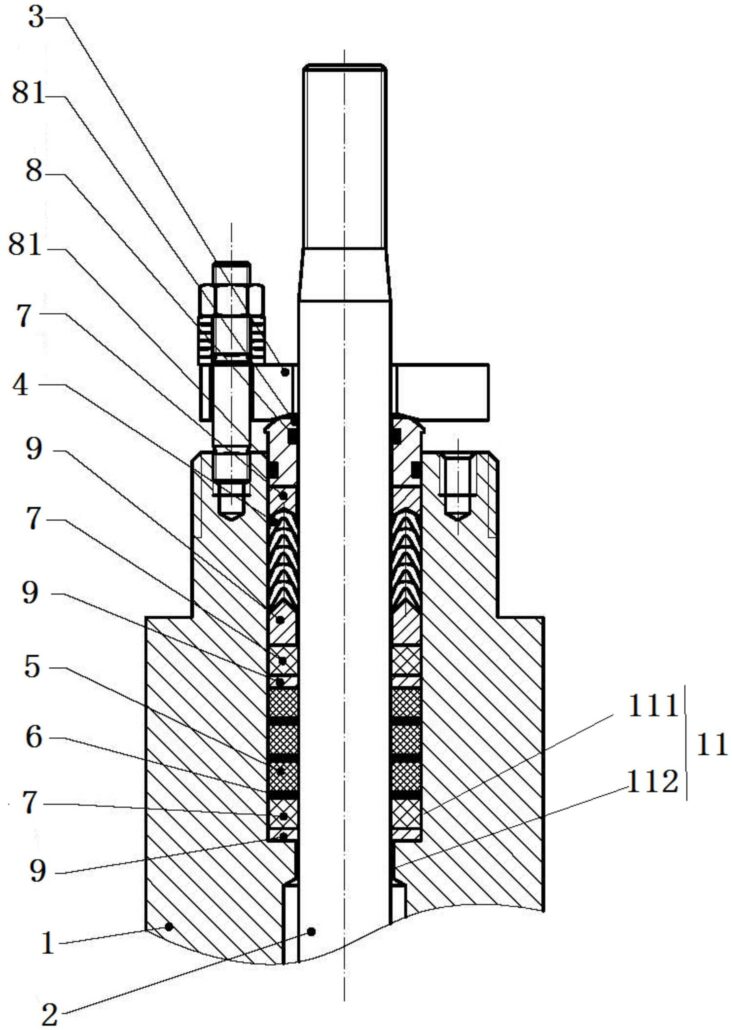
Valve stem packing refers to the sealing components used to prevent leaks from occurring around the stem of a valve. In most valve designs, the stem is an essential component that opens and closes the valve’s sealing element in response to signals from a control mechanism. As this stem moves through the valve body, it requires proper sealing to prevent the media inside from escaping.
The packing material is typically made of soft, pliable substances that can be compressed to create an effective barrier. A packing nut or gland applies pressure to this material, forcing it to expand slightly and create a tight seal between the stem and valve body. This seal must be maintained despite the stem’s movement and the pressure of the media inside the valve.
Effective valve stem packing is critical for several reasons:
- Prevents leakage of potentially hazardous or valuable media
- Reduces maintenance costs and downtime
- Ensures regulatory compliance for emissions and safety
- Extends the overall service life of the valve
- Maintains system efficiency and performance
Valve Stem Packing Materials
The selection of appropriate packing material is crucial for ensuring effective sealing in your specific application. Different materials offer varying benefits in terms of temperature resistance, chemical compatibility, and longevity. Here are the most commonly used valve stem packing materials:

PTFE (Polytetrafluoroethylene)
PTFE, commonly known by the brand name Teflon®, is one of the most versatile and widely used packing materials in valve applications. Its exceptional properties make it suitable for a broad range of conditions.
- Low friction coefficient – Reduces wear on the valve stem and minimizes operating torque
- Chemical inertness – Compatible with most acids, bases, and solvents
- Temperature range – Effective from -100°F to +450°F (-73°C to +232°C)
- Low maintenance – Requires minimal adjustment once properly installed
Graphite
Graphite packing is particularly valued for high-temperature applications where PTFE would fail. It offers excellent thermal stability and can be used in various forms.

- High temperature resistance – Can withstand temperatures up to 850°F (454°C)
- Permanently elastic – Maintains resilience without hardening over time
- Self-lubricating – Reduces friction without additional lubricants
- Available forms – Ribbon graphite, braided filament, and die-formed rings
Elastomers
Elastomeric materials provide excellent flexibility and resilience, making them ideal for applications with frequent cycling or where ease of installation is important.
- EPDM (Ethylene Propylene Diene Monomer) – Excellent resistance to water, steam, and many chemicals
- Fluoroelastomer – Superior resistance to oils, fuels, and acids
- Buna-N (Nitrile) – Good resistance to petroleum-based oils and fuels
- Silicone – Wide temperature range and excellent compression set resistance
Carbon Fiber
Carbon fiber packing offers exceptional strength and stiffness, making it suitable for high-pressure applications that might compromise other materials.
- High pressure resistance – Maintains structural integrity under extreme pressure
- Low thermal expansion – Performs well in applications with temperature fluctuations
- Dimensional stability – Maintains shape and sealing properties over time
- Abrasion resistance – Withstands wear from particulate-laden media
Key Factors for Selecting Valve Stem Packing

Selecting the appropriate valve stem packing requires careful consideration of several critical factors. The right choice depends on your specific application requirements and operating conditions.
Media Compatibility
The fluid or gas flowing through the valve must be chemically compatible with the packing material. Incompatible media can cause deterioration of the packing, leading to premature failure and leaks.
- Acids and bases require chemically resistant materials like PTFE
- Hydrocarbons may require specialized elastomers or PTFE
- Steam applications often use graphite packing
Pressure Requirements
The operating pressure of your system directly impacts the performance of valve stem packing. Higher pressures require materials with greater structural integrity and compression resistance.
- Low pressure: Most standard packings are suitable
- Medium pressure: Braided PTFE or graphite
- High pressure: Carbon fiber or specialized composites
Temperature Range
Temperature extremes can significantly affect packing performance. Each material has specific temperature limitations that must be considered for reliable operation.
- Low temperatures: PTFE and certain elastomers
- Moderate temperatures: Most standard packings
- High temperatures: Graphite or carbon fiber
| Packing Material | Temperature Range | Pressure Rating | Chemical Compatibility | Relative Cost |
| ПТФЭ | -100°F to +450°F | Середина | Excellent | Середина |
| Graphite | -400°F to +850°F | High | Good | Medium-High |
| EPDM | -60°F to +300°F | Low-Medium | Good for water/steam | Low |
| Fluoroelastomer | -15°F to +400°F | Середина | Excellent for oils/fuels | High |
| Carbon Fiber | -400°F to +800°F | Very High | Good | High |
Common Challenges with Valve Stem Packing

Despite its critical importance, valve stem packing can present several challenges during operation and maintenance. Understanding these common issues can help you identify problems early and implement appropriate solutions.
Wear and Relaxation
Over time, valve stem packing will naturally wear and relax (loosen) due to the movement of the stem and pressure fluctuations. This gradual deterioration can lead to leaks if not addressed through periodic adjustment or replacement.
Improper Installation
Incorrect installation is a leading cause of premature packing failure. Issues such as uneven compression, misalignment, or improper torquing of the packing gland can create pathways for leakage and accelerate wear.
Environmental Factors
External conditions can significantly impact packing performance:
- Abrasive Media – Particulates in the fluid can cause accelerated wear of both the packing and valve stem
- Cavitation – The formation and collapse of vapor bubbles can erode packing material
- Water Hammer – Pressure surges can damage packing and disrupt the seal
- Thermal Cycling – Repeated heating and cooling can cause packing to expand and contract
Need Help Selecting the Right Valve Stem Packing?
Our valve experts can analyze your specific application requirements and recommend the optimal packing solution to prevent leaks and extend valve life.
Maintenance and Replacement Guidelines

Proper maintenance of valve stem packing is essential for preventing leaks and ensuring long-term valve performance. Following these guidelines can help extend the service life of your packing and minimize downtime.
Inspection Procedures
Regular inspection is the first line of defense against packing failures:
- Visually check for signs of leakage around the valve stem
- Look for discoloration or deterioration of the packing material
- Monitor for increased operating torque, which may indicate packing issues
- Establish a regular inspection schedule based on valve criticality
Adjustment Techniques
Before replacing packing, proper adjustment may resolve minor leaks:
- Ensure the valve is in the fully open position to prevent stem damage
- Tighten the packing gland nuts in small increments (1/6 turn maximum)
- Tighten evenly in a crisscross pattern for uniform compression
- After each adjustment, operate the valve to ensure smooth movement
- Stop tightening once leakage stops and valve operation remains smooth

Replacement Process
When adjustment is no longer effective, complete replacement is necessary:
- Remove the valve from service and relieve all pressure
- Remove the actuator from the valve if applicable
- Loosen and remove the packing gland
- Use a packing extractor to carefully remove all old packing
- Clean the stuffing box and stem thoroughly
- Inspect the stem for scoring or damage
- Install new packing rings one at a time, staggering the joints
- Compress each ring before adding the next
- Reinstall the packing gland and tighten evenly
- Perform operational test before returning to service
Important Safety Note: Always follow proper lockout/tagout procedures before performing maintenance on valves. Ensure the system is depressurized and the valve is isolated from the process before removing or adjusting packing.
Best Practices for Valve Stem Packing

Recommended Practices
- Use manufacturer-recommended packing materials
- Ensure proper compression during installation
- Implement regular inspection schedules
- Keep detailed maintenance records
- Train maintenance personnel on proper techniques
- Consider environmental conditions when selecting packing
- Use lubricants compatible with both packing and media
Practices to Avoid
- Overtightening packing gland nuts
- Mixing different packing materials
- Using damaged or scored valve stems
- Neglecting regular inspections
- Using incorrect tools for packing removal
- Applying excessive lubricant
- Ignoring manufacturer specifications
Troubleshooting Common Issues
| Problem | Possible Causes | Recommended Solutions |
| Persistent leakage despite adjustment | Worn packing, damaged stem, improper installation | Complete packing replacement, inspect stem for damage |
| Excessive operating torque | Overtightened packing, improper lubrication | Loosen packing slightly, apply appropriate lubricant |
| Rapid packing deterioration | Incompatible media, temperature extremes | Select more appropriate packing material |
| Uneven wear pattern | Misalignment, uneven compression | Check valve alignment, ensure even tightening |

Ensuring Long-Term Valve Performance
Valve stem packing plays a critical role in the reliability, safety, and efficiency of your valve systems. By selecting the appropriate packing materials based on your specific application requirements and implementing proper maintenance procedures, you can significantly extend valve life and prevent costly leaks.
Remember that the right packing solution depends on multiple factors including media compatibility, pressure requirements, temperature range, and operational frequency. What works perfectly in one application may fail prematurely in another, making proper selection crucial.