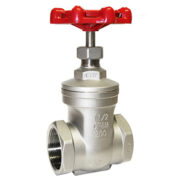

What are the two types of gate valves?
You can find gate valves in many industries. Experts sort these valves into two main types of gate valves: parallel and wedge-shaped. Each type has its own special features. Wedge gate valves have angled sealing surfaces, which helps stop the valve from sticking when it gets hot. These types of gate valves are used in about 15% of all industrial valve jobs around the world.
Key Takeaways
- Learn about the two main types of gate valves: parallel and wedge. Each type has special features for different uses.
- Pick parallel gate valves for systems with solids or rough stuff. They seal well when pressure is low. They also work well in high heat.
- Use wedge gate valves for clean fluids and high pressure. Their shape helps them seal tightly. This makes them good for important jobs.
Types of Gate Valves
type of gate valve
There are two main types of gate valves in factories. These are parallel gate valves and wedge gate valves. Each type has special features and smaller groups. Knowing how each type works helps you pick the right one.
Parallel Gate Valve
Parallel gate valves have a flat gate that slides between two seats. These valves are used in pipes that carry solids or rough materials. The seal in a parallel gate valve depends on fluid pressure or a force that pushes the gate. This design seals well both ways and helps stop the valve from sticking when it gets hot or cold.
There are different kinds of parallel gate valves. Here is a table that lists the main kinds and their features:
| Subtype | Distinguishing Features |
|---|---|
| Single Disc Parallel Gate Valve | Has one disc to close. Fluid pressure makes the seal. |
| Twin Disc Parallel Gate Valve | Has two discs. A spreader pushes them apart for better sealing. |
| Full-Bore Parallel Gate Valve | Stops solids from getting inside. Good for pipes that need cleaning. |
Parallel gate valves can have different ends:
- Flanged end parallel slide gate valve: Easy to put together and take apart. Good for high pressure.
- Threaded end parallel slide gate valve: Seals well for low or medium pressure.
- Forged parallel slide gate valve: Very strong and lasts long. Handles high pressure and heat.
- Cast parallel slide gate valve: Cheaper and useful in many places.
Manufacturers use cast iron, ductile iron, carbon steel, stainless steel, and bronze to make parallel gate valves. The material depends on the fluid, heat, pressure, and if it needs to resist rust.
Клиновая задвижка
Wedge gate valves have a gate with slanted sides that fit tightly between seats. These valves are used where strong sealing and high pressure are needed. The wedge shape helps the gate press hard against the seats for a tight seal. This design works best with clean fluids because dirt can hurt the seal.
Wedge gate valves come in three main kinds. The table below shows how each kind works:
| Subtype | Design Characteristics | Functionality |
|---|---|---|
| Solid Wedge | Hard and does not bend. Can get stuck if the pipe gets hot or stressed. | Used in bronze, cast iron, and small carbon steel valves. May stick when temperatures change. |
| Гибкий клин | Has a groove to bend a little. Handles changes in heat and pipe stress. | Most common type. Works with small flaws in the seats. |
| Split Wedge | Made of two pieces that fit together. Stops jamming from heat. | Used in stainless steel and strong alloy valves. Can jam if dirt gets between the pieces. |
Wedge gate valves are made from cast steel and forged steel. Cast steel is strong and resists rust. Forged steel is even stronger and lasts longer, so it is good for high pressure. These materials help the valve work well in tough places.
Wedge gate valves have limits for pressure and heat. The pressure limit goes down when the temperature goes up. Flanged wedge gate valves connect tightly. Carbon steel wedge gate valves work well at high pressure and low heat. Cast steel wedge gate valves work in high pressure and high heat, but you must stay within the limits.
Tip: Wedge gate valves are good for general use and medium to high pressure. Parallel gate valves are best for long pipes, high heat, and systems that get hot and cold.
| Feature Comparison | Клиновая задвижка | Parallel Gate Valve |
|---|---|---|
| Sealing Principle | Wedging action between gate and seats | Pressure or force pushes gate(s) against seat(s) |
| Sealing Reliability | Seals well at high pressure | Seals well at low pressure and both ways |
| Operating Torque | Needs more force to open | Needs less force to open |
| Thermal Binding Risk | Can happen, mostly with solid wedge | No risk of sticking from heat |
| Media Suitability | Best for clean fluids | Great for solids and rough materials |
| Flow Resistance (Full Open) | Very low | Very low and smooth flow |
| Size and Weight | Smaller | Bigger and heavier |
| Primary Applications | General use, medium-high pressure | Long pipes, high heat, changing temperatures |
Each type of gate valve has its own good points. Pick the gate valve that fits your system best.
Features and Uses

Features and Uses gate valve
Parallel Gate Valve Features
A parallel gate valve has a flat gate that controls flow. This design gives many good things. The valve seals tightly, so it works well with important fluids. You do not need much force to use it because line pressure helps seal it. It works in places with high heat and high pressure, like steam and hot water pipes. The wide, flat seat does not bend easily, so you do not have to fix it often. The full bore opening lets fluid move easily, so there is little pressure loss.
| Benefit/Characteristic | Описание |
|---|---|
| Superior Sealing | Tight seal for critical fluid pipelines |
| Low Torque Requirement | Less force needed, cost-effective operation |
| High-Temperature Suitability | Handles steam and hot water services |
| Reduced Maintenance | Flat seat prevents wear, extends valve life |
| Low Flow Resistance | Full bore opening, less pressure loss |
Parallel gate valves have some problems too. You must open or close the valve all the way, so you cannot change flow slowly. If pressure drops fast, the valve can cause cavitation. The valve is big and tall, so you need lots of space to put it in. High friction can wear out the sealing parts. It takes time to open and close the valve.
Wedge Gate Valve Features
A wedge gate valve uses a slanted gate that presses between seats. This makes a tight seal and stops leaks in important systems. Fluid moves through the valve easily, so pressure stays steady. Strong materials make the valve last a long time and need less fixing. You can use this valve for many kinds of fluids, so it is useful in many places. The valve works both ways, so it helps with pipeline design. You can open and close it by hand or with machines.
| Преимущество | Описание |
|---|---|
| Reliable Shut-Off | Tight seal prevents leaks |
| Низкое падение давления | Minimal resistance keeps flow steady |
| Durability and Longevity | Strong materials mean long service life |
| Versatility | Handles many fluids and applications |
| Bi-Directional Flow | Works both ways, easy pipeline design |
| Ease of Operation | Simple manual or automated use |
| Cost-Effectiveness | Low maintenance, lower overall cost |
Wedge gate valves have some limits. You need more force to use them because they turn many times to open. They are not good for quick flow changes. You must seat the valve just right to seal it, so putting it in can be hard.
Приложения
You see parallel Задвижки в water treatment, natural gas pipes, and low-pressure steam systems. These valves work well in pump stations and tanks where you open and close them a lot. If fluids have particles, parallel gate valves are a good pick because they do not wear out fast.
Wedge gate valves are used in oil and gas pipes, refineries, and chemical plants. You use them to control crude oil, natural gas, and chemicals at high pressure and heat. Cities use wedge gate valves for water and sewage systems. Paper plants use them for moving pulp and heating with steam.
Tip: Check and take care of your gate valve often. This stops leaks and keeps your system safe. Lubricate and clean your gate valves to help them last longer.
Comparison of Gate Valves
Comparison Table
It is important to look at the main features of both gate valves before picking one. The table below shows how each type works in different situations. You can see how sealing, pressure, fixing, and price are not the same for each type.
| Feature | Parallel Gate Valve | Клиновая задвижка |
|---|---|---|
| Sealing Mechanism | Uses upstream pressure for sealing | Uses torque and system pressure for sealing |
| Performance Under Pressure | May leak at low pressures | Handles high pressure well |
| Thermal Binding Risk | Less likely to stick at high temperatures | Can stick at high temperatures |
| Maintenance Difficulty | Harder to maintain due to sliding action | Easier to maintain |
| Cost | Can be more expensive for some materials | Solid wedge is less expensive; flexible wedge costs more |
Parallel gate valves are best when pressure and temperature stay the same. Wedge gate valves seal better if pressure changes a lot. The material you pick changes how long the valve lasts and how much it costs. Stainless steel valves do not rust and last longer, but they cost more money.
Selection Tips
You should think about your system and what you need before picking a gate valve. Here are some easy tips to help you choose the right type:
- Check what kind of fluid you have. Wedge gate valves are good for clean or corrosive liquids. Parallel gate valves are better for solids or rough fluids.
- Look at the pressure and temperature. Wedge gate valves work best with high pressure. Parallel gate valves are better for low pressure.
- Think about what the valve is made of. Stainless steel valves do not rust. Cast iron valves are cheaper but do not last as long with harsh fluids.
- Think about how much fluid moves and the pipe size. Wedge gate valves are good for big pipes and lots of flow. Parallel gate valves are for special flow needs.
- Look at the price and how hard it is to fix. Solid wedge gate valves are cheaper for small jobs. Flexible wedge and parallel gate valves may cost more but work better.
Tip: Always pick a gate valve that matches your system’s pressure, temperature, and fluid. This helps stop leaks and saves money on repairs.
You can spot important differences between parallel and wedge Задвижки. The table below shows these differences. Wedge valves seal by pushing the gate between seats. They work best when the pressure is high. Parallel valves move straight up and down to open or close. They are used in more types of systems. You should always look at what your system needs before picking a valve.
| Key Point | Wedge Valve | Parallel Gate Valve |
|---|---|---|
| Sealing Mechanism | Wedging action | Linear motion |
| Pressure Suitability | High pressure | Lower pressure |
| Cost | More expensive | Less expensive |
| Torque Requirement | Greater torque | Less torque |
| Size and Weight | Smaller, lighter | Larger, heavier |
Часто задаваемые вопросы
What is the main difference between parallel and wedge gate valves?
You will see that parallel gate valves use a flat gate. Wedge gate valves use a slanted gate for sealing. Each works best in different systems.
Can you use gate valves for flow control?
You should not use gate valves to control flow. You should use them only for fully open or fully closed positions. Partial opening can damage the valve.
How do you choose the right gate valve for your system?
You need to check your fluid type, pressure, and temperature. Pick a valve that matches your system’s needs for best performance and safety.