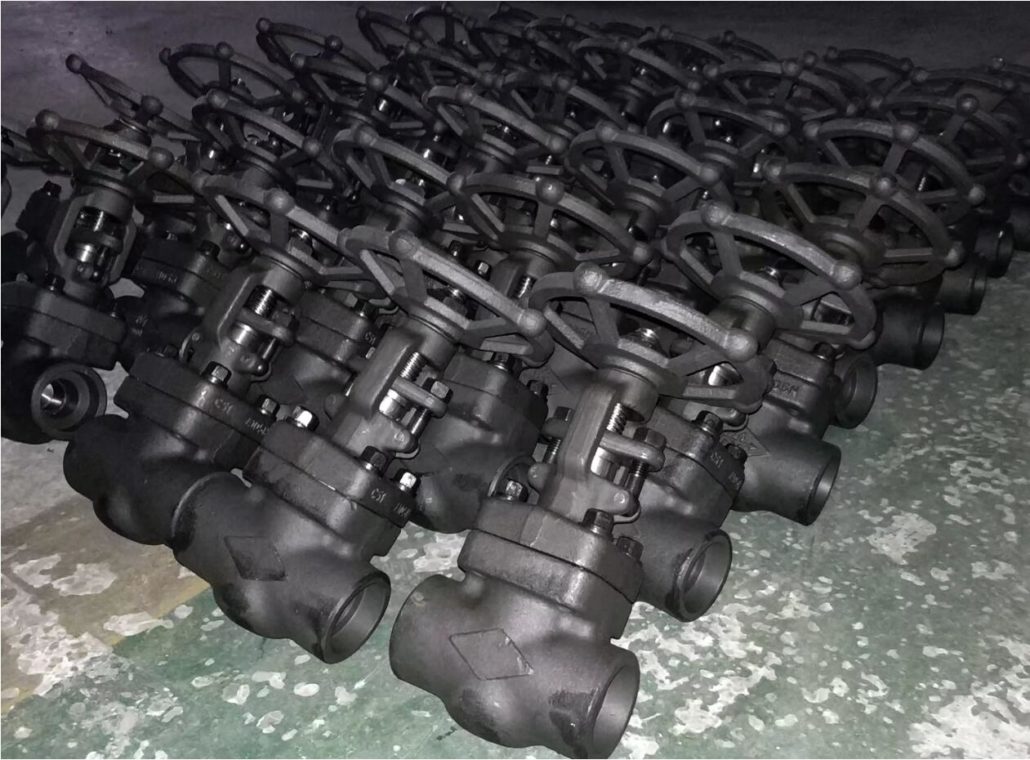
Forged Steel Valve vs. Cast Steel Valve: Key Differences Explained
Introducere
When selecting valves for industrial applications, the manufacturing method—forging vs. casting—plays a crucial role in performance, durability, and cost. Both supape din oțel forjat și cast steel valves are widely used in oil & gas, chemical, power plants, and water systems, but they differ significantly in strength, pressure handling, and application suitability.
In this blog, we’ll compare:
✔ Manufacturing Process Differences
✔ Mechanical Properties & Performance
✔ Common Applications & Selection Criteria
1. Manufacturing Process: Forging vs. Casting
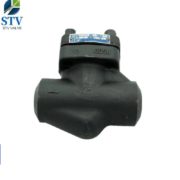
Forged Steel Valves
Process: Heated steel billets are mechanically pressed or hammered into shape under high pressure.
Structure: Grain flow follows the valve’s contours, enhancing strength.
Common Materials: ASTM A105, A182 F22/F91, F304/F316 stainless steel.
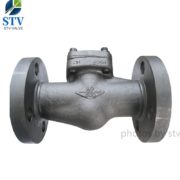
Cast Steel Valves
Process: Molten steel is poured into a mold and cooled into the desired shape.
Structure: Random grain structure, potentially leading to porosity or inclusions.
Common Materials: ASTM A216 WCB, WCC, A351 CF8/CF8M (stainless).
2. Key Differences in Performance
| Property | Forged Steel Valves | Cast Steel Valves |
|---|
| Strength | Higher tensile & impact strength | Lower strength, more brittle |
| Pressure Rating | Better for high-pressure (ASME 2500+ psi) | Typically for medium pressure (ASME 600-1500 psi) |
| Durability | More resistant to fatigue & vibration | Prone to cracks under cyclic stress |
| Internal Defects | Fewer defects (denser structure) | Possible porosity/shrinkage voids |
| Size Range | Smaller (usually ≤ 24″) | Larger sizes (up to 80″) available |
| Cost | Higher (labor-intensive forging) | Lower (economical for bulk orders) |
3. Applications: Where to Use Each Type?
Forged Steel Valves Are Ideal For:
✔ High-pressure systems (e.g., steam lines, hydraulic systems).
✔ Critical safety applications (oil refineries, power plants).
✔ Smaller, high-strength valves (gate, globe, check valves under 24″).
Cast Steel Valves Are Suitable For:
✔ Larger pipe diameters (e.g., water mains, low-pressure pipelines).
✔ Less critical, low/medium-pressure services (cooling systems, drainage).
✔ Cost-sensitive projects where extreme durability isn’t required.
4. How to Choose Between Forjată și Cast Valves?
Consider these factors:
Pressure & Temperature: Forged for extreme conditions; cast for moderate.
Size Needed: Cast for large diameters; forged for compact, high-strength needs.
Budget: Cast is cheaper for non-critical uses.
Safety Standards: Forged valves comply with stricter API/ASME specs.
Concluzie
While both forged and cast steel valves have their place in industry, the choice depends on pressure requirements, size, and budget.
Forged valves excel in high-pressure, high-stress environments.
Cast valves are economical for larger, low-pressure systems.
Need help selecting the right valve? Consult an engineer to match your application’s demands with the best manufacturing method!
Did you find this comparison helpful? Let us know if you’d like a deeper dive into material grades (WCB vs. A105) or industry-specific valve standards!