
Is a Soft Seat Ball Valve or Metal Seat Ball Valve Better for High Temperature Service?
Is a Soft Seat Ball Valve or Metal Seat Ball Valve Better for High Temperature Service?
When it comes to selecting the right ball valve for high-temperature service, the choice between a soft seat and a metal seat is critical. Temperature directly affects the valve’s sealing ability, longevity, and overall safety. So, which one performs better under the heat?
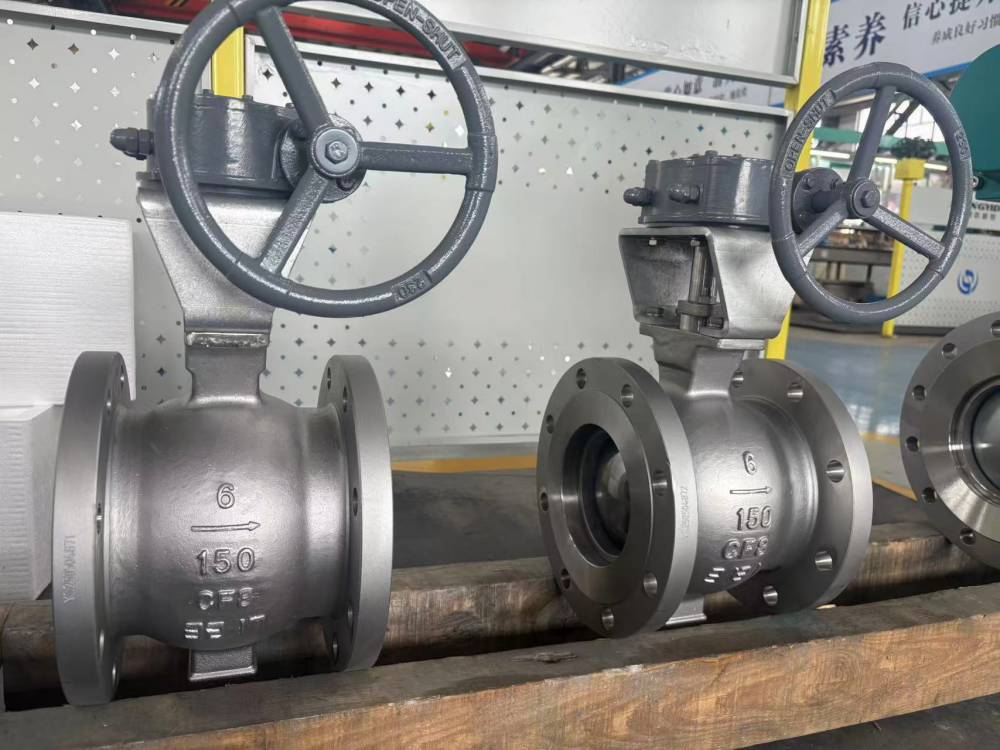
Metal Seat Ball Valve
Let’s break it down.
🔥 Understanding the Challenge of High Temperatures
High temperatures can wreak havoc on valve components. They can cause materials to expand, soften, degrade, or even melt. For a ball valve, the seat is especially vulnerable because it must maintain a tight seal against the ball despite thermal stress and material changes.
That’s why the seat material is one of the most important factors in high-temperature applications.
🟡 Soft Seat Ball Valves in High Temperatures
Soft seat ball valves use non-metallic materials like PTFE (Teflon), RPTFE, Nylon, or PEEK as the sealing surface. These materials are excellent at creating a bubble-tight seal at lower temperatures but begin to struggle as the heat rises.
✅ Pros of Soft Seats in Moderate Heat:
- Provide a superior seal at low to moderate temperatures.
- Low operating torque.
- Cost-effective and widely available.
❌ Limitations at High Temperatures:
- Material Degradation: PTFE, the most common soft seat material, begins to lose mechanical strength above 260°C (500°F). It can deform, extrude, or cold flow under pressure at elevated temperatures.
- Thermal Expansion: Soft materials expand more than metal when heated, which can cause excessive torque or even valve seizure.
- Limited Temperature Range: Most soft seats are rated for continuous service up to 200°C (392°F), with some advanced materials like PEEK reaching up to 250°C (482°F).
📌 Bottom Line:
Soft seat valves are not recommended for continuous high-temperature service. They may work in intermittent or lower-heat scenarios, but their performance and reliability drop off quickly as temperatures climb.
🟠 Metal Seat Ball Valves in High Temperatures
Metal seat ball valves use hardened metal-to-metal sealing surfaces—typically stainless steel, stellite, or inconel. These valves are engineered to withstand extreme conditions, making them the go-to choice for high-temperature applications.
✅ Advantages of Metal Seats:
- High Temperature Resistance: Metal seats can handle continuous service well above 260°C (500°F), with some designs rated for over 800°C (1472°F).
- Durability and Strength: Metal retains its shape and strength under thermal stress, reducing the risk of deformation or failure.
- Fire-Safe Design: Most metal seat valves are fire-safe certified, meaning they can maintain a seal even if the soft seals (like O-rings) burn away.
- Wear and Abrasion Resistance: Ideal for high-temperature services that also involve dirty or abrasive media.
❌ Considerations:
- Higher initial cost.
- May not achieve the same bubble-tight seal as soft seats at lower temperatures.
- Higher operating torque due to metal-on-metal friction.
📌 Bottom Line:
Metal seat valves are clearly the better choice for high-temperature service. They are purpose-built to perform reliably where soft seats fail.
🧠 Key Factors to Consider
When choosing a valve for high-temperature service, consider:
- Operating Temperature Range: Is it continuously above 200°C? Go with metal seats.
- Media Type: Is the fluid corrosive, abrasive, or dirty? Metal seats handle it better.
- Sealing Requirements: Do you need fire-safe compliance? Metal seats are essential.
- Maintenance and Longevity: Metal seats last longer in extreme conditions, reducing downtime.
✅ Conclusion: Which Is Better for High Temperatures?
Metal seat ball valves are the superior choice for high-temperature service.
While soft seat valves excel in lower-temperature applications due to their excellent sealing and lower cost, they simply can’t handle the heat. Metal seat valves, on the other hand, are designed to perform reliably, safely, and durably in the most demanding thermal environments.
If your project involves steam, hot oil, high-temperature chemicals, or any process where heat is a major factor, a metal seat ball valve isn’t just the better option—it’s the necessary one.