
ASTM A217 WC6 gate valves pros and cons explained

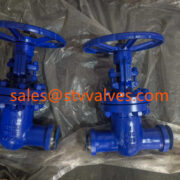
WC6 Gate Valve
When you look at astm a217 wc6 gate valves, you see they work well with high heat and pressure. You get little pressure drop when the valve is open. These valves are good for turning flow on or off. They also help block flow, even with thick fluids. They work in hard places like natural gas pipes and steam at refineries. Here is a quick table of pros and cons:
| Avantaje | Disadvantages |
|---|---|
| Little pressure drop when open | Slow to use by handwheel |
| Good for blocking flow | Not for throttling—can hurt valve |
| Handles thick fluids | Needs more space than butterfly valves |
You find these valves where heat and pressure are too much for other valves.
Key Takeaways
- ASTM A217 WC6 gate valves work well in places with high heat and pressure. They are good for power plants and oil refineries.
- These valves are strong and do not rust easily. This helps them last long and work well in tough places.
- They can stop flow very well. But they should not be used to control flow. Doing this can break the valve.
- These valves are big and heavy, so putting them in can be hard. Make sure your system can hold them before you buy.
- You need to take care of these valves often. This helps them last longer, especially in places with high pressure or dirt.
Pros of ASTM A217 WC6 Gate Valves
High Temp & Pressure
ASTM A217 WC6 gate valves work well in hot and high-pressure places. You can use them where it gets up to 593°C. That is much hotter than your oven at home. These valves also handle strong pressure, from Class 600 to 2500 and PN100 to PN420. They do their job in tough spots like steam pipes and oil lines.
- Max Temperature: 550°C
- Design Temperature Range: -196°C to 593°C
- Pressure Rating: PN16 to PN420
- Pressure Class: 150 LB to 2500 LB
Here is a table that shows how these valves compare to other alloy steel gate valves:
| Property | WC6 | WC9 |
|---|---|---|
| Maximum Temperature | 538 °C | 595 °C |
| Creep Resistance | Lower than WC9 | Higher, optimized for long-term applications |
| Application Suitability | Subcritical service | Supercritical applications |
Mechanical Strength
ASTM A217 WC6 gate valves are strong and do not break easily. The material has a yield strength of at least 40 ksi. Its tensile strength is between 70 and 95 ksi. This means the valve can take heavy loads and sudden pressure changes.
| Property | Value |
|---|---|
| Yield Strength | 40 ksi (275 MPa) |
| Tensile Strength | 70–95 ksi (485–655 MPa) |
The WC6 alloy makes the valve tough and long-lasting. You can trust these valves in places where safety is important.
| Property | Descriere |
|---|---|
| Mechanical Strength | Superior strength and toughness, essential for high-pressure applications. |
| Corrosion Resistance | Enhanced by molybdenum, making it suitable for corrosive environments. |
| Temperature Resistance | Capable of withstanding temperatures up to 593℃, ideal for steam and oil. |
Corrosion Resistance
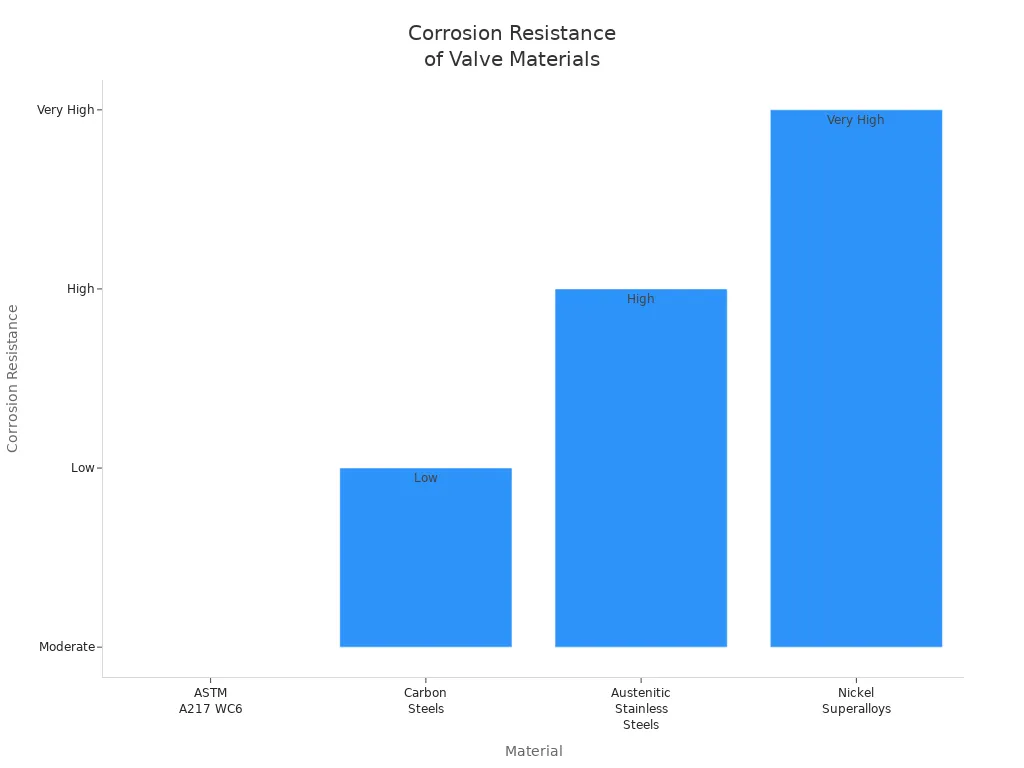
You do not want your gate valve to rust or wear out. The molybdenum in WC6 helps the valve fight corrosion and oxidation. This makes ASTM A217 WC6 gate valves good for steam, oil, or chemical places. The corrosion resistance is better than carbon steel but not as good as stainless steel or nickel superalloys.
| Material | Corrosion Resistance | High Temperature Resistance | Aplicații |
|---|---|---|---|
| ASTM A217 WC6 | Moderate | Excellent | High temperature and pressure valves |
| Carbon Steels | Low | Moderate | General applications |
| Austenitic Stainless Steels | High | Moderate | Corrosive environments |
| Nickel Superalloys (Hastelloy) | Very High | Excellent | Highly corrosive environments |
These gate valves work in many factories and plants. They keep working even when they touch different chemicals.
Tip: If you need a valve for steam, oil, or chemical lines, WC6 gate valves offer a good balance of corrosion resistance and high temperature performance.
Application Range
ASTM A217 WC6 gate valves are used in many places. You see them in power plants, oil refineries, petrochemical factories, offshore oil rigs, and chemical plants. They help control water, oil, and gas flow. These valves fit systems that need to handle high heat and pressure.
| Industry/Application | Descriere |
|---|---|
| Electric Power | Used in electric power generation facilities. |
| Petroleum Refining | Applicable in refining processes in the petroleum industry. |
| Petrochemical Engineering | Utilized in the production and processing of petrochemicals. |
| Offshore Oil | Employed in offshore oil extraction operations. |
| Chemical Engineering | Used in various chemical processing applications. |
| Mediu | Descriere |
|---|---|
| Water | Suitable for water transport and control. |
| Oil | Used in oil pipelines and facilities. |
| Gas | Applicable in gas distribution systems. |
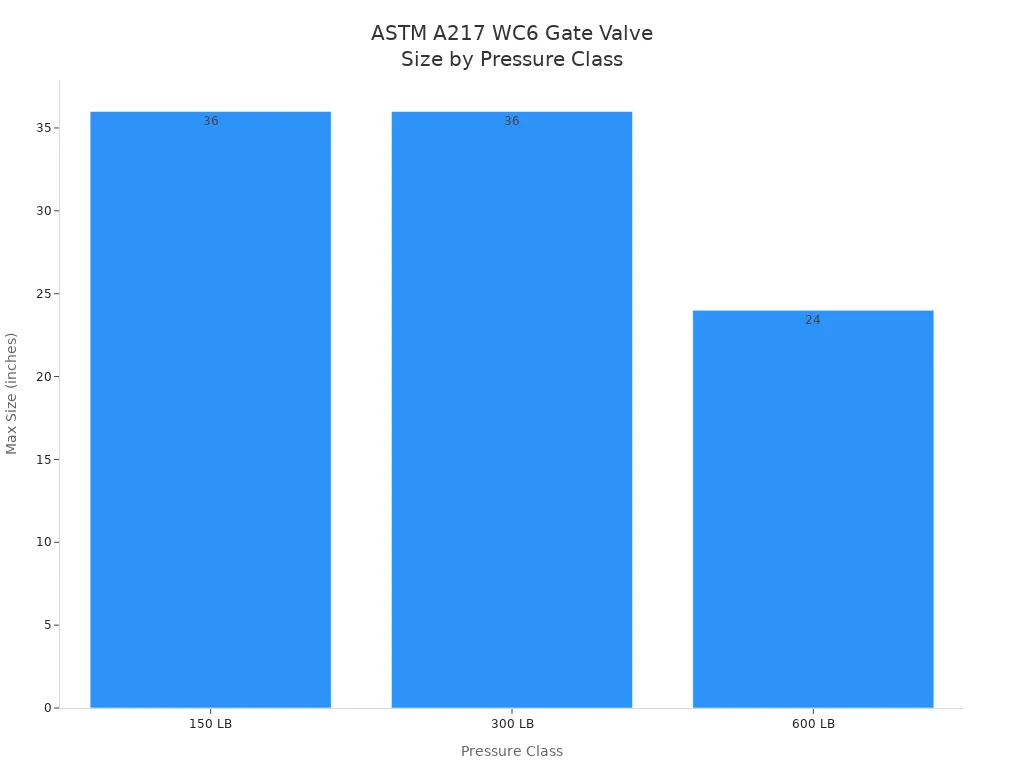
You can also find these valves in medicine, fertilizer, and food factories. The pressure class ratings help you pick the right valve for your needs.
| Pressure Class | Size Range |
|---|---|
| 150 | 2″ to 36″ |
| 300 | 2″ to 36″ |
| 600 | 2″ to 24″ |
| 2500 | N/A |
- Oil and gas
- Petroleum
- Petrochimice
- Water purification
- Food processing
- Other liquid flow systems operating under high temperatures and pressures
Service Life
ASTM A217 WC6 gate valves last a long time. Their strong material and resistance to heat and corrosion help them work for years. You do not need to replace them often. These valves keep working in tough places, so you save time and money.
Note: Choosing a WC6 gate valve means you get durability and reliability for years, even in demanding environments.
Cons of ASTM A217 WC6 Gate Valves
ASTM A217 WC6 gate valves have some downsides. You should know these before you buy one. Let’s look at the main problems so you can choose wisely.
Cost Factors
These gate valves cost more than many others. The price is higher because they use strong materials and special designs. They must handle high heat and pressure, so makers follow strict rules. You pay more at first for a valve that lasts longer.
| Factor | Descriere |
|---|---|
| Design | Made for places with high heat and pressure. |
| Material Specifications | Built to be tough and reliable. |
| Sealing Reliability | Pressure seal valves seal better than bolted bonnet joint valves. |
| Maintenance Cost | Cheaper to maintain in hard places. |
Making these gate valves is not easy. Makers melt and shape the metal very carefully. If they do it wrong, the valve can break. Heat treatment makes the valve stronger. Careful cutting keeps the gate and seat tight. Each valve gets tested to make sure it works well.
- Melting and shaping the metal must be done right.
- Heat treatment makes the valve strong and tough.
- Careful cutting helps the valve seal tightly.
- Testing finds any problems before the valve is used.
If you need a valve for a power plant or a place with lots of heat, you pay more at first. The higher price means you get a safer valve that lasts longer.
Weight & Installation
These gate valves are heavy. You may need help to move and put them in place. Thick walls and strong bodies add weight. You need strong supports and sometimes lifting tools. Gate valves take up more room than butterfly valves.
If your system has small spaces or weak supports, you may have trouble. The weight can make installing the valve slow and hard. Check if your setup can hold a heavy valve before you buy.
Low-Temp Limits
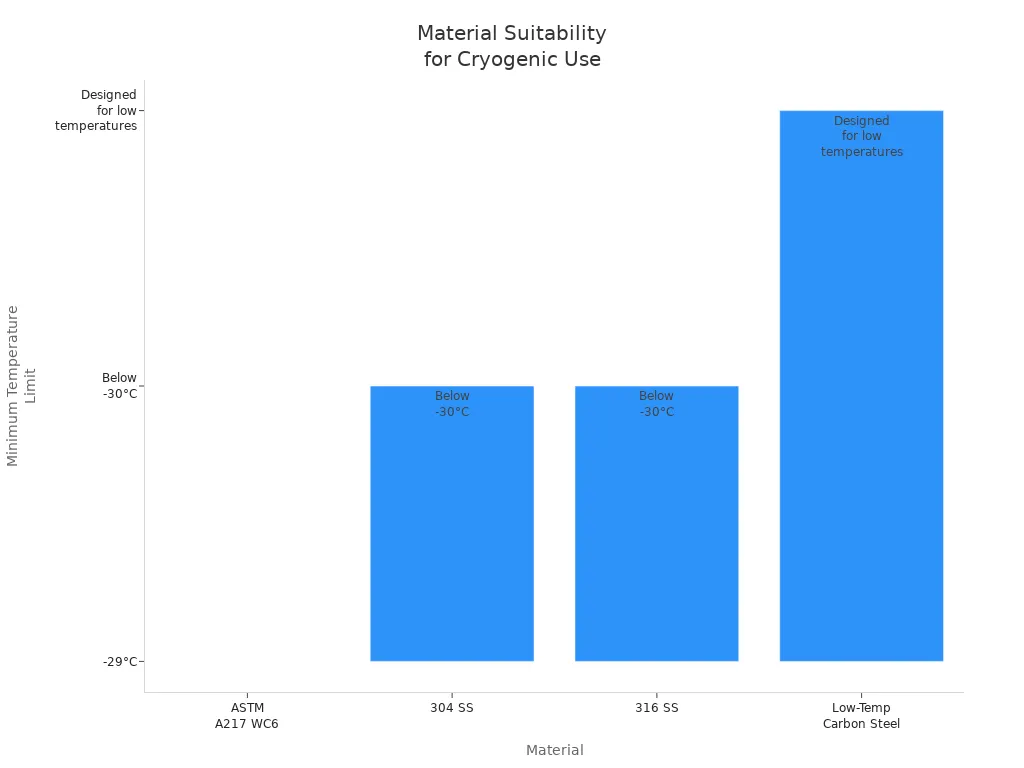
ASTM A217 WC6 gate valves work well in hot places. They do not work well in cold places. If you need a valve for freezing or very cold spots, this is not the best choice. The metal can crack when it gets too cold.
| Material | Minimum Temperature Limit | Suitability for Cryogenic Applications |
|---|---|---|
| ASTM A217 WC6 | -29°C (-20°F) | Not good for cold places |
| 304 SS | Below -30°C | Good for cold, stays strong |
| 316 SS | Below -30°C | Good for cold, stays strong |
| LCC | Made for cold places | Very good, very strong |
If your system is colder than -150ºF (-101ºC), pick another valve. Stainless steel or special carbon steel works better in cold places.
Maintenance
You need to think about taking care of these valves. They work in tough places, so you must check them often. High pressure and heat can wear out seals and seats. Dirty or thick fluids can clog or damage the valve faster.
| Factor | Descriere |
|---|---|
| Presiunea de operare | The valve must handle the highest pressure in your pipes. |
| Temperature Range | The metal and seals must stand up to heat. |
| Fluid Properties | Some fluids can damage or block the valve. |
| Flow Capacity | Know if the valve will be open, closed, or used to control flow. |
| Environmental Conditions | The valve must last in places like near the sea or in clean rooms. |
| Maintenance Requirements | High costs may mean you want easy-to-fix valves. |
| Budget Constraints | You must balance price with long-term savings. |
If you want less work, pick valves with parts that are easy to change. Taking care of these valves can cost a lot, so plan ahead.
Chemical Limits
ASTM A217 WC6 gate valves fight rust and some chemicals. They do not work with every fluid. Strong acids or harsh chemicals can damage the valve faster. Chromium helps protect against some acids and bases, but it is not as strong as stainless steel or nickel alloys.
| Property | Descriere |
|---|---|
| Corrosion Resistance | Chromium makes a layer that protects against some acids and bases. |
| High-Temperature Strength | Molybdenum keeps the valve strong when it is hot. |
| Application Suitability | Good for power plants and chemical jobs, but not for every fluid. |
You see these valves in heat exchangers, reactors, and pipes in chemical plants. They work well with steam, oil, and some chemicals, but not all fluids. If you need a valve for very strong chemicals, pick stainless steel or nickel alloy.
Tip: Always check what fluid you will use before you pick a gate valve. The wrong valve can leak or break early.
Gate Valve Applications
Ideal Uses
You want a gate valve that works in tough places. astm a217 wc6 gate valves give you strong performance when you need it most. You see this type of valve in many industries because it handles high temperature and pressure. The gate inside the valve moves up and down to block or allow flow. This makes it perfect for stopping or starting flow in big pipes.
Here are some places where you should use a gate valve:
- Oil and gas pipelines move crude oil, refined products, and natural gas. The valve keeps the flow safe and steady.
- Chemical plants use the gate valve to control chemicals. You get safety and fewer leaks.
- Ships need gate valves for seawater and fuel systems. The valve stands up to rough marine conditions.
- Mining operations use the gate valve for slurries and abrasive materials. The gate resists wear and tear.
- Fire protection systems rely on the valve to control water in sprinklers and hydrants.
You can trust a gate valve made from WC6 material in these jobs. The valve works with water, steam, and hydrogen at temperatures from -29°C to 540°C. Here’s a quick look at how WC6 compares to other materials:
| Material | Suitable Temperature Range (°C) | Suitable Working Medium |
|---|---|---|
| WC6 | -29 to 540 | Water, steam, hydrogen |
| WC9 | -29 to 570 | Water, steam, hydrogen |
| F11 | -29 to 540 | Water, steam, hydrogen |
| F22 | -29 to 570 | Water, steam, hydrogen |
Tip: If you need a valve for high-pressure steam or oil, a gate valve with WC6 material is a smart choice.
When to Avoid
Not every job fits a gate valve made from WC6. You should avoid this valve in places with strong acids or very corrosive fluids. The gate and body can wear out fast in these conditions. If you need a valve for harsh chemicals, pick stainless steel like ASTM A351 CF8M.
Here’s a table to help you decide:
| Material | Application Conditions |
|---|---|
| ASTM A217 WC6 | Non-corrosive applications including water, oil, and gases at temperatures between -20ºF (-30ºC) and +1100ºF (+593ºC). |
| ASTM A351 CF8M | Recommended for corrosive environments due to high corrosion resistance. |
You should also avoid a gate valve in places colder than -29°C. The valve can crack or fail. For cryogenic or very cold jobs, use stainless steel or special carbon steel.
- Use ASTM A351 CF8M for corrosive fluids.
- Pick other materials for very cold or chemical-heavy environments.
Note: Always check your fluid and temperature before you choose a gate valve. The right valve saves you trouble and money.
API600 Cast Steel Gate Valve Comparison
ASTM A217 WC6 vs API600
When you look at api600 cast steel gate valve options, you see many choices. ASTM A217 WC6 is a popular material for these valves. You find api600 cast steel gate valve designs in power plants, oil refineries, and chemical factories. The api600 cast steel gate valve follows strict standards for size, pressure, and safety. You get a valve that works well with high temperature and pressure.
ASTM A217 WC6 gives you strong performance in tough places. The gate inside the valve moves up and down to block or allow flow. You get a tight seal and little pressure drop. The api600 cast steel gate valve can handle steam, oil, and gas. You see this valve in places where safety matters.
Here’s a quick table to help you compare:
| Feature | ASTM A217 WC6 api600 cast steel gate valve | Other api600 cast steel gate valve materials |
|---|---|---|
| Max Temperature | Up to 593°C | Varies by material |
| Pressure Rating | Class 150 to 2500 | Class 150 to 2500 |
| Corrosion Resistance | Moderate | Depends on material |
| Service Life | Long | Varies |
| Application Range | Steam, oil, gas, water | Depends on material |
You get a valve that lasts a long time and works in many industries. The api600 cast steel gate valve with WC6 material stands up to heat and pressure better than many other valves.
Selection Tips
Choosing the right api600 cast steel gate valve can feel tricky. You want a valve that fits your job and lasts. Here are some tips to help you pick the best gate valve:
- Check the temperature and pressure in your system. If you need a valve for high heat, ASTM A217 WC6 api600 cast steel gate valve is a smart choice.
- Look at the fluid you want to control. If you have steam, oil, or gas, this gate valve works well. For strong acids or harsh chemicals, pick a valve made from stainless steel or nickel alloy.
- Think about corrosion resistance. The material in your api600 cast steel gate valve must resist rust and wear. WC6 gives you moderate protection, but stainless steel works better for very corrosive fluids.
- Make sure the gate valve fits your pipes. The api600 cast steel gate valve comes in many sizes and pressure ratings.
- Ask about machining and welding. You want a valve that is easy to install and fix. WC6 material is strong but needs careful welding.
- Balance cost and performance. You pay more for a valve that lasts longer and works better. The right api600 cast steel gate valve saves you money over time.
Here’s a table with important factors to consider:
| Factor | Descriere |
|---|---|
| Corrosion Resistance | Pick a valve that resists rust based on your fluid and environment. |
| Strength and Rigidity | Your valve must handle the pressure and thrust in your system. |
| Machining and Welding Performance | Choose a valve material that is easy to work with. |
| Cost Effectiveness | Find a valve that gives you good value and long service life. |
| High-Temperature Strength | Make sure your valve stays strong when it gets hot. |
| Thermal Expansion Coefficient | A valve with low expansion keeps its seal tight. |
| Thermal Conductivity | Good conductivity helps your valve work smoothly. |
| Common Materials | Stainless steel and nickel alloys are good for tough jobs. |
Tip: Always match your api600 cast steel gate valve to your system’s needs. The right gate valve keeps your operation safe and smooth.
When you pick an ASTM A217 WC6 gate valve, you get strong performance in high heat and pressure. You also face higher costs and more maintenance. These valves work best in tough places like power plants and refineries.
- Think about your system’s needs, budget, and how often you want to fix things.
- If you know the pros and cons, you can choose the right valve with confidence.
FAQ
What industries use ASTM A217 WC6 gate valves?
You see these valves in power plants, oil refineries, chemical factories, and offshore rigs. They work best where heat and pressure run high.
Can you use WC6 gate valves for corrosive fluids?
You get moderate corrosion resistance. For strong acids or harsh chemicals, you should pick stainless steel or nickel alloy valves instead.
How often do you need to maintain WC6 gate valves?
You should check these valves regularly, especially in high-pressure or dirty systems. Replace seals and seats when you see wear. Regular care helps your valve last longer.
Are WC6 gate valves good for cold environments?
No, you should avoid these valves in freezing or cryogenic conditions. The metal can crack if temperatures drop below -29°C (-20°F).
Do WC6 gate valves cost more than other types?
Yes, you pay more upfront for WC6 gate valves. The strong material and careful manufacturing raise the price, but you get longer service life and better safety.