

How to Choose the Right MSS SP-81 Knife Gate Valve for Your Needs
China MSS SP-81 Knife Gate Valve Manufacture,China MSS SP-81 Knife Gate Valve Factory,China MSS SP-81 Knife Gate Valve Supplier.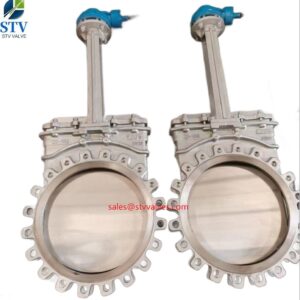
Selecting the right MSS SP-81 Knife Gate Valve requires matching the valve’s design, size, material, and actuation to your specific application. The MSS SP-81 standard covers stainless steel, bonnetless, flanged valves, making them ideal for demanding environments. Whether you need a China Knife Gate Valve, Фланцево-ножевая задвижка, or a DIN standard valve, these products are built to handle tough jobs across various industries. You’ll commonly find them in water treatment, mining, pulp and paper, chemical plants, and power plants. The MSS SP-81 Knife Gate Valve is engineered to cut through thick slurries and prevent clogging, making it perfect for handling abrasive and gritty materials. When choosing a China Knife Gate Valve, Flange Knife Gate Valve, or DIN model, always ensure the product meets compliance standards and delivers reliable performance from reputable manufacturers like STV VALVE.
Common applications include:
Water and sewage treatment
Metal and mining
Pulp and paper
Chemical processing
Oil and gas
Key Takeaways
Pick an MSS SP-81 knife gate valve that fits your system’s media, pressure, temperature, and flow. This helps the valve work well and last longer.
Choose the right valve size by measuring your pipe. Check how much flow you need. This stops leaks and keeps your system working right.
Pick body and seat materials that resist rust and seal well. Metal seats last longer. Soft seats make a tighter seal.
Choose manual or automated actuation based on valve size and control needs. This makes your system safer and more efficient.
Always check valve certifications. Follow the right steps to install the valve. This keeps your system safe, strong, and easy to fix.
Application Needs
Media Type
First, you need to know what your system moves. MSS SP-81 knife gate valves are great for tough jobs. They work well with things like:
Slurries and semi-solids
Fly ash and chips
Iron ore and powders
Fiber-rich pulps
Food products, sugar, and sugarcane juice
Wastewater and sewage
The valve’s sharp edge can cut thick or sticky stuff, like slurry and pulp. Makers use strong materials, such as stainless steel, carbon steel, and special alloys. These help stop rust and damage. Polyurethane-lined seats и U-shaped seals keep things from getting stuck and help the valve close tight. You can trust these valves for rough, dirty, or gritty liquids in pulp & paper, mining, chemical, and wastewater plants.
Pressure and Temperature
You must check the valve’s pressure and temperature ratings. MSS SP-81 knife gate valves can handle different pressures and temperatures. This depends on the size and seat material. Look at the table below for common values:
Size Range (DN / NPS) | Max Working Pressure | Temperature Range |
|---|---|---|
DN50 | 10 Bar / 150 PSI | -29°C to +200°C |
DN300 | 7 Bar / 90 PSI | -29°C to +200°C |
DN500 | 4 Bar / 60 PSI | -29°C to +200°C |

Seat materials like EPDM, Viton, PTFE, and metal have different heat limits. Always pick a valve that fits your system’s highest pressure and temperature.
Flow Requirements
Think about how your system moves liquids. MSS SP-81 knife gate valves are made for thick, grainy, or slurry stuff. Their small size and smooth inside help liquids move easily. The wedge-shaped gate and stainless steel choices help stop leaks and block debris. You can pick many sizes, from DN50 to DN1800, to fit your needs.
How well the valve works depends on flow speed and how rough the flow is. Fast or rough flow can wear out the valve faster. A full round port design helps stop this, so the valve lasts longer and needs less fixing. Make sure the valve’s seal and materials match your flow for good results.
MSS SP-81 Knife Gate Valve Standards
Особенности дизайна
When you pick an MSS SP-81 Knife Gate Valve, you get a strong and dependable product. The standard covers stainless steel or stainless steel-lined valves. These valves do not have a bonnet and have flanged ends. You can pick wafer or lug type bodies. This depends on how you want to install the valve. Some valves are unidirectional, and some are bidirectional. Unidirectional valves seal in one direction. They work well for lines that remove or reject materials. Bidirectional valves seal both ways. This gives you more options and better sealing. They use two seats and a center-guided blade or a U-shaped rubber sleeve to close tightly.
Here is a simple table about the main design features:
Design Feature | Specification Details |
|---|---|
Size Range | 2 to 24 inches (DN50-DN600) |
Pressure Rating | 150 PSI (Class 150 LB / PN10-PN25) |
Body Materials | ASTM A216 WCB, ASTM A351 CF8, CF8M, Carbon Steel, Stainless Steel |
Seat Materials | PTFE, GFT, PEK |
Operation Method | Hand-wheel operated |
Valve Design Aspects | Single piece cast body; uni-directional or bi-directional flow; resilient seating design; simple and compact construction; wafer or lug type end connections |
The MSS SP-81 Knife Gate Valve uses a single-piece cast body. This makes it strong. The seat design helps stop leaks, even with thick or rough liquids. The valve is small and easy to put in, even if you do not have much space.
Tip: Bidirectional valves cost more but seal better and last longer. Pick them for hard jobs like mining or wastewater.
Pressure Ratings
The pressure rating depends on the valve size. Small valves can handle more pressure. Big valves have lower pressure ratings. Always check the pressure rating before you install the valve. This helps you avoid leaks or damage.
Valve Size Range (DN / NPS) | Typical Pressure Rating |
|---|---|
DN50 to DN250 (2″ to 10″) | |
DN300 to DN450 (12″ to 18″) | 7 Bar (90 Psi) |
DN500 to DN600 (20″ to 24″) | 4 Bar (60 Psi) |
The MSS SP-81 standard says each valve must pass tough pressure tests. The body shell test uses 1.5 times the working pressure. There should be no leaks you can see. The seat test checks for leaks at full pressure. The valve must open and close to show it works right. These tests make sure your valve is safe and works well.
Test Type | Requirement Description |
|---|---|
Body Shell Test | Hydrostatic pressure test at 1.5 times the rated working pressure with no visible leakage (excluding leakage through packing, gate, seat, and temporary flange gaskets or seals). |
Seat Test | Hydrostatic seat leakage test with gate closed; zero allowable leakage at full rated working pressure. |
Functional Test | Valve cycled fully open and closed once to confirm proper operation of valve and accessories (if applicable). |
Gate Test | Valve tested with gate closed at rated pressure to ensure gate material integrity. |
Size Range
You need to match the valve size to your pipe size. The MSS SP-81:2017 standard covers sizes from NPS 2 (DN 50) up to NPS 36 (DN 900). This means you can find a valve for almost any pipe, big or small.
Most jobs use valves between 2 inches and 24 inches. Always check your pipe’s size before you buy a valve. The right size gives you a good seal and smooth flow. If you pick the wrong size, you might get leaks, low pressure, or even system problems.
Note: The size range of MSS SP-81 Knife Gate Valves matches most pipe sizes. This makes it easy to use them in new or old systems.
Material and Seat Selection
Metal vs. Soft Seat
You need to pick between metal seats and soft seats for your MSS SP-81 knife gate valve. Metal seats are made from stainless steel. They work well with rough slurries and high heat. These seats do not wear out fast and last longer in hard places. Soft seats, like EPDM, PTFE, or Viton, seal tighter and stop leaks better. Soft seats are good if you need a bubble-tight shutoff or use lower heat.
Tip: Soft seats leak less during tests, but they can wear out faster if the liquid is rough. Metal seats last longer but might let a little leak happen.
Here is a simple table to compare:
Feature | Metal Seat | Soft Seat (Elastomer/PTFE) |
|---|---|---|
Sealing | Good | Excellent |
Abrasion | High resistance | Moderate resistance |
Temperature | High | Moderate |
Maintenance | Less frequent | Easier replacement |
Corrosion Resistance
You want your valve to last a long time, even in tough places. MSS SP-81 knife gate valves often use stainless steel 304 for the gate. This stops rust and helps the valve work longer. Many valve bodies use ASTM A216 WCB carbon steel. You can also pick stainless steel or cast stainless steel for more protection. Soft seat materials like EPDM, Buna, Viton, and Neoprene help stop rust and make the seal better. These choices help your valve stand up to chemicals, water, and other things that can cause rust.
Media Compatibility
You must match the valve parts to what flows in your system. Stainless steel works with water, chemicals, and slurries. Soft seats like EPDM and Viton resist many chemicals and bend easily. PTFE seats work with strong chemicals and keep things very clean. Always check the heat and chemical limits for each seat type.
Note: The right seat material seals better and means less fixing. Seats you can change or adjust help you fix wear without taking out the whole valve. This saves time and money.
Picking the best body, gate, and seat materials helps your MSS SP-81 knife gate valve work well and last a long time.
Sizing and Actuation

Valve Sizing
You need to pick the right valve size for your system. First, match the valve size to your pipe’s diameter. MSS SP-81 knife gate valves come in sizes from 2 inches (DN50) to 24 inches (DN600). Some are even bigger. Always check your pipe’s inside width before you choose. If the valve is too small, it can slow down flow and lower pressure. If the valve is too big, it might not seal well and will cost more.
To find the right size, follow these steps: 1. Measure your pipe’s inside width. 2. Check how much liquid moves through and what pressure you need. 3. Look at the valve’s flow number (Cv) to see if it works for you. 4. Make sure the valve’s length fits your space.
Tip: Always use the maker’s sizing chart. This helps you pick the right valve and avoid mistakes.
The right size valve helps your system work better. It also stops leaks and cuts down on repairs.
Actuation Options
There are different ways to open and close MSS SP-81 knife gate valves. You can use a handwheel or bevel gear for manual control. Handwheels are good for small valves and low pressure. Bevel gears make it easier and safer to turn bigger valves. Grease on the handwheel bearings helps them move smoothly.
For bigger valves or if you want to use machines, you can pick pneumatic, hydraulic, or electric actuators. Pneumatic actuators use air to move the valve fast and steady. Hydraulic actuators use liquid power for strong and steady movement. Electric actuators let you open or close the valve with a switch or remote. These can also have feedback devices like proximity switches.
Actuation Type | Best For | Key Benefits |
|---|---|---|
Маховик | Small valves, manual control | Simple, low cost |
Bevel Gear | Larger valves, safer operation | Less effort, improved safety |
Pneumatic | Fast, automated systems | Quick response, easy automation |
Hydraulic | High force, tough environments | Strong, reliable, precise control |
Electric | Remote or automated operation | Easy integration, feedback options |
Automated actuators help your system work faster and better. They give you steady valve movement and more control, which is important in busy factories.
Compliance and Quality
Certifications
You must check if your valve meets important rules. When you pick an MSS SP-81 Knife Gate Valve, look for proof of safety and quality. Good brands, like Fabricast Valve, show they follow MSS SP-81 and AWWA C520. These rules mean the valve works well and is safe. You should also look for other key certifications:
MSS Membership shows the maker follows the rules.
SIL 3 Certification means the valve is very safe.
ISO 9001:2015 proves the company has good quality checks.
ABSA CRN Certification is needed for Canada.
CE Certification is for Europe.
AIS and BAA mean the valve fits American rules.
API 598 is for valve testing.
ASME B16.5 checks if flanges fit.
ATEX is for places with explosions.
These certifications help you know the valve is safe and good.
Installation Fit
Putting the valve in the right way helps it last longer. Always check which way the seat side faces. Be gentle with the valve so you do not break it. Make sure the flange and bolt holes are the right size. Use ASME rules for bolts. After you put the valve in, tighten the packing nuts for a good seal. Follow these steps for a good fit:
Look at the seat side marking.
Be careful when you move the valve.
Check if the flange and bolt holes match.
Use tapped holes if you need them.
Tighten the packing nuts after you finish.
Tip: If your job is hard or special, ask the maker for help.
Common Mistakes
People often make the same mistakes with valves. You can stop these problems if you know what to watch for:
Not knowing what the valve will be used for.
Picking the wrong actuator size, so the valve does not work.
Not checking for leaks in push-through valves.
Messing up with filler or load rings, so the valve does not meet rules.
Using the wrong materials, so the valve breaks early.
Not talking enough with your team, so you make bad choices.
Choosing cheap parts that wear out fast.
Not adding extra safety for actuators.
You can avoid these mistakes by checking your needs, following the rules, and picking trusted brands.
Selection Checklist
Review Steps
You can pick the right valve by using a simple process. Follow this checklist to help you choose an MSS SP-81 knife gate valve:
Identify Your Application
Write down what will go through the valve. Check if it has solids, is rough, or can cause rust.Check Pressure and Temperature
Find out the highest pressure and heat in your system. Make sure these match the valve’s limits.Select the Correct Size
Measure your pipe’s width. Pick a valve that fits your pipe and lets enough flow through.Choose Materials and Seat Type
Choose body and seat materials that do not rust or wear out fast. Decide if you want a metal or soft seat for better shutoff or longer use.Decide on Actuation
Pick manual, air, liquid, or electric ways to open the valve. Think about how often you will use it and if you need to control it from far away.Verify Compliance and Certifications
Look for МСС СП-81 and other important certifications like ISO 9001 or API 598. These show the valve is safe and meets rules.Plan for Installation and Maintenance
Make sure the valve fits your space and how you will put it in. Check if you can reach parts for fixing later.
Tip: Go over each step with your team so you do not miss anything important.
Final Tips
You can help your valve work better and last longer with these tips:
Pick materials that do not wear out or rust for tough jobs.
Choose the right size by thinking about solid size, roughness, heat, and pressure.
Pick the best way to open the valve for your needs. Electric actuators are good for far away or careful control.
Use bidirectional sealing if you need flow both ways.
Add hard coatings like tungsten carbide or ceramic to stop wear.
Use better packing or bonneted designs to stop leaks and make fixing easier.
Make sure gates and seats are easy to change for quick repairs.
Only buy valves tested to rules like API 598 or IS for good quality.
Think about upgrades like epoxy powder or anti-rust coatings for more safety.
If you follow these tips, you can pick a strong MSS SP-81 knife gate valve that works well for hard jobs and lasts a long time.
You can pick the right MSS SP-81 Knife Gate Valve by using easy steps. Make sure the valve size and material fit your pipe and what flows inside. Always look at the pressure rating and check if it meets the rules. Good brands like STV VALVE give you help, information, and tips for putting it in. If your job is hard or tricky, ask experts and use guides, pictures, or online help. Doing these things helps your valve work well and last a long time.
Часто задаваемые вопросы
What is the main advantage of an MSS SP-81 knife gate valve?
You get a valve that handles thick slurries and solids without clogging. The sharp gate cuts through tough media. This design works well in harsh environments like mining, wastewater, and pulp processing.
How do you know if a valve meets MSS SP-81 standards?
Check the product documentation or ask the manufacturer. Look for clear markings, test certificates, and compliance statements. Trusted brands like STV VALVE provide these details up front.
Can you use a knife gate valve for both directions of flow?
Some MSS SP-81 knife gate valves offer bidirectional sealing. You must check the valve design. If you need flow in both directions, choose a bidirectional model for the best performance.
What maintenance does a knife gate valve need?
Inspect the seat and gate for wear.
Lubricate moving parts.
Tighten packing nuts as needed.
Replace seals if you see leaks.
Regular checks help your valve last longer and work better