Industries That Rely on DN80 GGG40 Knife Gate Valves
Industries That Rely on DN80 GGG40 Knife Gate Valves
Many industries, including wastewater treatment, mining, pulp and paper, and power generation, rely on DN80 GGG40 knife gate valves. These valves handle challenging conditions with ease. Their design offers several technical advantages:
- Durable ductile iron GGG40 body for strength
- Stainless steel 304 disc resists corrosion
- Lug type structure supports easy installation
- Tight sealing with a natural rubber seat
- High pressure rating ensures reliable performance
The epdm seat knife gate valve pn10 stands out for its ability to manage abrasive and corrosive media, making it a trusted choice in demanding environments.
Key Takeaways
- DN80 GGG40 knife gate valves offer strong, durable construction with corrosion-resistant parts, making them ideal for tough industrial conditions.
- The EPDM seat provides a tight seal that prevents leaks and handles abrasive and corrosive materials, reducing maintenance and downtime.
- These valves work well in industries like wastewater treatment, mining, pulp and paper, and power generation by controlling thick slurries and harsh liquids.
- Their simple design and handwheel operation make installation and use easy, helping plants maintain safe and efficient flow control.
- Choosing these valves improves system reliability, lowers the risk of blockages, and supports safe handling of chemicals and abrasive media.
Overview
China Ductile Iron GGG40 Knife Gate Valve, GGG40/GGG50 knife gate valve,epdm seat knife gate valve pn10,Wafer Knife Gate Valve,DN80 GGG40 Knife Gate Valve, DN80 GGG40 Knife Gate Valve,PN10 GGG40 Knife Gate Valve,Handwheel Operator Knife Gate Valve manufacturer
Ключевая особенность
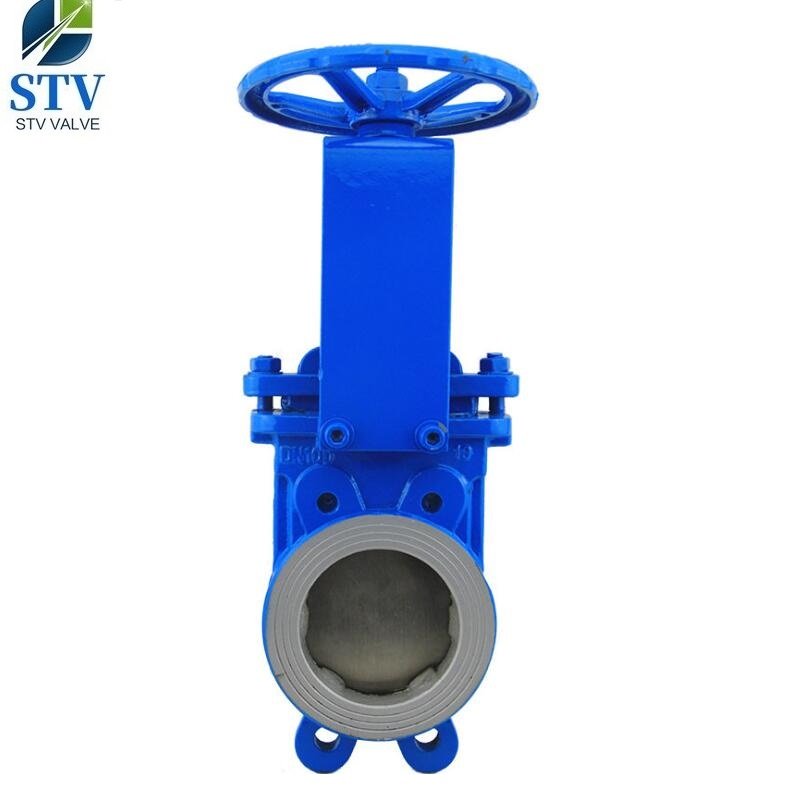
The DN80 GGG40 knife gate valve stands out in many industries because of its strong construction and smart design. The valve body uses ductile iron GGG40, which gives it high strength and long life. This material resists wear and damage, making the valve a good choice for tough jobs. The wafer type design allows for easy installation between flanges. Operators can use a handwheel for smooth and precise control. The valve’s PN10 rating means it works well in systems with low to medium pressure.
The epdm seat knife gate valve pn10 offers excellent sealing. The EPDM seat keeps leaks to a minimum and handles both abrasive and corrosive media. This makes the valve useful in water, sewage, and other challenging environments. The valve also features a full port design, which lets fluids flow freely without much resistance. The stem has a special coating to prevent wear, and the movable seal seat uses an O-ring to improve tightness. These features help the valve last longer and work better in demanding settings.
Note: The epdm seat knife gate valve pn10 can be used in many industries, including wastewater treatment, mining, and power generation. Its design helps reduce maintenance and downtime.
Технические характеристики
The table below shows the main construction materials and design features of the DN80 GGG40 knife gate valve:
| Feature | Описание |
|---|---|
| Valve Size Range | DN40 to DN1600 (includes DN80) |
| Valve Body Material | Ductile Iron GGG40 (casting) |
| Seal Surface Material | Metal hard sealed surface |
| Gasket Materials | EPDM, NBR, SBR |
| Coating | Epoxy coating for corrosion resistance |
| Connection Form | Wafer |
| Sealing Structure | Centre sealing, force sealed |
| Valve Stem | Normal, with special surface treatment |
| Bolts & Nuts | Carbon steel or stainless steel |
| Рабочее давление | Low pressure (PN < 1.6 MPa) |
| Рабочая температура | -40°C to 120°C |
| Application Fields | Water, neutral liquids, sewage |
The epdm seat knife gate valve pn10 works well in temperatures from -40°C to 120°C. It can handle water, neutral liquids, and sewage. The valve’s design and materials make it a cost-effective and reliable choice for many industrial needs.
Wastewater Treatment
Sludge and Slurry Control
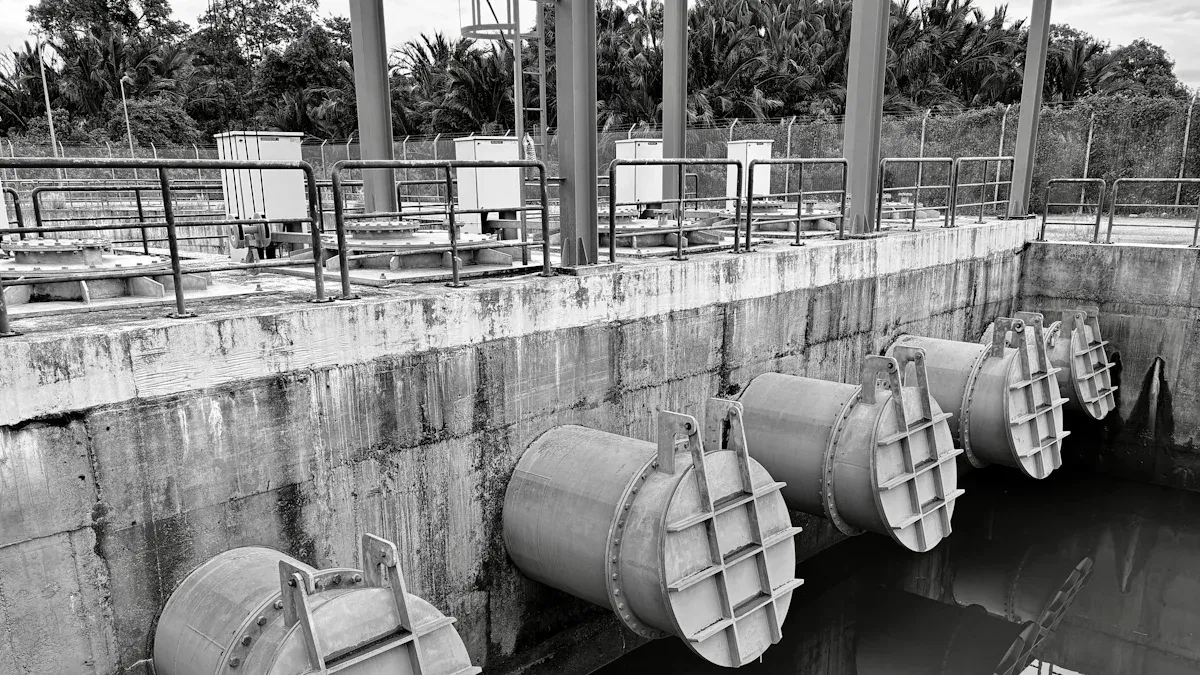
Wastewater treatment plants face tough challenges. They must handle thick sludge, abrasive slurries, and liquids filled with solid particles. The DN80 GGG40 knife gate valve meets these challenges with its strong body and sharp-edged stainless steel disc. This valve can cut through dense, solid-laden media that would clog or damage other types of valves. The abrasion resistance of the GGG40 ductile iron body and disc helps the valve last longer, even in harsh environments.
The EPDM seat plays a key role in these processes. It creates a bubble-tight seal on both sides of the valve. This tight sealing prevents leaks and keeps the system safe from contamination. Operators can rely on the valve to isolate sections of the plant or control the flow of sludge and slurry. The design of the epdm seat knife gate valve pn10 ensures that even thick, sticky materials do not cause leaks or blockages. This reliability reduces maintenance and keeps the plant running smoothly.
The combination of abrasion resistance and tight sealing makes this valve a smart choice for wastewater treatment. It protects equipment and helps maintain clean, safe operations.
epdm seat knife gate valve pn10 Applications
Wastewater treatment plants use these valves in many ways:
- Isolation of pipelines carrying sewage, sludge, or stormwater
- Flow control in settling tanks and sludge processing units
- Handling of abrasive or corrosive liquids with suspended solids
- Reliable shutoff in emergency situations
- Use in municipal engineering to manage stormwater and sewage systems
The epdm seat knife gate valve pn10 stands out for its simple structure and easy operation. Workers can install and operate the valve with little effort. The valve’s wear resistance and corrosion protection make it ideal for daily use in tough environments. Plants depend on these valves to keep systems running safely and efficiently.
Mining and Minerals
Abrasive Media Handling
Mining operations often move large amounts of slurry, sand, and rock fragments. These materials can wear down equipment quickly. DN80 GGG40 knife gate valves help solve this problem. Their ductile iron bodies resist damage from sharp and gritty particles. The sharp-edged gate slices through thick slurries and blocks the flow when needed.
Operators in mining sites choose these valves for several reasons:
- DN80 GGG40 knife gate valves handle slurries with high solids content.
- The valves isolate abrasive media, preventing leaks and spills.
- When fully open, the valves allow fluids to flow with little pressure drop.
- Their compact and lightweight design fits well in crowded mining setups.
Compared to globe valves, knife gate valves take up less space and weigh less. This makes them easier to install and maintain in busy mining environments. The full port design also helps prevent clogging, which keeps operations running smoothly.
Tip: Knife gate valves work best for on-off service in mining. They are not ideal for throttling, but they excel at blocking and isolating abrasive flows.
Reliability in Harsh Conditions
Mining sites often face harsh conditions. Dust, vibration, and temperature changes are common. DN80 GGG40 knife gate valves perform well in these tough settings. The ductile iron body stands up to impact and corrosion. The EPDM seat provides a tight seal, even when the media is gritty or corrosive.
Maintenance teams appreciate the simple structure of these valves. The handwheel operator allows for easy manual control. The special coating on the valve stem reduces wear, which extends the valve’s service life. Operators can trust these valves to keep working, even after repeated use in demanding environments.
A table below summarizes why mining companies rely on DN80 GGG40 knife gate valves:
| Feature | Benefit in Mining Applications |
|---|---|
| Abrasion resistance | Handles slurry and abrasive media |
| Compact design | Fits in tight spaces |
| Full port opening | Reduces clogging and pressure loss |
| Durable construction | Withstands harsh site conditions |
Mining companies depend on these valves to keep their systems safe and efficient. The DN80 GGG40 knife gate valve proves itself as a reliable choice for abrasive and challenging mining operations.
Pulp and Paper

Fiber and Pulp Flow
Pulp and paper mills move large amounts of fibrous materials mixed with water. These slurries can be thick and sticky. DN80 GGG40 knife gate valves help control this flow. The valves use a sharp, knife-edge wedge to cut through dense pulp and fibers. This action keeps the lines clear and moving. Operators rely on these valves to separate materials during pulping and papermaking. The valves handle both thin and thick slurries with ease.
The body of the valve uses ductile iron (GGG40). This material gives the valve strength and flexibility. It resists corrosion and wear from different pulp mixtures. The valves also withstand crushing pressures and abrasive materials, such as sand or silica, that often appear in pulp lines. With a temperature range from -10°C to +120°C, these valves work well in most pulp and paper environments.
Operators in pulp and paper mills trust these valves for their reliable performance and long service life. The valves keep production lines running smoothly, even when the media is tough and abrasive.
Reducing Blockages
Blockages can stop production and cause costly downtime. DN80 GGG40 knife gate valves help prevent these problems in several ways:
- The open body design lets material exit from the bottom, which stops the gate from jamming.
- A double seat design provides a non-clogging shutoff, even if the flow reverses.
- The valves work well with high-consistency media and abrasive particles, both common in pulp and paper lines.
- Reliable operation and longer wear life mean fewer blockages from fibrous or abrasive materials.
- The strong ductile iron body stands up to harsh processing conditions.
These features make the valves a smart choice for mills that want to avoid clogs and keep their systems efficient. By reducing blockages, the valves help maintain steady production and lower maintenance needs.
Power and Chemical
Corrosive Media
Power plants and chemical factories often move liquids that can damage equipment. DN80 GGG40 knife gate valves help protect these systems. The valve body uses ductile iron (GGG40), which gives strong mechanical strength. An epoxy coating covers the surface. This layer adds extra protection against corrosion.
The EPDM seat inside the valve plays a key role. EPDM stands for ethylene propylene diene monomer. This rubber material lines the inside of the valve. It resists many chemicals and keeps the valve working longer. The EPDM seat also helps stop leaks, even when the liquid is harsh or hot.
Here is a table that shows how these features work together:
| Feature | Описание |
|---|---|
| Body Material | Ductile Iron (GGG40) for strength and durability |
| Seat Material | EPDM rubber for chemical resistance |
| Seal Types | EPDM, NBR (soft seated) |
| Surface Treatment | Epoxy coating for corrosion protection |
| Тип клапана | Knife gate valve (DN80 size) |
| Application Medium | Water and corrosive liquids |
The combination of ductile iron, EPDM, and epoxy coating allows the valve to handle acids, alkalis, and other tough chemicals. This makes the valve a smart choice for chemical and power plants.
Safety and Maintenance
Safety matters in power and chemical plants. DN80 GGG40 knife gate valves help keep workers and equipment safe. The tight seal from the EPDM seat stops leaks. This reduces the risk of spills or dangerous fumes escaping.
Maintenance teams find these valves easy to check and repair. The handwheel operator lets workers open or close the valve quickly. The simple design means fewer moving parts. This lowers the chance of breakdowns.
A few key points for safety and maintenance:
- The valve’s strong body stands up to pressure and impact.
- The EPDM seat resists wear, so it needs less frequent replacement.
- The full port design allows easy cleaning and inspection.
- The valve meets strict industry standards for safety and performance.
Regular checks and simple repairs help keep the valve working well. This protects both people and the environment in power and chemical plants.
Industries like wastewater treatment, mining, pulp and paper, and power generation depend on DN80 GGG40 knife gate valves for reliable flow control. Choosing the right features, such as an EPDM seat or a PN10 rating, improves chemical compatibility, seal tightness, and reduces maintenance. The epdm seat knife gate valve pn10 offers strong performance in harsh conditions. A robust and adaptable valve design helps companies achieve safe, efficient, and cost-effective operations across many sectors.
Часто задаваемые вопросы
What does DN80 mean in a knife gate valve?
DN80 means the valve has a nominal diameter of 80 millimeters. This size fits many medium-sized pipelines in industrial systems.
Why do industries choose GGG40 ductile iron for valve bodies?
GGG40 ductile iron gives the valve high strength and good resistance to wear. This material helps the valve last longer in tough environments.
What is the purpose of an EPDM seat in these valves?
The EPDM seat creates a tight seal inside the valve. It resists many chemicals and stops leaks, making the valve safe for water, sewage, and some chemicals.
How does a handwheel operator work on a knife gate valve?
A handwheel operator lets workers open or close the valve by turning the wheel. This design gives smooth and easy manual control.
Can the DN80 GGG40 knife gate valve handle abrasive slurries?
Yes. The strong body and sharp gate edge allow the valve to cut through thick, abrasive slurries without clogging or damage.