

DIN Bellows Seal Globe Valves
You use a DIN Bellows Seal Globe Valve to control or stop liquids or gases in pipes. This valve follows strict German and European rules. It helps you stop leaks and makes places safer. You see it used in petroleum, chemical, pharmaceutical, fertilizer, and power plants. Its double wall bellows and welded seat make it strong. It can handle heavy use and tough jobs. Knowing its features helps you pick the right valve for your needs.
Key Takeaways
- DIN Bellows Seal Globe Valves stop leaks well with a double-seal design. This keeps people safe in many industries.
- These valves last a long time. They are made from strong materials like GG25 cast iron and stainless steel. This helps them work in hard conditions.
- Pick the right valve by looking at the fluid type, temperature, pressure, and safety needs. This helps the valve work its best.
- Good installation and regular care are very important for the valve. This helps the valve last longer and work well. It also helps stop leaks and damage.
- STV Valve Technology Group Co., Ltd makes great valves that follow strict DIN rules. This gives people confidence for tough jobs.
Features
Bellows Seal Design
You get a unique advantage with the bellows seal design in a DIN Bellows Seal Globe Valve. The bellows form a tight, hermetic seal around the valve stem. This keeps the fluid inside the pipeline and stops leaks from reaching the outside. The bellows also help the valve last longer by absorbing vibrations and reducing stress. You can control the flow with precision because the disc moves in a straight line. This makes the valve stable, even when the flow changes quickly.
Here is a table that shows what makes the bellows seal design special:
| Feature | Description |
|---|---|
| Leakage Resistance | The bellows create a tight seal that keeps the fluid inside and prevents leaks. |
| Flow Control Stability | The disc moves up and down, letting you adjust the flow exactly as needed. |
| Vibration Dampening | The bellows absorb energy, so the valve lasts longer and works better. |
Construction and Materials
You find that the DIN Bellows Seal Globe Valve uses strong and reliable materials. The body often uses GG25 cast iron, which gives the valve strength and durability. The bellows use stainless steel, which protects against rust and damage from chemicals. Some valves have a double wall bellows for extra safety. Even if one layer fails, the second layer keeps the seal tight. The seat is welded, and the plug has a marginal seat, both of which help the valve last longer and work better.
Here is a table that explains the main materials and their benefits:
| Material | Advantages |
|---|---|
| Stainless Steel | Fights rust and damage, so the valve lasts longer. |
| Double Seal Design | Keeps the valve sealed, even if one layer of the bellows fails. |
| GG25 Cast Iron | Gives the valve a strong body that can handle high pressure and heat. |
Technical Specifications
You can use the DIN Bellows Seal Globe Valve in many industries, such as petroleum, chemical, pharmacy, fertilizer, and power plants. The valve works well in pipelines that carry steam, gases, hot water, thermal oil, or ammonia. You can choose from a wide range of sizes, from DN15 to DN400. The valve handles pressures from PN1.6 to PN16MPa and temperatures from -29°C to 350°C. The bellows can handle up to 10,000 load cycles, so you know the valve will last a long time.
- Size range: DN15-DN400
- Pressure: PN1.6-16MPa
- Temperature: -29°C to 350°C
- Bellows seal: 10,000 load cycles
- Zero external leakage due to bellows sealing
You also benefit from strict quality standards. The valve follows DIN 3356 for design, DIN 3202 for face-to-face dimensions, and DIN 2543-2545 for flange ends. Each valve gets tested according to DIN 3230, ISO 5208, and EN12266. This means you get a valve that meets high standards for safety and performance.
Tip: When you choose a DIN Bellows Seal Globe Valve, you get a product that meets tough European standards. This gives you peace of mind in demanding jobs.
Types
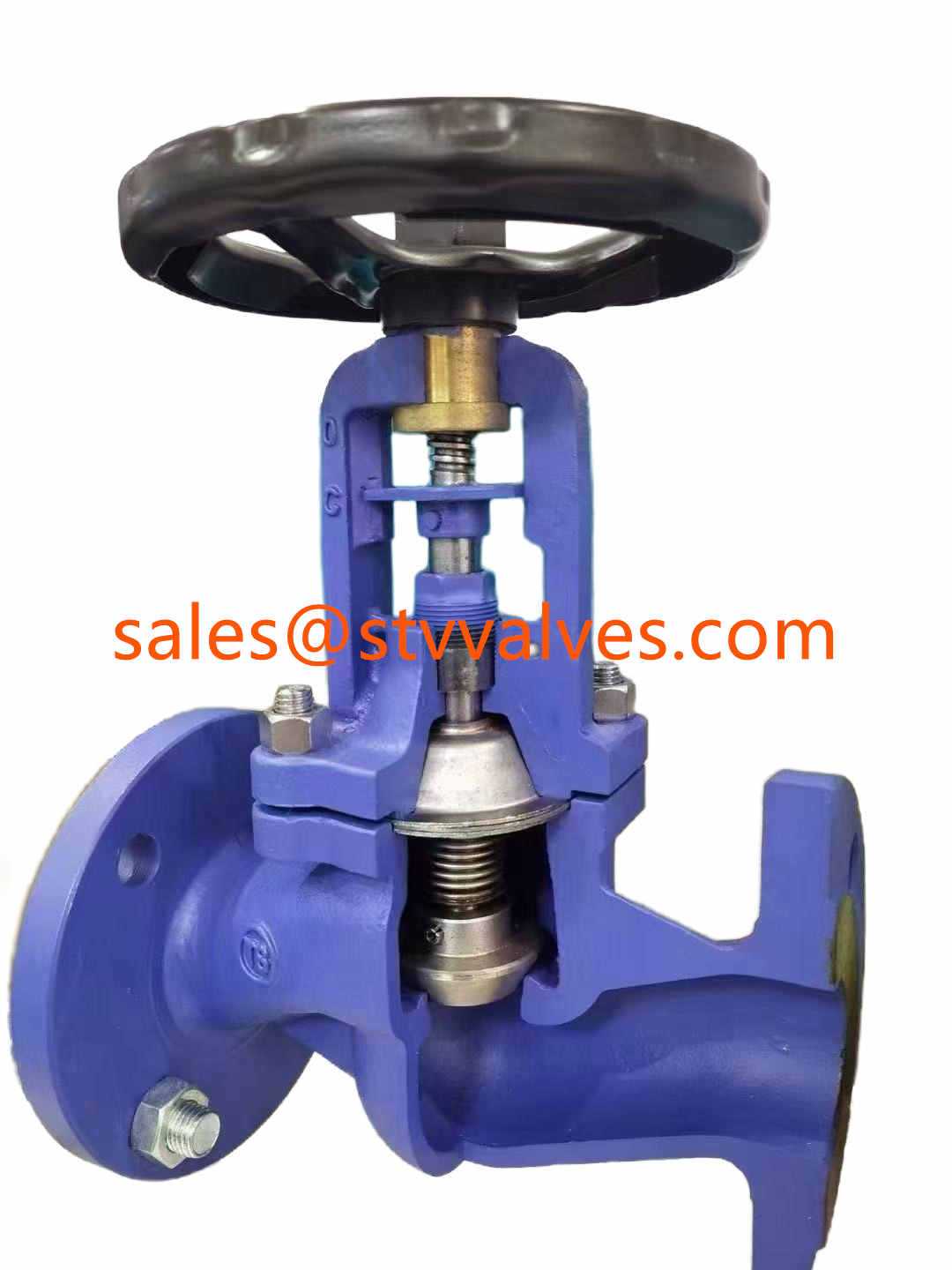
You can pick from three main types of DIN Bellows Seal Globe Valves. Each type works best for different jobs. You should learn how each design helps you control flow and keep things safe.
Straight Pattern
Straight pattern DIN Bellows Seal Globe Valves are common in pipelines. They help you control flow in a simple way. This design works with high temperature steam and dangerous fluids. The valve uses a bellows packing device to stop leaks. It is good for small pipes. You can use it to stop or control toxic, radioactive, or risky fluids.
| Characteristics | Applications |
|---|---|
| Made for high temperature steam | Chemical and petrochemical industries |
| Has a bellows packing device to stop leaks | Pharmaceuticals |
| Stops or controls dangerous fluids | Power utilities |
| Works well in small pipes | Fertilizer industry |
Tip: Use straight pattern valves when you need strong shut-off and leak protection in hard places.
Angle Pattern
Angle pattern DIN Bellows Seal Globe Valves help when pipes need to turn. The angle pattern lets pipes join at a 90-degree angle. This saves space and makes putting pipes together easier. You find angle pattern valves where you want to control flow and use fewer pipe parts. They give good flow control and strong sealing. This keeps your system safe.
- Angle pattern valves help you control flow in small spaces.
- You can use them in chemical plants, power stations, and water treatment places.
Y-Pattern
Y-pattern DIN Bellows Seal Globe Valves give the best flow efficiency. The Y-shaped body lets fluid move more directly. This means you lose less pressure and get less resistance. The special shape lowers turbulence. Your system runs smoother and uses less energy.
- Y-pattern valves let fluid move in a straight path.
- You lose less pressure and have less resistance.
- The smooth design helps flow work better.
- These valves are good for chemical processing and other big jobs.
Note: If you want to save energy and keep your system working well, you should use Y-pattern valves.
Operation
Flow Control
You can control how much fluid moves in a pipe. You do this by turning the handwheel on a DIN Bellows Seal Globe Valve. The stem rises and the disc goes up or down. This lets you change the flow very precisely. You can open the valve for full flow. You can close it to stop everything. The bellows seal helps the stem move easily. You do not need much force to use the valve. You get steady flow, even if the pressure changes.
Here is a table that shows how DIN Bellows Seal Globe Valves are different from regular globe valves:
| Feature/Mechanism | DIN Bellows Seal Globe Valves | Traditional Globe Valves |
|---|---|---|
| Leakage Prevention | Zero leakage with bellows seal | Packing seals may leak |
| Service Life | Long life, low maintenance | Shorter life, more maintenance |
| Operating Torque | Lower torque needed | Higher torque needed |
| Remote Control Capability | Works with actuators for remote use | Limited remote options |
| Environmental Safety | Safer, less pollution risk | Higher risk of leaks |
| Design Standards | Meets advanced foreign standards | Standards may vary |
Tip: These valves work in places like petroleum, chemical, pharmacy, fertilizer, and power plants. They handle steam, gases, hot water, thermal oil, and ammonia.
Sealing Performance
The bellows seal design gives great sealing. The metal bellows make a barrier. This stops the medium from leaking out. You do not get leaks, even if pressure is high or temperature changes. The double wall bellows give extra safety. If one layer breaks, the other layer keeps the seal tight. This protects your system and the environment from leaks.
- The welded seat and plug with marginal seat help the valve seal well.
- The valve can handle up to 10,000 load cycles and still seal.
- The valve meets strict DIN EN standards for safety and reliability.
Note: Using a DIN Bellows Seal Globe Valve makes your system safer and more reliable. You do not need to fix it often. You keep your workplace safe from leaks.
DIN Bellows Seal Globe Valve Advantages
Leak Prevention
DIN Bellows Seal Globe Valves stop leaks very well. They use a double-seal design with bellows and stem packing. This keeps fluids inside the pipe, even if one part breaks. You do not have to worry about leaks. Your workplace stays safe and clean. The valve helps lower dangerous emissions. You protect nature and follow safety rules.
Here is a table that shows how DIN Bellows Seal Globe Valves compare to regular globe valves:
| Feature | DIN Bellows Seal Globe Valve | Conventional Globe Valve |
|---|---|---|
| Seal Design | Double-seal (bellows + stem packing) | Single seal (stem packing) |
| Leak Prevention | Prevents leakage even if bellows fail | Higher risk of leakage |
| Maintenance | Maintenance-free | Needs regular maintenance |
| Safety | Reduces hazardous emissions | Higher risk of emissions |
Tip: The bellows design keeps the inside parts safe from outside things. This stops leaks and lowers the chance of contamination.
Durability
DIN Bellows Seal Globe Valves last a long time. They use strong materials like GG25 cast iron and stainless steel. These materials fight rust and chemical damage. The double wall bellows give extra safety. You can use the valve for up to 10,000 cycles. You do not need to fix or change it often. The valve works well in tough places.
- The welded seat and plug with marginal seat help the valve last longer.
- The design lowers wear and tear, so you save money on repairs.
- You follow environmental rules because the valve stops leaks and emissions.
Here is a table that shows the environmental benefits:
| Feature | Benefit |
|---|---|
| Leak-Proof Design | Stops fluid leaks, lowering emissions and contamination risks. |
| Eco-Friendly | Helps companies reach sustainability goals. |
| Compliance | Helps industries follow environmental rules. |
Application Versatility
DIN Bellows Seal Globe Valves work in many industries. The valve handles water, steam, oil, natural gas, and caustic mediums. You see them in petroleum, chemical, pharmaceutical, fertilizer, and power plants. The valve works with pipeline media under pressure from PN1.6-16MPa and temperatures from -29°C to 350°C. You get good performance in hard jobs.
Here is a table that shows the types of media the valve can handle:
| Suitable Medium | Description |
|---|---|
| Water | Good for water |
| Steam | Good for steam |
| Oil | Good for oil |
| Natural Gas | Good for natural gas |
| Caustic Medium | Good for many caustic mediums |
Note: You can pick the right valve for your job because the product range covers sizes from DN15 to DN400.
You feel sure when you buy from STV Valve Technology Group Co., Ltd. They are experts in making DIN Bellows Seal Globe Valves. They offer many products and focus on quality and fair prices. Each valve meets strict DIN standards and passes tough tests. You know you get a reliable valve for your system.
- STV Valve Technology Group Co., Ltd has many years of experience making valves.
- You get valves that meet DIN 3356, DIN 3202, DIN 2543-2545, and DIN 3230 standards.
- The company gives solutions for many industries and uses.
😊 You make a smart choice when you pick a DIN Bellows Seal Globe Valve from a trusted company. You get leak prevention, long life, and many uses for your most important jobs.
Selection and Maintenance
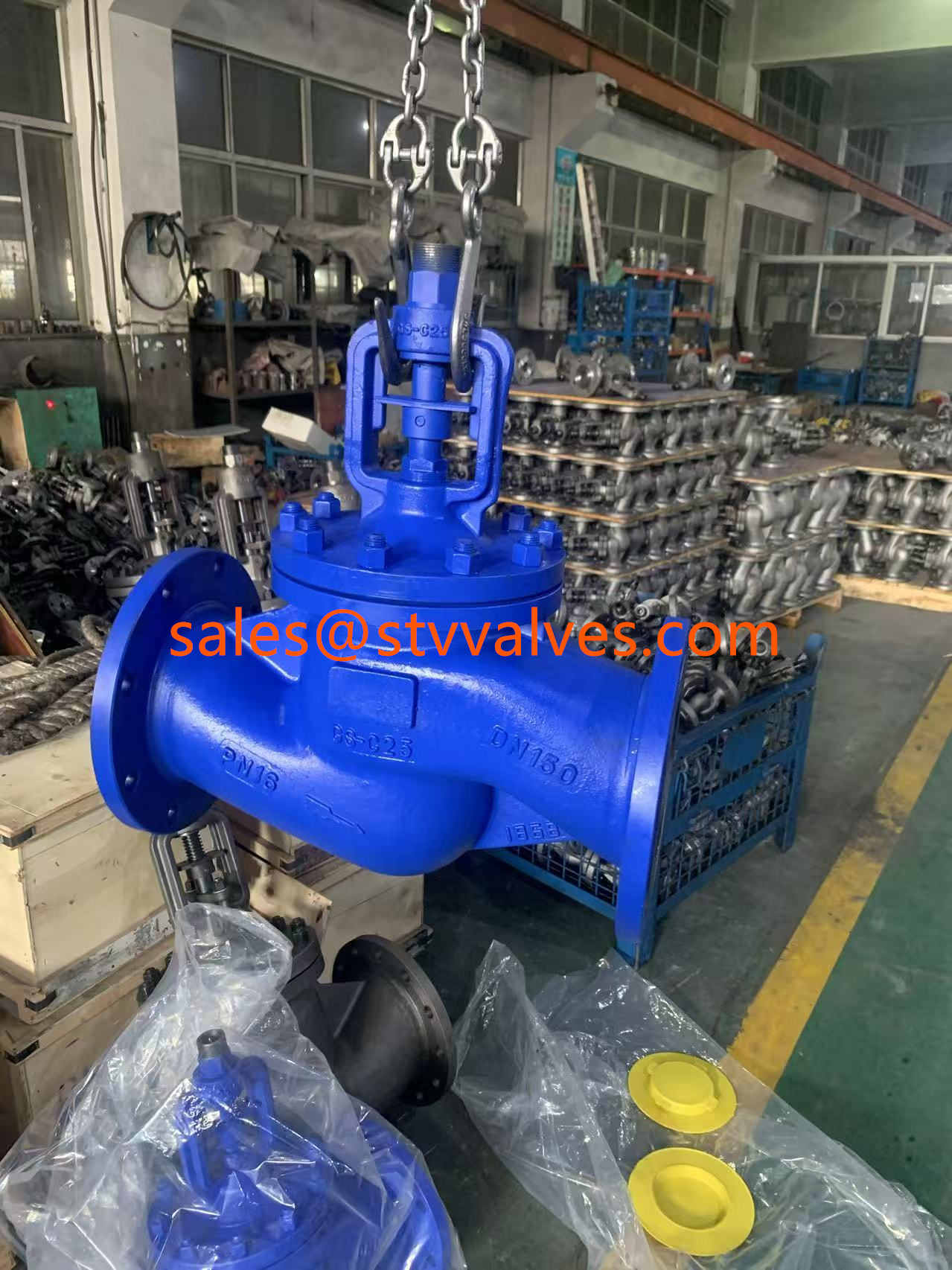
Choosing the Right Valve
You must pick the right valve for your system. This keeps everything safe and working well. First, look at what fluid or gas is in your pipes. Think about how hot or cold it gets. Check how much pressure is in the pipe. See how fast the fluid moves. You should also think about how your process works. Decide what kind of operation you need. Safety is very important. Make sure the valve fits your safety needs.
Here are some things you should think about:
- How the medium works
- Temperature
- Pressure
- How fast the flow is
- Process details
- Operation needs
- Safety needs
Tip: Always choose a valve that matches your system. This helps your valve last longer and work better.
Installation Tips
You want your valve to work well for a long time. Good installation stops leaks and damage. Put the valve sideways with the handwheel on top. This helps the seal stay tight. Use pipe hangers and supports to hold up the valve. This keeps weight off the valve body. It stops bending and keeps the valve strong. Make sure the flow goes the right way. Look for the arrow on the valve body. Let the flow go in from below the seat.
- Put the valve sideways with the handwheel on top.
- Use supports to keep stress off the valve.
- Follow the flow direction shown on the valve.
Note: Careful installation keeps your system safe. It helps your valve last longer.
Maintenance Guidelines
Regular care helps your valve work well. Check for wear or damage often. Clean inside the valve to get rid of dirt. Lubricate moving parts to stop friction. Change any broken or worn parts right away.
| Failure Mode | Preventive Measure |
|---|---|
| Worn Sealing Surfaces | Check and fix often |
| Aging Seals | Change old parts quickly |
| Loose or Broken Fasteners | Check fasteners often |
| Transmission System Failures | Inspect transmission parts regularly |
| Insufficient Lubrication | Lubricate moving parts often |
| Harsh Operating Environments | Use strong materials and protect the valve |
| Friction | Make sure parts are lubricated |
| Lubricant Breakdown | Watch and change lubricant when needed |
You can also do these steps:
- Check the valve often for damage or wear.
- Clean the valve to remove dirt.
- Lubricate all moving parts.
- Change broken parts quickly.
Tip: Do not twist or bend the bellows. Do not stretch or squeeze the bellows too much. In tough places, use double seal bellows for extra safety.
You get lots of benefits when you pick a DIN Bellows Seal Globe Valve. This valve works well and does not leak, even in hard jobs like power or chemical plants. The bellows seal and double-sealing system keep your system safe. You do not need to fix it often. Look at the table below to see how it compares:
| Feature | Bellows Globe Valve | Ordinary Globe Valve |
|---|---|---|
| Leakage | No leakage | Prone to leakage |
| Safety | High | Lower |
You also get good help after you buy, with a warranty for up to 18 months and advice from experts. If you want a valve you can trust, contact STV Valve Technology Group Co., Ltd.
FAQ
What industries use DIN Bellows Seal Globe Valves?
These valves are used in many industries. You see them in petroleum, chemical, pharmaceutical, fertilizer, and power plants. They help keep systems safe. They stop leaks when pressure or temperature is high.
What is the working pressure and temperature range?
These valves work with pressures from PN1.6 to 16MPa. They handle temperatures from -29°C to 350°C. This means they fit many tough jobs in factories.
How does the bellows seal prevent leaks?
The bellows seal makes a tight barrier around the valve stem. This keeps fluids inside the pipe. It stops leaks, even if pressure or temperature changes.
What sizes are available for DIN Bellows Seal Globe Valves?
You can pick sizes from DN15 to DN400. This helps you find the right valve for your pipe.
Why choose STV Valve Technology Group Co., Ltd?
You get valves that meet DIN EN standards. STV Valve Technology Group Co., Ltd gives expert help and fair prices. Their products are trusted by many companies.