
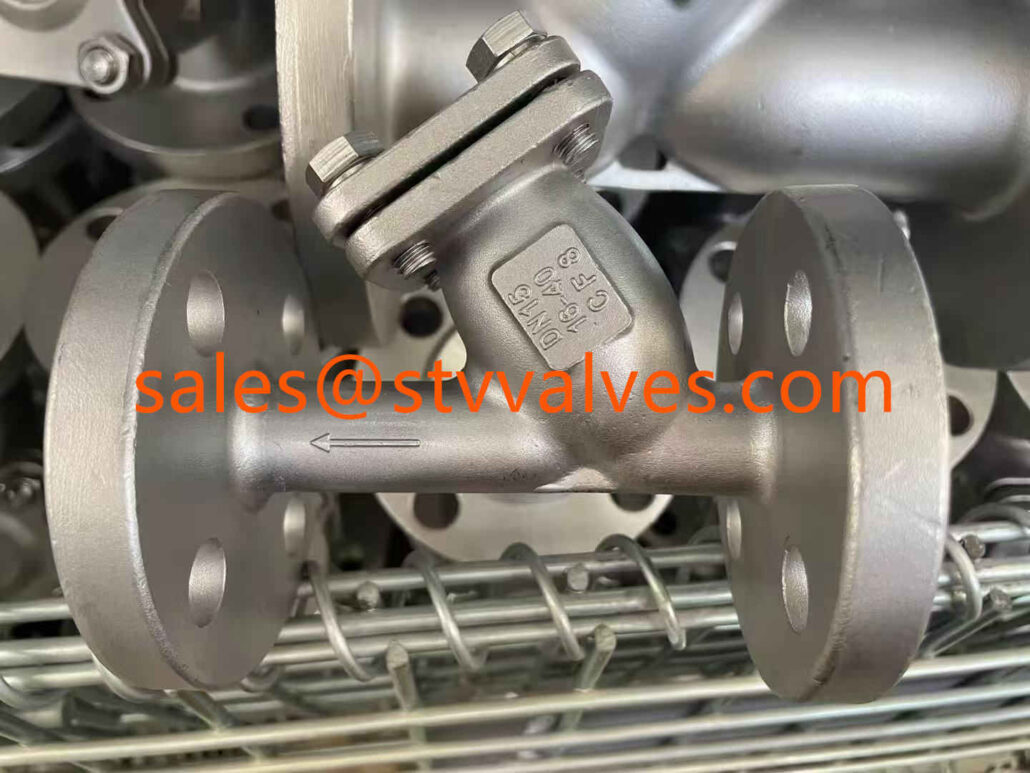
EN558-1 Y Type Strainer
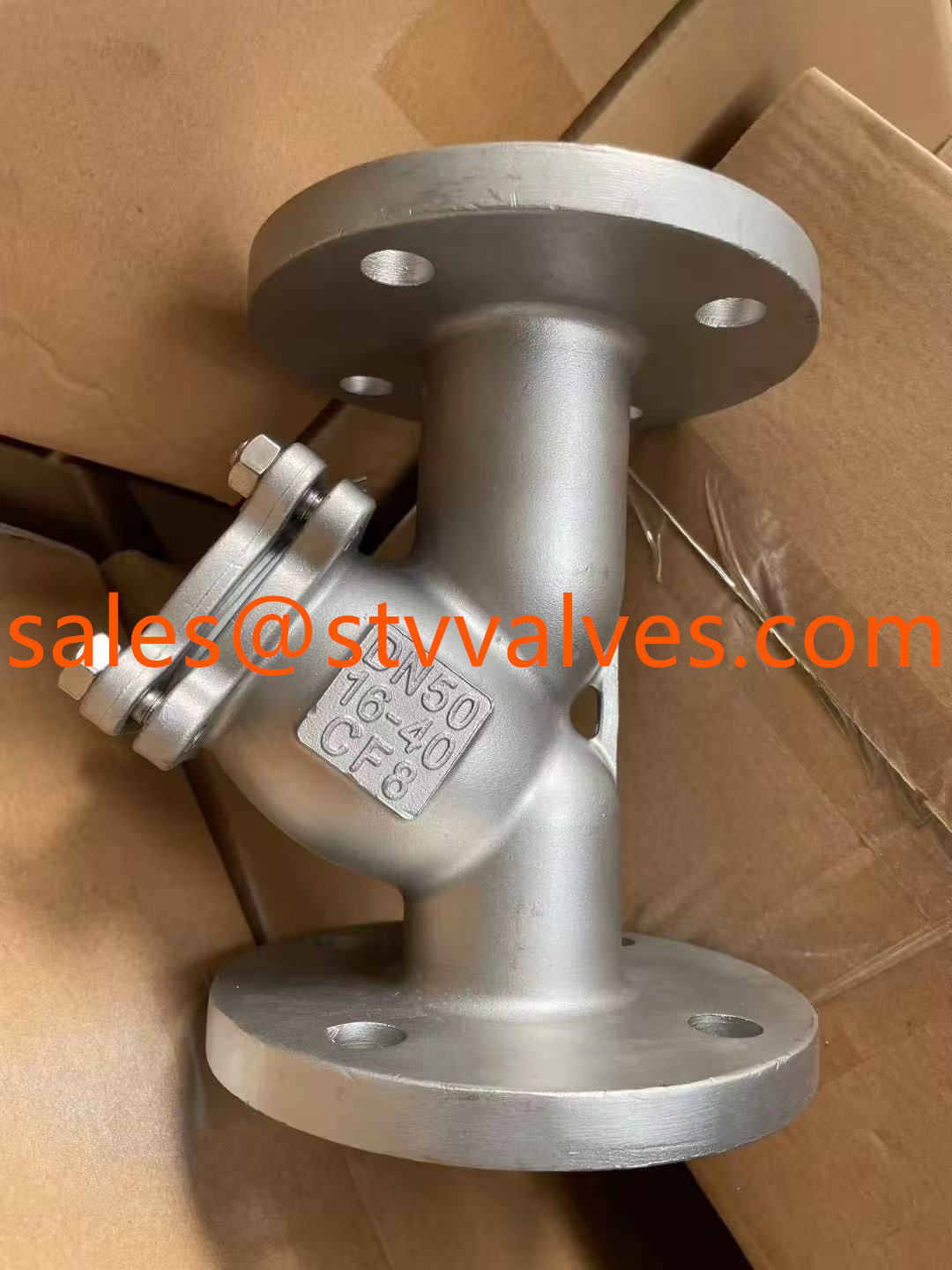
China EN558-1 Y Type Strainer, DIN 3352 Y Type Strainer, DN50 CF8M Y Type Strainer
You use an EN558-1 Y Type Strainer to remove unwanted particles from pipelines in factories. This strainer meets the EN558-1 standard, which helps keep things safe and working well. If you pick a product from STV Valve Technology Group Co., Ltd, you get a solution you can trust. Experts in valve technology make these products. Your system becomes stronger and more reliable with this choice.
Key Takeaways
- Pick a y type strainer that follows EN558-1 standards. This helps it fit well and work right in your pipeline. – Always look at the face-to-face size before you buy. This stops problems when you install it and makes sure it fits. – Clean your strainer two times each year to keep things running well and stop clogs. – Choose the best materials and pressure ratings for your y type strainer. This should match what your pipeline needs. – Using y strainers that follow the rules helps you pass checks. It also lowers the chance of leaks or breaks in your system.
EN558-1 Standards
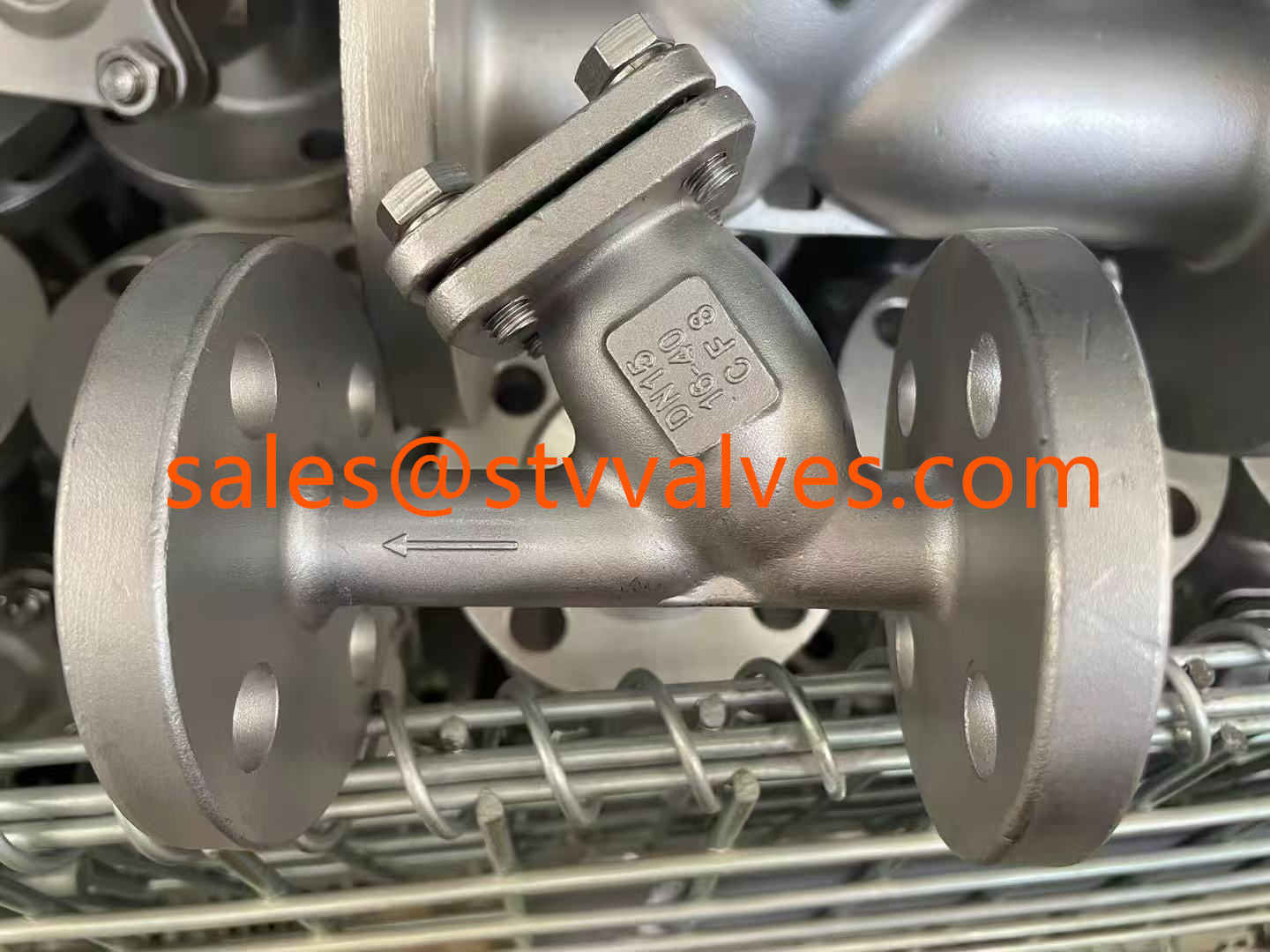
PN16 CF8M Y Type Strainer, RF Ends CF8M Y Type Strainer manufacturer
The EN558-1 standard gives you a clear set of rules for y-strainer products. You use this standard to make sure your y-strainer fits and works well in your pipeline. EN558-1 helps you match the right size, shape, and performance for your system. When you choose a y-strainer that meets EN558-1, you know it will connect easily with other parts and keep your system safe.
Y-Strainer Dimensions
You need to pay close attention to the dimensions of your y-strainer. EN558-1 sets the face-to-face length and other important measurements. This makes it easy for you to replace or install a y-strainer without worrying about mismatched sizes. The standard covers different pressure ratings and series, so you can pick the right y-strainer for your needs.
Here is a table that shows how EN558-1 sets the face-to-face dimensions for y-strainers:
| Pressure Rating | Face-to-Face Dimension (DIN EN 558-1) |
|---|---|
| PN 25/40 | Series 1 |
| PN 63-160 | Series 2 |
You see that each pressure rating has a matching series. This helps you select a y-strainer that fits your pipeline and handles the pressure you need. You avoid problems with leaks or weak spots when you follow these guidelines.
EN558-1 also makes sure your y-strainer matches with other standards, like BS EN558-1 and BS2080. This means you can use your y-strainer in many different systems around the world.
Tip: Always check the face-to-face dimension before you buy a y-strainer. This saves you time and trouble during installation.
Compliance Requirements
You want your y-strainer to meet strict compliance rules. EN558-1 gives you a checklist to follow. This includes material quality, pressure testing, and safety checks. When you use a y-strainer that passes these tests, you know it will last longer and work better.
Here is a table that shows some of the main compliance and certification details for y-strainers:
| Certification Type | Reference Number |
|---|---|
| Epoxy powder | WRAS Certification NO: 1112500 |
| Rubber Parts | WRC-NSF Test Reports NO: MAT/LAB 550C/1 |
| Sealing Parts | Test Reports NO: CE/2012/20910 |
| Applicable Standards | BS EN 1092-2, BS EN 12266-2003, BS EN558-1 Series1 |
You see that each part of the y-strainer has its own test and certification. This gives you peace of mind. You know your y-strainer meets high standards for safety and quality.
EN558-1 also sets rules for how you test and inspect your y-strainer. You must check for leaks, pressure strength, and material defects. These steps help you avoid failures in your system.
When you choose a y-strainer that follows EN558-1, you make your system safer and more reliable. You also make it easier to pass inspections and meet legal rules in your industry.
Y Type Strainer Features
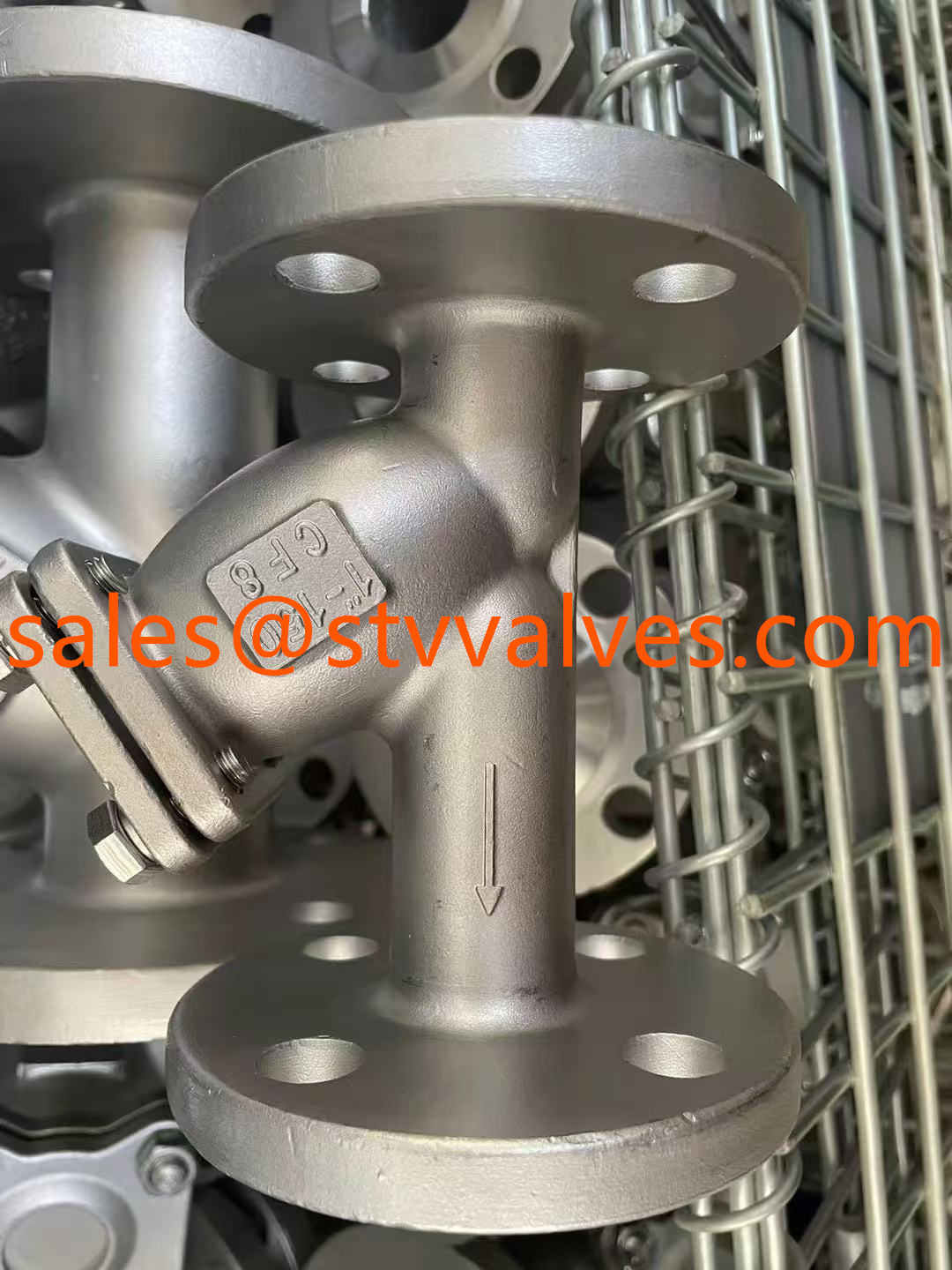
CF8 Y Type Strainer
Material and Pressure
When you pick a y type strainer, you need to know what it is made of. You also want to know how much pressure it can take. The body of the y type strainer from STV Valve Technology Group Co., Ltd uses CF8M stainless steel. This material does not rust easily. It helps the strainer last longer, even in hard places. You can use this y type strainer for water, oil, natural gas, and some liquids that can cause rust.
Here is a table that shows the usual materials and pressure ratings for y type strainers:
| Size Range | Body Material |
|---|---|
| 1/2″-16″ DN15-DN400 | WCB, LCB, WC6, WC9, C5, CF8, CF8M, CF3M |
| Pressure Rating | Screen Material |
|---|---|
| Class150-Class2500 PN10-PN250 | SS304, SS316, 316L, F51, Hastelloy, Monel |
The y type strainer from STV Valve Technology Group Co., Ltd can handle PN16 pressure. This means it works in systems that need up to 16 bar. The screen inside is made of stainless steel. It helps catch dirt and keeps your pipeline safe.
You should also think about temperature. The CF8M y type strainer works in very cold and very hot places. You can use it from -196ºC to 200ºC. This lets you put the y type strainer in many different spots, like cold rooms or hot water pipes.
Note: Always check the pressure and temperature ratings before you put in a y type strainer. This helps you stop damage and keeps your system working well.
Design and Performance
How the y type strainer is built changes how well it works. The DN50 size fits many pipelines. You get RF flanged ends. These make it easy to put in and take out the strainer. The full port design is important. It lets fluid move through with less trouble. This means you get better flow and lose less pressure.
Here is a table that explains how the full port design helps your system:
| Benefit | Description |
|---|---|
| Optimized Fluid Flow Path | Fluid moves smoothly through the y type strainer. |
| Reduced Pressure Loss | You lose less energy, so your system works better. |
| Improved Flow Control Efficiency | You can manage fluid flow more precisely. |
You want your y type strainer to clean well. The screen inside catches dirt and keeps your machines safe. This stops clogs and damage. You get good performance and longer life for your pumps and valves.
Quality checks are very important for every y type strainer from STV Valve Technology Group Co., Ltd. Each one is tested carefully. The company uses EN12266-1 and API598 standards to check for leaks and strength. You can trust your y type strainer is checked before it leaves the factory.
You also get strong packaging. Each y type strainer comes in a tough plywood box. This keeps your product safe when it ships. STV Valve Technology Group Co., Ltd can send your order from Ningbo or Shanghai. You usually get your order in about 30 days.
Tip: Always ask for test certificates and look at the packaging when you get your y type strainer. This helps you make sure you get a safe and good product.
You can see the y type strainer is strong and cleans well. The way it is built, the materials, and the tests all help give you a good solution for your pipeline.
Y Strainer Selection & Installation
Choosing the Right Y Strainer
You need to pick a y type strainer that fits your system. First, check the port size. It should match your pipeline. This helps fluid move well. Next, look at the filter size. The filter must catch debris. It should not slow down your system. Think about what the housing and filter are made of. Stainless steel works for many uses. Sometimes you need other materials for special fluids.
Temperature is important. Pick a y type strainer that can handle hot or cold places. Pressure matters too. Your strainer must work with the highest pressure in your system. Check how you will install it. Some systems need the strainer placed sideways. Others work better with it standing up. Think about the debris in your system. Choose a mesh size that stops the right particles. Easy cleaning saves you time when you are busy.
Here is a table to help you compare what to look for in chemical processing:
| Criteria | Description |
|---|---|
| Material Selection | The material must be strong enough for your system; you can pick stainless steel, carbon steel, bronze, or plastic. |
| Mesh Size | This shows what size particles the strainer will catch; you can choose coarse or fine mesh for your needs. |
| Pressure Rating | This tells you the highest pressure the strainer can take; it should match or be higher than your system’s pressure. |
Tip: Always pick a y type strainer that fits your system’s needs. This helps your system work safely and smoothly.
Installation Tips
You want to install your y-strainer the right way. Put the strainer at the lowest spot or at a bend in the pipe. This helps it catch debris. Heavy strainers need support. This stops them from sagging or breaking. Always follow the instructions from the maker. This keeps the mesh strong and working well.
Here are some mistakes you should not make:
- Putting the strainer in the wrong place means it will not catch debris.
- Not adding support can cause problems with heavy strainers.
- Not following the guide can make the mesh break.
Check this table for good ways to install a y-strainer:
| Recommendation | Description |
|---|---|
| Installation Location | Put the strainer sideways at the lowest spot or at bends in the pipe. |
| Maintenance Frequency | Wash the strainer with clean water two times a year or more if your system gets dirty. |
Note: Clean your y type strainer often. This keeps your system safe and working well.
Standards Compliance
Benefits of Compliance
You want your system to work safely and last a long time. When you use a y strainer that meets EN558-1 standards, you get many benefits. These standards help you follow important regulations in your industry. You can trust that your y strainer will fit with other parts and work as expected. If you use a y strainer that follows these standards, you make it easier to pass inspections. You also lower the risk of leaks or failures.
A y strainer that meets standards will help you avoid costly repairs. You do not have to worry about mismatched parts. You can use your y strainer in many places because these standards are accepted worldwide. When you follow regulations, you protect your workers and equipment. You also show your customers that you care about quality.
Note: Using a y strainer that meets standards helps you meet legal regulations and keeps your system safe.
You also get better performance. The y strainer will remove debris and protect pumps and valves. You can use the same standards to check basket strainer products. This makes it easy to compare y strainer and basket strainer options for your needs.
Comparing Standards
You may see different standards when you choose a y strainer or basket strainer. EN558-1 is one of the most common standards. DIN 3352 is another standard you might find. Both standards help you make sure your y strainer fits and works well. EN558-1 gives you clear rules for face-to-face dimensions and pressure ratings. DIN 3352 also covers y strainer and basket strainer products, but the measurements may be different.
Here is a table to help you compare these standards:
| Standard | Used For | Key Focus | Common Products |
|---|---|---|---|
| EN558-1 | y strainer, basket strainer | Face-to-face dimensions, pressure | y strainer, basket strainer |
| DIN 3352 | y strainer, basket strainer | Valve design, dimensions | y strainer, basket strainer |
You should always check which standards your y strainer or basket strainer follows. This helps you avoid problems with regulations. STV Valve Technology Group makes y strainer and basket strainer products that meet EN558-1 standards. You can trust their products to follow the right standards and regulations.
If you use a y strainer or basket strainer that meets EN558-1, you make your system safer and more reliable. You also make it easier to work with other parts that follow the same standards. Always choose products from companies that understand standards and regulations.
You make a good choice when you pick y type strainers that meet EN558-1 standards. These standards help you in many ways:
- They fit well, so you can fix things easily.
- Your system works better and stays safe.
- You can repair them simply because they match many brands.
If you buy from trusted companies like STV Valve Technology Group Co., Ltd, you get these benefits:
| Feature | Description |
|---|---|
| Efficient Filtration | Takes out debris from fluid flow and keeps your equipment safe. |
| Low Maintenance | You can clean or change parts without trouble. |
| Versatility | Works with lots of fluids and in different places. |
| Compact Size | Fits into small spots. |
Always pick y type strainers that follow standards. This helps your system stay safe and work well.
FAQ
What does a Y type strainer do in a pipeline?
You use a Y type strainer to catch dirt and debris before it moves through your pipeline. This strainer helps protect pumps, valves, and other pipeline devices. You keep your system clean and working well by using the right strainer in your pipeline.
How often should you clean a strainer in your pipeline?
You should check and clean your strainer at least twice a year. If your pipeline carries dirty fluids, you may need to clean the strainer more often. Regular cleaning keeps your pipeline device safe and helps your strainer last longer.
Can you use a strainer for any type of pipeline?
You can use a strainer in many types of pipelines, such as water, oil, or gas lines. Always check if the strainer matches your pipeline size and the fluid type. The right strainer keeps your pipeline device safe and your system running smoothly.
Why is EN558-1 important for a pipeline strainer?
EN558-1 gives you clear rules for the size and fit of your strainer. When you use a strainer that meets this standard, you know it will fit your pipeline and work with other pipeline devices. This helps you avoid leaks and keeps your pipeline safe.
What happens if you do not use a strainer in your pipeline?
If you do not use a strainer, dirt and debris can move through your pipeline. This can damage pumps, valves, and other pipeline devices. You may face clogs or even system failure. A strainer helps you avoid these problems and keeps your pipeline safe.