

Floating Ball Valve: Key Features, Types, and Benefits
Introduction
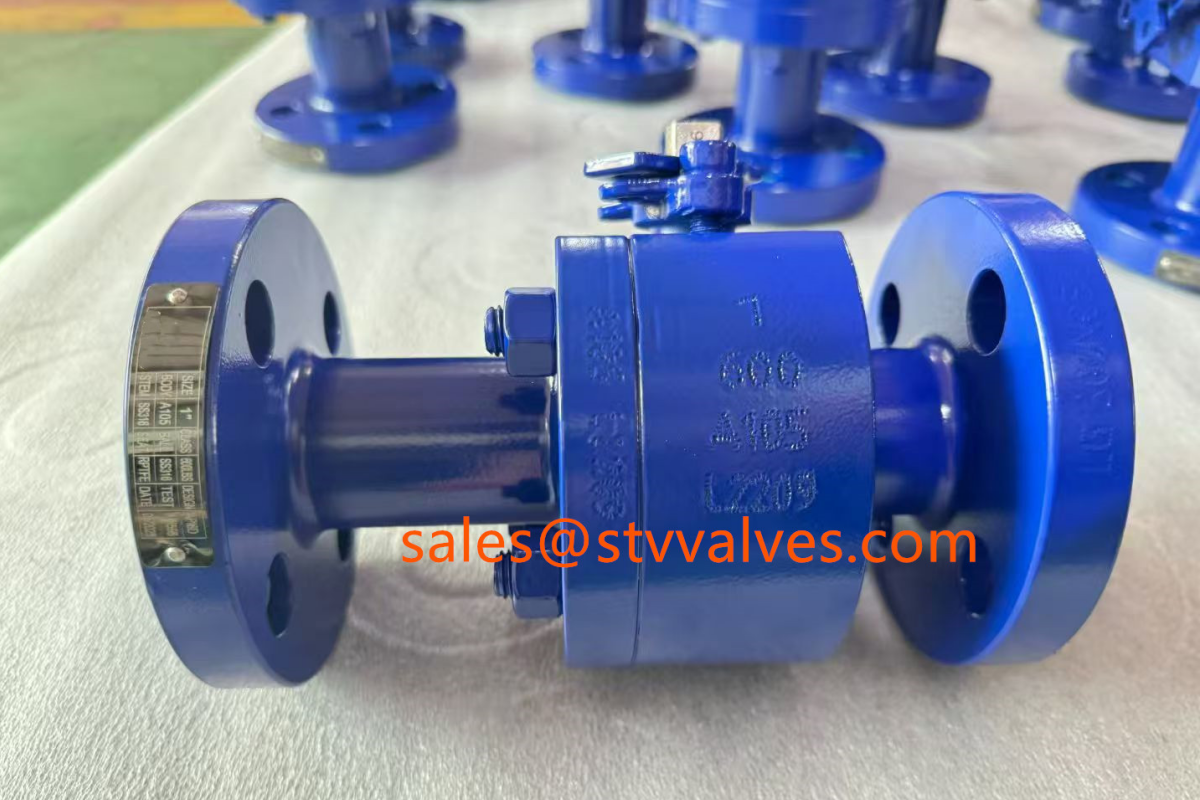
Floating Ball Valve distributor & Floating Ball Valve Factory
A floating ball valve is a type of quarter-turn valve widely used in industrial fluid control systems for its simplicity, reliability, and cost-effectiveness. Unlike trunnion-mounted ball valves, the ball in a floating ball valve is not supported by a stem or trunnion but instead “floats” between two seats. This design enables the ball to be pressed tightly against the downstream seat by line pressure, ensuring a secure seal with minimal components.
This article explores the key features, types, benefits, applications, and material options of floating ball valves, providing a comprehensive guide for engineers, procurement professionals, and industrial users.
🔧 How Does a Floating Ball Valve Work?
The operation of a floating ball valve is straightforward yet effective:
- Quarter-Turn Operation: Rotating the valve handle or actuator 90 degrees moves the ball between open and closed positions.
- Pressure-Assisted Sealing: In the closed position, the upstream pressure pushes the floating ball against the downstream seat, creating a tight seal.
- Self-Aligning Design: The ball is free to move slightly within the valve body, allowing it to adjust dynamically to pressure changes and maintain a leak-proof seal.
Key Components:
- Ball: Free-floating, typically made of stainless steel or other durable materials.
- Seats: Usually made of PTFE, RPTFE, or metal for sealing.
- Stem: Connects the actuator to the ball for rotation.
- Body: Encloses all components and connects to the pipeline.
- Packing and Seals: Prevent leakage along the stem.
✅ Key Features of Floating Ball Valves
Floating ball valves are known for their robust and practical design, making them suitable for a wide range of applications:
1. Bi-Directional Sealing
Most floating ball valves can seal effectively in both flow directions, offering flexibility in system design.
2. Compact and Lightweight
With fewer components and no trunnion support, these valves are more compact and lighter than trunnion-mounted designs.
3. Full Bore and Reduced Bore Options
- Full Bore: The ball hole matches the pipe diameter, ensuring minimal pressure drop and suitability for pigging operations.
- Reduced Bore: Smaller ball diameter reduces cost and is ideal for non-critical flow applications.
4. Low Torque Operation
Requires less force to operate compared to other valve types, making manual operation easier and reducing actuator size in automated systems.
5. Bubble-Tight Shutoff
Provides a reliable, leak-proof seal, essential for applications involving hazardous or expensive fluids.
6. Wide Pressure and Temperature Range
Suitable for pressures up to ASME Class 800 and temperatures ranging from -196°C to over 400°C, depending on materials.
🧩 Types of Floating Ball Valves
Floating ball valves can be categorized based on design, assembly, and port configuration:
1. By Body Assembly
- One-Piece Body: Compact and lightweight, but generally not repairable.
- Two-Piece Body: Allows for inline maintenance and seat replacement.
- Three-Piece Body: Offers the highest level of serviceability, with removable ends for easy cleaning and repair.
2. By Bore Type
- Full Bore: Unrestricted flow, ideal for pipelines requiring pigging or minimal pressure loss.
- Reduced Bore: Economical option for general flow control where pressure drop is not a concern.
3. By Port Configuration
- 2-Way: Standard on/off control with two ports.
- 3-Way: Available in L-port or T-port designs for diverting or mixing flow.
🧰 Materials of Construction
The choice of materials is critical to ensure compatibility with the service media and operating conditions:
1. Body Materials
- Carbon Steel (WCB/A105): Suitable for oil, gas, and general industrial applications.
- Stainless Steel (CF8/CF8M): Excellent corrosion resistance for water, chemical, and food industries.
- Brass/Bronze: Used in low-pressure, non-corrosive systems like plumbing and HVAC.
- Alloy Steels (Hastelloy, Monel, Inconel): For highly corrosive or high-temperature environments.
2. Seat Materials
- PTFE: Chemically inert, ideal for most general services.
- RPTFE: Enhanced with fillers for better wear and temperature resistance.
- Metal Seats: Used in high-temperature or abrasive applications.
3. Ball and Stem Materials
- Stainless Steel (304/316): Standard for corrosion resistance.
- Chrome-Plated or Nickel-Plated: For improved hardness and wear resistance.
🏭 Common Applications
Floating ball valves are used across a wide range of industries due to their versatility and reliability:
1. Oil and Gas
- Pipeline isolation
- Tank farm manifolds
- Refinery process units
- LNG systems
2. Chemical and Petrochemical
- Acid and caustic handling
- Batch processing lines
- Solvent and chemical transfer
3. Water and Wastewater
- Potable water distribution
- Treatment plant influent/effluent control
- Sludge and chemical dosing systems
4. General Industrial
- HVAC systems
- Compressed air networks
- Low-pressure steam and condensate lines
✅ Benefits of Floating Ball Valves
- Cost-Effective: Simpler design and fewer components make them more affordable than trunnion-mounted valves.
- Ease of Maintenance: Modular designs allow for easy seat replacement and repairs without removing the valve from the pipeline.
- Reliable Sealing: Pressure-assisted sealing ensures leak-proof performance even in low-pressure conditions.
- Fast Operation: Quarter-turn actuation enables quick shutoff, critical in emergency situations.
- Versatility: Suitable for a wide range of fluids, pressures, and temperatures.
⚠️ Limitations and Considerations
While floating ball valves offer many advantages, they are not suitable for all applications:
- Size Limitations: Typically used in smaller sizes (up to 6 inches) due to increased torque requirements in larger diameters.
- Pressure Constraints: Best suited for low to medium pressures (up to Class 800). High-pressure applications may require trunnion-mounted valves.
- Seat Wear: Soft seats may degrade in abrasive or high-temperature environments, requiring more frequent maintenance.
- Flow Direction Sensitivity: Some designs require specific flow directions for optimal sealing performance.
🔧 Installation and Maintenance Tips
- Verify Flow Direction: Ensure the valve is installed in the correct orientation, especially for non-bidirectional designs.
- Flush the Pipeline: Remove debris or welding slag before installation to prevent seat damage.
- Regular Lubrication: Periodically lubricate the stem and packing to ensure smooth operation.
- Inspect Seats and Seals: Check for wear or damage during routine maintenance and replace as needed.
- Torque Specifications: Follow manufacturer guidelines for actuator torque to avoid over-tightening and stem damage.
📜 Industry Standards and Compliance
Floating ball valves are manufactured to meet various international standards, ensuring quality and performance:
- API 608: Standard for metal ball valves.
- ASME B16.34: Valves – Flanged, Threaded, and Welding End.
- ISO 17292: Petroleum and natural gas industries – Ball valves.
- NACE MR0175: For sour gas service compatibility.
🏁 Conclusion
Floating ball valves are a reliable, cost-effective, and versatile solution for a wide range of industrial applications. Their simple design, effective sealing, and ease of operation make them a popular choice for oil and gas, chemical processing, water treatment, and general industrial systems.
While they may not be suitable for very high-pressure or large-diameter applications, their benefits in low to medium-pressure environments are unmatched. By selecting the right materials, design, and configuration, users can ensure long-lasting and efficient performance.