
SCS13 flange ball valve delivers unbeatable reliability every time
The SCS13 flange ball valve is a trusted choice for tough jobs. Makers use smart designs and strong SCS13 stainless steel for long use. This valve follows strict JIS rules, so it is always high quality. Many industries use it, like:
- Chemical industry
- Petro-chemical industry
- Plant construction
- Power plant engineering
- Paper and pump industry
It works with safety systems and automation. It can be used in many ways. This helps companies get good results every time.
Key Takeaways
- The SCS13 flange ball valve is made from strong stainless steel. This metal does not rust and lasts a long time. It is very reliable for hard industrial work.
- Its smart design meets strict rules. You can fix it easily without taking it out of the pipes. This saves both time and money.
- The valve has special seals and fire-safe parts. These stop leaks and keep systems safe, even in emergencies.
- It works well in many places, like water treatment and oil and gas. It can handle high pressure and strong chemicals easily.
- Automation lets workers control the valve from far away. This makes things safer and faster, and it lowers labor costs.
SCS13 flange ball valve features
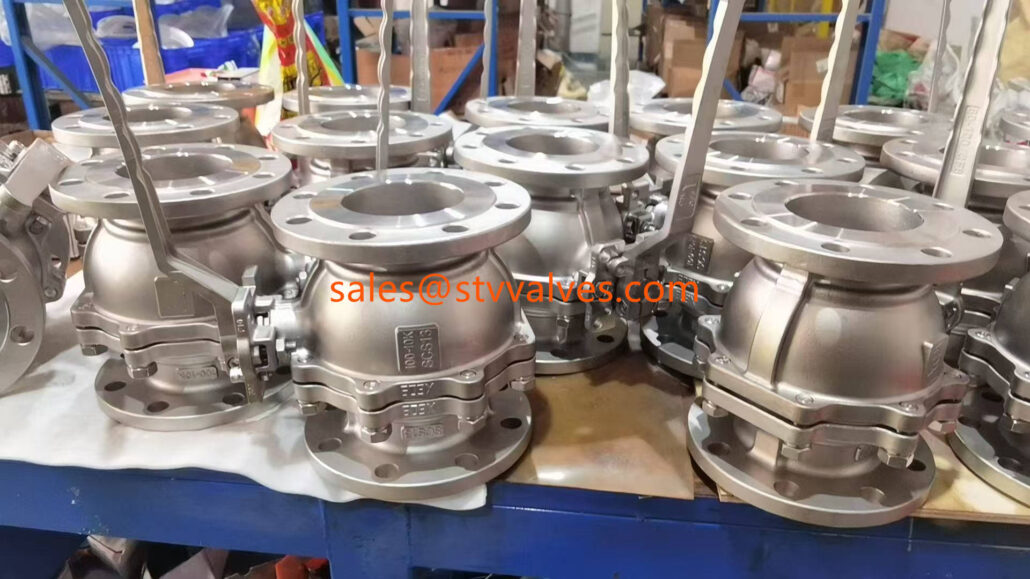
China Scs13 Ball Valve supplier,China Scs13 Ball Valve factory
Material quality
SCS13 stainless steel is the main part of this valve. Makers use lost-wax casting to shape the valve body. This method helps make each valve very exact. It also makes sure the valve is strong and reliable. SCS13 stainless steel does not rust easily. This makes it good for tough places like factories. People who work with chemicals, oil, gas, or food trust this material. It can handle strong liquids and hard jobs. Because it does not rust, the valve lasts longer. It does not wear out fast. This means you do not need to fix it often. The strong steel keeps the valve working safely. It works well even when the pressure is high.
- SCS13 stainless steel stops rust and damage from air.
- The valve works well when pressure is high.
- Water, oil, gas, and chemical plants use it for a long time.
- The strong and exact steel helps control liquids well.
Design standards
The SCS13 flange ball valve uses the JIS B2071 design rule. This rule tells how to make the valve and what size it should be. It also says what materials to use and how strong the valve must be. Makers check each valve to make sure it works right. The JIS B2071 rule uses metric sizes and MPa for pressure. It covers both full-bore and reduced-bore types. It also sets the length from end to end. Many valves have a floating ball to stop leaks.
| Specification Aspect | Details |
|---|---|
| Body Material | SCS13 (also SCS14, SCS16) |
| Size Range | NPS 1/2″ to 4″ (DN15 to DN100) |
| Nominal Pressure | JIS 10K |
| Temperature Rating | -10°C to 180°C |
| End Connection | JIS B2212 (Flange) |
The valve has two main parts joined with bolts. This makes it easy to open and fix. Workers can reach inside to change the ball or seals. They do not need to take the valve out of the pipe. This saves time and money. The full-bore ball lets liquid move easily. The blowout-proof stem keeps the stem from popping out. This makes the valve safer. Makers test this part to make sure it works well.
Tip: SCS13 stainless steel, JIS B2071 design, and smart engineering help this valve work well in hard jobs.
Safety and reliability

China Jis10k Ball Valve Supplier
Leak protection
Good leak protection is very important for industrial valves. The SCS13 flange ball valve uses a special “pyramidal” stem seal system. This seal makes a tight wall around the stem. It stops leaks before they can happen. The design also helps the seal last longer. This means the valve keeps working well for a long time. Many other ball valves start to leak after lots of use. The SCS13 flange ball valve does not have this problem. Its seal stays strong and works longer. People trust this valve in important systems. It keeps fluids inside and stops costly spills.
Note: The “pyramidal” stem seal system helps companies save money and time. This feature makes the valve a good pick for places that care about safety.
Fire-safe construction
Fire safety matters a lot in many factories. The SCS13 flange ball valve meets hard rules for fire-safe construction. These rules make sure the valve works even in a fire. The valve uses special materials and ways to build it. This helps it stand up to high heat. If there is a fire, the valve will still block dangerous liquids or gases. This keeps people and machines safe.
| Certification Aspect | Standard(s) |
|---|---|
| Fire-safe construction | API 607, ISO 10497 |
| Design | ASME B16.34 |
| Inspection and Testing | API 598, MSS SP-110, EN 12266 |
| End Flange | ASME B16.5 |
| Wall Thickness | ASME B16.34 |
These certifications show the SCS13 flange ball valve passes hard fire safety tests. Companies can trust this valve to work in tough situations.
Performance and operation
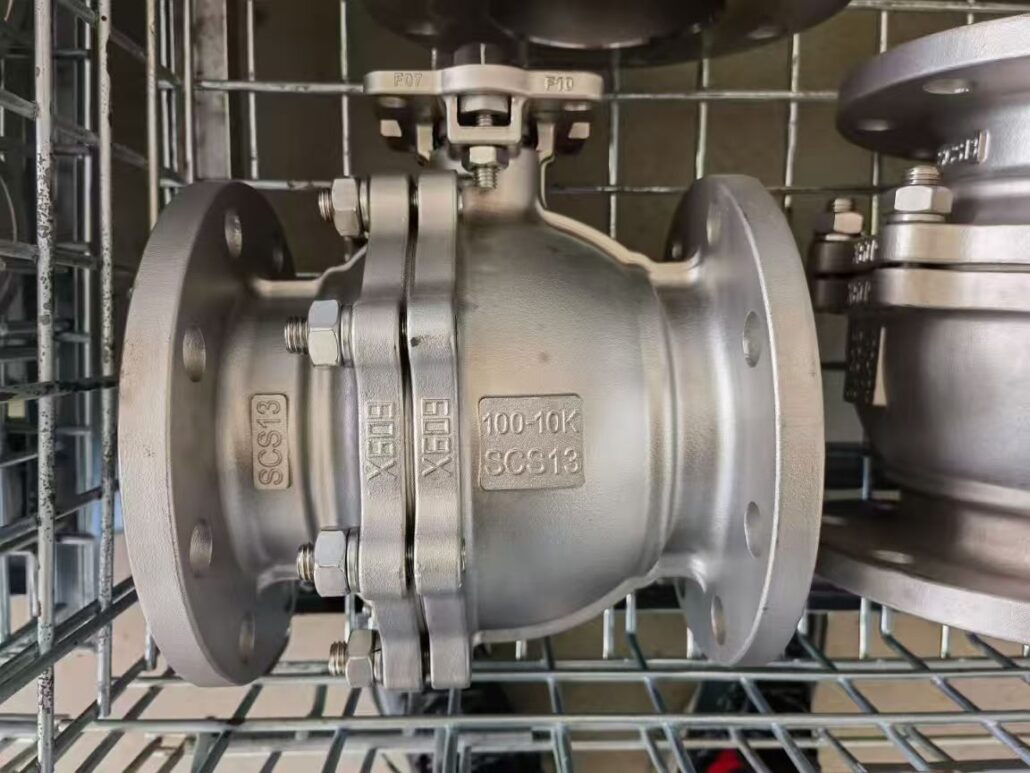
China 10K Ball Valve Factory
Corrosion resistance
Factories and plants need valves that can handle harsh chemicals. The SCS13 stainless steel body does not rust or corrode. This keeps the valve strong when it touches water, oil, gas, or other liquids. Other metals might break down, but this valve stays tough. Workers see fewer leaks and less damage as time goes on. Maintenance teams do not have to fix or change parts as often. The valve’s design lets it work in many temperatures. It is safe to use from 20°C up to 280°C. This means the valve works for cold storage and hot jobs.
Tip: Picking a valve that resists corrosion helps companies save money. It also keeps machines running without stopping.
| Feature | Benefit |
|---|---|
| SCS13 stainless steel | Stops rust and chemical damage |
| Wide temperature range | Works from 20°C to 280°C |
| Full bore design | Reduces pressure drop |
Automation options
Modern factories use automation to work faster and safer. The valve can use many actuator types, like electric, pneumatic, or hydraulic. The ISO 5211 mounting pad makes adding actuators simple. Workers can control the valve from far away. This helps when it is hard or unsafe to turn the valve by hand. Automation gives many benefits:
- Remote control lets workers react fast to changes.
- Fast operation means less waiting for the valve to move.
- Lower torque needs make the valve move smoothly, even with high pressure.
- Easy pipeline setup means less time and fewer leaks.
- Fewer workers are needed, so labor costs go down.
- Better control means fewer mistakes and less downtime.
Maintenance teams see fewer problems. Automated valves last longer before needing repairs. The valve works well for water, gas, and oil jobs. Companies get safer and better results.
Industrial applications
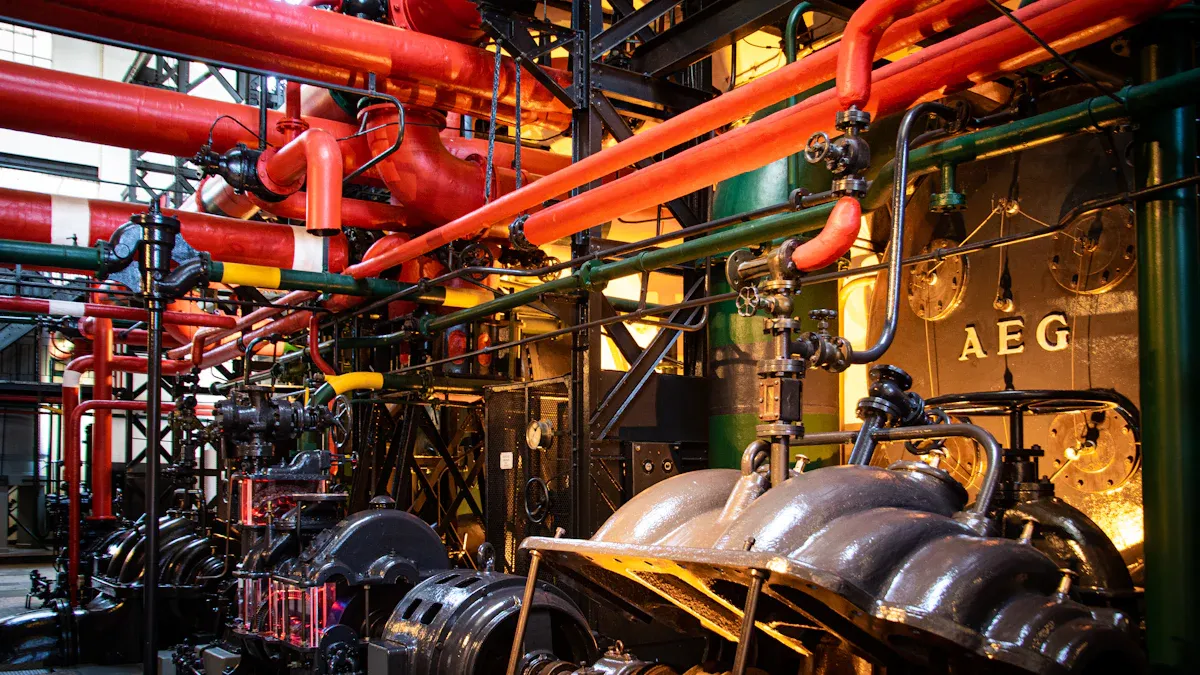
Use cases
Engineers use these valves in many tough places. Water treatment plants use them to control water flow. They also help stop leaks. The stainless steel body does not rust from chemicals or water. Operators pick these valves because they handle high pressure. They also keep the system safe and working well.
- Water treatment plants like that these valves do not rust. They also work well for a long time.
- The strong design stops problems and keeps water clean.
- Ball valves seal better and last longer than gate valves.
- Trunnion ball valves are good for high-pressure water. They do not wear out fast and are easy to use.
- Automation lets workers control the valve from far away. This makes work safer and faster.
- Manual use is still easy and works well for daily jobs.
Oil and gas plants have hard jobs. They deal with high pressure, heat, and strong liquids. These ball valves can handle these tough jobs. The small size fits in tight spaces and needs less fixing. The quarter-turn lets workers shut off the valve fast. This is very important for safety.
Value for industries
Many industries get big benefits from these valves. Water treatment plants do not stop working as much. They also keep water clean and safe. The strong seal keeps the system working well. Automation helps workers run big systems with fewer mistakes. It also means less work by hand.
Oil and gas jobs need strong tools. The stainless steel body does not break down from strong liquids or heat. Fast shut-off keeps workers and machines safe in an emergency. The tough design means fewer fixes and less money spent.
| Industry | Key Benefit |
|---|---|
| Water Treatment | Does not rust, easy to use |
| Oil & Gas | Handles high pressure, shuts off fast |
| Chemical Processing | Stops leaks, ready for automation |
| Power Generation | Works well, keeps people safe |
Note: Picking the right valve helps companies stay safe. It also saves money and keeps work going without problems.
The SCS13 flange ball valve is built to last. It has special safety features and works smoothly. Many industries use this valve for hard jobs. The maker has important certificates like:
- API
- ISO 9001
- ISO 14001
- Health and Safety Certification
- First Level Supplier Certification
These certificates prove the valve is safe and high quality. Engineers and buyers can trust this valve in tough places.
FAQ

What sizes are available for the SCS13 flange ball valve?
The SCS13 flange ball valve comes in sizes from 1/2 inch to 8 inches (DN15 to DN200). These sizes fit lots of different machines and systems.
Can the SCS13 flange ball valve handle corrosive liquids?
Yes. The SCS13 stainless steel body does not rust. It works with water, oil, gas, and many strong liquids used in factories.
Is the valve suitable for automation?
Yes. The valve has an ISO 5211 mounting pad. This makes it easy to add electric, pneumatic, or hydraulic actuators for automatic control.
What certifications does the SCS13 flange ball valve have?
The valve meets API, ISO 9001, and ISO 14001 standards. These certificates show the valve is safe and high quality for factories.
How often does the valve need maintenance?
Most people find the SCS13 flange ball valve needs little fixing. The strong stem seal and stainless steel body help stop problems and save time.