What Does WOG Mean on a Ball Valve?
What Does WOG Mean on a Ball Valve?

China 2-PC Ball Valve, 1000 WOG Hastelloy C276 Ball Valve,2PC Hastelloy C276 Ball Valve, DN32 Hastelloy C276 Ball Valve,1000 WOG Hastelloy C276 Ball Valve, NPT End Hastelloy C276 Ball Valve Manufacturer
When selecting a ball valve for your industrial or commercial application, you’ll likely encounter various markings and abbreviations stamped on the valve body. One of the most common and important markings is “WOG.” Understanding what WOG means on a ball valve is crucial for ensuring proper valve selection, system safety, and optimal performance. This comprehensive guide explains the significance of WOG ratings and how they impact your valve selection process.
What is WOG? Understanding the Basics
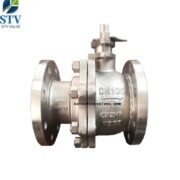
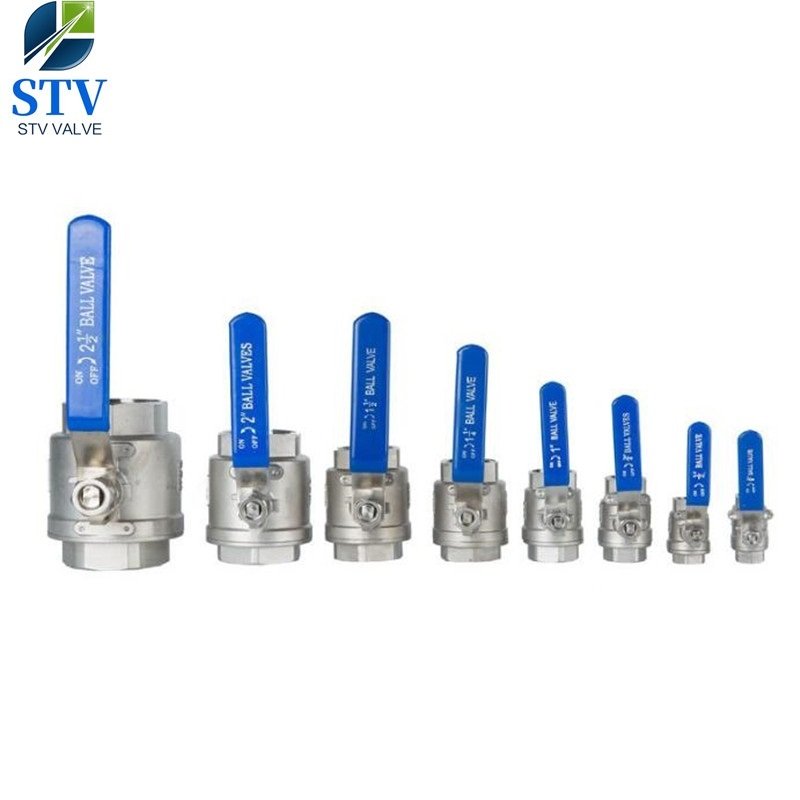
WOG marking stamped on a standard industrial ball valve body
WOG is an abbreviation that stands for Water, Oil, and Gas. This standard marking found on ball valves indicates the maximum pressure rating at which the valve can safely operate when handling these three specific types of media. The WOG rating is typically expressed in PSI (Pounds per Square Inch) and appears as a number followed by “WOG” (e.g., “600 WOG”).
The WOG pressure rating serves as a critical guideline for selecting the appropriate valve for your specific application. It ensures that the valve can withstand the pressure and temperature limits associated with the media flowing through it. Without understanding this rating, you risk installing a valve that might fail under operating conditions, potentially causing leaks, system damage, or safety hazards.
A valve marked “600 WOG” is rated to safely handle pressures up to 600 PSI for water, oil, or gas applications at temperatures between -20°F to 100°F (-29°C to 38°C).
It’s important to note that the WOG rating applies specifically to non-shock conditions at ambient temperatures. For applications involving temperature extremes, pressure fluctuations, or specialized media, additional considerations and ratings may apply.
Breaking Down the WOG Components
To fully understand the WOG rating, let’s examine each component individually and how they relate to valve performance:
Water (W) Component
The “W” in WOG indicates the valve’s suitability for water applications. Water systems present unique challenges for valves due to water’s properties:
- Water is nearly incompressible, which can create hydraulic shock in systems with sudden pressure changes
- Water systems may experience pressure surges during pump starts or system cycling
- Temperature variations can affect pressure and flow characteristics
- Water can cause erosion in valve components at higher velocities
A ball valve with an appropriate WOG rating for water applications is designed to handle these conditions without compromising integrity. This makes them suitable for applications such as plumbing systems, water treatment facilities, irrigation systems, and fire suppression systems.
Oil (O) Component
The “O” component refers to the valve’s suitability for oil applications. Oil presents different challenges compared to water:
- Oil is generally more viscous than water, creating higher resistance to flow
- Oil systems often operate at higher pressures, especially in hydraulic applications
- The chemical properties of different oils can affect valve materials
- Temperature fluctuations can significantly change oil viscosity
Ball valves rated for oil applications are designed with materials and seals that can withstand these conditions. They’re commonly used in hydraulic systems, lubrication systems, fuel delivery systems, and petrochemical applications.
Gas (G) Component
The “G” in WOG indicates the valve’s suitability for gas applications, which present their own set of considerations:
- Gases are compressible, leading to different pressure dynamics than liquids
- Gas systems often experience more significant pressure fluctuations
- Gas leakage can create safety hazards, requiring tighter sealing
- Temperature changes significantly affect gas volume and pressure
Ball valves with appropriate WOG ratings for gas applications feature designs that maintain tight seals and operate reliably under fluctuating pressures. They’re commonly used in natural gas distribution, compressed air systems, and process gas applications.
Important Note: While the “G” in WOG indicates general gas suitability, it typically excludes combustible gases. Specialized valves with specific certifications are required for applications involving flammable gases.
WOG and Other Common Pressure Ratings
WOG is just one of several pressure ratings you might encounter when selecting ball valves. Understanding how WOG relates to other common ratings helps ensure proper valve selection:
| Rating | Full Name | Description | Temperature Range |
| WOG | Water, Oil, Gas | Maximum pressure rating for water, oil, and gas applications | -20°F to 100°F (-29°C to 38°C) |
| CWP | Cold Working Pressure | Maximum pressure rating at ambient temperatures | -20°F to 100°F (-29°C to 38°C) |
| SWP/WSP | Steam Working Pressure | Maximum pressure rating for steam applications | Up to 330°F (166°C) |
| WWP | Working Water Pressure | Maximum pressure specifically for water applications | Varies by manufacturer |
Relationship Between WOG and CWP
WOG and CWP (Cold Working Pressure) are often used interchangeably in valve specifications. Both indicate the maximum pressure rating at ambient temperatures (typically -20°F to 100°F). The key difference is that WOG specifically indicates suitability for water, oil, and gas, while CWP is a more general term that doesn’t specify media types.
According to the Manufacturer’s Standardization Society (MSS), manufacturers may use various symbols to indicate cold working pressure, including WOG, CWP, WO, GLP, WWP, or simply W. This variety of abbreviations can sometimes cause confusion, but they generally refer to similar pressure ratings.
WOG vs. WSP/SWP
While WOG ratings apply to ambient temperature conditions, Steam Working Pressure (SWP or WSP) ratings indicate the maximum pressure a valve can handle when exposed to steam at elevated temperatures. Steam applications involve much higher temperatures than standard WOG applications, which affects the valve’s pressure capacity.
For example, a valve might be rated for 600 WOG but only 150 SWP, indicating it can handle higher pressures with cold media than with hot steam. This difference occurs because valve materials typically lose strength at higher temperatures, reducing their pressure-handling capability.
Importance of WOG Rating for Proper Valve Selection
Selecting a ball valve with the appropriate WOG rating is crucial for several reasons:
Benefits of Proper WOG Rating Selection
- Ensures system safety by preventing valve failure under pressure
- Extends valve service life by operating within design parameters
- Maintains system integrity and prevents leaks
- Complies with industry standards and regulations
- Provides appropriate performance for specific media
Risks of Improper WOG Rating Selection
- Valve failure leading to system shutdown
- Safety hazards from leaks or ruptures
- Reduced valve lifespan and premature failure
- Increased maintenance costs
- Potential regulatory violations
When selecting a ball valve based on WOG rating, consider these key factors:
System Maximum Pressure
Always select a valve with a WOG rating that exceeds your system’s maximum operating pressure. Industry best practice recommends choosing a valve rated for at least 1.5 times your maximum system pressure to provide a safety margin for pressure spikes and fluctuations.
Media Type
While WOG indicates general suitability for water, oil, and gas, specific media properties may require additional considerations. For example, corrosive fluids may require special valve materials regardless of the WOG rating.
Temperature Considerations
Remember that WOG ratings apply to ambient temperature conditions. For applications involving elevated temperatures, consult the manufacturer’s temperature-pressure curves to determine the appropriate de-rated pressure capacity.
Warning: Never use a valve with a WOG rating lower than your system’s maximum operating pressure. Doing so creates a significant safety hazard and may violate industry codes and regulations.
Industry Standards and WOG Ratings
WOG ratings on ball valves are governed by various industry standards that ensure consistency and reliability across manufacturers. Understanding these standards helps in making informed valve selection decisions:
Key Standards Organizations
- ANSI/ASME B16.34 – Establishes pressure-temperature ratings for valves
- API 598 – Defines valve inspection and testing requirements
- MSS SP-110 – Specifies standards for ball valves with flanged or butt-welding ends
- ASTM F1545 – Covers plastic-lined valves for corrosive service
These standards ensure that valves marked with specific WOG ratings have undergone appropriate testing and meet minimum performance requirements. Compliance with these standards is often indicated by additional markings on the valve body.
Applications Where WOG Rating is Critical
WOG ratings are particularly important in these industries and applications:
Industrial Applications
- Chemical processing plants
- Oil refineries and petrochemical facilities
- Power generation plants
- Manufacturing facilities
Commercial Applications
- HVAC systems
- Water treatment facilities
- Commercial plumbing systems
- Fire protection systems
In these applications, proper valve selection based on WOG ratings is often mandated by building codes, insurance requirements, and industry regulations. Compliance ensures system safety, reliability, and legal operation.
Practical Examples of WOG Ratings in Different Systems
To better understand how WOG ratings affect valve performance in real-world scenarios, let’s examine some practical examples:
Water Distribution System
Scenario: A municipal water distribution system operates at a normal pressure of 80 PSI but can experience pressure spikes up to 120 PSI during pump cycling.
WOG Consideration: While a 150 WOG valve would technically handle the maximum pressure, a 200 WOG or 300 WOG valve would be more appropriate to provide a safety margin for unexpected pressure surges and long-term reliability.
Hydraulic System
Scenario: A hydraulic system for industrial equipment operates at 1,200 PSI during normal operation but can reach 1,500 PSI during peak loads.
WOG Consideration: This application requires a high-pressure ball valve with at least a 2,000 WOG rating to ensure safe operation with an adequate safety margin. The valve must also have appropriate seals compatible with hydraulic oil.
Natural Gas Line
Scenario: A commercial building’s natural gas line operates at 5 PSI.
WOG Consideration: While the pressure is relatively low, gas applications require valves specifically approved for fuel gas service. A 600 WOG valve with appropriate gas certifications would be suitable, providing a substantial safety margin while ensuring proper sealing to prevent gas leakage.
“Always select a valve with a WOG rating that exceeds your system’s maximum operating pressure by at least 50% to account for pressure spikes, system changes, and to provide a safety margin.”
Maintenance Considerations Related to WOG Ratings
Proper maintenance is essential for ensuring that ball valves continue to perform within their WOG ratings throughout their service life:
Regular Inspection
Periodically inspect ball valves for signs of wear, corrosion, or damage that might compromise their pressure rating:
- Check for leakage around the stem and body joints
- Inspect valve body for cracks, corrosion, or deformation
- Verify that WOG markings remain legible
- Ensure proper operation through full open-close cycles
- Check for appropriate torque requirements
System Pressure Monitoring
Continuously monitor system pressure to ensure it remains within the valve’s WOG rating:
- Install pressure gauges at strategic locations
- Implement pressure relief devices to prevent overpressure conditions
- Document pressure fluctuations and investigate unusual patterns
- Consider pressure data logging for critical systems
Replacement Considerations
When replacing ball valves, always consider the following factors related to WOG ratings:
- Never downgrade to a lower WOG rating without engineering approval
- Consider upgrading to higher WOG ratings if system requirements have changed
- Verify compatibility with system media and temperature conditions
- Ensure replacement valves meet or exceed original specifications
- Document all valve replacements with full specifications
Maintenance Tip: Keep a valve inventory log that includes WOG ratings, installation dates, and maintenance history. This documentation helps ensure appropriate replacements and track valve performance over time.
Conclusion: Making Informed Decisions Based on WOG Ratings
Understanding what WOG means on a ball valve is essential for making informed decisions about valve selection, installation, and maintenance. The WOG rating provides critical information about a valve’s pressure capabilities for water, oil, and gas applications at ambient temperatures.
By selecting ball valves with appropriate WOG ratings for your specific application, you ensure system safety, reliability, and compliance with industry standards. Remember that WOG ratings should be considered alongside other factors such as temperature requirements, media compatibility, and specific industry regulations.
Always consult manufacturer specifications and industry standards when selecting ball valves, and never compromise on pressure ratings for critical applications. With proper attention to WOG ratings and regular maintenance, your ball valves will provide reliable service throughout their expected lifespan.
Free Valve Selection Guide
Download our comprehensive Valve Selection Guide to help you choose the right ball valve with appropriate WOG ratings for your specific application. This guide includes pressure rating charts, material compatibility tables, and a step-by-step selection process.
Frequently Asked Questions About WOG on Ball Valves
What is the difference between WOG and CWP ratings?
WOG (Water, Oil, Gas) and CWP (Cold Working Pressure) are essentially equivalent ratings that indicate the maximum pressure a valve can handle at ambient temperatures (typically -20°F to 100°F). The main difference is that WOG specifically indicates suitability for water, oil, and gas applications, while CWP is a more general term that doesn’t specify media types. According to industry standards, these terms are often used interchangeably.
Can I use a valve with a higher WOG rating than my system requires?
Yes, using a valve with a higher WOG rating than required is generally acceptable and often preferred as it provides an additional safety margin. However, higher-rated valves may be more expensive or have different design characteristics. The key is to never use a valve with a lower WOG rating than your system’s maximum operating pressure.
Does the WOG rating apply to all types of gases?
No, the “G” in WOG typically refers to non-combustible gases. For combustible or specialized gases like natural gas, propane, or hydrogen, additional certifications and specific valve designs may be required. Always consult manufacturer specifications and relevant codes when selecting valves for specific gas applications.
How do temperature changes affect WOG ratings?
WOG ratings apply specifically to ambient temperature conditions (typically -20°F to 100°F). As temperature increases, the pressure rating of the valve generally decreases because materials lose strength at higher temperatures. For applications involving elevated temperatures, consult the manufacturer’s temperature-pressure curves to determine the appropriate de-rated pressure capacity.
Where can I find the WOG rating on a ball valve?
The WOG rating is typically stamped or cast directly onto the valve body. Common locations include the side of the valve body, near connection points, or on a flat surface of the valve housing. The marking usually appears as a number followed by “WOG” (e.g., “600 WOG”). If you cannot locate the WOG rating, consult the manufacturer’s documentation or contact the supplier.