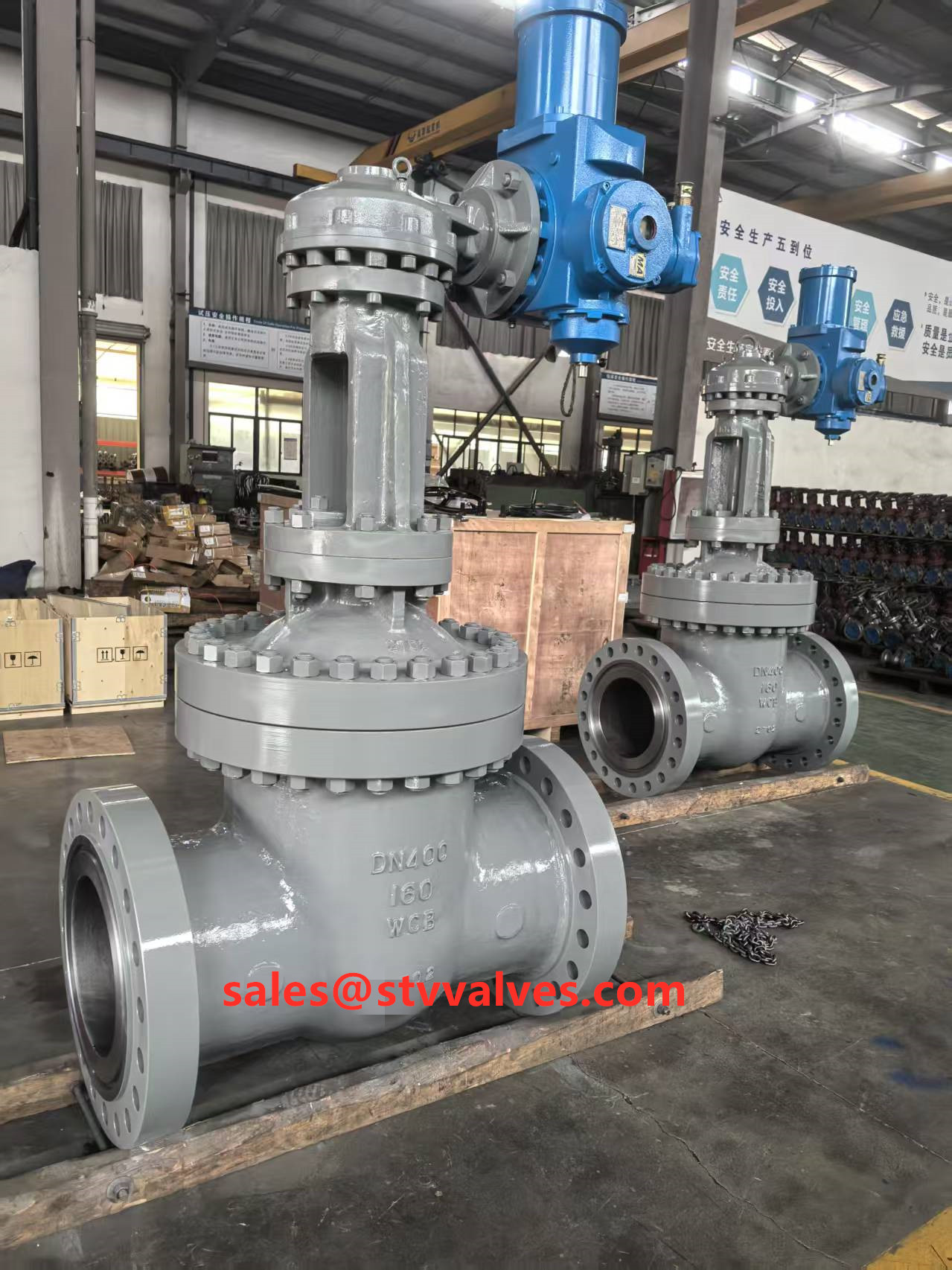
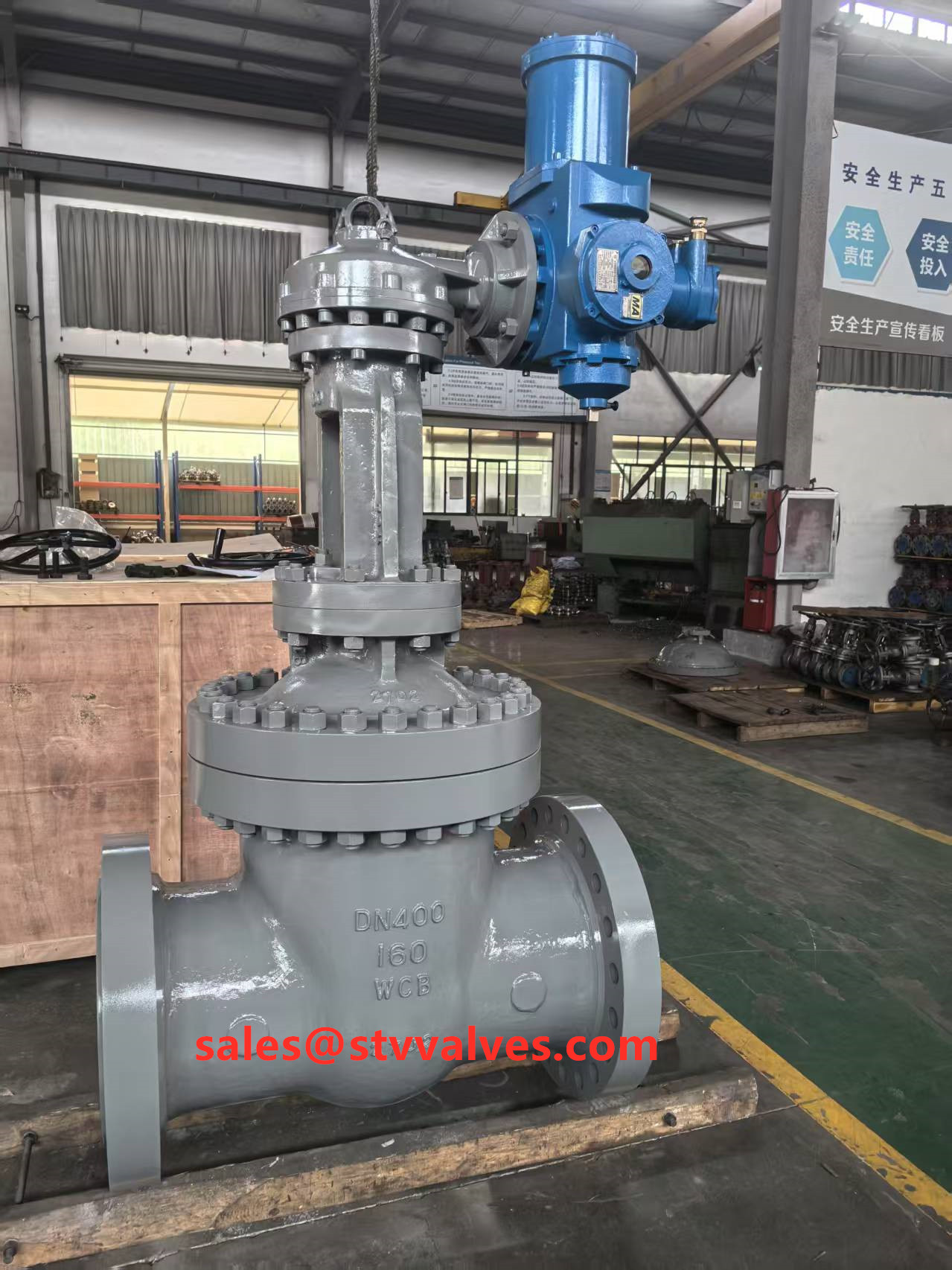
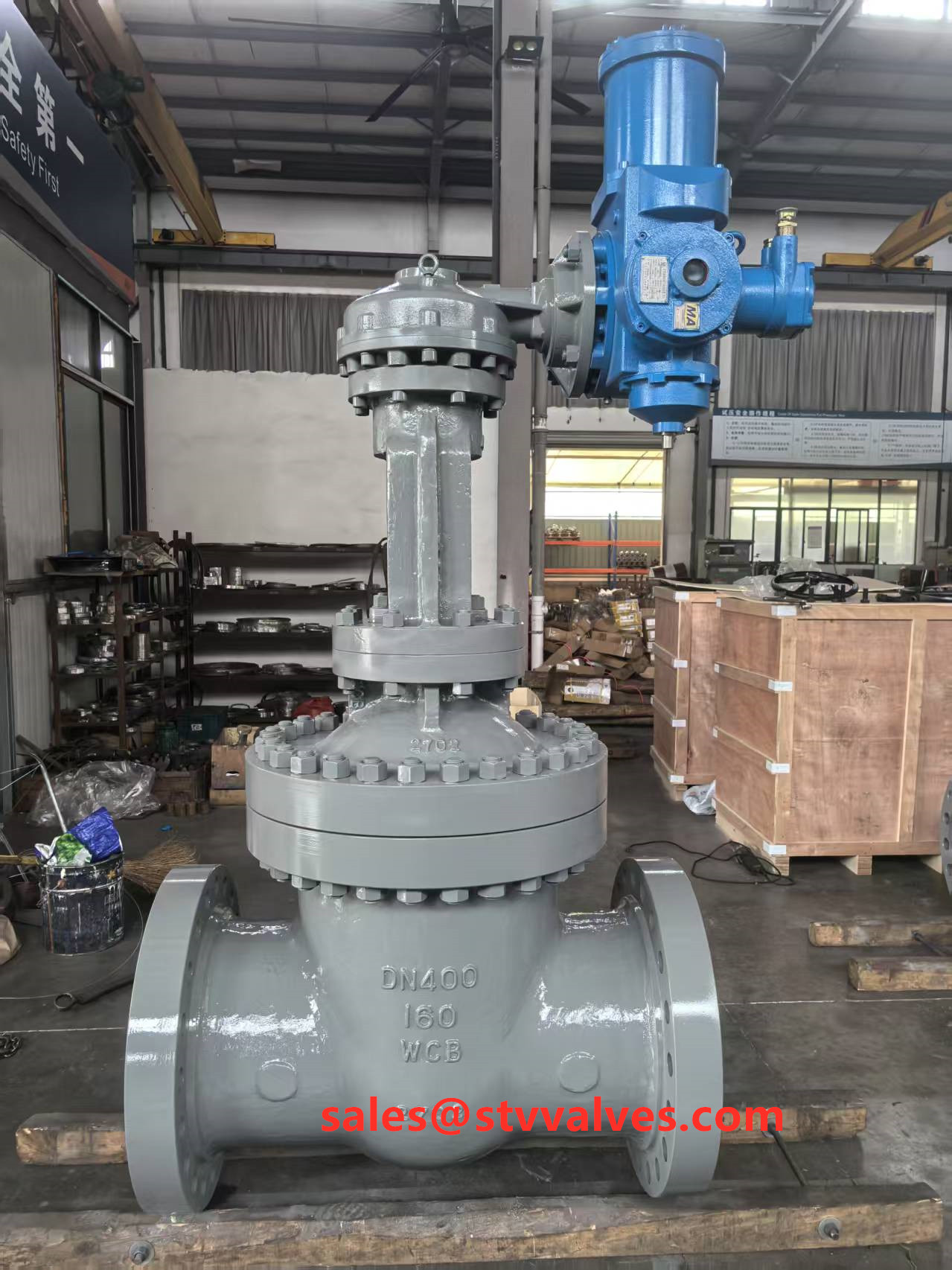
Read The Latest Company News And Events Of Stv Valve Technology Group CO., LTD, You Will Stay Informed About Stv Valve Technology Group CO., LTD Export Information And Newly Released Products.
We have just completed and delivered BS 1868 Swing Check Valve, Class 300 LB, RF Flanged, Bolted Bonnet, 36 Inch, A216 WCB Body with Trim 8
Valve Descriptions
BS 1868 Swing Check Valve Design Standard: BS 1868, API 594, API 6D Key Features: Bolted Bonnet, Full Opening design available, Operation Gear design Available Structure: Bolted Bonnet Nominal Size: 36 Inch Nominal Class: 300 LB Body Material: ASTM A216 WCB Trim Material: ASTM A182 F6A Bore Type: Full Standard Bore(BS 1868, API 594) or Bore(API 6D) Face to face: ASME B16.10 Test and inspection: API 598 Operation: Gear End Connection: RF Flanged
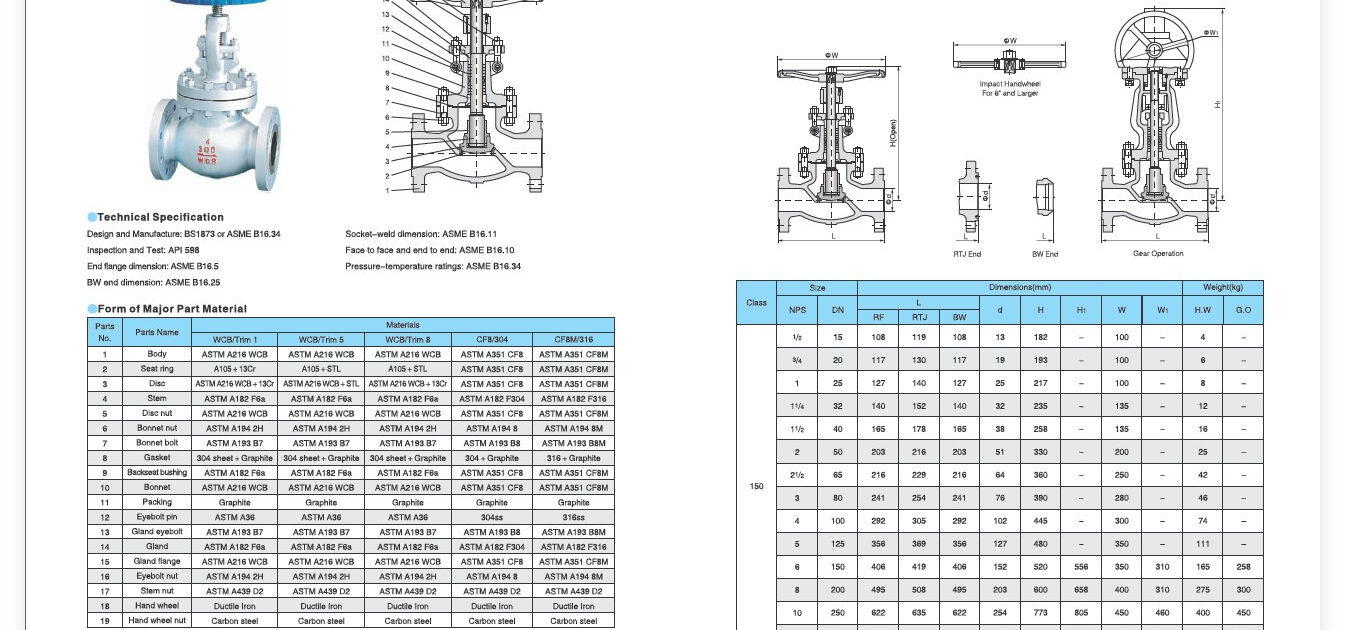
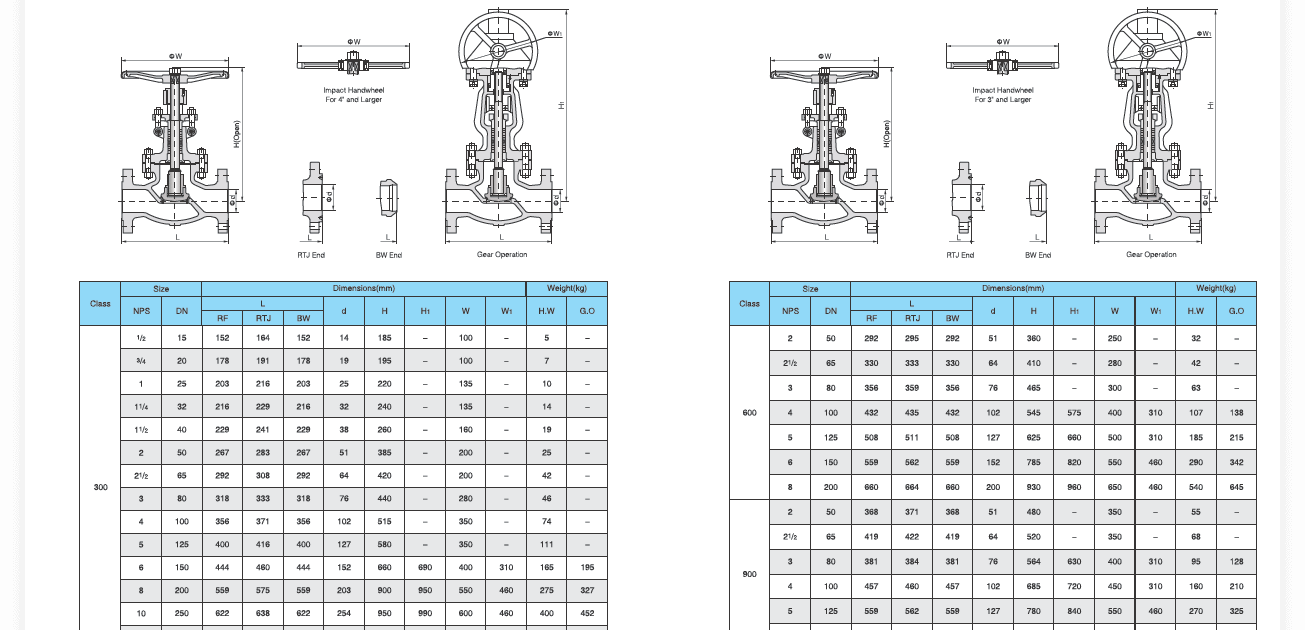
The tables show the dimensions and weights of BS1873 Globe Valve (bolted bonnet / rising stem)
Class 150LB~2500LB, Size: 2″~24″
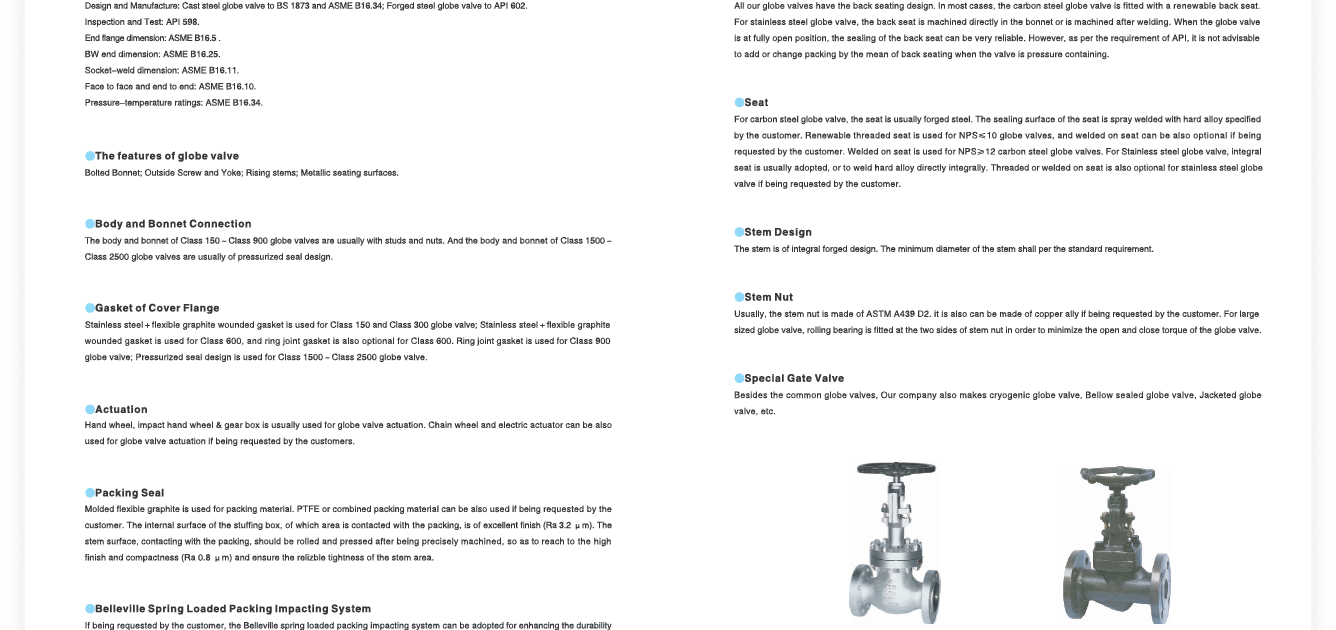
Globe valve Type: Through way type , Y type Globe valve, and Angle Type globe valve, OS&Y, Rising Stem . Disc: Plug type disc, regulating disc(throttling disc) ,regular disc, Bonnet : Bolt bonnet(BB),Pressure seal bonnet (PSB), extended bonnet for Cryogenic Service, Welded bonnet. Sear Ring:Rrenewable seat ring seat ring , welded seat ring or Body seat Type of connection:Raised Face flange (RF) , RING TYPE JOINT FLANGE(RTJ), Butt welding ends (BW) ASME B16.25 Material:Carbon Steel: A216 WCB,ASTM A105 Stainless Steel: A351 CF8(F304),CF8M(F316),CF3(F304L),CF3M(F316L),CF8C(F347),F321,F321H,CK20 Alloy Steel:Monel 400, monel k500, alloy20,904L,CN7M, Inconel, Hastelloy® B&C Duplex Stainless Steel: A351 CN7M(B473), CD4MCu(F50),CK3MCuN(F44),CG8M,A890-1A,4A,5A,6A, A182 F44,F50,F51,F53,F310 Low temperature steel: A352 LCB,LCC,LCA,LC3,A350 LF2,LF3 High temperature steel:A217 WC6,WC9,WC5,WC11,C5,C12,C12A,A182 F22,F11 ,F5,F9, Bronze, Nickel aluminum bronze(NAB) Gunmetal: B148 C95500,C95800,C95400,B62, C83600,B61,B62 C92200, B150 C63200 DIN Material:GS-C25,1.0619 1.4408, 1.4308,C22.8 Operated type: Hand wheel , Gear Operated, Pneumatic Operated, Electric Operated, Impact Hand wheel Operated or Bare stem with ISO5210 top mounting pad for actuator etc. Globe valve manufacturer & supplier: STV Valve Technology Group Co., Ltd.
Standards compliance: Design and Manufacture:BS1873, ASME B16.34 Face to face Dimensions (end to end): ASME B16.10 Flanged Ends Dimensions: ASME B16.5 Butt welded end Dimensions: ASME B16.25 Test and inspection Standard: API598 Manufacturing to NACE MR-01-75 on request.
Dimensions in inches (millimeters)
BS 1873: Specification forSteel globe and globestop and check valves(flanged and butt-welding ends) forthe petroleum,petrochemical andallied industries
BS 1873 Standard specifies requirements for cast or forged carbon and alloy steel outside screw and yoke globe valve and globe stop and check valves, straight pattern, angle pattern and (oblique) Y pattern, with flanged or butt-welding ends in nominal sizes within the range of15 mm to 900 mm(1/2 in to 36 in) and Classes 150 to 2500. This standard can also be used as a general guide where valves of material composition outside the scope of section three of this standard are required as, for example, for use in highly corrosive services or environments or for low temperatures (see clause 37).
The standard can be adapted to apply to valves with needle type seats in 15 mm (; in) an 20 mm (< in) nominal sizes which will meet all requirements of this standard, except that the valve seat bore is reduced and the needle point may be either integral with or loose on the stem.
Pressure classification
BS 1873 standard applies to valves of the following pressure class designations:
Class 150, Class 300, Class 400, Class 600,
Class 900, Class 1500 and Class 2500.
The numerals in these class designations represent the primary service pressure ratings of the valves in pounds-force per square inch.
No matter new customer or old customer, We believe in long term and trusted relationship for Bs1873 Globe Valves. We are sincerely looking forward to cooperate with buyers all around the world. We imagine we will satisfy you. We also warmly welcome shoppers to visit our organization and purchase our merchandise. The product will supply to all over the world, such as Europe, America, Australia,Madrid, Russia,Bolivia, US.As an experienced factory we also accept customized order and make it same as your picture or sample specifying specification and customer design packing. The main goal of the company is to live a satisfactory memory to all the customers,and establish a long term win-win business relationship. For more information,please contact us. And it’s our great pleasure if you like to have a personally meeting in our office.
Body Material: ASTM A216 WCB with Impact Test 27J at -29°C.
Trim: No. 1 (Body Seat WCB +13CR).
Application: Medium crude oil.
Test & inspection: API 598.
Outside screw and yoke With hand wheel Body/bonnet: A216 WCB Trim: 13%Cr
Flanged according RF – as per AMSE B16.5 Face to face dim. As per ASME B16.10
Painting: body/bonnet (silver), painting min. 80μm – RAL 9006 hand wheel (blue RAL 5005)
No sign of producer on body/bonnet Including inspection certificate EN 10204-3.1B for shell test and tightness test Including material certificate acc. EN 10204-3.1B for body and bonnet
Cast carbon steel wedge gate valve,Flexible Wedge Cast Steel Gate Valve,API 600 Cast Steel Gate Valves,China Flanged Bolted Bonnet Gate Valve Manufacturer with high quality and competitive price.
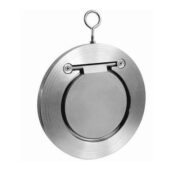
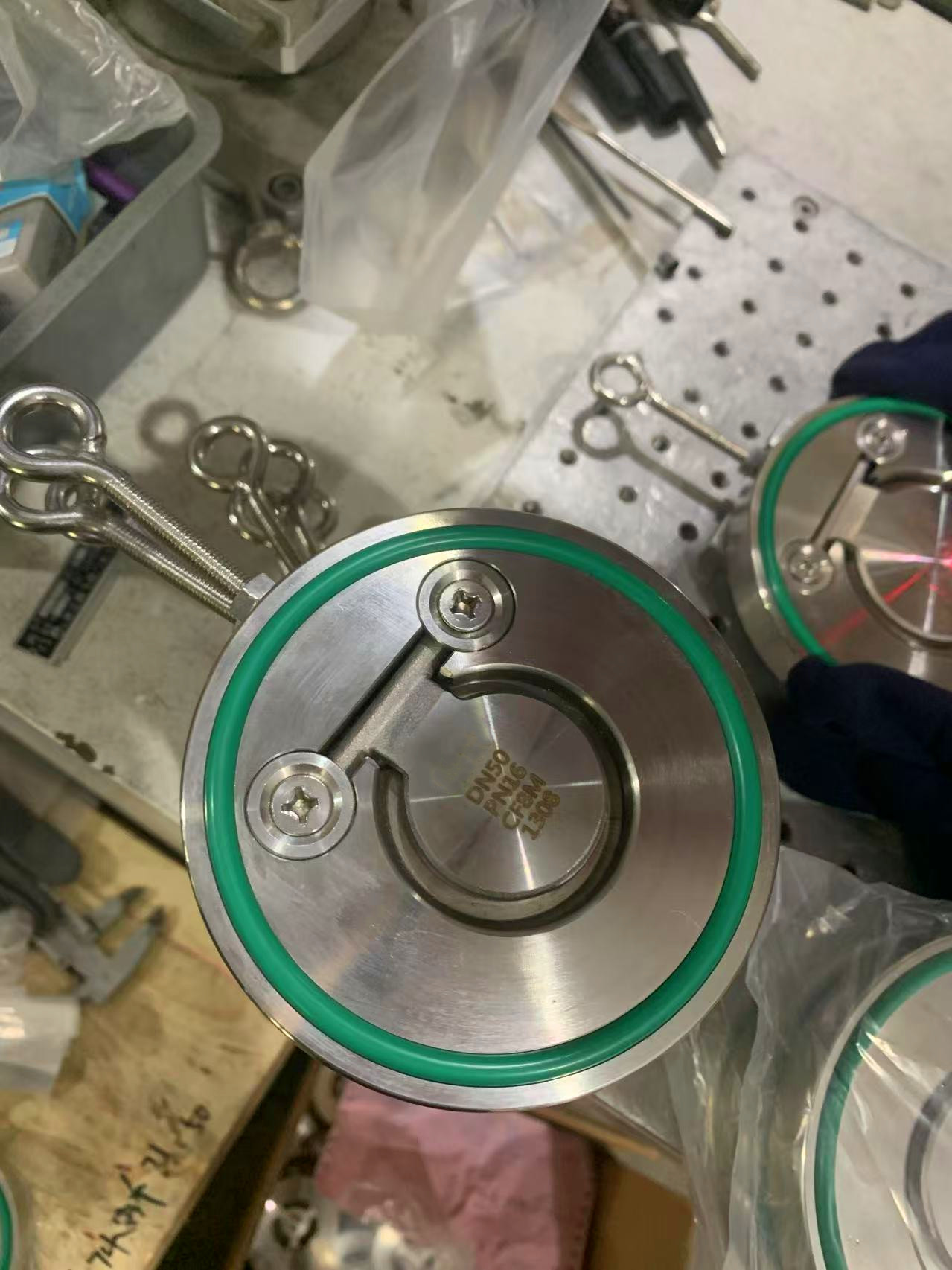
316 Stainless Steel Wafer Swing Check valve to suit a wide range of flange standards including ANSI150 & DIN PN10/PN16. 316 Stainless Steel body, disc and stem with a FKM Seat (other seat materials available upon request). Up to 16 BAR pressure range and media temperatures from -20°C to 180°C. Face to face DIN3202-K3. Pressure tested to AP1598. Great for back flow prevention in a variety of liquid and gas applications including water treatment and gas industries. Must be mounted in a horizontal plane.
Model
Size
DN
Pressure
Temperature
Weight (kg)
STVS-50
2”
50
0 to 16 BAR
-20°C to 180°C
0.8
STVS-65
2 ½”
65
0 to 16 BAR
-20°C to 180°C
1.1
STVS-80
3”
80
0 to 16 BAR
-20°C to 180°C
1.3
STVS-100
4”
100
0 to 16 BAR
-20°C to 180°C
2.3
STVS-125
5”
125
0 to 16 BAR
-20°C to 180°C
3.2
STVS-150
6”
150
0 to 16 BAR
-20°C to 180°C
4.6
STVS-200
8”
200
0 to 16 BAR
-20°C to 180°C
7.7
STVS-250
10”
250
0 to 16 BAR
-20°C to 180°C
12.7
STVS-300
12”
300
0 to 16 BAR
-20°C to 180°C
20
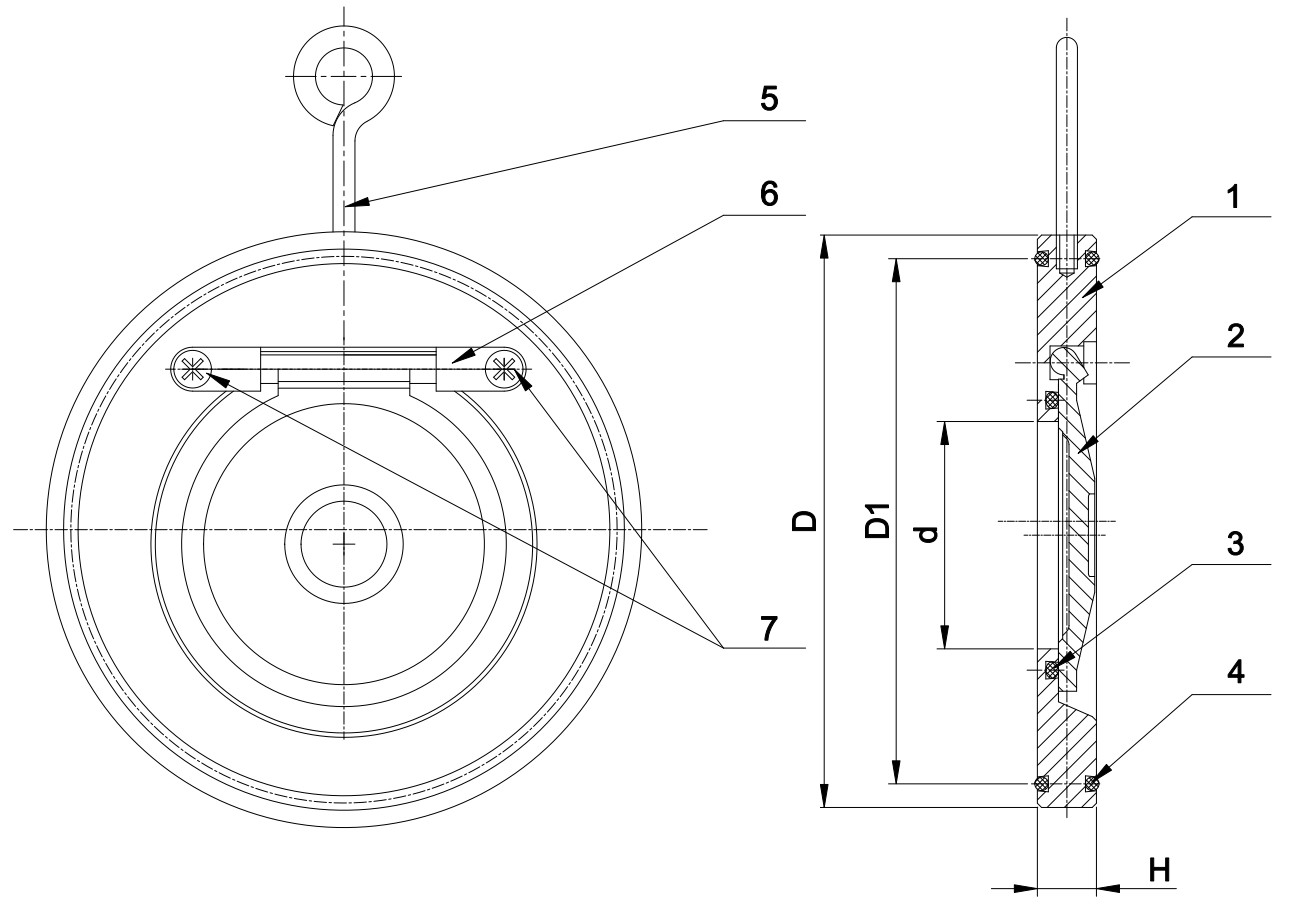
Model
Size
DN
d
D
D1
H
STVS-050
2″
50
32
96
84
14
STVS-065
2-1/2″
65
40
110
96
14
STVS-080
3″
80
54
128
117.5
14
STVS-100
4″
100
70
156
148
18
STVS-125
5″
125
92
187
166
18
STVS-150
6″
150
114
213
197
20
STVS-200
8″
200
154
267
249
22
STVS-250
10″
250
200
328
310
26
STVS-300
12″
300
230
375
358
30
All dimensions in mm unless shown otherwise.
316 Thin Wafer Swing Check Valve Price list
Model
Size
DN
Unit/USD
Weight (kg)
STVS-50
2”
50
22
0.8
STVS-65
2 ½”
65
25
1.1
STVS-80
3”
80
34
1.3
STVS-100
4”
100
42
2.3
STVS-125
5”
125
55
3.2
STVS-150
6”
150
68
4.6
STVS-200
8”
200
113
7.7
STVS-250
10”
250
194
12.7
STVS-300
12”
300
260C
20
STV Valve Technology Group Co., Ltd is a professional leader China Single thin Check Valve,Single Disc Swing Check Valve,Forged Steel Single thin Check Valve,wafer check valve,PN16 Single thin Check Valve,stainless steel check valve.dual check valve Manufacturer with high quality and competitive price.
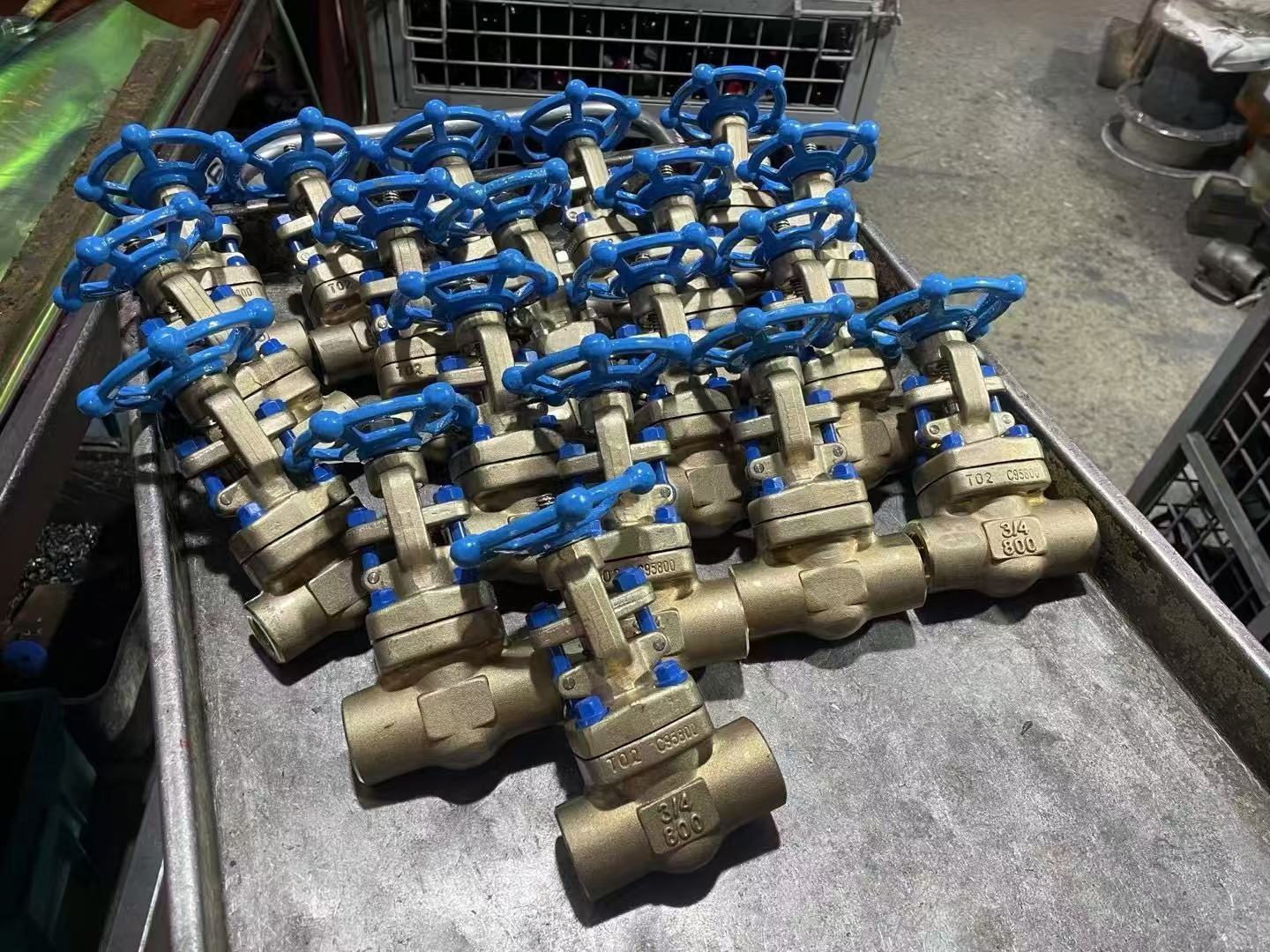
ASTM B148 C95800 Gate Valve,3/4 Inch, Class 150, API 602,SW Design: API 602 Body: B148 C95800 Nominal Size: 3/4 Inch Nominal Class: 800 LB End Connection: SW Ends Face to Face: ASME B16.10 Test and Inspection: API 598
Technical Parameters and Characteristics Product: Small Size Gate Valve Nominal Diameter: 1/4 Inch – 4 Inch Design Temp.: -196℃ – 573℃ Design Pressure: Class 150 LB – Class 2500 LB Material: Carbon Steel, Stainless Steel, Alloy Steel, Bronze Design Standard: API 602, BS 5352 Face to Face: Manufacture Standard, ASME B16.10 Connection End: NPT, SW, BW, Flanged Test Standard: API 598, ISO 5208 Operation: Handwheel Application: Power Station, Petroleum, Chemical Engineering
STV Valve Technology Group Co., Ltd is a professional leader China ASTM B148 C95800 Gate Valve, Forged Gate Valve, Small Size Gate Valve, 3/4 Inch Gate Valve, ASTM B62 Gate Valve, API 602 Gate Valve, Class 800 LB Gate Valve,Bolt Bonnet Gate Valve Manufacturer with high quality and competitive price
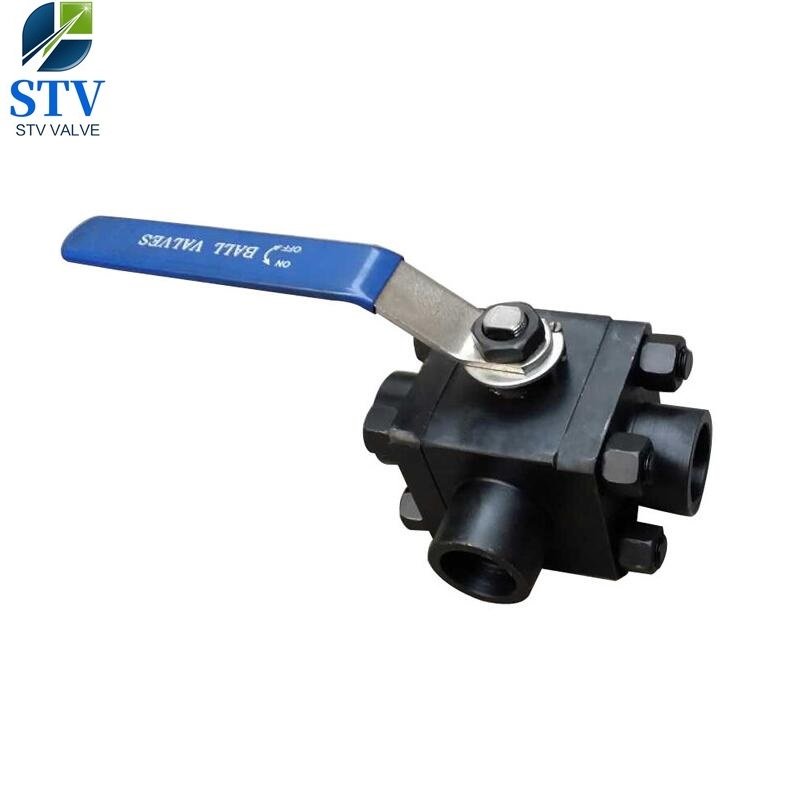
,BSPT thread 3 Way Ball Valve,T Port 3 Way Ball Valve,L Port 3 Way Ball Valve,F304 3 Way Ball Valve,F316 3 Way Ball Valve manufacturer with high quality and low price.Welcome to contact us!
A Comprehensive Guide on Three-Way Valve explains how a three-way valve helps control flow in various systems. This valve can direct, mix, or change the flow path, making it essential for process control across many industries. Sectors like water treatment, oil and gas, and food processing rely heavily on these valves. They enable precise flow control, improving system efficiency. With new designs and smart technology, three-way valves have become more advanced, helping to save energy, reduce wear, prevent breakdowns, and enhance safety. These valves can blend fluids or switch flow between tanks, ensuring smooth and reliable operation. Engineers benefit greatly from a comprehensive guide on three-way valve, as it helps them optimize system performance and extend equipment lifespan.
Key Takeaways
Three-way valves help move fluids in pipes. They can mix, change direction, or switch flow. This makes systems easier and work better.
L-port valves send flow to one of two outlets. They have simple on and off control. T-port valves can mix or split flow between three ports. They are used for harder jobs.
Picking the right valve size, material, and connection is important. It keeps things safe, saves energy, and helps valves last longer in many industries.
Automated three-way valves give exact control from far away. They make things safer. Manual valves are easy and work well when not used often.
Checking for leaks, cleaning, and adding oil helps valves work well. It stops big problems and saves money.
Three-Way Valve Basics
Pneumatic 3 Way Ball Valve
Definition
A three-way valve is very important in fluid control. It has three ports. These ports let engineers move, mix, or split fluid between pipes. A 3-way ball valve has a valve body, a ball core, and an actuator. The actuator turns the ball to change the flow path. The valve is small, so it fits in tight spaces. This also helps fluids move easily.
Inside, a three-way valve uses an L-port or T-port shape. The L-port mixes fluid from two places into one. The T-port sends fluid from one place to two others. Strong materials like brass or stainless steel make the valve last long. These materials work well even in tough places. You can use manual, electric, or pneumatic actuators. This lets the valve work with many types of automation.
Tip: Engineers pick 3-way ball valves because they do many jobs in one small part. This means less piping and fewer valves are needed.
Three-way valves cost less than using many two-way valves. Their design makes automation and control easier. They are used a lot in heating, cooling, chemical, and hydraulic systems.
Core Functions
Three-way valves do many important jobs in fluid systems. Their main jobs are:
Stopping liquid or gas from moving in a pipe
Letting liquid or gas move through a system
Mixing fluid from two pipes to make one output
Sending fluid from one source to another place
Mixing two different things in one pipe system
The 3-way ball valve is good at controlling fluid direction and mixing. This means engineers can use one valve instead of many. This makes the system simpler. The handle on the ball valve lets you control flow and direction. This makes it easy to use.
Here is a table that shows the main types of 3-way ball valves and what they do:
Valve Type
Primary Function(s)
Key Features
Typical Applications
L-Port Valve
Flow diversion and shut-off
Diverts flow between two outlets; can shut off flow
HVAC systems, switching fluid sources, plumbing
T-Port Valve
Flow mixing and diversion
Mixes fluids from two sources; opens all ports
Chemical processing, heating systems, pipelines
The 3-way ball valve can mix fluids with different temperatures or pressures. It can send flow between tanks or block parts of a system. These jobs make 3-way ball valves very useful in HVAC, chemical, and energy systems.
A guide on three-way valves shows how these valves help make industry safe and efficient. The ball valve design with three ports gives engineers more control. Knowing about the types and jobs of these valves helps people make better choices. This can make systems work better and cost less.
Operation
Internal Mechanism
Industrial engineers use the three-way valve for exact control. The 3-way ball valve has a ball inside. This ball turns and has an L-port or T-port shape. When the ball turns, it lines up with the valve ports. This lets the valve move, mix, or change the flow. The L-port ball valve turns 90 degrees. It switches flow between two ports. The T-port ball valve turns 180 degrees. It can let fluid go through two ports at once or mix fluids from different places.
Handles or actuators turn the ball inside the valve. Some valves have lock handles for better control. The inside of the three-way valve can be different for each job. This helps engineers pick the best 3-way ball valve for their needs. The table below shows the main features of L-port and T-port ball valves:
Feature
L-Port Valve
T-Port Valve
Port Shape
L-shaped bore
T-shaped bore
Rotation Angle
90 degrees
180 degrees
Flow Control
Diverts flow between two ports; cannot open all ports simultaneously
Can open all three ports simultaneously; allows mixing or splitting flow
Flow Direction
Switches flow between ports by 90° rotation
Allows simultaneous flow through two ports or mixing
Fluid mixing, sampling, bypass, constant flow control
Handle/Actuator Control
Limits rotation to control flow direction
May have 90°, 180°, or 360° rotation with lock handles for flow control
Note: The 3-way ball valve works well in tough places.
Flow Patterns
The three-way valve can make different flow patterns. These patterns change how the system works. The L-port 3-way ball valve can send fluid to two places or mix fluid from two pipes into one. This helps shut off flow or change where it goes. It is good for switching fluid sources and bypass jobs. The T-port 3-way ball valve can send fluid from one place to two others or mix two sources into one. This helps keep flow going, mix fluids, and do bypass work.
Engineers pick the three-way valve by the flow pattern they need. The right valve size helps save energy and control flow better. The valve’s material and how it moves affect how well the system works and how much it costs to fix. These flow patterns change how fluids move, how well they mix, and how safe the system is.
The three-way valve decides if fluids mix or go to different places.
The 3-way ball valve gives exact control over pressure and flow.
The ball valve design helps in HVAC, chemical, and energy systems.
The 3-way valve helps manage fluids safely in important jobs.
Engineers get better results when they know the flow patterns of each three-way valve type.
Three-Way Valve Types
L-Port
The L-port 3-way ball valve has an L-shaped hole inside. This shape lets the valve send flow between two ports at a right angle. People use this valve to move flow from one place to two others or switch between two tanks. The L-port ball valve gives good on/off control and can block flow in a pipe. Many industries like this valve because it is easy to use and has clear shutoff spots. The L-port 3-way ball valve never connects all three ports at once. This makes it great for simple flow changes.
Note: L-port 3-way ball valves make it easy to switch between two paths. This helps make systems less complicated.
T-Port
The T-port 3-way ball valve has a T-shaped hole inside. This lets the valve mix, split, or send flow between all three ports. People can open all the ports at the same time. This allows flow to keep moving or fluids to blend together. The T-port ball valve is best when you need careful flow control, like mixing hot and cold water or sending chemicals to different places. The T-port 3-way ball valve usually cannot shut off flow completely. But it gives more ways for flow to move.
Feature
L-Port Valve
T-Port Valve
Flow Configurations
Sends flow at a right angle between two ports; does not connect all three ports at once.
Lets flow go straight, mix, or split between all three ports.
Primary Function
Moves flow from one port to another.
Mixes or splits flow between ports; can also move flow in some cases.
Common Applications
Switching between two tanks or pumps; moving flow between cooling systems or heat exchangers; simple on/off control between two places.
Mixing two fluids into one outlet; splitting flow from one inlet into two outlets; letting flow go straight with little pressure drop.
Shutoff Capability
Can stop flow fully in some positions.
Most T-port valves do not stop flow fully, but some can be made to do so.
Advantages
Simple and works well for basic flow changes; gives clear on/off switching between two outlets; easy to find in most stores.
More useful because of many flow paths; can mix or split flow as well as move it; lets flow go straight with less pressure drop.
Mixing
Mixing three-way valves are important for blending fluids from two places. The T-port 3-way ball valve is the best for this job. People use these valves to mix hot and cold water, mix chemicals, or make special fluid blends. The three-way valve gives good control over mixing, which is needed for safety and quality in chemical plants, food factories, and water treatment. Being able to open all ports at once helps mix things smoothly.
Mixing three-way valves help keep temperature and mix even.
The 3-way ball valve design saves energy and lets systems change easily.
Diverting
Diverting three-way valves send flow from one place to different spots. The L-port 3-way ball valve is often used for this. People can turn the handle to switch flow between tanks, machines, or other equipment. In many systems, the three-way valve moves fluids when a tank is full or a process changes. Both L-port and T-port 3-way ball valves can move flow to different places, but the L-port gives better shutoff spots.
Tip: Diverting three-way valves help systems work better and lower downtime in factories.
The three-way valve group, including all 3-way ball valves, meets many flow control needs. These valves help engineers build safe, strong, and efficient systems.
Key Features
Flow Control
Three-way valves help control fluid flow very well. The 3-way ball valve has a ball with special shapes inside. This ball moves fluid in different directions. Engineers can turn the valve by hand or use machines. Handwheels let people make small changes. Actuators move the valve for exact flow rates. The valve has three ports: inlet, outlet, and exhaust. Each port controls where fluid goes and its pressure. Two holes inside the ball open or close paths. This lets engineers control flow in many ways. The 3-way ball valve is important in HVAC, chemical plants, and energy systems.
Tip: Automatic systems make control better and more repeatable. Three-way valves work well for remote use and smart technology.
Efficiency
Three-way valves help systems work better by moving fluid easily. The 3-way ball valve turns a ball to mix or send fluid. This means less piping and fewer valves are needed. L-port and T-port shapes fit different jobs. They help mix or split fluid well. The ball valve is strong and lasts long. It uses stainless steel and PTFE seats. These parts need little care. Good flow paths inside the valve lower pressure drops and save energy. Engineers pick the right valve for fluid type, pressure, and temperature. This helps systems work better and last longer. Automated controls help systems react fast and save energy and money.
Three-way valves move water, air, and oil in many places.
Small designs make systems simple and help the environment.
Reliability
Reliability is a big reason to use the 3-way ball valve. Strong materials and tight seals stop leaks. These valves work in tough places with high heat and pressure. New materials and smart tech help with maintenance and checks. Engineers trust the ball valve for steady work in important jobs. Easy part changes and strong design mean less downtime. This helps systems run well for a long time. The three-way valve keeps fluid moving safely and reliably in oil, gas, chemical, and HVAC industries.
Note: IoT and AI systems help engineers check valve health. This lowers surprise problems and makes valves more reliable.
Materials and Specs
Valve Materials
Engineers pick the best material for a ball valve by looking at what the piping system needs. The most used materials are brass, stainless steel, and PVC. Each one works best in different places.
Material
Advantages
Brass
Good corrosion resistance, suitable for general industrial use
Stainless Steel
High corrosion resistance, suitable for high temperature and pressure applications
PVC
Corrosion resistant, suitable for corrosive environments and lower temperature/pressure applications
Brass ball valves are good for many jobs. Stainless steel ball valves can handle heat and pressure. This makes them great for tough work. PVC ball valves do not rust and are good for chemical plants or water treatment. Picking the right material helps the ball valve last longer. It also keeps the piping system safe.
Pressure Ratings
Pressure ratings tell you the highest pressure a ball valve can take. These ratings change with the material and design. For example, a Maximator 3-way ball valve with a 1/2″ orifice can take up to 10,000 psi at 200°F. This kind of ball valve is used in high-pressure gas pipes and hydrogen systems. It has a one-piece trunnion mounted stem to stop breaking. The Superlok One-Piece 3-Way Ball Valve (SBV120) can take up to 2,500 psig at 70°F. It works well in instrument and sanitary piping. Pressure ratings go down when it gets hotter. Engineers must check both temperature and pressure before picking a ball valve. Knowing these ratings helps stop problems and keeps the piping system working well.
Connection Types
The connection type changes how easy it is to put in and fix a ball valve. Common types are threaded, welded, flanged, compression, union, and manifold mount.
Connection Type
Installation Impact
Maintenance Impact
Threaded
Requires matching standards; compact and streamlined
Moderate ease; can be tightened or loosened with tools
Welded/Soldered/Glued
Permanent, requires heat; more complex installation
Difficult to remove or replace; less flexible
Flanged/Lugged/Wafer
Bolted connections; easier to install and remove
Easier maintenance and replacement compared to welded
Compression
No heat required; uses ferrule and nut; good for sensitive environments
Allows disassembly for repair; good sealing
Union/True Union
Uses threaded collar nut; allows valve removal without pipe cutting
Simplifies cleaning, repair, and replacement
Manifold Mount
Bolted with o-rings; precise alignment required
Easy to remove and replace; good sealing
Threaded ball valves need pipe tape and a wrench to seal tight. Flanged ball valves are easy to take out for fixing. You do not have to cut the pipe. Union ball valves come out fast for cleaning or repair. Engineers should pick the connection type that fits the piping system best.
Industrial Applications
ANSI 150LB 3 Way Ball Valve,Flange End
HVAC
Three-way valve technology is very important in HVAC systems. Engineers use mixing and diverting styles for good temperature control. Mixing three-way valves blend hot and cold water. This keeps the supply temperature steady for radiators or air handlers. Diverting three-way valves send water to different zones. For example, they move chilled water to conference rooms or office cubicles. These valves stop overheating and lower equipment wear. They also help keep comfort levels the same. In air conditioning, three-way valves control how water comes in and mixes. This helps save energy and keeps temperatures right. Many sizes and pressure ratings make them fit many HVAC jobs.
Chemical Processing
Chemical plants use three-way valves to move and mix fluids. Operators use L-port valves to send fluids to different stages or tanks. This setup lets workers do maintenance without stopping everything. T-port valves mix fluids from two places. This helps reactions stay steady and keeps flow safe. Three-way valves also control temperature and pressure. They do this by sending fluids to cooling or heating parts. The table below shows what each valve does:
Valve Type
Internal Design
Flow Control Mechanism
Typical Applications in Chemical Processing Plants
L-Port Valve
L-shaped port
Sends flow between two outlets or sources
Switching fluid sources, bypass, stopping flow
T-Port Valve
T-shaped port
Mixes or sends flow, cannot close all ports
Mixing fluids, joining flows, sampling
Three-way valves help chemical plants work better and more flexibly.
Energy Systems
Power plants and heating systems use three-way valves for fluid control. These valves mix or send fluids to different places. They control flow, temperature, and pressure in thermal systems. By mixing hot and cold fluids, three-way valves keep temperatures just right. This helps save energy. In heating systems, zone valves send hot water to radiators or tanks. This spreads heat well. Some valves can be opened by hand to split flow. This stops boilers from getting too hot and keeps things safe. Strong designs help these valves last under high heat and pressure.
Other Uses
Three-way valves are used in many other industries. In boiler systems, they mix hot and cool water to save energy. In cooling systems, they send flow to heat exchangers or mix chilled water. This controls air temperature. Oil and gas industries use three-way valves for high-pressure fluid control. This makes things safer and more reliable. These valves can replace many two-way valves, saving money. Their many uses make them important in fluid control for many jobs, like air conditioning and heating.
Tip: Three-way valves make piping systems simpler, lower costs, and help systems work better in many jobs.
Three-Way vs. Two-Way Valves
Differences
Engineers look at three-way valves and two-way valves when they build fluid systems. Each valve has special features for different jobs. A two-way valve has two ports. One port is for fluid to enter, and one is for fluid to leave. It moves fluid in only one direction. This valve is good for simple on and off jobs. A three-way valve has three ports called A, B, and AB. This valve can mix fluid or send it to different places. It is more flexible than a two-way valve.
The table below shows how the valves are different:
Aspect
Two-Way Valves
Three-Way Valves
Number of Ports
Two ports (inlet and outlet)
Three ports (A, B, and AB)
Flow Control
On/off control, flow in a single direction
Can mix or divert flow between ports
Internal Structure
Simple, compact
L-port and T-port designs enabling mixing or diverting
Operation Modes
Primarily open or close
Mixing mode (combine two streams) and diverting mode
A two-way valve is best for basic shut-off and changing flow. A three-way valve works well for mixing fluids and keeping flow steady. The three-way valve makes piping easier and uses fewer valves.
Tip: Three-way valves give more control for tricky fluid systems. Two-way valves are fast and simple for shut-off.
Selection
Picking the right valve depends on many things. Engineers think about what the valve will do in the system. Two-way valves are great for easy on and off control. Three-way valves can mix or send fluid to different places. This is important for harder jobs.
The table below lists what to think about when choosing:
Factor
Explanation
Valve Function
Two-way valves are mainly for simple on/off control; three-way valves can also divert or mix media.
Valve Position Frequency
Consider which valve position (open or closed) is most common to extend valve life.
Operation Method
Decide if the valve will be manually operated or require actuation (electric, pneumatic, hydraulic).
Media Type
The type of media affects valve selection but is not specific to two-way vs. three-way choice.
Application Conditions
Temperature, pressure, and flow rate influence valve choice generally, not specific to valve type.
Maintenance Requirements
Maintenance needs impact valve selection but are not unique to two-way or three-way valves.
Engineers should pick the valve that fits the job. For mixing or sending fluid, use a three-way valve. For simple shut-off, use a two-way valve. The kind of fluid, how the valve works, and how often it needs fixing also matter.
Note: Picking the right valve helps the system work better and lowers repair costs in factories.
Control Options
Manual
Manual control is still used a lot for three-way valves. People turn a handle or lever to move the valve. This way is simple and does not cost much at first. Many companies use manual three-way valves in places where changes are not needed often. Manual valves work well in tough places with high pressure or heat. They have fewer electronic parts, so they break less. Putting them in and fixing them is easy. This makes them good for far-away or rough spots.
But manual three-way valves have some problems. They are not as exact as automatic systems. Someone must be there to change the valve. This can slow things down and make work cost more. Manual control cannot connect to smart systems or work from far away.
Control Option
Advantages
Disadvantages
Manual
Simple, cheap, strong in hard places, easy to put in and fix
Not very exact, needs people to work, not good for lots of changes, no remote use
Tip: Manual three-way valves are best for small jobs or backup when you do not need automation.
Automated
Automated control uses electric, air, or hydraulic actuators to move the valve. This lets people control the valve from far away and change fluid flow exactly. Automated three-way valves help keep things safe and working well in many places. They use sensors and controllers to watch and change flow, pressure, and temperature. Workers can check and change valves from a control room. This means fewer people need to be near the valve.
Automated systems have many good points:
They react fast when things change.
Remote control keeps workers safe from danger.
Feedback gives live data about valve position, flow, and pressure.
They work with SCADA or IIoT systems for smart and energy-saving use.
Special actuators and safe designs help stop accidents and make shutdowns safe.
Automated three-way valves cost more and are harder to set up. They need electricity and may need more care for their electronic parts. But they are more exact, repeatable, and work better, especially in big or sensitive places.
Control Option
Advantages
Disadvantages
Electrically Actuated
Better control, exact changes, more accuracy, saves energy, remote use, less need for people
Note: Automated three-way valves help companies make better products, keep things steady, and stay safe.
A Comprehensive Guide on Three-Way Valve Selection
Picking the right three-way valve for a job takes careful thought. Engineers look at how fluids move, the pressure, temperature, and what kind of fluid is used. This helps keep things safe and working well. A good guide helps people avoid mistakes and keep the system running smoothly.
Sizing
Getting the size of a three-way valve right is very important. First, engineers find out what fluid will go through the valve. They check things like temperature, pH, particle size, and pressure. The valve material must work with the fluid. This stops damage and keeps the valve strong.
Engineers also look at what the valve needs to do. They decide if it will mix, send, or change where the fluid goes. Each job changes how big the valve should be. Rules and laws help pick the right material too.
To size a three-way valve, engineers do these steps:
Figure out the valve Cv. Cv shows how much fluid can move through. This helps pick the right hole size.
Choose the trim size using Cv. Low-pressure valves have fewer trim choices. High-pressure valves have more trim sizes for different flows.
The valve size changes how much energy is used and how well it controls flow. If the valve is too small, pumps work harder. If it is too big, it is hard to control. Engineers must find the best size for good fluid control.
Tip: Always make sure the valve can handle the highest pressure and temperature. This keeps the valve safe and working well.
Installation
Putting in a three-way valve needs good planning and care. Engineers start by checking the valve’s details. They make sure it fits the system’s size, pressure, and flow needs. Knowing the rules and safety steps is very important before starting.
Here are the main steps for putting in the valve:
Look at the site. Think about heat, wetness, chemicals, shaking, and how easy it is to reach.
Pick the right valve type, size, and material for now and later.
Get the right tools and safety gear. Use wrenches, tools for lining things up, gloves, and safety items.
Line up the valve with the pipes. Follow the maker’s rules for which way it should face.
Connect the pipes. Use the right gaskets and tighten bolts the right way. Support the pipes so they do not bend.
Set up wires or air lines. Follow safety rules and make sure everything is hooked up right.
Check all the connections. Make sure everything is tight and lined up.
Test the valve. Look for leaks, check how it moves, and make sure it works right.
Engineers connect the valve to pipes and other parts as the maker says. They use the right glue, oil, and tools. They also plan for regular checkups after putting it in to help the valve last longer.
Problems can happen if the valve is the wrong size or put in wrong. This can cause noise, leaks, or stuck parts. Picking the right size, putting it in the right way, and checking it often stops these problems.
Installation Step
Purpose
Best Practice
Site Assessment
Find risks from the environment
Check heat, wetness, and more
Specification Verification
Make sure the valve fits the system
Match valve to what is needed
Tool Preparation
Help put in the valve safely and right
Use the right tools and safety gear
Alignment and Orientation
Make sure flow goes the right way
Follow the maker’s instructions
Piping Connection
Stop leaks and bending
Use good gaskets and supports
Electrical/Pneumatic Setup
Make sure the valve opens and closes right
Follow safety rules
Post-Installation Testing
Check if the valve works and is safe
Test for leaks and movement
Note: Putting in the valve the right way means less time fixing things and better system work.
Maintenance
Regular care keeps three-way valves working well and lasting longer. Engineers pick valve sizes that save energy and control flow well. They choose materials and seals that work with the fluid and follow the rules. The valve must handle the right pressure and temperature.
Valves with flanges are easier to fix than welded ones. Engineers also pick how the valve opens—by hand, air, or electricity—to fit the system.
Good care steps include:
Look at the valve often to spot leaks or damage early.
Check seals and gaskets for leaks and fix them fast.
Make sure the parts that open and close work right.
Open and close the valve all the way to check if it moves smoothly.
Oil moving parts so they do not stick or wear out.
Use sensors to watch the valve for odd shaking, pressure, or heat.
Plan care based on how the valve is doing, not just by the calendar.
Store valves in clean, dry places. Keep seals safe and use old stock first.
Taking care of valves is key for keeping them working and lasting longer. Waiting until something breaks costs more and stops work. Checking and fixing things before they break saves money. Using smart tools to watch the valve helps plan care at the right time.
Callout: Checking, cleaning, and oiling valves often stops big problems. This keeps the valve working well and lasting longer.
Engineers also check for leaks, rust, or things blocking the valve. They clean the valve to stop dirt from building up. Oiling moving parts helps the valve move easily and last longer. If the valve does not switch right, they look for dirt or worn seals.
A good guide on picking three-way valves shows why sizing, putting in, and caring for valves matters. These steps help engineers control fluids, save money, and keep systems safe and steady.
Three-way valve technology is very important for controlling flow and keeping systems safe in factories. Engineers make systems work better by picking the right valve size, material, and how it connects. Doing regular checks and putting valves in carefully stops leaks and keeps things running. For important jobs, there are rules and certificates to help pick safe valves:
Standard / Certification
Application / Focus Area
Description
API 6D, API 607
Petrochemical valves
Rules for design and fire safety
NACE MR0175 / ISO15156
Corrosion resistance
Material rules for H2S areas
ASME BPE, FDA regulations
Pharmaceutical, food-grade
Clean design and following health rules
EPA Method 21
Environmental compliance
Checks for leaks into the air
ASME B16.34
Valve design validation
Pressure and temperature limits
ASTM material standards
Material quality
Rules for what materials to use
Fire resistance certification
Safety-critical applications
Shows valve can handle fire
Zero leakage certification
Safety and reliability
Promises no leaks
Explosion-proof actuators certification
Hazardous environments
Stops sparks from causing fires
Engineers should ask experts for help with tricky or dangerous systems.
Learning new things and following rules keeps work safe and smooth.
Picking certified parts and the right materials helps valves last longer.
Tip: Using good rules and best ways helps engineers keep fluid control safe, strong, and working well.
FAQ
What is the main difference between L-port and T-port three-way valves?
The L-port valve sends flow to one of two outlets. The T-port valve can mix or split flow between all three ports. Engineers pick the type that matches how the system needs to move fluid.
Can three-way valves handle high-pressure applications?
Yes. Many three-way valves are made from stainless steel or brass for high-pressure jobs. Always look at the valve’s pressure rating before putting it in. You can find this information in the product details from the maker.
How often should engineers perform maintenance on three-way valves?
Engineers should check three-way valves every six months. Regular checks help stop leaks and keep things working well. The schedule might change if the system works harder or uses different fluids.
Are three-way valves suitable for automated control systems?
Yes. Three-way valves work with electric or air-powered actuators. Automated systems let people control valves from far away and set flow exactly. This makes factories safer and helps them work better.
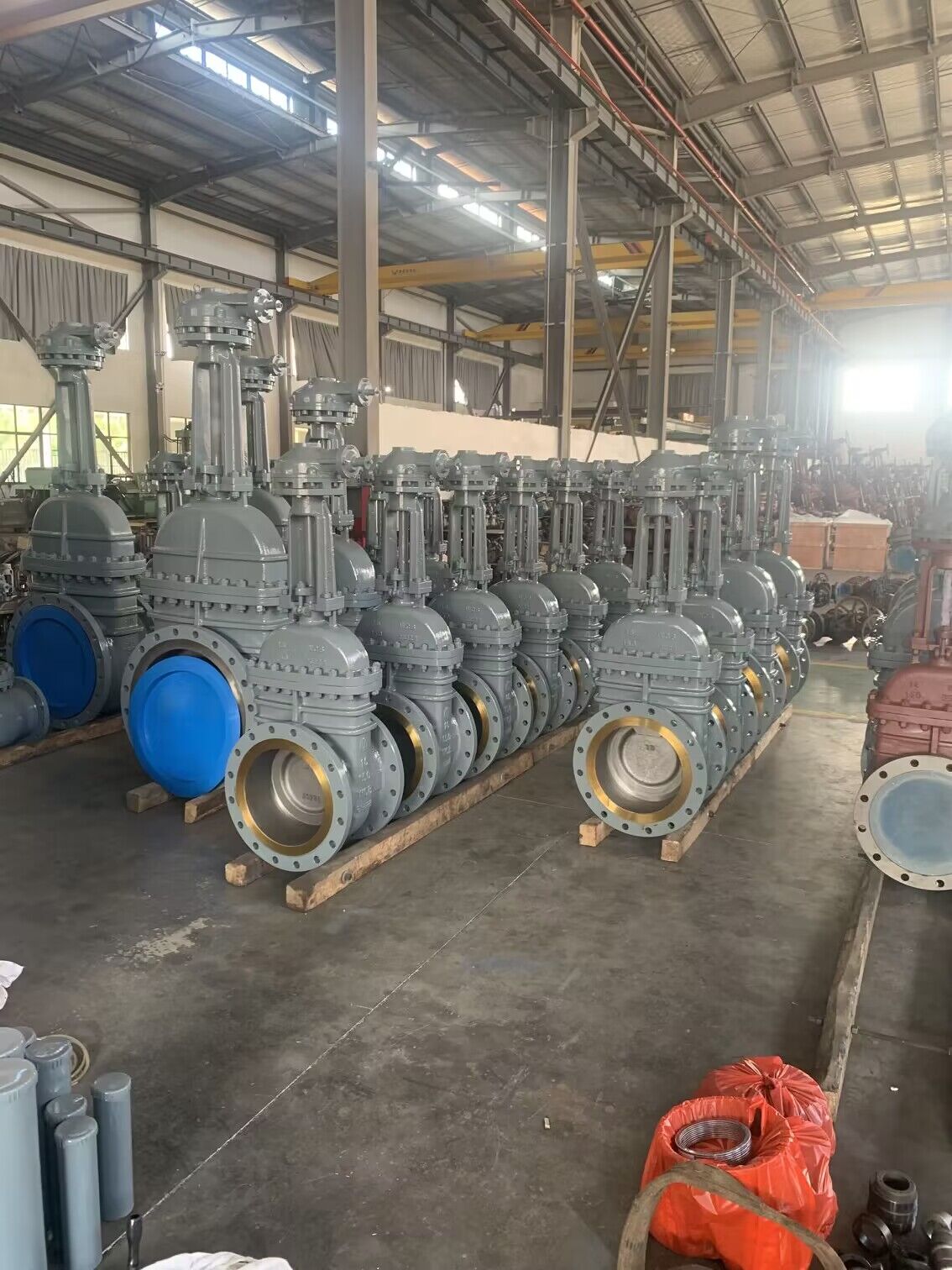
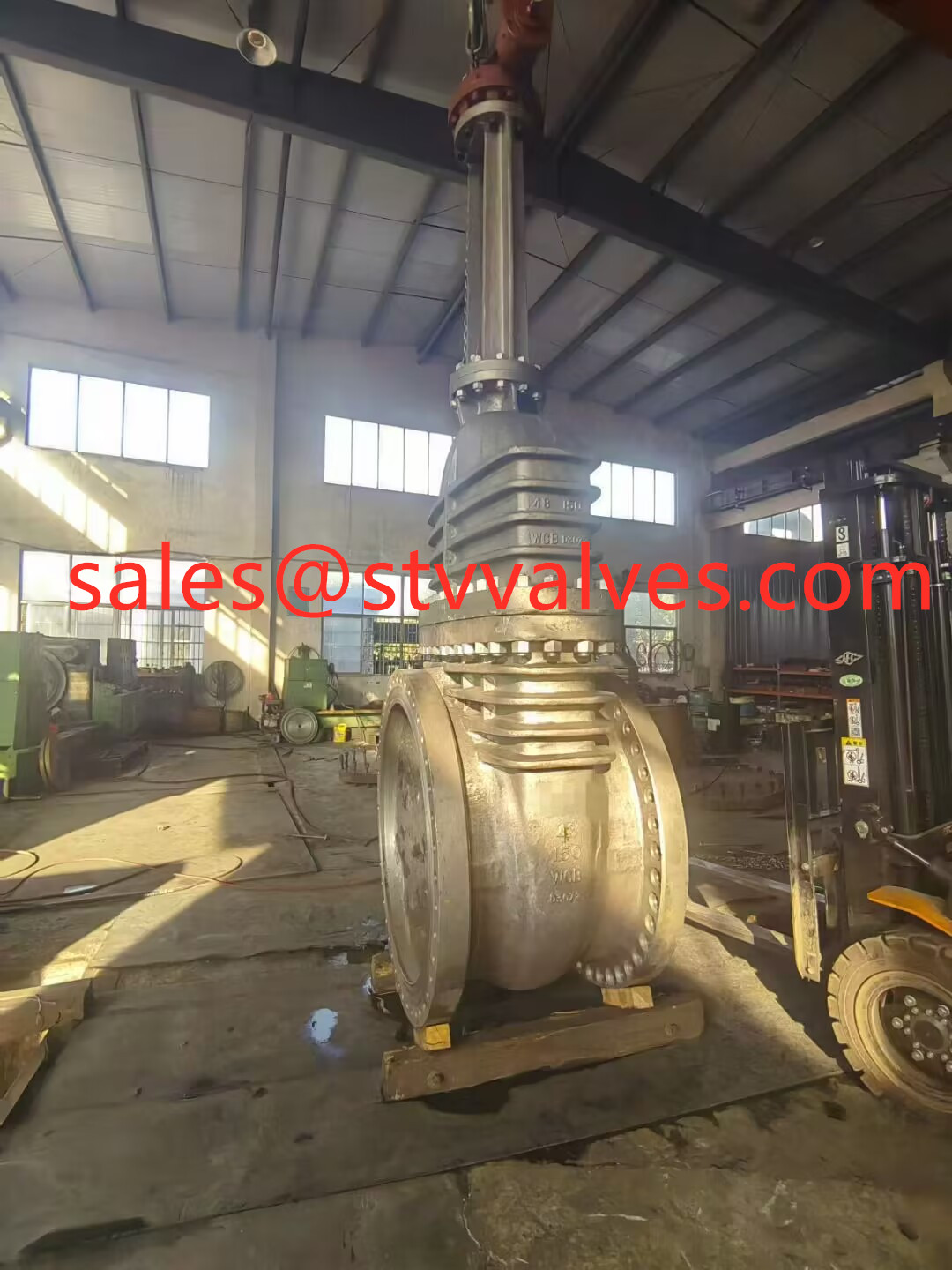
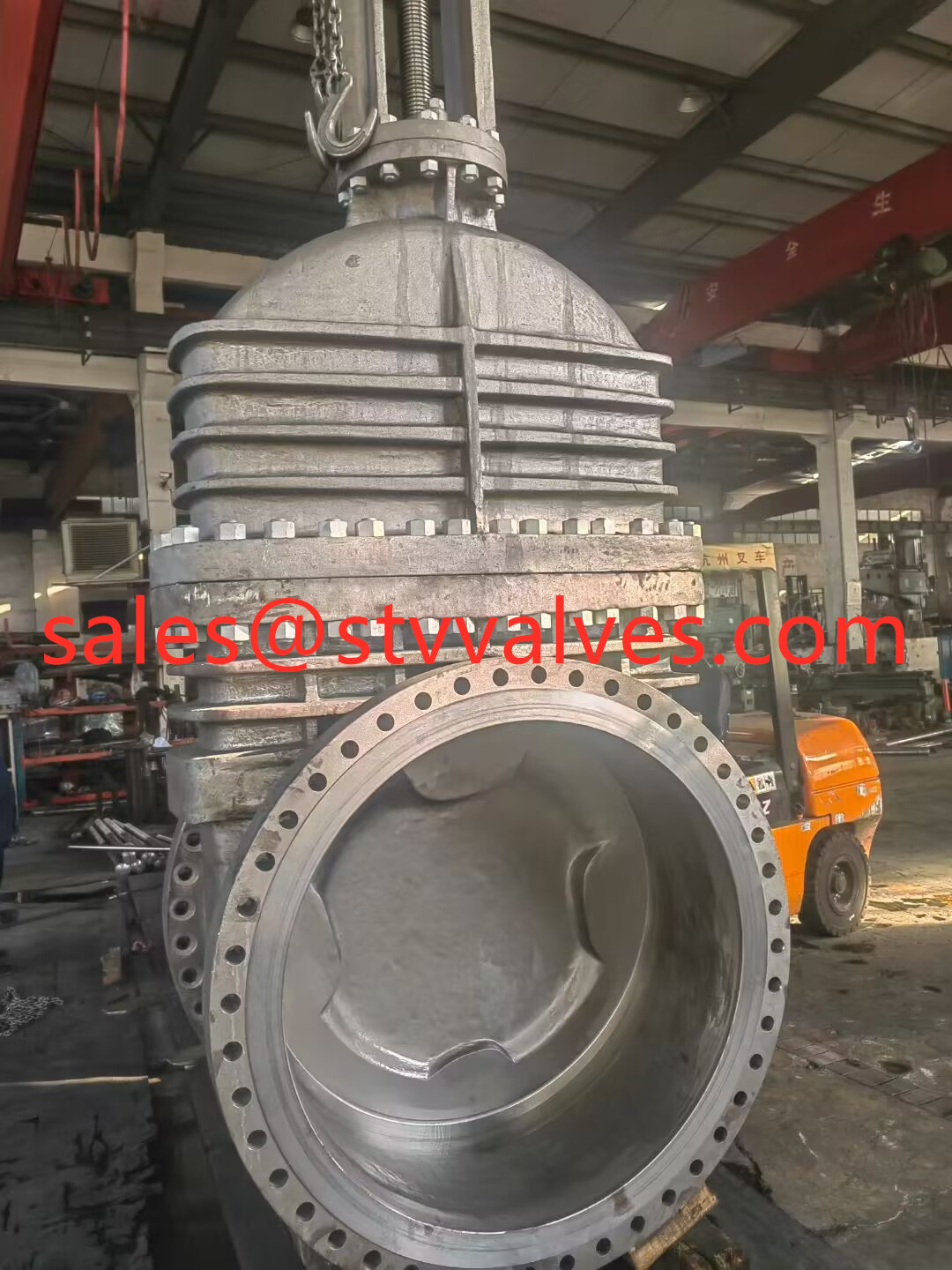
We are pleased to announce the successful delivery of 150LB WCB Gate Valve,48 Inch,Flange End to one of our esteemed clients in Spain.
Design Standard: API 600 Pressure-temperature Ratings: ASME B16.34 Size Range: 48” Pressure Range: Class 150 End Connections: Flanged RF Flanged End Dimensions: ASME B16.47 Series A Face to Face Dimensions: ASME B16.10 Inspection and Testing: API 598 Body Materials: WCB Trim Materials: 5#
Please contact our sales for other materials and details. If you are interested in 150LB WCB Gate Valve,48 Inch,Flange End , pls freely contact us via email: sales@stvvalves.com Kindly, please find the attached valve pictures
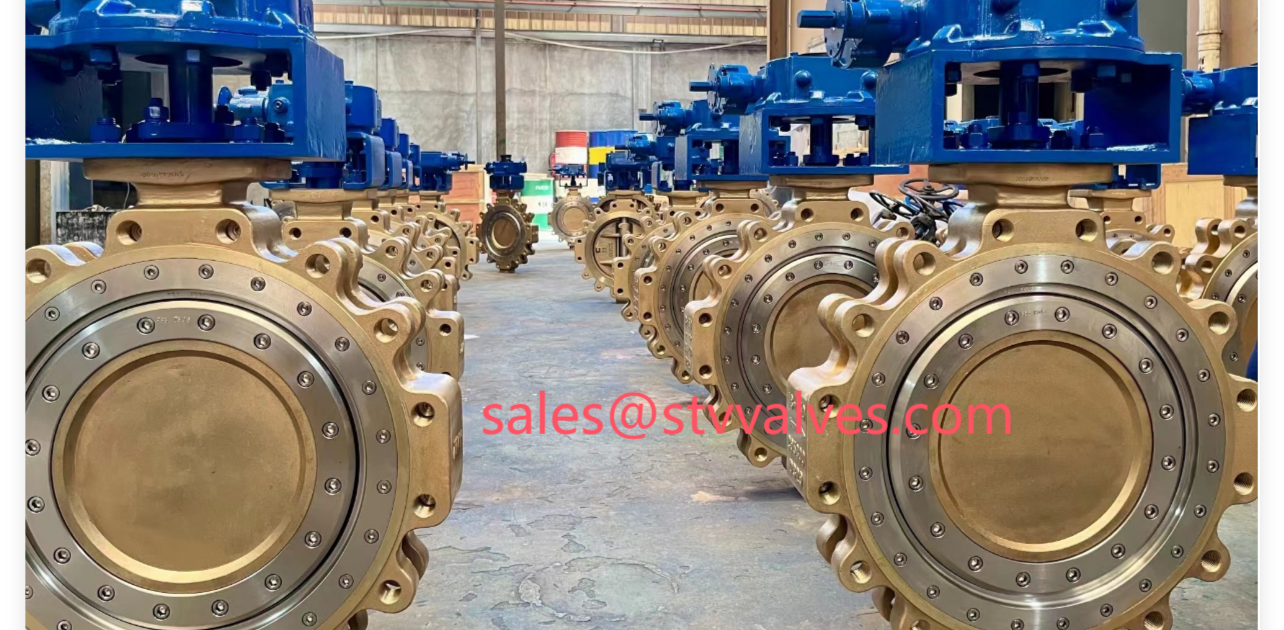
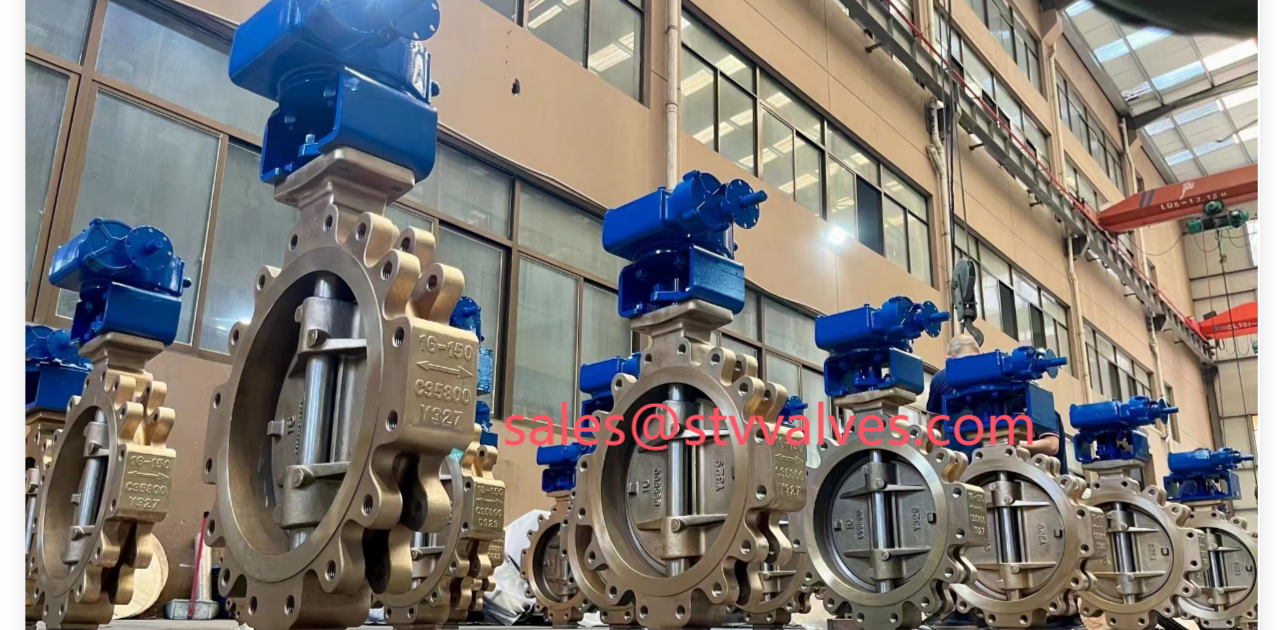
We are pleased to announce the successful delivery of API 609 C95800 Lug Type Butterfly Valve,150LB,16 Inch to one of our esteemed clients in Brazil, marking another milestone in our commitment to delivering high-quality industrial solutions.
Design and Manufacture:API 609
Face to Face Dimension:ASME B16.10
Flange Connection Dimension:ASME B16.5
Test and Inspection:API 598
Pressure Temperature Rating:ASME B16.34 Product Range
Body material:C95800
Nominal diameter:16″
End Connection: Lug
Pressure range: Class150
Working temperature:-46℃ ~ +120℃
Seal Structure,Soft Sealing,
Operation: Gear
Please contact our sales for other materials and details. If you are interested in API 609 C95800 Lug Type Butterfly Valve,150LB,16 Inch , pls freely contact us via email: sales@stvvalves.com Kindly, please find the attached valve pictures
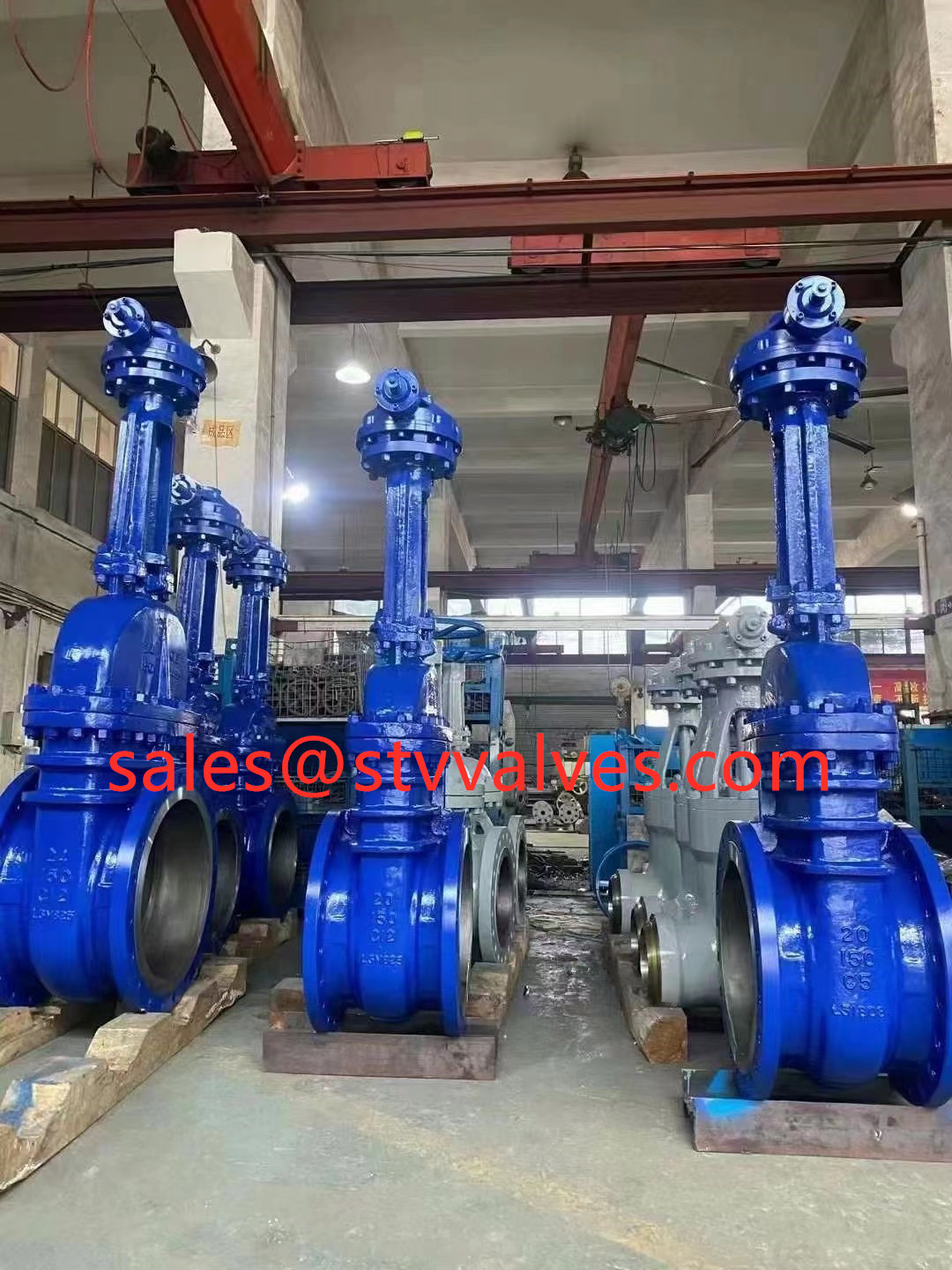
We are pleased to announce the successful delivery of 150LB A217 C12 Gate Valve to one of our esteemed clients in Europe, marking another milestone in our commitment to delivering high-quality industrial solutions. Design and Manufacture:Cast Steel Gate Valve to API 600
Inspection and Test:API598
End Flange Dimension:ASME B16.5
Face to Face and End to End:ASME B16.10
Pressure-temperature ratings:ASME B16.34
Product Range
Body material: C12, C5
Nominal diameter:20″ 24″18″
End Connection: RF
Pressure range: Class150
Working temperature:-29℃~+560℃
Operation: Gear
Please contact our sales for other materials and details. If you are interested in 150LB A217 C12 Gate Valve , pls freely contact us via email: sales@stvvalves.com Kindly, please find the attached valve pictures